

DIY Dog Repellents: Safe & Effective Homemade Solutions
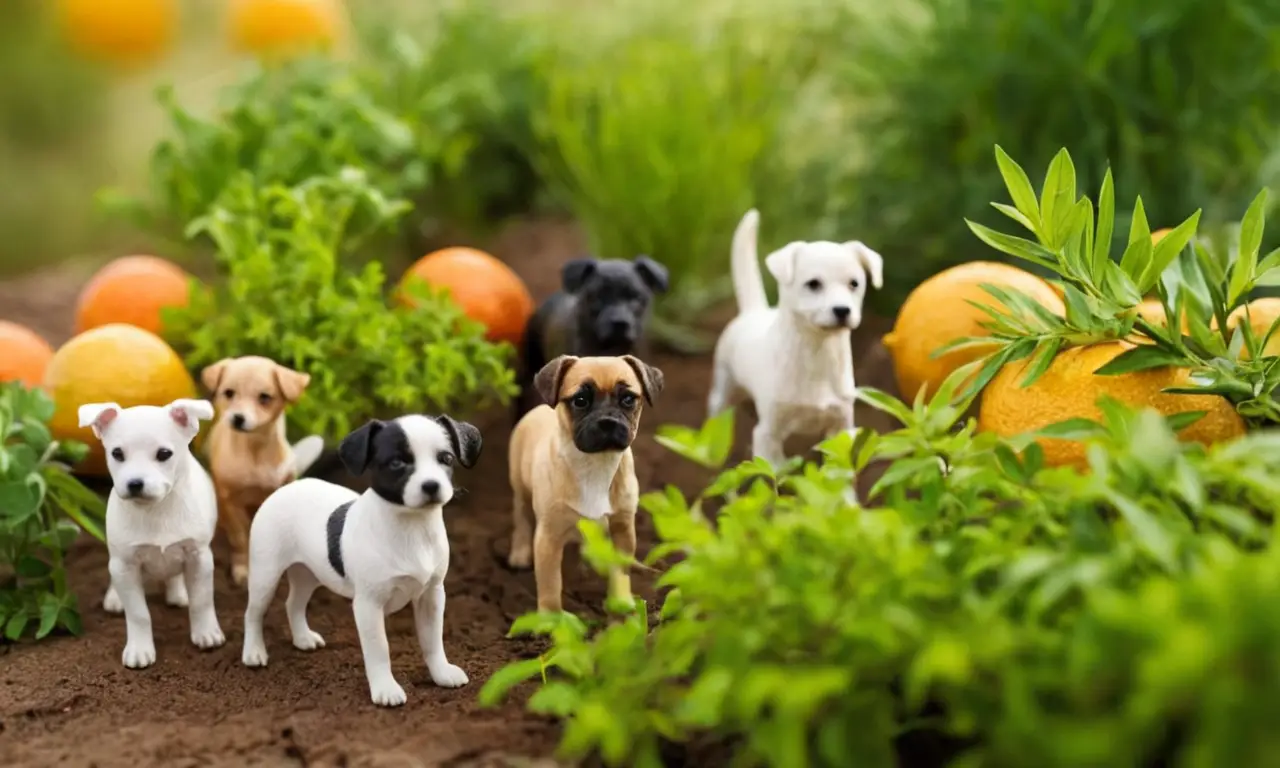
Homemade Dog Repellents: Natural Solutions for a Peaceful Home
Dealing with unwanted canine attention can be a nuisance, whether it's dogs trespassing on your property, persistent barking, or even aggressive behaviors. While commercial repellents exist, many pet owners are increasingly seeking natural and homemade dog repellents that are safe for both animals and the environment. This article delves into the world of DIY dog repellents, exploring effective and humane methods to deter dogs without causing them harm. We'll cover various approaches, from scent-based deterrents to physical barriers, and discuss their pros and cons, ensuring you have the knowledge to create a peaceful coexistence with your neighborhood canines.
Understanding Dog Repellent Needs
Before diving into specific homemade dog repellents, it's crucial to understand why you might need them and what constitutes an effective deterrent. Common scenarios include:
- Territorial Marking: Dogs marking your lawn or garden as their own.
- Trespassing: Dogs entering your property without permission.
- Excessive Barking: Neighborhood dogs barking incessantly.
- Aggressive Behavior: Dogs exhibiting threatening postures or behaviors towards you, your pets, or your property.
- Deterring Strays: Discouraging stray dogs from loitering around your home.
It's important to note that the goal of a repellent is to deter, not to harm or cause distress. A good repellent should be non-toxic, humane, and effective enough to discourage the dog from repeating the unwanted behavior.
The Science Behind Scent-Based Repellents
Dogs have an incredibly sensitive sense of smell, far superior to ours. This makes scent a powerful tool in creating homemade dog repellents. Certain aromas are naturally off-putting to dogs, triggering an instinctual aversion. These scents often mimic natural predators or create an unpleasant olfactory experience.
Common Natural Ingredients for Scent-Based Repellents
Several readily available household items possess scents that dogs generally dislike. When used correctly, these can form the basis of your homemade dog repellents.
- Citrus: The strong scent of lemons, oranges, grapefruits, and limes is known to be disliked by dogs.
- Vinegar: White vinegar and apple cider vinegar have a pungent aroma that can deter dogs.
- Essential Oils: Certain essential oils, when diluted, can be effective. However, extreme caution must be exercised, as some oils are toxic to dogs even in small amounts. Oils like eucalyptus, citronella, and peppermint are often cited, but always research their safety profile and dilute heavily.
- Spices: Chili powder, cayenne pepper, and cinnamon are pungent and can irritate a dog's nasal passages, making them an unpleasant experience.
- Ammonia: The strong smell of ammonia is a powerful deterrent. However, this should be used with extreme caution as it can be harmful if inhaled in high concentrations.
Crafting Your Homemade Dog Repellents: Recipes and Methods
Here are some effective homemade dog repellents you can create using common ingredients:
1. Citrus Spray Repellent
This is one of the simplest and most humane homemade dog repellents.
Ingredients:
- Peels of 2-3 lemons, oranges, or grapefruits (or a combination)
- 1 cup of water
- Spray bottle
Instructions:
- Boil the citrus peels in water for about 5-10 minutes.
- Let the mixture steep and cool completely.
- Strain the liquid into a spray bottle.
- Spray around the perimeter of your yard, gates, or any areas you want to keep dogs away from. Reapply after rain or every few days.
Why it works: The strong, acidic scent of citrus is highly unappealing to dogs and can disrupt their scent marking.
2. Vinegar Solution Repellent
Vinegar's sharp aroma is a well-known deterrent.
Ingredients:
DIY Dog Toys: Fun & Affordable Homemade Options- 1 part white vinegar or apple cider vinegar
- 1 part water
- Spray bottle
Instructions:
- Mix equal parts vinegar and water in a spray bottle.
- Spray generously around the areas you wish to protect.
- Be mindful that vinegar can be harsh on plants, so avoid spraying directly on foliage.
Why it works: The pungent smell of vinegar is unpleasant for dogs and can make them avoid the treated areas.
3. Chili Pepper/Cayenne Powder Deterrent
This is a more potent option and should be used with caution, ensuring it doesn't get into a dog's eyes or nose directly.
Ingredients:
- 1 tablespoon chili powder or cayenne pepper
- 1 quart (approx. 1 liter) of water
Instructions:
- Mix the chili powder or cayenne pepper with water.
- Pour the mixture into a spray bottle.
- Lightly spray the perimeter of your yard or fences. Avoid spraying directly on plants as it can harm them.
- Important: Do not use this if you have young children or if the area is frequented by small animals who could ingest it. The spice can cause irritation.
Why it works: The capsaicin in chili peppers irritates a dog's mucous membranes, creating an unpleasant sensation and deterring them from the area.
4. Essential Oil Spray (Use with Extreme Caution)
While some essential oils can be used, it's crucial to understand that many are toxic to dogs. Never use essential oils undiluted.
Ingredients:
- 10-15 drops of a dog-safe essential oil (e.g., diluted citronella, eucalyptus, lavender – always verify safety for dogs first)
- 1 cup of water
- 1 teaspoon of mild liquid soap (like unscented castile soap) to help emulsify
- Spray bottle
Instructions:
- Mix the essential oil, water, and soap in a spray bottle.
- Shake well before each use.
- Spray lightly around the perimeter.
- Crucial Warning: Many essential oils, such as tea tree oil, pennyroyal, and pine oil, are highly toxic to dogs. Always research the specific essential oil's safety for canines before using it. If unsure, err on the side of caution and avoid.
Why it works: The strong scent of certain essential oils can be aversive to dogs.
5. Coffee Grounds and Orange Peels Mix
This creates a multi-sensory deterrent.
Ingredients:
DIY Flea Shampoo for Cats: Natural & Effective Recipes- Used coffee grounds
- Orange peels
Instructions:
- Collect used coffee grounds and dried orange peels.
- Scatter both liberally around the perimeter of your garden or yard.
Why it works: The strong smell of coffee grounds and citrus is disliked by dogs, and they may also be deterred by the texture of the grounds.
6. Ammonia-Soaked Rags (Use with Extreme Caution)
Ammonia is a powerful deterrent due to its strong smell.
Ingredients:
- Ammonia
- Rags or cotton balls
Instructions:
- Soak rags or cotton balls in ammonia.
- Place these soaked items in small, open containers or plastic bags with holes poked in them.
- Position these containers around the edges of your property.
- Crucial Warning: Ammonia fumes can be toxic and harmful to both humans and pets if inhaled in high concentrations. Ensure good ventilation and keep these out of reach of children and pets. This method is generally not recommended due to the potential risks.
Why it works: The potent smell of ammonia strongly repels dogs.
Physical Barriers and Other Humane Deterrents
While scent-based homemade dog repellents are effective, sometimes a physical or sensory deterrent is needed.
1. Motion-Activated Sprinklers
These devices detect movement and release a burst of water, startling dogs without causing harm. They are an excellent non-chemical deterrent.
2. Fencing and Gate Reinforcement
Ensuring your fences are secure and gates are properly latched is the most straightforward way to prevent dogs from entering your property. Look for any gaps or weaknesses they might exploit.
3. Ultrasonic Devices
These devices emit high-frequency sounds that are inaudible to humans but can be irritating to dogs. They are a humane and often effective option.
4. Introduce Natural Predators (with Caution)
While not a typical DIY repellent, the scent of natural predators like coyotes or foxes can deter dogs. Some people place predator urine (available at outdoor supply stores) around their property. However, this can also attract actual predators, so it's a method that requires careful consideration.
Important Considerations for Using Homemade Dog Repellents
When implementing homemade dog repellents, remember these crucial points:
DIY Flea Shampoo for Dogs: Natural & Effective Remedies- Safety First: Always prioritize the safety of the dogs, other animals, children, and yourself. Avoid ingredients that are known to be toxic or harmful.
- Humane Approach: The goal is to deter, not to cause pain or distress.
- Test on a Small Area: Before broadly applying any repellent, test it on a small, inconspicuous area to ensure it doesn't damage plants or surfaces.
- Regular Reapplication: Natural repellents often have a limited lifespan and need to be reapplied, especially after rain or watering.
- Consistency is Key: Consistent application of your chosen repellent will yield better results.
- Identify the Source: If possible, try to identify the owner of the dog and have a polite conversation about their pet's behavior.
- Consider the Dog's Behavior: If a dog is exhibiting aggressive behavior, homemade dog repellents may not be sufficient. In such cases, consult with animal control or a professional dog trainer.
- Environmental Impact: Be mindful of how your chosen repellents might affect local wildlife or water sources.
When to Seek Professional Help
While homemade dog repellents can be effective for minor nuisances, there are situations where professional intervention is necessary:
- Aggressive or Threatening Behavior: If a dog is showing signs of aggression, it's crucial to contact your local animal control or a professional dog behaviorist.
- Persistent Problems: If your DIY solutions aren't working and the problem persists, a professional can offer more tailored advice and solutions.
- Concerns about Animal Welfare: If you suspect a dog is being mistreated or is a stray in distress, contact your local animal shelter or rescue organization.
In summary
Creating homemade dog repellents offers a natural, cost-effective, and humane way to address common canine nuisances. By understanding the scents that dogs find unappealing and employing simple, safe ingredients, you can effectively protect your property and maintain a peaceful environment. Remember to always prioritize safety, be consistent with your application, and consider the well-being of the animals involved. With a little effort and the right approach, you can enjoy a harmonious coexistence with your four-legged neighbors.
Cat Urinary Crystals: Types, Symptoms & Treatment Guide

Cat Weight: How Do I Know If My Cat Is Fat?

Encephalitis in Dogs: Symptoms, Causes & Treatment

Dog Cavities: Causes, Symptoms, and Treatment Options
Natural Flea Relief: Home Remedies for Fleas in Cats

Newborn Puppy Feeding Guide: From Birth to Weaning
Related posts