

DIY Flea Shampoo for Cats: Natural & Effective Recipes
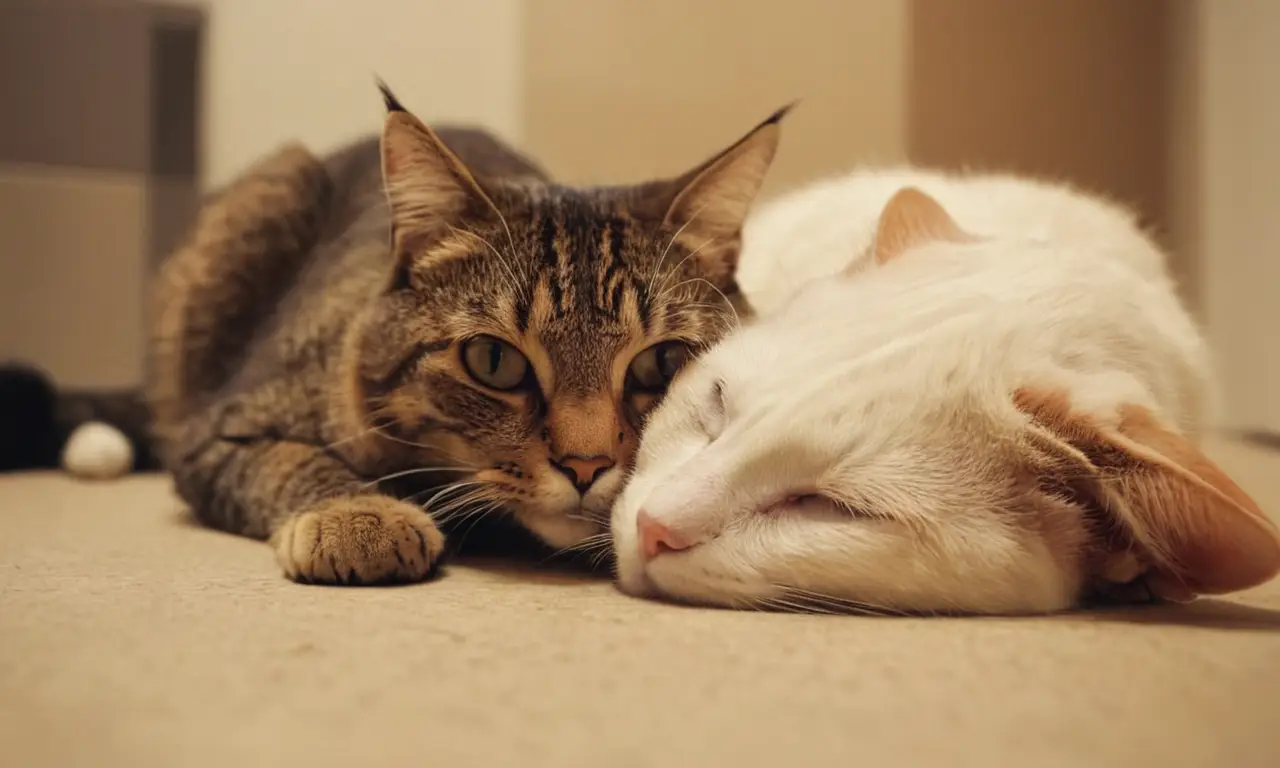
Homemade Flea Shampoo for Cats: Natural & Effective Recipes
Dealing with fleas on your feline friend can be a common and often frustrating challenge for cat owners. While commercial flea treatments are readily available, many pet parents are seeking more natural and cost-effective alternatives. This is where homemade flea shampoo for cats shines as a viable solution. Not only can you control the ingredients, ensuring they are gentle and safe for your beloved pet, but you can also save money in the long run. This comprehensive guide will delve into various DIY recipes for flea shampoos, explaining their benefits, ingredients, preparation methods, and important precautions to ensure your cat’s safety and well-being.
𝙲𝚘𝚗𝚝𝚎𝚗𝚝
- Understanding Fleas and Their Impact on Cats
- Why Choose Homemade Flea Shampoo?
- Essential Ingredients for Homemade Flea Shampoo
- DIY Flea Shampoo Recipes
-
Important Precautions When Making and Using Homemade Flea Shampoo
- 1. Consult Your Veterinarian First
- 2. Perform a Patch Test
- 3. Avoid Essential Oils Known to Be Toxic to Cats
- 4. Dilution is Key
- 5. Never Use on Kittens or Elderly/Sick Cats Without Vet Approval
- 6. Be Careful Around the Face and Ears
- 7. Rinse Thoroughly
- 8. Monitor Your Cat After Bathing
- 9. Homemade shampoos are often less potent than commercial treatments.
- 10. Storage and Shelf Life
- Complementary Natural Flea Prevention Strategies
- When to Seek Professional Veterinary Help
- In summary
Understanding Fleas and Their Impact on Cats
Fleas are tiny, wingless insects that feed on the blood of animals. For cats, flea infestations can lead to a range of discomforts and health issues.
- Itching and Discomfort: The most immediate and obvious symptom is intense itching, which can cause your cat to scratch excessively, leading to skin irritation, sores, and hair loss.
- Flea Allergy Dermatitis (FAD): Some cats are allergic to flea saliva, and even a single bite can trigger a severe allergic reaction, characterized by extreme itching, redness, and scabs.
- Anemia: In severe infestations, particularly in kittens or elderly cats, blood loss from numerous flea bites can lead to anemia, a serious condition requiring veterinary attention.
- Tapeworms: Cats can contract tapeworms by ingesting fleas that are infected with tapeworm larvae. This occurs when a cat grooms itself and accidentally swallows a flea.
Why Choose Homemade Flea Shampoo?
Opting for a homemade flea shampoo for cats offers several compelling advantages over conventional, store-bought options.
- Natural Ingredients: You have complete control over the ingredients, allowing you to avoid harsh chemicals, synthetic fragrances, and potential allergens that might be present in commercial shampoos. This is especially beneficial for cats with sensitive skin or allergies.
- Cost-Effectiveness: Natural ingredients are often readily available in your pantry or can be purchased inexpensively, making DIY shampoos a budget-friendly alternative.
- Gentle Formula: Homemade recipes can be tailored to be gentle on your cat’s skin and coat, reducing the risk of dryness, irritation, or adverse reactions.
- Environmental Friendliness: By using natural ingredients, you contribute to a more environmentally conscious approach to pet care.
Essential Ingredients for Homemade Flea Shampoo
Several natural ingredients possess flea-repelling and insecticidal properties, making them ideal for DIY flea shampoos.
1. Apple Cider Vinegar (ACV)
Apple cider vinegar is a popular choice for natural flea treatments. Its acidic nature is believed to make the cat’s skin less appealing to fleas.
- Properties: Repels fleas, balances skin pH, can condition the coat.
- Source: Readily available at most grocery stores.
- Important Note: Always dilute ACV with water. Undiluted vinegar can be too harsh.
2. Dish Soap (Mild, Gentle)
A mild dish soap can help to physically drown or dislodge fleas. The key is to use a gentle, dye-free, and fragrance-free variety.
- Properties: Acts as a surfactant, helping to break down the exoskeleton of fleas and wash them away.
- Source: Most households have dish soap.
- Important Note: Use only a very small amount. Too much can strip natural oils from your cat's coat, leading to dryness and irritation.
3. Essential Oils (Use with Extreme Caution!)
Certain essential oils have insect-repellent properties, but it's crucial to select oils that are safe for cats and use them in extremely diluted concentrations. Many essential oils are toxic to cats.
- Safer Options (Highly Diluted):
- Lavender Oil: Known for its calming properties and mild insect-repellent qualities.
- Rosemary Oil: Can help deter fleas and also adds a pleasant scent.
- Cedarwood Oil (Atlas or Virginian): Commonly used in natural flea repellents.
- ESSENTIAL OILS TO AVOID AT ALL COSTS: Tea Tree Oil, Peppermint Oil, Eucalyptus Oil, Citrus Oils (Lemon, Orange), Pine Oil, Wintergreen Oil, Ylang Ylang Oil. These are highly toxic to cats and can cause serious health problems, including liver damage and neurological issues.
- Source: Health food stores, online retailers.
- Important Note: Dilution is paramount. Use only a drop or two per entire batch of shampoo. Always research the safety of any essential oil for cats before considering its use. If in doubt, omit essential oils entirely.
4. Castile Soap
Castile soap is a vegetable-based soap made from olive oil, coconut oil, and other plant oils. It's known for its gentleness and biodegradability.
- Properties: Mild cleansing agent, effective at removing dirt and fleas.
- Source: Health food stores, online retailers.
- Important Note: Choose unscented, liquid castile soap.
5. Water
The base for most shampoos, water helps to dilute the active ingredients and create a lather.
- Source: Tap water is usually fine. Filtered or distilled water can be used for extra purity.
DIY Flea Shampoo Recipes
Here are a few effective and easy-to-make homemade flea shampoo for cats recipes. Remember to always perform a patch test on a small area of your cat’s skin before a full bath to check for any adverse reactions.
Recipe 1: Apple Cider Vinegar & Mild Dish Soap Shampoo
This is a simple and effective recipe that relies on the flea-repelling properties of ACV and the cleansing action of mild dish soap.
Ingredients:
DIY Flea Shampoo for Dogs: Natural & Effective Remedies- 1 cup warm water
- 1/4 cup apple cider vinegar
- 1-2 drops of mild, dye-free, fragrance-free dish soap
Instructions:
- In a clean bottle or bowl, combine the warm water and apple cider vinegar.
- Gently add 1-2 drops of the mild dish soap.
- Swirl gently to combine. Avoid shaking vigorously, as this can create too many suds.
How to Use:
- Wet your cat thoroughly with lukewarm water.
- Apply the shampoo, gently lathering from neck to tail. Avoid the face and ears.
- Let the shampoo sit on your cat's coat for 5-10 minutes, allowing the ingredients to work.
- Rinse thoroughly with lukewarm water until all soap residue is gone.
- Towel dry your cat and brush their coat.
Recipe 2: Castile Soap & Rosemary Infusion Shampoo
This recipe utilizes the flea-repelling properties of rosemary, which is considered safer for cats than many other essential oils when used appropriately.
Ingredients:
- 1 cup hot water
- 2 tablespoons dried rosemary (or 1 tablespoon fresh rosemary)
- 1/4 cup liquid castile soap (unscented)
- Optional: 1-2 drops of food-grade lavender essential oil (ensure it's safe for feline use and highly diluted)
Instructions:
- Pour the hot water over the rosemary in a heatproof bowl.
- Cover and let it steep for at least 15-30 minutes, or until the water has cooled significantly.
- Strain the rosemary infusion, discarding the rosemary leaves.
- In a clean bottle or bowl, combine the strained rosemary water with the liquid castile soap.
- If using, add 1-2 drops of lavender essential oil and swirl gently.
How to Use:
- Follow the same bathing and rinsing instructions as in Recipe 1.
Recipe 3: Gentle ACV Rinse (Post-Bath Conditioner)
This isn't a shampoo per se, but a very effective rinse that can be used after a gentle, unscented cat shampoo. It helps to deter fleas and condition the coat.
Ingredients:
- 1 cup lukewarm water
- 2 tablespoons apple cider vinegar
Instructions:
- Combine the lukewarm water and apple cider vinegar in a clean bottle or jug.
How to Use:
- After shampooing and thoroughly rinsing your cat, gently pour this ACV mixture over their coat.
- Avoid the face and ears.
- You do not need to rinse this mixture out. It will dry on the coat and continue to work.
Important Precautions When Making and Using Homemade Flea Shampoo
Safety is paramount when preparing and using any homemade flea shampoo for cats. Cats are different from dogs, and their grooming habits and sensitivities require extra care.
1. Consult Your Veterinarian First
Before attempting any homemade remedy, especially if your cat has pre-existing health conditions, skin sensitivities, or is pregnant/nursing, always consult with your veterinarian. They can offer personalized advice and confirm the safety of your chosen ingredients.
Kidney Failure Cat Food: Delicious Homemade Options2. Perform a Patch Test
Always test a small amount of the prepared shampoo on a tiny area of your cat’s skin (e.g., behind the ear or on the belly). Wait 24 hours to observe for any redness, irritation, or allergic reactions before proceeding with a full bath.
3. Avoid Essential Oils Known to Be Toxic to Cats
Reiterating this critical point: Never use tea tree oil, peppermint, eucalyptus, citrus oils, pine oil, wintergreen, or ylang-ylang on cats. Their livers cannot process these compounds effectively, leading to severe toxicity.
4. Dilution is Key
When using ingredients like apple cider vinegar or essential oils, proper dilution is crucial. Over-concentration can lead to skin irritation, dryness, or more serious adverse effects.
5. Never Use on Kittens or Elderly/Sick Cats Without Vet Approval
Young kittens, elderly cats, or those with compromised immune systems are more vulnerable to harsh ingredients and stress. Always seek veterinary guidance for these sensitive individuals.
6. Be Careful Around the Face and Ears
Cats are meticulous groomers and can easily ingest shampoo residue if it gets near their face or in their ears. Always avoid applying shampoo directly to these sensitive areas and rinse thoroughly.
7. Rinse Thoroughly
Ensure all shampoo is completely rinsed from your cat’s coat. Any residue left behind can cause skin irritation, dryness, or attract dirt.
8. Monitor Your Cat After Bathing
Observe your cat closely for several hours after the bath. Watch for any signs of lethargy, vomiting, diarrhea, excessive grooming, or changes in behavior. If you notice any concerning symptoms, contact your veterinarian immediately.
9. Homemade shampoos are often less potent than commercial treatments.
While natural remedies can be effective for mild flea infestations, they may not be sufficient for severe infestations or for cats with FAD. In such cases, veterinary-prescribed treatments are essential.
10. Storage and Shelf Life
Homemade shampoos do not contain preservatives, so they have a short shelf life. Prepare small batches and use them within a week or two. Store any unused portion in a cool, dark place.
Complementary Natural Flea Prevention Strategies
Bathing your cat with a homemade flea shampoo for cats is just one part of a holistic approach to flea control. To effectively manage and prevent flea infestations, consider these complementary strategies:
- Regular Grooming: Brushing your cat daily can help you spot fleas early and remove them before they become a major problem. It also distributes natural skin oils, keeping their coat healthy.
- Environmental Control: Fleas don't just live on your pet; they also reside in your home environment. Regularly vacuum carpets, upholstery, and pet bedding. Wash pet bedding frequently in hot water.
- Diatomaceous Earth (Food-Grade): This natural powder can be sprinkled lightly in areas where your pet spends time (avoiding direct application to your cat unless specifically advised by a vet). It works by dehydrating fleas. Ensure it's food-grade and handled carefully to avoid inhalation.
- Natural Flea Sprays: You can create simple flea-repellent sprays using diluted apple cider vinegar or water infused with herbs like rosemary.
- Brewer's Yeast and Garlic (with caution): Some believe that adding small amounts of brewer's yeast and garlic to a cat's diet can help deter fleas. However, garlic can be toxic to cats in larger quantities, so consult your vet before considering this.
- Flea Traps: Simple homemade or commercial flea traps can help reduce the flea population in your home.
When to Seek Professional Veterinary Help
While DIY homemade flea shampoo for cats can be a great natural option, it’s crucial to recognize when professional veterinary care is necessary.
- Severe Infestations: If you see a large number of fleas, or if your cat is showing signs of anemia (pale gums, lethargy), seek immediate veterinary attention.
- Flea Allergy Dermatitis (FAD): If your cat has FAD, the itching and skin lesions can become severe and require prescription medication for relief and healing.
- Kittens or Compromised Cats: As mentioned, very young, old, or sick cats are more vulnerable and may need specific, veterinarian-approved treatments.
- Adverse Reactions: If your cat experiences any severe adverse reactions to a homemade shampoo (vomiting, diarrhea, extreme lethargy, difficulty breathing), contact your vet immediately.
- Lack of Improvement: If your flea control efforts, including homemade shampoos, are not significantly reducing the flea population after a few weeks, it's time to consult your vet for stronger, more targeted solutions.
In summary
Creating your own homemade flea shampoo for cats can be a rewarding and effective way to manage fleas naturally. By carefully selecting safe, natural ingredients and following proper dilution and application guidelines, you can provide your feline companion with a gentle and effective flea treatment. Remember that consistency in grooming, environmental control, and prompt veterinary consultation when needed are all vital components of a comprehensive flea prevention and management plan. Your cat’s comfort and health are paramount, and a well-researched, cautiously implemented DIY approach can contribute significantly to their well-being.
Homemade Mosquito Repellent for Dogs: Natural & Safe Solutions
Cat Urinary Crystals: Types, Symptoms & Treatment Guide

Cat Weight: How Do I Know If My Cat Is Fat?

Encephalitis in Dogs: Symptoms, Causes & Treatment

Dog Cavities: Causes, Symptoms, and Treatment Options

Natural Flea Relief: Home Remedies for Fleas in Cats

Newborn Puppy Feeding Guide: From Birth to Weaning
Related posts