
DIY Flea Shampoo for Dogs: Natural & Effective Remedies
DIY Flea Shampoo for Dogs: Natural & Effective Remedies
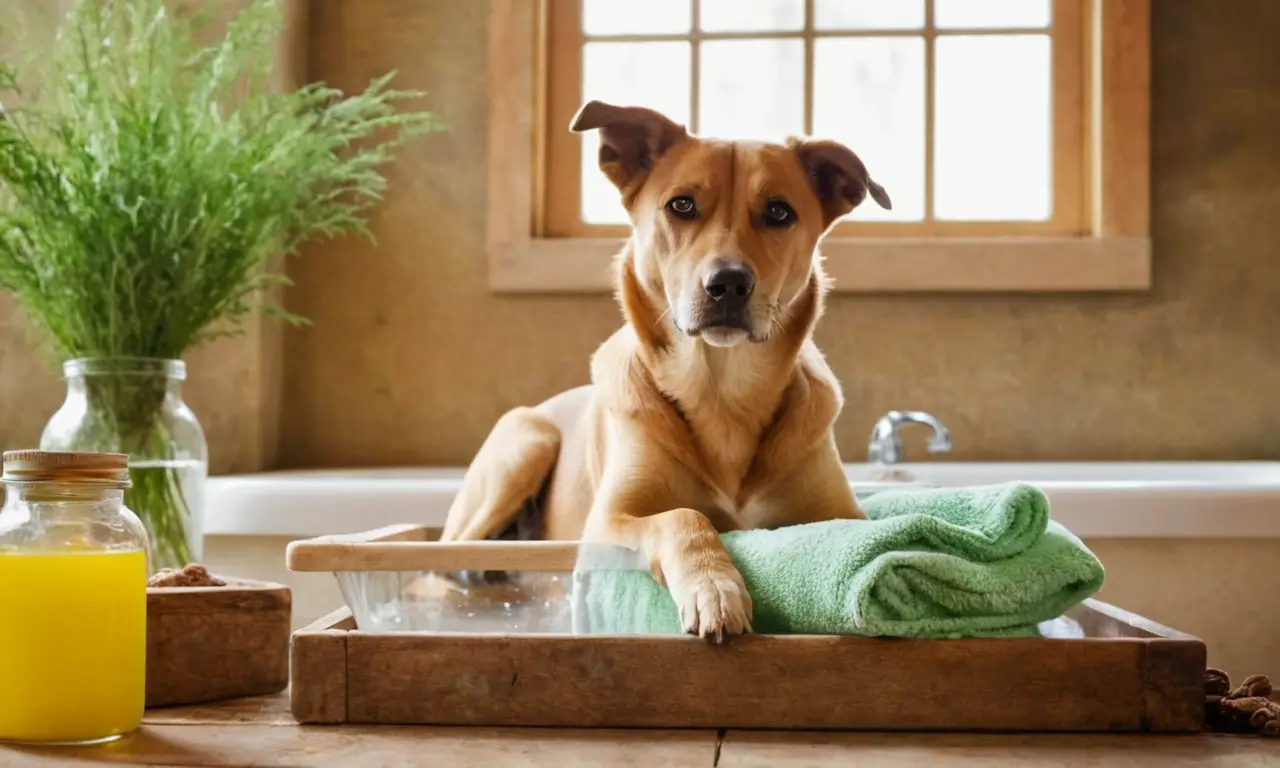
Dealing with fleas on your beloved canine companion can be a stressful and often costly endeavor. While commercial flea treatments abound, many pet owners are seeking more natural and cost-effective alternatives. This is where the magic of Homemade flea shampoo for dogs comes into play. Creating your own flea shampoo allows you to control the ingredients, avoid harsh chemicals, and tailor the solution to your dog's specific needs. This comprehensive guide will walk you through the benefits of using homemade flea shampoo, outline essential ingredients, provide step-by-step recipes, and offer crucial tips for safe and effective application. Whether you're looking for a gentle, soothing option or a more robust flea-fighting formula, this guide has you covered.
The prevalence of fleas is a common problem for dog owners worldwide. These tiny parasites can cause immense discomfort to your pet, leading to itching, scratching, skin irritation, and even more serious health issues like tapeworm infestations and allergic dermatitis. Traditional flea treatments, while effective, can sometimes contain synthetic pesticides that raise concerns for some owners regarding potential side effects or environmental impact. This has spurred a growing interest in natural remedies and DIY solutions. Making your own flea shampoo is not only an economical choice but also offers peace of mind knowing exactly what you're applying to your dog's skin and coat. It's an empowering way to take charge of your pet's well-being.
Why Choose Homemade Flea Shampoo for Dogs?
Opting for a Homemade flea shampoo for dogs offers a multitude of advantages over conventional store-bought options. Understanding these benefits can help solidify your decision to explore this natural approach:
- Natural Ingredients: You have complete control over the ingredients. This means you can avoid harsh chemicals, synthetic fragrances, artificial colors, and potential irritants often found in commercial shampoos. This is particularly beneficial for dogs with sensitive skin or allergies.
- Cost-Effective: Making your own flea shampoo is significantly cheaper than buying specialized treatments. The ingredients are often readily available in your pantry or at a low cost from local health food stores or online retailers.
- Customizable: You can tailor the shampoo to your dog's specific needs. For instance, if your dog has dry skin, you can add moisturizing ingredients. If they have a particularly stubborn flea problem, you can incorporate stronger natural flea-repelling agents.
- Reduced Exposure to Toxins: By using natural ingredients, you minimize your dog's exposure to potentially harmful chemicals. This is a crucial consideration for long-term pet health and well-being.
- Environmentally Friendly: Natural ingredients are generally better for the environment. You're not contributing to the chemical runoff associated with some commercial products.
- Soothing and Beneficial Properties: Many natural ingredients have inherent soothing, anti-inflammatory, and antiseptic properties that can benefit your dog's skin and coat, even beyond flea control.
Essential Ingredients for Homemade Flea Shampoo
When crafting your Homemade flea shampoo for dogs, selecting the right ingredients is paramount. These components work synergistically to repel and kill fleas while also nurturing your dog's skin and coat.
Here are some of the most effective and commonly used natural ingredients:
- Dish Soap (Mild): A small amount of mild dish soap, like Dawn, can be a surprisingly effective base. It acts as a surfactant, breaking down the outer layer of fleas, causing them to dehydrate and die. Crucially, use a very small amount to avoid stripping too much natural oil from your dog's skin.
- Vinegar (Apple Cider Vinegar or White Vinegar): Vinegar creates an environment that fleas find inhospitable. Its acidity helps to deter them and can also soothe itchy skin. Apple cider vinegar is often preferred due to its slightly milder scent and additional beneficial properties.
- Lemon: The citric acid in lemons is a natural flea deterrent. It can also help to clean and deodorize your dog's coat.
- Essential Oils (Diluted and Dog-Safe): Certain essential oils have potent flea-repelling properties. However, extreme caution and proper dilution are absolutely necessary as some essential oils can be toxic to dogs.
- Lavender Oil: Known for its calming properties and its ability to repel fleas and ticks.
- Peppermint Oil: A strong deterrent for fleas.
- Rosemary Oil: Repels fleas and can also stimulate hair growth.
- Citronella Oil: A classic insect repellent.
- Cedarwood Oil: Effective against fleas and ticks.
- Important Note on Essential Oils: Always use therapeutic-grade essential oils. Never use them undiluted. Research the specific safety guidelines for each oil concerning dogs. If you are unsure, it's best to omit essential oils or consult with a veterinarian or a certified aromatherapist specializing in pets.
- Castile Soap (Unscented): A natural, vegetable-based soap that is gentle on the skin and effective for cleaning.
- Baking Soda: Can help to neutralize odors and has some mild insecticidal properties.
- Oatmeal (Colloidal): Excellent for soothing itchy and irritated skin. It can be added to the rinse cycle or directly to the shampoo.
- Glycerin (Vegetable): A humectant that helps to retain moisture, keeping your dog's skin hydrated.
Simple and Effective Homemade Flea Shampoo for Dogs Recipes
Here are a few tried-and-true recipes for Homemade flea shampoo for dogs. Remember to always perform a patch test on a small area of your dog's skin 24 hours before a full bath to check for any adverse reactions.
Recipe 1: The Classic Lemon & Dish Soap Shampoo
This is a simple yet effective recipe that uses readily available ingredients.
Kidney Failure Cat Food: Delicious Homemade OptionsIngredients:
- 1 cup of warm water
- 1/4 cup of fresh lemon juice (strained to remove pulp and seeds)
- 1 tablespoon of mild dish soap (like Dawn, unscented if possible)
Instructions:
- In a clean bottle or jug, combine the warm water and lemon juice.
- Gently stir in the dish soap. Avoid creating excessive suds at this stage.
- Close the bottle and shake gently to mix the ingredients thoroughly.
- Let the mixture sit for at least a few hours, or preferably overnight, to allow the lemon's properties to infuse.
How to Use:
- Wet your dog thoroughly with warm water.
- Apply the shampoo, working it into a lather, focusing on areas where fleas are most commonly found (neck, base of the tail, groin).
- Let the shampoo sit on your dog for 5-10 minutes to allow the ingredients to work.
- Rinse your dog thoroughly with warm water until all traces of soap are gone.
- Follow up with a conditioner if desired.
- Repeat every few days or as needed until fleas are gone.
Recipe 2: The Soothing Apple Cider Vinegar Shampoo
This recipe combines the flea-repelling power of apple cider vinegar with the gentle cleansing of Castile soap.
Ingredients:
- 1 cup of warm water
- 1/4 cup of apple cider vinegar
- 1/4 cup of liquid Castile soap (unscented)
- Optional: 5-10 drops of dog-safe essential oil (e.g., lavender, rosemary - use with extreme caution and proper dilution)
Instructions:
- In a clean bottle or jug, combine the warm water and apple cider vinegar.
- Add the liquid Castile soap.
- If using essential oils, add them now.
- Gently swirl or shake to combine all ingredients.
How to Use:
Homemade Mosquito Repellent for Dogs: Natural & Safe Solutions- Wet your dog thoroughly with warm water.
- Apply the shampoo, lathering it into their coat. Be sure to get down to the skin.
- Allow the shampoo to sit for 5-10 minutes.
- Rinse thoroughly with warm water.
- Repeat as necessary.
Recipe 3: The Oatmeal & Baking Soda Rinse (For Itchy Skin & Flea Deterrence)
This is more of a rinse or a complementary treatment for dogs with itchy skin and flea issues.
Ingredients:
- 1 cup of colloidal oatmeal (finely ground oats)
- 1/4 cup of baking soda
- Warm water
Instructions:
- Mix the colloidal oatmeal and baking soda in a bowl.
- Gradually add warm water, stirring until you create a paste-like consistency.
How to Use:
- After shampooing your dog with one of the above recipes and rinsing, apply this paste to your dog's skin, especially on areas that are red or irritated.
- Gently massage it in.
- Let it sit for 5-10 minutes.
- Rinse thoroughly with warm water.
Tips for Safe and Effective Application
Using Homemade flea shampoo for dogs requires attention to detail and safety. Follow these tips for the best results:
- Patch Test: Always perform a patch test 24 hours before a full bath. Apply a small amount of the shampoo to a discreet area of your dog's skin (e.g., inner thigh) and observe for any redness, itching, or irritation.
- Dilution is Key: Never use concentrated ingredients. Always dilute essential oils and even vinegar and dish soap properly. Over-concentration can lead to skin irritation.
- Avoid Eyes and Ears: Be extremely careful to avoid getting shampoo in your dog's eyes, ears, or mouth. Use a washcloth to gently clean their face.
- Rinse Thoroughly: Incomplete rinsing can leave residue on your dog's skin, potentially causing irritation or attracting more dirt.
- Frequency of Baths: While homemade shampoos are gentler, avoid over-bathing your dog, as this can strip natural oils from their coat and lead to dry skin. Consult with your veterinarian about the appropriate bathing frequency for your dog's breed and coat type.
- Storage: Store your homemade flea shampoo in a cool, dark place. Since it contains no preservatives, it's best to make smaller batches that you can use within a week or two. Refrigeration can extend its shelf life.
- Drying: After the bath, dry your dog thoroughly with a clean towel. Damp fur can exacerbate skin issues.
- Consistency is Important: For persistent flea problems, you may need to bathe your dog regularly with your homemade shampoo.
- Complementary Treatments: Homemade shampoo is a great first line of defense, but for severe infestations, you may need to consider other natural flea control methods such as:
- Diatomaceous Earth (Food Grade): Sprinkle food-grade diatomaceous earth on your dog's bedding and around your home (following safety guidelines).
- Natural Flea Combs: Regularly comb your dog to physically remove fleas and eggs.
- Environment Control: Thoroughly clean your home, including vacuuming carpets, washing bedding, and treating your yard.
- Consult Your Veterinarian: If your dog's flea infestation is severe, or if they exhibit signs of significant discomfort, skin infections, or other health concerns, always consult your veterinarian. They can help diagnose the problem and recommend the best course of treatment, which may include conventional veterinary-approved medications. Homemade remedies can be a wonderful complement to veterinary care, but should not entirely replace it in serious cases.
When to Reconsider or Seek Professional Advice
While Homemade flea shampoo for dogs offers a natural and appealing alternative, it's crucial to recognize when it might not be sufficient or when professional advice is necessary.
- Severe Infestations: If your dog is heavily infested with fleas, a homemade shampoo might not be strong enough to eradicate the problem effectively. In such cases, your veterinarian can prescribe more potent treatments.
- Skin Infections: Flea bites can lead to secondary skin infections due to scratching. If your dog's skin is red, inflamed, oozing, or has a foul odor, they likely have a skin infection that requires veterinary attention.
- Allergic Reactions: Some dogs develop flea allergy dermatitis, a severe allergic reaction to flea saliva. This condition requires medical management by a veterinarian.
- Young Puppies or Senior Dogs: Puppies and senior dogs can be more sensitive to certain ingredients or less able to tolerate the stress of a full flea treatment. Always consult your vet before using any new treatment on these vulnerable age groups.
- Underlying Health Conditions: If your dog has any pre-existing health conditions, it's always best to discuss any new treatment, even a natural one, with your veterinarian.
The Power of Natural Pet Care
The journey towards Homemade flea shampoo for dogs is a testament to the growing movement towards natural and holistic pet care. By understanding the benefits of natural ingredients and taking a cautious, informed approach, you can create effective and safe flea treatments for your furry friend. Remember that patience and consistency are key. With the right approach, you can keep your dog comfortable, healthy, and flea-free, all while using the power of nature. Your dog's wagging tail and happy sighs will be the ultimate reward.
DIY Rabbit Toys: Fun & Safe Homemade Ideas
Cat Urinary Crystals: Types, Symptoms & Treatment Guide
Cat Weight: How Do I Know If My Cat Is Fat?
Encephalitis in Dogs: Symptoms, Causes & Treatment
Dog Cavities: Causes, Symptoms, and Treatment Options
Natural Flea Relief: Home Remedies for Fleas in Cats

Newborn Puppy Feeding Guide: From Birth to Weaning
Related posts