
Kidney Failure Cat Food: Delicious Homemade Options
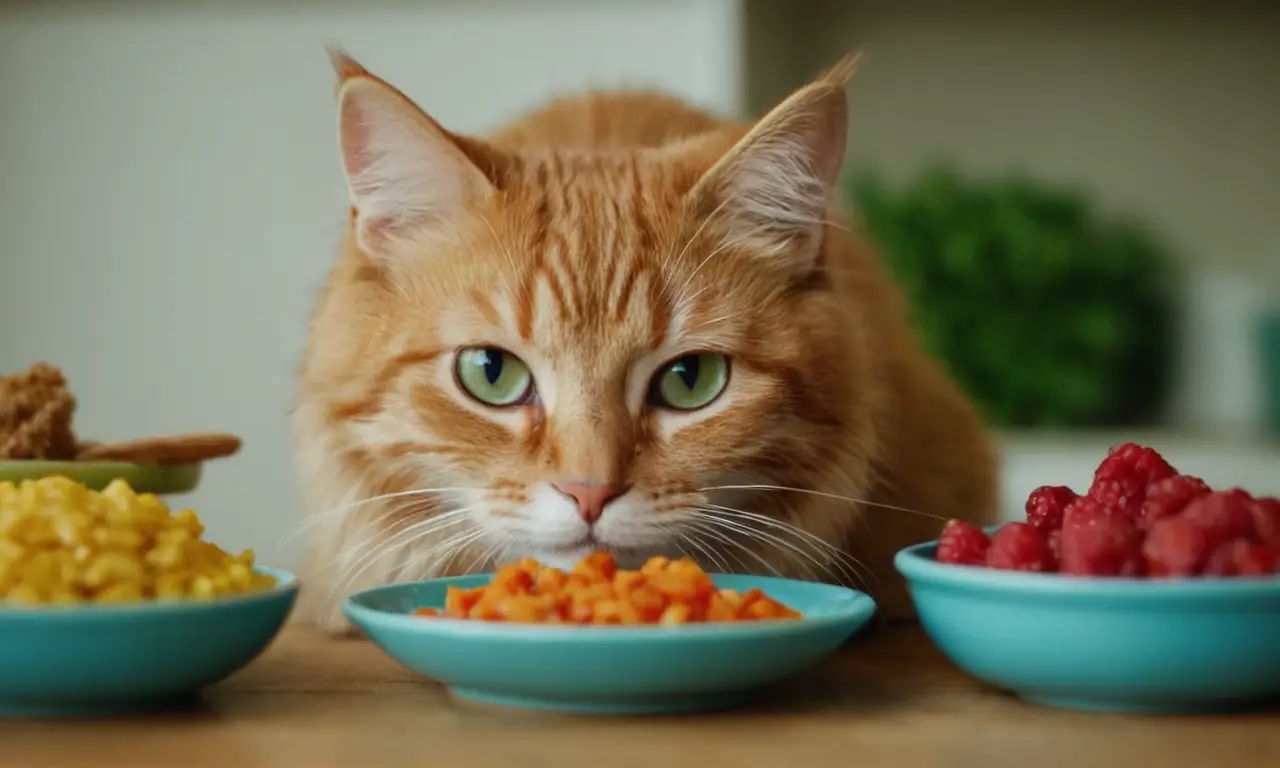
Homemade Food for Cats with Kidney Failure: A Compassionate Approach
Dealing with a feline companion diagnosed with kidney failure can be a heartbreaking experience, but it doesn't mean their quality of life has to diminish. While veterinary care and prescribed diets are paramount, many cat owners explore the possibility of supplementing their cat's nutrition with homemade food for cats with kidney failure. This comprehensive guide delves into the nuances of preparing such meals, focusing on safety, nutritional balance, and palatability for your beloved feline friend. We will explore the key considerations, essential ingredients, and the importance of veterinary consultation to ensure you are providing the best possible support for your cat's health.
𝙲𝚘𝚗𝚝𝚎𝚗𝚝
Understanding Feline Kidney Disease
Before embarking on the journey of preparing homemade food for cats with kidney failure, it's crucial to understand the disease itself. Feline kidney disease (CKD), also known as chronic renal failure, is a progressive and irreversible condition where the kidneys gradually lose their ability to filter waste products from the blood, regulate electrolytes, and produce essential hormones. This decline impacts various bodily functions, leading to a range of symptoms.
Symptoms of Kidney Failure in Cats:
- Increased thirst and urination: As kidneys struggle to concentrate urine, cats drink more and urinate more frequently.
- Loss of appetite and weight loss: Nausea and a buildup of toxins can lead to a decreased desire to eat.
- Vomiting: Toxin accumulation can irritate the stomach lining.
- Lethargy and weakness: Anemia and electrolyte imbalances can cause a general lack of energy.
- Bad breath (uremic breath): This is a distinct metallic or ammonia-like odor due to waste products in the blood.
- Poor coat condition: A dull, unkempt coat can be a sign of underlying illness.
- Mouth sores or ulcers: Toxins can affect the oral cavity.
- Constipation: Dehydration can contribute to difficulty with bowel movements.
The Role of Diet in Managing CKD
Diet plays a pivotal role in slowing the progression of CKD and improving the quality of life for affected cats. The primary goals of a kidney-friendly diet are to:
- Reduce the workload on the kidneys: This involves limiting phosphorus, protein, and sodium.
- Maintain hydration: Essential for flushing out toxins.
- Provide adequate calories and nutrients: To prevent weight loss and maintain muscle mass.
- Manage electrolyte imbalances: Such as potassium and sodium.
- Control nausea and vomiting: Through palatable and easily digestible food.
Key Considerations for Homemade Food
Preparing homemade food for cats with kidney failure requires careful planning and a deep understanding of feline nutritional needs. It is imperative to consult with your veterinarian or a board-certified veterinary nutritionist before making any significant changes to your cat's diet. They can help you formulate a balanced recipe tailored to your cat's specific stage of kidney disease and individual needs.
Homemade Mosquito Repellent for Dogs: Natural & Safe SolutionsEssential Nutritional Modifications:
- Phosphorus Restriction: This is one of the most critical aspects of a kidney diet. High phosphorus levels can exacerbate kidney damage and lead to secondary health problems. You'll need to carefully select low-phosphorus ingredients and avoid high-phosphorus sources like bone meal, certain organ meats, and dairy products.
- Controlled Protein Intake: While cats are obligate carnivores, a moderately reduced, high-quality protein diet is often recommended for CKD cats. The protein should be highly digestible and from animal sources to meet their essential amino acid requirements without overwhelming the kidneys.
- Adequate Fat Content: Fat provides essential calories and can improve palatability. Healthy fat sources can help maintain body weight and provide energy.
- Sodium Restriction: Lowering sodium intake can help manage blood pressure and fluid retention, which are common issues in CKD cats.
- Potassium Balance: Kidney disease can lead to potassium imbalances. Your veterinarian will guide you on whether your cat needs potassium supplementation or restriction.
- B Vitamins: Cats with CKD may lose B vitamins through increased urination, so supplementation might be necessary.
- Omega-3 Fatty Acids: These have anti-inflammatory properties and can be beneficial for kidney health.
Palatability is Key
Even the most nutritionally perfect homemade food for cats with kidney failure will be ineffective if your cat refuses to eat it. Cats with CKD often experience nausea and a reduced sense of smell, making them finicky eaters. Therefore, focusing on appealing textures, aromas, and flavors is crucial.
- Warmth: Gently warming the food can enhance its aroma and appeal.
- Moisture: Adding a bit of low-sodium broth or water can increase moisture content, aiding hydration and making the food easier to eat.
- Variety: While consistency is important, introducing slight variations in texture or flavor (within the approved ingredients) might help stimulate appetite.
- Small, Frequent Meals: Offering smaller portions more frequently can be easier on a compromised digestive system and encourage consistent intake.
Safe and Beneficial Ingredients for Homemade Cat Food
When preparing homemade food for cats with kidney failure, the selection of ingredients is paramount. Always prioritize fresh, high-quality ingredients and, as mentioned repeatedly, consult with your veterinarian or a veterinary nutritionist for precise quantities and specific recommendations.
Protein Sources (Low Phosphorus, High Quality):
- Chicken breast/thigh (skinless, boneless): A good source of lean protein.
- Turkey breast (skinless, boneless): Similar to chicken, a lean protein option.
- Lean beef (very small amounts, lean cuts): Ensure it's very lean to minimize phosphorus.
- White fish (cooked, deboned, e.g., cod, tilapia): These are generally lower in phosphorus than red meats and some other fish. Avoid dark-meat fish like tuna or salmon in large quantities due to higher phosphorus and potential mercury content.
Carbohydrate Sources (Low Phosphorus, Easily Digestible):
- White rice (cooked): A good source of digestible carbohydrates.
- Sweet potato (cooked, peeled): Provides fiber and vitamins, but use in moderation due to moderate phosphorus.
- Pumpkin (cooked, plain): Excellent for digestive health and can help with constipation.
Healthy Fat Sources:
- Chicken fat or turkey fat (rendered from the meat): Provides essential fatty acids and calories.
- Fish oil (purified, specifically for pets): A great source of omega-3 fatty acids. Ensure it's high-quality and appropriate for cats. Do not use human-grade oils without veterinary approval.
Vegetables (Low Phosphorus, Nutrients):
- Green beans (cooked): Low in phosphorus and a good source of fiber.
- Broccoli (cooked, small amounts): Provides vitamins and fiber.
- Carrots (cooked, small amounts): A source of vitamins, but use in moderation.
- Zucchini (cooked): Easily digestible and low in phosphorus.
Essential Supplements (as recommended by your veterinarian):
- Taurine: Crucial for feline heart health, as it's not synthesized by cats.
- Vitamins (especially B vitamins): To compensate for losses.
- Minerals (e.g., calcium, potassium): To maintain electrolyte balance.
- Omega-3 Fatty Acids (EPA & DHA): For their anti-inflammatory properties.
Ingredients to Strictly Avoid
Certain ingredients can be detrimental to cats with kidney failure. It is crucial to be aware of these and exclude them from any homemade food for cats with kidney failure.
- High-Phosphorus Ingredients:
- Bone meal or bone broth (unless specifically formulated for renal diets by a vet)
- Organ meats (liver, kidney, heart) in large quantities. Small amounts of lean organ meat might be acceptable if specifically recommended by a vet.
- Dairy products (milk, cheese, yogurt) - lactose intolerance is common in cats, and these are also often high in phosphorus.
- Egg yolks (high in phosphorus)
- Certain fish (e.g., sardines, anchovies, salmon roe)
- High Sodium Ingredients:
- Table salt
- Canned meats packed in brine
- Commercial broths or stocks (unless specifically labeled low-sodium and vet-approved)
- Salty treats or human food scraps
- High Protein Ingredients (that are not high-quality and easily digestible):
- Large amounts of red meat.
- Inclusion of skin and bones in protein sources.
- Onions, Garlic, Chives: These are toxic to cats and can cause red blood cell damage.
- Grapes and Raisins: Can cause kidney failure in cats.
- Artificial Sweeteners and Preservatives: Can be harmful.
- Xylitol: Highly toxic to cats.
Sample Recipe Framework (Consult Your Vet First!)
This is a general framework and must be adjusted based on your veterinarian's specific recommendations and your cat's individual needs.
DIY Rabbit Toys: Fun & Safe Homemade IdeasBase Protein: Cooked, skinless, boneless chicken breast or turkey breast.
Digestible Carbohydrate: Cooked white rice or small amount of cooked sweet potato.
Moisture/Flavor: A small amount of cooked, boneless white fish like cod.
Vegetable: Cooked green beans or plain pumpkin puree.
Fat Source: A small amount of rendered chicken fat or approved fish oil.
Supplements: As prescribed by your veterinarian.
Preparation Steps:
- Cook Proteins: Boil or bake chicken and turkey until thoroughly cooked.
- Cook Carbohydrates: Cook white rice according to package directions. Cook sweet potato until tender.
- Cook Fish/Vegetables: Steam or boil white fish and green beans until tender.
- Process Ingredients: Once cooked and slightly cooled, mince or blend all ingredients to a consistency your cat prefers. You might need a food processor for a smooth pate or a coarser chop for a chunkier texture.
- Add Fat & Supplements: Stir in the approved fat source and any prescribed supplements thoroughly.
- Adjust Moisture: Add a small amount of filtered water or low-sodium chicken broth (vet-approved) to reach the desired consistency.
- Portion and Store: Divide into single-serving portions and refrigerate for up to 3 days or freeze for longer storage. Thaw individual portions in the refrigerator.
Important Note: Always cook all ingredients thoroughly to eliminate the risk of foodborne illnesses.
The Importance of Veterinary Collaboration
Making homemade food for cats with kidney failure is not a DIY project that can be undertaken without professional guidance. Your veterinarian is your most valuable resource. They can:
Homemade Serum for Dehydrated Dogs: Essential Hydration Guide- Diagnose and Stage CKD: Accurately determining the stage of kidney disease is crucial for dietary management.
- Recommend Specific Nutritional Profiles: Based on blood work and urine analysis, they can advise on the precise levels of phosphorus, protein, sodium, and other nutrients.
- Formulate Custom Recipes: They can work with you or a veterinary nutritionist to create safe, balanced, and palatable recipes.
- Monitor Your Cat's Progress: Regular check-ups are essential to assess the effectiveness of the diet and make necessary adjustments.
- Identify and Manage Complications: They can address secondary issues that arise with CKD, such as anemia, hypertension, and electrolyte imbalances.
Transitioning to Homemade Food
Introducing homemade food for cats with kidney failure requires a gradual transition to avoid digestive upset.
- Start Slowly: Begin by mixing a very small amount (e.g., 10%) of the new homemade food with their current food.
- Gradually Increase: Over a week to ten days, slowly increase the proportion of homemade food while decreasing the old food.
- Observe Your Cat: Watch for any signs of digestive distress, such as vomiting, diarrhea, or loss of appetite. If these occur, slow down the transition or revert to a previous ratio.
- Patience is Key: Some cats may take longer to adjust than others.
In summary
Providing homemade food for cats with kidney failure can be a rewarding way to offer comfort and support to your feline friend. However, it demands meticulous attention to detail, a deep understanding of feline nutrition, and, most importantly, a strong partnership with your veterinarian. By working together, you can create a diet that not only meets your cat's complex nutritional needs but also delights their palate, enhancing their quality of life during a challenging time. Remember, the goal is to provide nourishment that supports their remaining kidney function, alleviates symptoms, and allows them to live as comfortably and happily as possible. Always prioritize safety, balance, and professional veterinary advice when embarking on this journey.
Cat Urinary Crystals: Types, Symptoms & Treatment Guide
Cat Weight: How Do I Know If My Cat Is Fat?

Encephalitis in Dogs: Symptoms, Causes & Treatment
Dog Cavities: Causes, Symptoms, and Treatment Options
Natural Flea Relief: Home Remedies for Fleas in Cats

Newborn Puppy Feeding Guide: From Birth to Weaning
Related posts