

How Do Cats Mark Territory & Affection? A Deep Dive
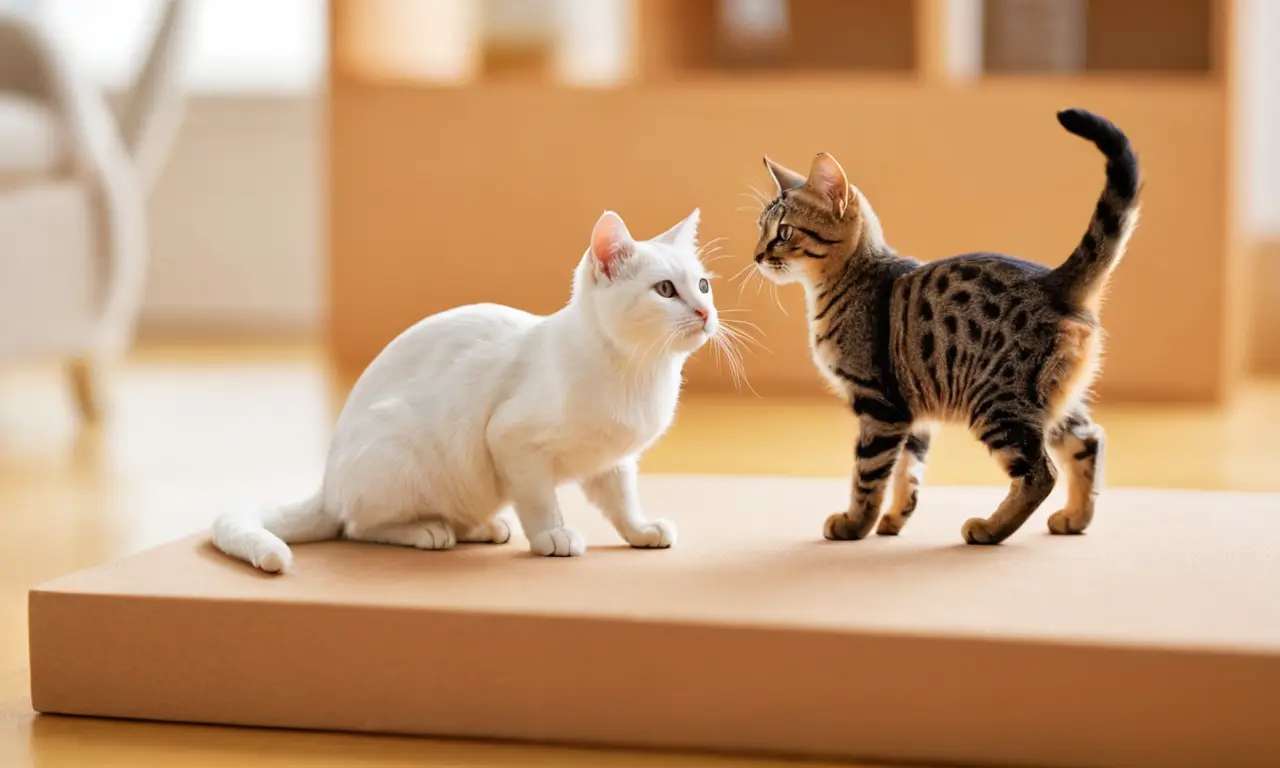
Understanding Cat Marking: A Comprehensive Guide
Cats, our enigmatic feline companions, communicate and interact with their environment and each other through a sophisticated system of behaviors, with marking being a cornerstone of their communication. This intricate process isn't just about claiming territory; it's a nuanced language of scent, visuals, and even sound, conveying a multitude of messages from ownership and security to social status and well-being. To truly understand our cats, we must delve into the fascinating world of how do cats mark? This article will explore the diverse methods cats employ to mark their territory and express themselves, offering insights into their natural instincts and how we can better interpret their actions.
The Multifaceted World of Cat Marking
Cat marking is a complex behavior rooted in their evolutionary history as solitary hunters who needed to delineate their hunting grounds and signal their presence to both rivals and potential mates. While domestication has softened some of these instincts, the underlying drives remain potent. Understanding these marking behaviors is crucial for pet owners, not only to appreciate their cats' natural communication but also to address potential behavioral issues that may arise. From the familiar act of scratching to the less obvious rubbing and even spraying, each method serves a distinct purpose in a cat's intricate social and territorial landscape.
Scratching: More Than Just Sharpening Claws
Scratching is perhaps the most recognizable form of cat marking. While it undeniably serves to shed the outer layer of their claws, keeping them sharp and healthy, it's also a primary method of territorial marking. When a cat scratches a surface, they leave behind both a visual mark and a scent signal.
- Visual Markers: The claw marks themselves are a visual deterrent to other cats, indicating that the area has been claimed. These scratches can be found on furniture, carpets, scratching posts, and even trees in outdoor environments.
- Scent Glands: Embedded within a cat's paw pads are specialized scent glands. When they scratch, these glands release pheromones, unique chemical signals that are imperceptible to humans but highly informative to other felines. These pheromones convey a wealth of information, including the cat's identity, their reproductive status, and the recency of their marking.
Providing appropriate scratching surfaces is paramount for redirecting this natural behavior away from household items. Offering a variety of textures and orientations (vertical, horizontal, angled) ensures that your cat can satisfy their scratching needs while preserving your furniture.
Rubbing and Bunting: Affectionate and Territorial Signals
Cats use their heads, cheeks, and bodies to rub against objects and people, a behavior known as "bunting" or "rubbing." This action is another significant form of scent marking, far more subtle than scratching or spraying.
- Facial Scent Glands: Cats possess numerous scent glands on their faces, particularly around their mouths, chins, and temples. When they rub their heads against you, furniture, or other pets, they are depositing these feline pheromones.
- Creating a "Group Scent": In multi-cat households, rubbing and bunting can contribute to the creation of a "group scent." This shared olfactory signature helps to foster a sense of familiarity and security among the resident cats, reinforcing their bond and reducing inter-cat tension.
- Affection and Bonding: Beyond territorial marking, rubbing is also a strong indicator of affection. When your cat enthusiastically rubs against your legs, they are not only marking you as part of their social group but also expressing their contentment and desire for interaction.
Observing where and how often your cat rubs can offer valuable insights into their comfort levels and their perception of their environment.
Is My Cat Deaf? Signs & Diagnosis ExplainedUrine Spraying: A More Assertive Marking Behavior
Urine spraying is a more assertive form of marking that cats typically reserve for situations where they feel the need to communicate more strongly. While it can be a natural behavior, excessive spraying can sometimes indicate stress or insecurity.
- Vertical Surfaces: Unlike urination, which is usually directed downwards, spraying involves a cat standing with their rear end towards a vertical surface and expelling a small amount of urine. The urine often lands higher than a typical puddle.
- Concentrated Pheromones: Cat urine contains a complex cocktail of pheromones, and when sprayed, these signals are deposited in a way that maximizes their dissemination and longevity. This makes it a highly effective way to communicate important messages.
- Reasons for Spraying:
- Territorial Defense: To warn off intruders or rival cats.
- Sexual Signaling: Unspayed females in heat will spray to attract males, and unneutered males will spray to signal their presence and readiness to mate.
- Stress and Insecurity: Changes in the household, new pets, or perceived threats can trigger spraying as a way for the cat to re-establish a sense of familiarity and control.
- Medical Issues: In some cases, spraying can be a symptom of underlying medical conditions, such as urinary tract infections.
If you are experiencing issues with urine spraying, it is crucial to consult with your veterinarian to rule out any medical causes and then explore behavioral modification strategies. Neutering or spaying can significantly reduce or eliminate spraying related to reproductive hormones.
Other Forms of Marking: Less Common but Significant
While scratching, rubbing, and spraying are the most prevalent marking behaviors, cats employ other, less obvious methods to communicate and mark their territory.
- Fecal Marking: In some instances, cats may leave small amounts of feces in prominent locations as a territorial marker. This is less common than other methods and can sometimes be an indicator of stress or anxiety.
- Vocalization: While not scent marking, vocalizations like meowing, purring, and hissing can also serve communicative purposes related to territory and social status. A confident cat might meow assertively, while an anxious cat might vocalize more persistently.
- Body Posture and Stance: A cat's physical stance can also communicate territorial claims. A cat that is relaxed and confident in their territory will carry themselves differently than one who is feeling threatened or insecure.
Why Do Cats Mark? Understanding the Motivations
The fundamental question of how do cats mark? leads to understanding the underlying motivations. These motivations are deeply ingrained and serve essential functions for a cat's well-being and social interactions.
-
Territorial Demarcation: This is the most widely understood reason. Cats are territorial animals, and marking is their way of defining their safe spaces, hunting grounds, and social domains. It signals to other cats, "This is mine."
-
Communication with Other Cats: Marking serves as a silent, scent-based form of communication. It allows cats to convey information about their identity, social status, reproductive state, and even their emotional condition to other felines within their environment.
Cat Weight: How Do I Know If My Cat Is Fat? -
Establishing Familiarity and Security: By depositing their scent, cats create a familiar and comforting olfactory landscape. This is especially important in their home environment, where they need to feel secure and in control.
-
Attracting Mates: For intact cats, marking plays a crucial role in the reproductive cycle. Scent marking can signal their availability to potential mates and attract them to their territory.
-
Reducing Stress and Anxiety: In situations where a cat feels insecure or threatened, marking can be a coping mechanism. By re-marking their territory, they can reassert a sense of ownership and predictability in their environment, which can help alleviate stress.
Interpreting Cat Marking Behaviors
As cat owners, learning to interpret these marking behaviors is key to fostering a harmonious relationship with our feline friends.
- Observe the location: Is the marking occurring on furniture, doorways, windows, or other prominent areas? This can provide clues about what your cat is trying to communicate.
- Consider the method: Is it scratching, rubbing, spraying, or a combination? Each method has its own significance.
- Note the frequency and intensity: Is the marking a new behavior, or has it always been present? Is it happening more frequently or with greater intensity than usual?
- Assess the context: Are there any recent changes in the household that might be causing stress or anxiety? New pets, a change in routine, or even a new piece of furniture can trigger marking behaviors.
When Marking Becomes a Problem
While marking is a natural and essential cat behavior, it can become problematic when it occurs excessively or in inappropriate locations.
- Inappropriate Scratching: If your cat is consistently scratching furniture despite having ample scratching posts.
- Excessive Urine Spraying: This can be particularly distressing and lead to sanitation issues.
- Fecal Spotting: Leaving small amounts of feces outside the litter box.
If you are facing such issues, it is important to seek professional advice.
Cat Heatstroke Signs: How Do I Know If My Cat Is Hot?- Veterinary Consultation: Always begin by ruling out any underlying medical conditions.
- Behavioral Modification: A feline behaviorist can help identify the root cause of the problem and develop a tailored plan to address it. This might involve environmental enrichment, scent-based deterrents, or training techniques.
In summary: A Deeper Understanding of Our Feline Friends
The question how do cats mark? opens a window into the intricate world of feline communication and behavior. From the subtle rubbing of cheeks to the assertive spray of urine, each marking behavior serves a purpose, enriching our understanding of these fascinating creatures. By observing, interpreting, and responding appropriately to their marking cues, we can build stronger bonds with our cats, ensure their well-being, and create a more harmonious living environment for everyone. Appreciating the complexity of their territorial and social signaling allows us to move beyond simple annoyance and instead foster a deeper, more respectful connection with our feline companions.
Cat Urinary Crystals: Types, Symptoms & Treatment Guide

Cat Weight: How Do I Know If My Cat Is Fat?

Encephalitis in Dogs: Symptoms, Causes & Treatment

Dog Cavities: Causes, Symptoms, and Treatment Options

Natural Flea Relief: Home Remedies for Fleas in Cats

Newborn Puppy Feeding Guide: From Birth to Weaning
Related posts