

Cesarean Section in Cats: When is it Necessary?
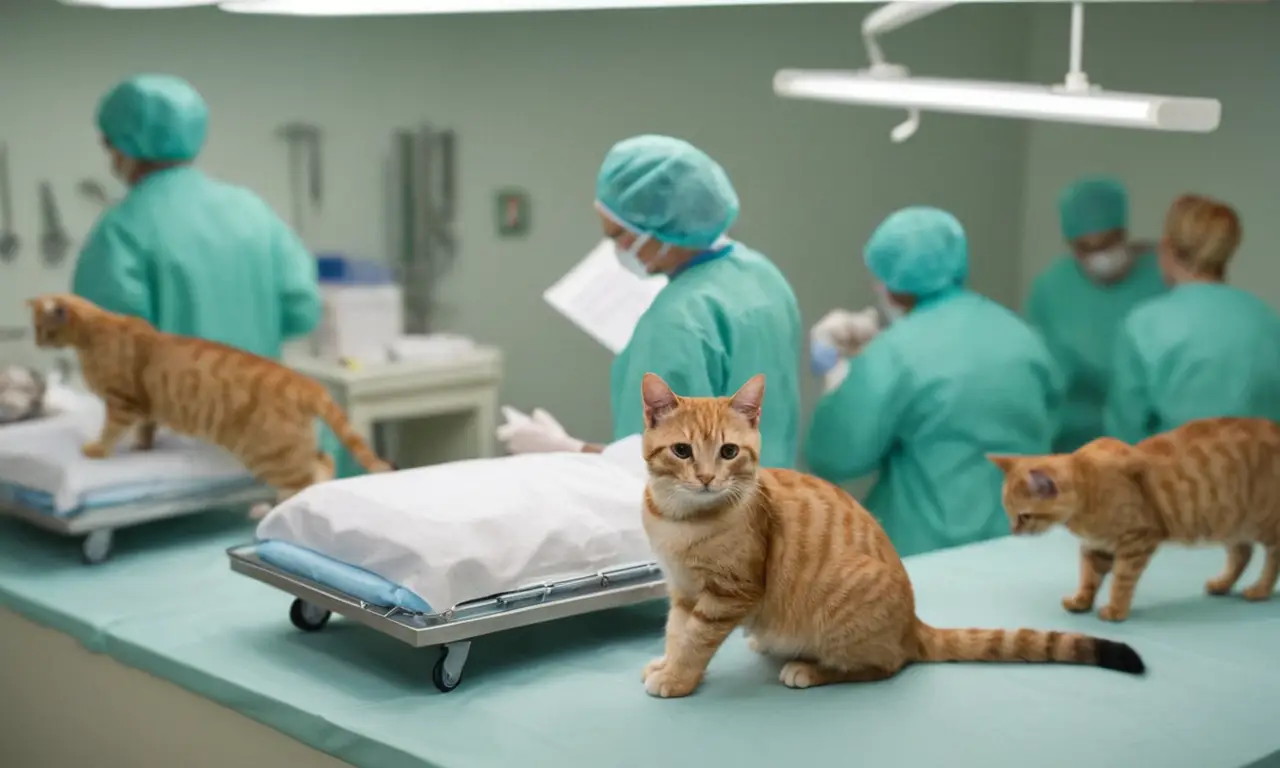
Cesarean Section in Cats: When is it Necessary?
A Cesarean section, often referred to as a C-section, is a surgical procedure that delivers kittens through an incision in the mother cat's abdomen and uterus. While natural birth is the norm for felines, certain complications can arise, making a C-section a life-saving intervention for both the mother and her offspring. Understanding the signs that indicate a cat might need this procedure is crucial for any cat owner anticipating a litter. This article delves into the circumstances that necessitate a C-section, the signs to watch for, the procedure itself, and post-operative care.
𝙲𝚘𝚗𝚝𝚎𝚗𝚝
Understanding Feline Reproduction and Labor
Before discussing C-sections, it's helpful to understand the typical feline birthing process. Cats have a gestation period of approximately 63 to 67 days. As labor approaches, a cat may exhibit nesting behaviors, such as seeking out quiet, secluded areas. During labor, contractions become visible, and eventually, kittens are expelled, typically within a few hours. A normal labor is usually uneventful. However, complications can occur, leading to situations where veterinary intervention is essential.
When is a Cesarean Section Necessary for a Cat?
The decision to perform a C-section is never taken lightly. It's a major surgery reserved for situations where the risk of natural birth outweighs the risks of surgery. The primary reasons for a C-section fall into two main categories: maternal distress and fetal distress or inability to be delivered naturally.
Decoding Canine Anger: Signs Your Dog is UpsetMaternal Causes Requiring a C-Section
- Pelvic Abnormalities: If the mother cat has a pelvis that is too narrow due to injury, disease, or abnormal development, kittens may not be able to pass through the birth canal. This is often referred to as cephalopelvic disproportion.
- Uterine Inertia: This is a condition where the uterus fails to contract effectively, preventing or halting labor. It can be primary (the uterus never developed the ability to contract strongly) or secondary (the uterus becomes exhausted after prolonged labor).
- Metabolic Diseases: Conditions like hypocalcemia (low calcium levels) can impair uterine contractions and necessitate a C-section.
- Severe Maternal Illness: If the mother cat is critically ill or suffering from a condition that makes natural birth dangerous for her, a C-section might be recommended.
- Previous Uterine Surgery: Cats that have had previous uterine surgeries, especially for uterine torsion or rupture, may have a higher risk of complications during future pregnancies.
- Age: Very young or very old cats can sometimes experience more birthing difficulties.
Fetal Causes Requiring a C-Section
- Fetal Malformations: Kittens born with severe deformities, such as hydrocephalus (water on the brain) or anasarca (generalized swelling), may be too large or abnormally shaped to pass through the birth canal.
- Fetal Position Abnormalities: While cats can often correct abnormal fetal positions during labor, sometimes a kitten can get stuck in an unmanageable position.
- Fetal Distress or Demise: If kittens are in distress within the uterus or have died, their presence can complicate labor and may necessitate removal via C-section to prevent further harm to the mother.
- Oversized Litter: In rare cases, a very large litter can overwhelm the mother's ability to deliver them all naturally, although this is less common than other causes.
How do I know if my cat needs a cesarean section?
Recognizing the signs that your cat might need a C-section is critical. It often involves observing her behavior and physical condition during the later stages of pregnancy and labor.
Signs of Impending Labor and Potential Complications
- Behavioral Changes: In the days leading up to birth, your cat will likely become restless, seek out a quiet nesting place, stop eating, and may vocalize more. These are normal signs. However, prolonged restlessness or refusal to nest can be concerning.
- Changes in Vaginal Discharge: A small amount of clear or slightly bloody mucus is normal during the early stages of labor. However, dark green, foul-smelling, or excessive bloody discharge can indicate a problem with the placenta or a fetal issue.
- Lack of Contractions or Weak Contractions: If your cat appears to be in labor, with visible abdominal contractions, but no kittens are being born after a reasonable period (e.g., several hours of active pushing), this could be uterine inertia.
- Prolonged Labor: Normal cat labor can take several hours. However, if your cat has been actively pushing for more than 1-2 hours without producing a kitten, or if there is a significant pause between kittens (more than 2-4 hours) and she seems exhausted, this is a major red flag.
- Visible Distress: If your cat seems lethargic, weak, in pain, panting excessively, or unresponsive during labor, these are signs of serious distress.
- Fever: An elevated body temperature can indicate an infection or other serious complication.
- Vomiting: While occasional vomiting can occur during labor, persistent or severe vomiting is a cause for concern.
- Lack of Fetal Movement: If you know your cat is pregnant and can feel fetal movements, and these movements suddenly cease, it could indicate fetal distress.
The Role of the Veterinarian
It's important to emphasize that the definitive diagnosis and decision to perform a C-section rest with a qualified veterinarian. If you suspect your cat is having trouble giving birth, contact your vet immediately. They will assess the situation using:
- Physical Examination: Assessing the mother's vital signs, hydration, and her abdomen for any abnormalities.
- Radiographs (X-rays): X-rays are invaluable in determining the number of kittens, their size, their position, and whether there is cephalopelvic disproportion. They can also help detect fetal malformations or death.
- Ultrasound: Ultrasound can assess fetal viability, heartbeats, and can be useful in earlier stages of pregnancy to monitor progress.
- Blood Tests: To check for metabolic imbalances like hypocalcemia.
The Cesarean Section Procedure
Once the decision for a C-section is made, the procedure will be performed by a veterinarian, usually at a veterinary clinic or hospital.
Is My Dog Fat? Simple Ways to Tell & Solutions- Anesthesia: The mother cat will be sedated and then anesthetized to ensure she is pain-free and immobile during the surgery. The type of anesthesia used will depend on the cat's condition.
- Preparation: The surgical area (the abdomen) will be shaved and surgically prepped to maintain a sterile field.
- Incision: A surgical incision is made through the abdominal wall, and then through the uterine wall. The uterine incision is carefully made to minimize bleeding and allow for the extraction of the kittens.
- Delivery of Kittens: The kittens are gently removed from the uterus. If they are not breathing well, they may require immediate resuscitation, such as clearing their airways or stimulating breathing. The umbilical cords are clamped and cut.
- Uterine Repair: The incisions in the uterus are closed with dissolvable sutures.
- Abdominal Closure: The abdominal wall is closed in layers, usually with sutures or surgical staples.
- Recovery: The mother cat is moved to a recovery area where she is closely monitored as she wakes up from anesthesia. Pain medication will be administered to manage post-operative discomfort.
Post-Operative Care for a Cat After a C-Section
Caring for a cat after a C-section requires dedication and attention to detail to ensure a smooth recovery for both mother and kittens.
Immediate Post-Operative Care
- Monitoring: The mother cat will need constant monitoring for the first 24-48 hours. This includes checking her vital signs, incision site, and her interaction with her kittens.
- Pain Management: Your veterinarian will prescribe pain medication. It's crucial to administer this as directed to keep the mother comfortable.
- Kitten Care: The mother cat will be encouraged to nurse her kittens. If she is very weak or disoriented, you may need to assist with feeding the kittens with a special kitten milk replacer. Ensure the kittens are warm and have access to their mother.
- Litter Box: Keep the litter box clean and easily accessible. The mother may need assistance getting to it initially.
Long-Term Recovery
- Incision Care: The surgical incision should be checked daily for signs of infection, such as redness, swelling, discharge, or a foul odor. Your vet will advise you on whether the sutures need to be removed or if they are dissolvable. The cat should be prevented from licking or chewing at the incision site; an Elizabethan collar (cone) may be necessary.
- Activity Restriction: For several weeks, the mother cat's activity should be restricted. No jumping, running, or rough play. Leash walks might be recommended for elimination needs.
- Nutrition: The mother cat will need a high-quality, nutrient-rich diet to support milk production and healing. Your vet may recommend a specific food.
- Kitten Development: Continue to monitor the kittens for signs of distress, poor weight gain, or other issues. Ensure they are nursing well and keeping warm.
- Veterinary Follow-up: Schedule a follow-up appointment with your veterinarian to check the incision site and overall recovery.
Can a Cat Have a Natural Birth After a C-Section?
While a C-section is a major abdominal surgery, it is often possible for a cat to have a natural birth in subsequent pregnancies. However, the veterinary team will assess the uterine scarring and the overall health of the mother to make this determination. It's crucial to discuss future breeding plans with your veterinarian if your cat has undergone a C-section.
In summary
A Cesarean section is a vital surgical procedure that can save the lives of cats and their kittens when natural birth becomes impossible or dangerous. Recognizing the signs of potential complications during pregnancy and labor, such as prolonged labor, severe distress, or abnormal discharge, is key to seeking timely veterinary assistance. How do I know if my cat needs a cesarean section? By understanding the normal birthing process, being vigilant for warning signs, and promptly consulting with a veterinarian, you can help ensure the best possible outcome for your feline companion and her precious litter. The close collaboration between a concerned owner and a skilled veterinarian is paramount in these critical moments of feline reproduction.
Dog Health: Recognizing Signs Your Dog Is Sick
Cat Urinary Crystals: Types, Symptoms & Treatment Guide
Cat Weight: How Do I Know If My Cat Is Fat?

Encephalitis in Dogs: Symptoms, Causes & Treatment
Dog Cavities: Causes, Symptoms, and Treatment Options
Natural Flea Relief: Home Remedies for Fleas in Cats

Newborn Puppy Feeding Guide: From Birth to Weaning
Related posts