

Recognizing Cat Labor Signs: Your Guide to Birthing Cats
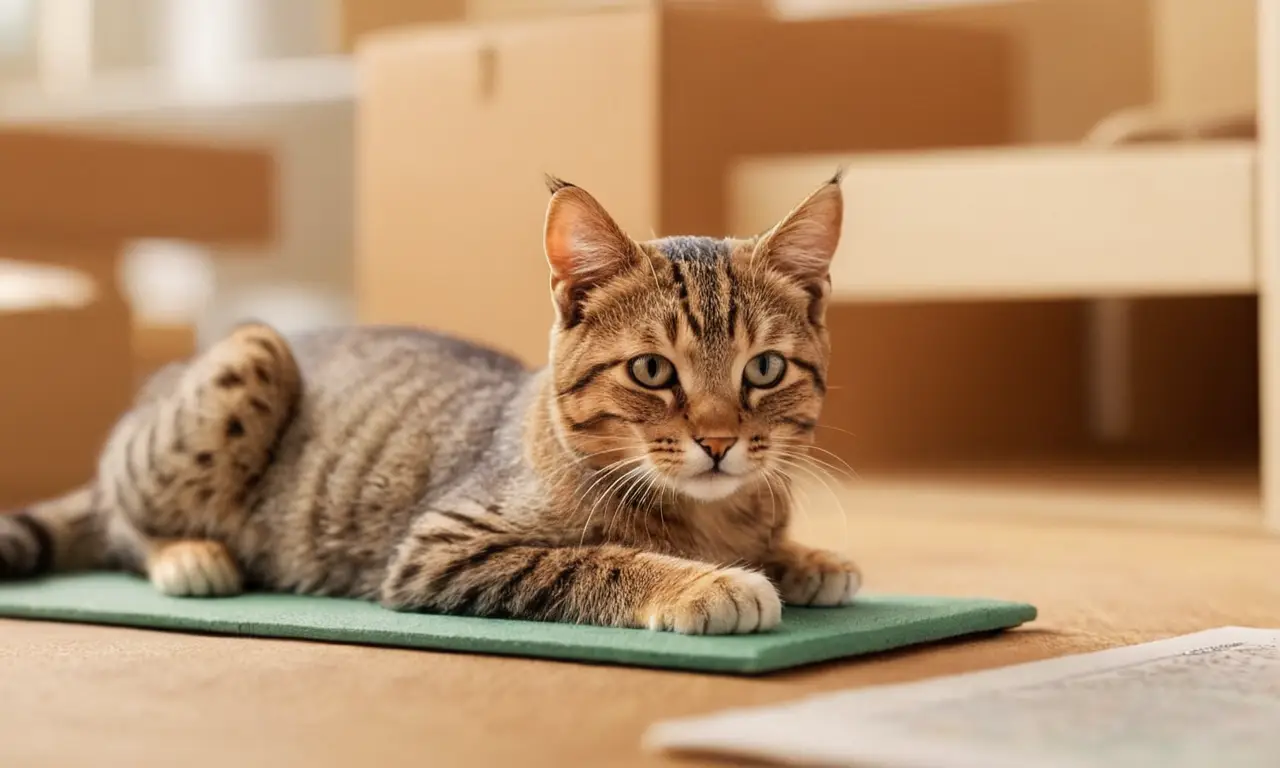
Recognizing Cat Labor Signs: A Comprehensive Guide for Expecting Owners
Welcoming new kittens into your home is a joyous occasion, but it can also be a source of anxiety for first-time cat parents. Understanding the signs that indicate your feline friend is going into labor is crucial for ensuring a smooth and safe birthing process. This comprehensive guide will walk you through the stages of cat labor, the tell-tale signs to look for, and what you can do to support your cat during this critical time.
Cats, like many mammals, undergo a series of physiological changes as their bodies prepare to give birth. These changes can be subtle at first, gradually becoming more pronounced as labor progresses. Being observant and prepared can significantly reduce stress for both you and your cat, allowing for a more positive experience for everyone involved. The key to knowing how do you know if a cat is in labor? lies in recognizing these evolving behaviors and physical cues.
𝙲𝚘𝚗𝚝𝚎𝚗𝚝
Pre-Labor Signs: The Calm Before the Storm
Before actual labor begins, your cat will likely exhibit several behavioral and physical changes that signal the impending arrival of her kittens. These pre-labor signs can start a few days to a few hours before birth.
Nesting Behavior
One of the most common and obvious signs is nesting. Your pregnant cat will instinctively start seeking out a quiet, secluded, and safe place to give birth. This "nest" is often a warm, dark, and comfortable spot where she feels secure.
- Common Nesting Locations:
- Wardrobes or closets
- Under beds
- In laundry baskets or boxes
- Behind furniture
- Anywhere she deems private and cozy.
She might actively move bedding, blankets, or soft items into her chosen spot, creating a comfortable den for herself and her kittens. You might notice her spending more time in this area, grooming herself excessively, and appearing restless.
Changes in Appetite and Thirst
Your cat's appetite might change significantly in the days leading up to labor. Many cats will experience a decrease in appetite, and some may even refuse food altogether in the 24 hours prior to giving birth. Conversely, some might have an increased thirst.
- Loss of Appetite: This is often due to the pressure the growing kittens are putting on her stomach and the general stress of impending labor.
- Increased Thirst: She might drink more water as her body prepares for the physical demands of birth.
It's important not to force your cat to eat if she refuses, but ensure fresh water is always available.
Is My Cat Neutered? Easy Ways To TellVocalization and Restlessness
A cat in pre-labor might become more vocal, emitting soft meows, purrs, or even distressed cries. She may also exhibit increased restlessness, pacing, and an inability to settle down.
- Pacing: She might walk back and forth, seeming anxious or searching for something.
- Shifting Positions: Constantly changing positions, trying to find a comfortable spot.
- Vocalization: Increased meowing, purring, or whimpering.
This restless behavior is her body's way of coping with the hormonal shifts and the physical discomfort of labor.
Increased Affection or Withdrawal
While some cats become more clingy and seek comfort from their owners, others might become more reclusive and prefer to be left alone. Pay attention to your cat's individual personality and how it changes.
- Clingy Behavior: Seeking out your lap, rubbing against you, and wanting constant reassurance.
- Withdrawal: Hiding away in her nesting spot and actively avoiding interaction.
Both behaviors are normal responses to the stress and hormonal changes associated with labor.
Physical Changes
Several physical changes are also indicative of approaching labor:
- Abdominal Dropping: As the kittens descend into the birth canal, your cat's abdomen may appear to drop slightly.
- Enlarged Nipples: Her nipples will likely become more prominent and swollen, possibly tinged pink. This is a sign that her milk is preparing to come in.
- Vaginal Discharge: You might observe a clear or slightly mucus-like discharge from her vulva. This is normal and indicates the cervix is opening.
Active Labor Signs: The Birthing Process Begins
Once active labor starts, the signs become more pronounced and undeniable. This stage involves uterine contractions and the expulsion of kittens.
Stage 1: Dilation
This is the longest and often most subtle stage of labor. The cervix dilates, and the uterine muscles begin to contract.
Spotting Canine Blindness: Signs Your Dog Might Be Losing Sight- Restlessness and Panting: Your cat will likely be very restless, pacing, and may even pant like a dog.
- Vocalization: She will likely vocalize more frequently, with louder and more urgent meows or cries.
- Grooming: Excessive grooming, particularly of the genital area.
- Loss of Appetite: Most cats will have completely lost their appetite by this stage.
- Behavioral Changes: She might be very focused on her nesting area and unwilling to leave it.
This stage can last anywhere from a few hours to over a day, depending on the cat and whether it's her first litter.
Stage 2: Expulsion of Kittens
This is when the actual birth of the kittens occurs. It is characterized by strong, visible contractions.
- Visible Contractions: You will be able to see her abdominal muscles contracting forcefully. These contractions might be accompanied by straining.
- Vaginal Pushing: You will see her pushing with each contraction.
- Kitten Appearance: A sac containing a kitten will become visible at the vulva.
- Kitten Delivery: The kitten will emerge, usually headfirst or hindquarters first. The mother cat will typically break the amniotic sac, clean the kitten, and sever the umbilical cord.
The time between kittens can vary significantly, from a few minutes to over an hour. Don't be alarmed if there's a gap, as she may be resting between births.
Stage 3: Expulsion of Placentas
Following the delivery of each kitten, the placenta (afterbirth) will also be expelled. It's crucial that your cat passes all placentas, as retained placentas can lead to serious health complications.
- Observation: The placenta typically emerges shortly after the kitten.
- Consumption: Mother cats usually eat the placentas, which is a natural behavior.
- Counting: It is important to try and count the placentas to ensure one is delivered for each kitten.
What to Do When Your Cat is in Labor
While it's best to let your cat handle the birthing process as naturally as possible, there are things you can do to provide support and ensure a safe environment.
Prepare a Birthing Area
- Clean and Quiet: Set up a dedicated birthing area in a quiet, warm, and low-traffic part of your home.
- Comfortable Bedding: Provide soft, clean bedding like towels or blankets that are easily washable.
- Isolation: Ensure the area is safe and inaccessible to other pets or small children to minimize stress.
Observe Closely, But Don't Interfere Unnecessarily
- Gentle Monitoring: Watch your cat's progress from a distance. Avoid disturbing her unless absolutely necessary.
- Intervention: Only intervene if there are clear signs of distress or complications.
When to Seek Veterinary Assistance
While most cat births are uncomplicated, it's important to know when to contact your veterinarian.
- Prolonged Labor: If active labor (visible straining) has been going on for over an hour with no kitten delivered.
- Stuck Kitten: If you see a kitten partially emerged for more than 5-10 minutes and your cat is straining hard.
- Excessive Bleeding: More than a slight bloody discharge.
- Foul Odor: Any unpleasant smell from vaginal discharge.
- Mother's Distress: If your cat appears weak, lethargic, or in severe pain.
- More than 2-3 hours between kittens: If the time between kitten deliveries is unusually long.
- Afterbirth Issues: If you suspect she has not passed all placentas.
After Birth Care
Once the kittens are born, the mother cat will be busy cleaning them, stimulating them to breathe, and encouraging them to nurse.
Is Your Dog Sterile? Signs & What to Know- Warmth: Ensure the kittens are kept warm. The mother cat will lick them dry and keep them close.
- Nursing: Observe that the kittens are latching on and nursing. This is vital for their immunity and nutrition.
- Mother's Health: Keep an eye on the mother's overall health, ensuring she is eating, drinking, and passing waste normally.
Common Complications to Be Aware Of
While nature usually handles feline births effectively, being aware of potential complications can help you act quickly if needed.
- Dystocia (Difficult Birth): This can be caused by oversized kittens, abnormal fetal positioning, or uterine inertia (weak contractions).
- Retained Placentas: As mentioned, these can lead to serious infection (metritis) or mastitis.
- Hemorrhage: Excessive bleeding after birth.
- Kitten Mortality: Sadly, some kittens may be stillborn or not survive long after birth.
In summary: Your Role in a Successful Birth
Knowing how do you know if a cat is in labor? empowers you to be a supportive and informed caregiver. By understanding the pre-labor and active labor signs, preparing a safe birthing environment, and knowing when to seek veterinary help, you can greatly increase the chances of a healthy and successful delivery for your cat and her new litter of kittens. The bond you share with your cat will be further strengthened by your calm presence and proactive care during this significant event. Remember, trust your instincts; if something feels wrong, it's always best to consult your veterinarian.
Cat Urinary Crystals: Types, Symptoms & Treatment Guide

Cat Weight: How Do I Know If My Cat Is Fat?

Encephalitis in Dogs: Symptoms, Causes & Treatment

Dog Cavities: Causes, Symptoms, and Treatment Options

Natural Flea Relief: Home Remedies for Fleas in Cats

Newborn Puppy Feeding Guide: From Birth to Weaning
Related posts