

Hamster Lifespan: What to Expect & How to Extend It
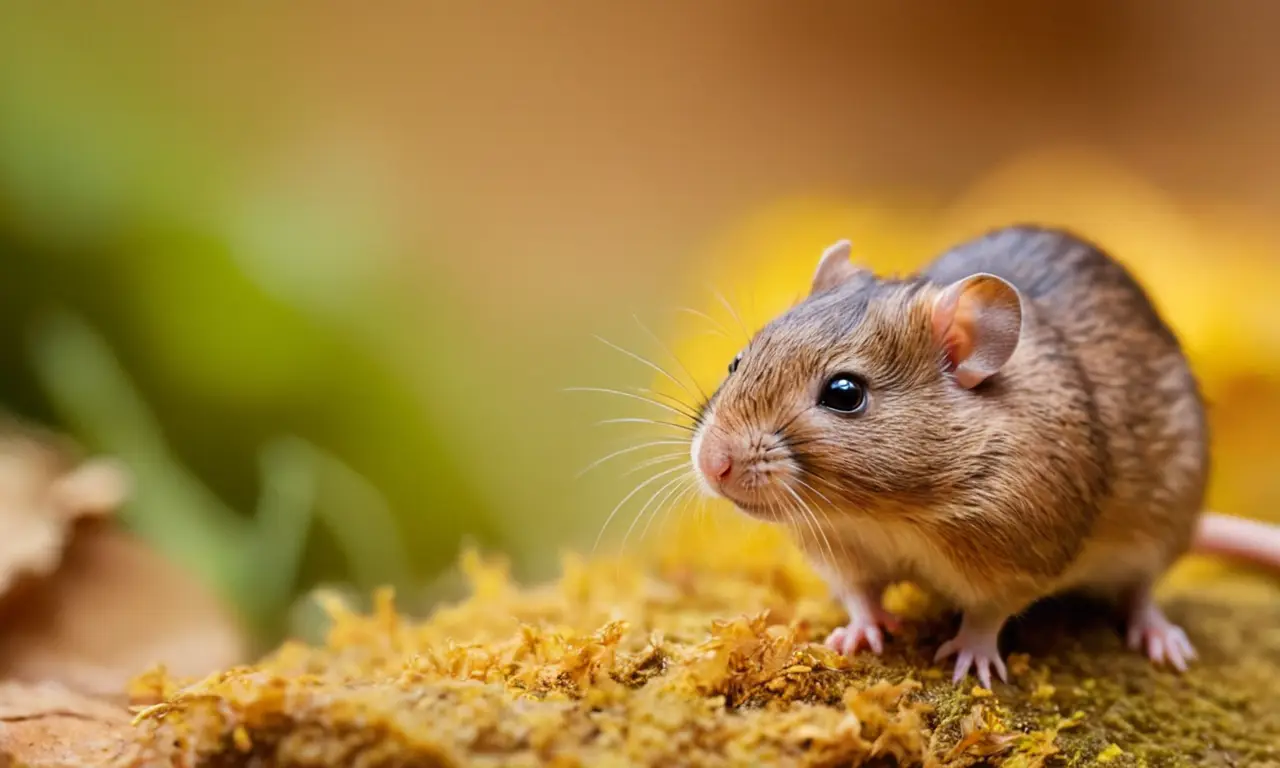
The Fascinating Lifespan of Hamsters: Understanding Their Journey
Understanding how long does a hamster live? is a crucial aspect of responsible pet ownership. While their lives are relatively short, these small rodents can bring immense joy and companionship to a household. This article delves into the typical lifespan of hamsters, exploring the various factors that influence it, and most importantly, providing actionable advice on how to maximize their time with you, ensuring a happy and healthy existence for your furry friend.
𝙲𝚘𝚗𝚝𝚎𝚗𝚝
The Average Hamster Lifespan: A General Overview
When considering how long does a hamster live?, it's important to acknowledge that there isn't a single definitive answer. Their lifespan is influenced by a multitude of factors, including their species, genetics, diet, environment, and overall care. However, a general guideline for most common hamster species is between 1.5 to 3 years. This might seem short compared to other pets like dogs or cats, but for such tiny creatures, it's a significant period filled with energetic activity and endearing quirks.
Species-Specific Lifespans: Decoding the Differences
Different hamster species have varying average lifespans, and knowing these distinctions can help set realistic expectations.
- Syrian Hamsters (Mesocricetus auratus): Often referred to as the "teddy bear" hamster, Syrians are the most common pet hamster. They typically live for 2 to 3 years. Due to their solitary nature, it's crucial to house them individually to prevent fighting, which can significantly impact their well-being and lifespan.
- Dwarf Hamsters: This category includes several species, each with slightly different lifespans.
- Roborovski Dwarf Hamsters (Phodopus roborovskii): These are the smallest and often the fastest hamsters. They tend to have a slightly longer lifespan than other dwarfs, often living 2 to 3.5 years.
- Campbell's Dwarf Hamsters (Phodopus campbelli): Their lifespan is generally 1.5 to 2 years. They can sometimes be housed in same-sex pairs or groups if introduced carefully at a young age, but this requires vigilance.
- Winter White Dwarf Hamsters (Phodopus sungorus): Similar to Campbell's, their average lifespan is 1.5 to 2 years. They can also be housed socially if managed properly.
- Chinese Hamsters (Cricetulus griseus): While not technically a dwarf hamster, they are often grouped with them due to their size. They have a lifespan of around 2 to 3 years. They are often more solitary but can sometimes be housed in pairs if introduced very young.
It's important to remember that these are averages, and individual hamsters can live shorter or longer lives depending on the factors discussed later in this article.
Factors Influencing Hamster Lifespan
Several key elements contribute to the overall health and longevity of a hamster. Understanding these can empower you to provide the best possible environment and care.
Rabbit Lifespan: How Long Does a Rabbit Live?1. Genetics and Breeding
Just like in humans and other animals, genetics play a significant role in a hamster's lifespan. Hamsters bred responsibly from healthy parents are more likely to have a longer and healthier life. Conversely, hamsters from poor breeding practices or those with inherited health conditions may have a shorter lifespan. Purchasing from reputable breeders or adoption centers that prioritize health and well-being can make a difference.
2. Diet and Nutrition: Fueling a Long Life
A balanced and appropriate diet is paramount for a hamster's health and longevity. Providing the correct nutrition ensures their bodies function optimally and helps prevent common ailments.
- High-Quality Hamster Food: The cornerstone of their diet should be a specially formulated hamster mix that contains a variety of seeds, grains, and sometimes dried fruits and vegetables. Look for mixes that have a protein content of around 16-20%.
- Fresh Foods in Moderation: Offer small amounts of fresh vegetables like broccoli, spinach, kale, carrots, and cucumber a few times a week. Small pieces of fruit like apple (without seeds) or berries can also be given as occasional treats.
- Protein Sources: Small amounts of cooked, unseasoned chicken or hard-boiled egg can be beneficial for protein intake.
- Avoid Harmful Foods: Never feed your hamster chocolate, onions, garlic, citrus fruits, or anything with high sugar or salt content. These can be toxic and severely detrimental to their health.
- Fresh Water: Always ensure your hamster has access to fresh, clean water, typically provided through a sipper bottle. Check the bottle daily to ensure it's not clogged.
An improper diet can lead to obesity, diabetes (especially in dwarf hamsters), digestive issues, and weakened immune systems, all of which can shorten a hamster's life.
3. Environment and Housing: A Safe Haven
The living conditions you provide for your hamster are critical. A well-maintained and stimulating environment promotes physical and mental well-being.
- Cage Size: Bigger is always better! Hamsters are active creatures that need plenty of space to run, burrow, and explore. A minimum of 450 square inches of uninterrupted floor space is recommended for most species, with larger enclosures being ideal. Bar spacing should be narrow enough to prevent escapes.
- Bedding: Deep bedding is essential for hamsters to satisfy their natural instinct to burrow. Aspen shavings, paper-based bedding, or hemp are good choices. Avoid pine and cedar shavings, as their aromatic oils can be harmful to a hamster's respiratory system.
- Enrichment: Provide a variety of toys and accessories to keep your hamster entertained and mentally stimulated. This includes:
- A solid-surface exercise wheel: Crucial for physical activity. The wheel should be large enough to allow the hamster to run with a straight back.
- Tubes and tunnels: Mimicking their natural underground environment.
- Chew toys: To keep their continuously growing teeth healthy.
- Hides and houses: For a sense of security.
- Sand bath: A shallow dish filled with chinchilla sand (not dust) for grooming.
- Temperature and Ventilation: Maintain a consistent room temperature (around 65-75°F or 18-24°C) and ensure good ventilation to prevent respiratory problems. Avoid direct sunlight or drafts.
- Cleaning: Regular cage cleaning is vital to prevent the buildup of waste and bacteria, which can lead to illness. Spot-clean daily and perform a more thorough clean weekly or bi-weekly, depending on cage size and the number of hamsters.
4. Stress and Handling: A Delicate Balance
Hamsters are prey animals and can be easily stressed. Gentle and consistent handling is key.
Cat Adaptation: How Long to Adjust to a New Home?- Acclimation Period: Allow new hamsters a few days to adjust to their new surroundings before attempting to handle them extensively.
- Gentle Approach: Always approach your hamster slowly and speak softly. Let them come to you. Avoid loud noises or sudden movements that could startle them.
- Proper Handling Technique: Scoop them up gently with cupped hands, rather than grabbing them from above. Never squeeze them.
- Supervision: Always supervise children when they are interacting with a hamster.
- Avoid Over-Handling: While regular gentle interaction is good, over-handling can be stressful. Respect their cues and allow them downtime.
Chronic stress can weaken their immune system and contribute to a shorter lifespan.
5. Health and Veterinary Care
While specialized exotic vets can be harder to find, seeking professional help when your hamster is unwell is crucial.
- Recognizing Illness: Be observant of changes in your hamster's behavior, appetite, activity level, or appearance. Signs of illness can include:
- Lethargy or unusual sleepiness.
- Loss of appetite or weight loss.
- Dull or matted fur.
- Sneezing, wheezing, or discharge from the nose or eyes.
- Diarrhea or wet tail (a serious condition).
- Lumps or bumps.
- Prompt Veterinary Attention: If you suspect your hamster is ill, consult an exotic veterinarian immediately. Early intervention can significantly improve their chances of recovery.
- Preventative Measures: While not all illnesses are preventable, good husbandry, a balanced diet, and a clean environment go a long way in maintaining good health.
Maximizing Your Hamster's Lifespan: Practical Tips
Knowing how long does a hamster live? is one thing, but actively working to ensure they live the longest, happiest life possible is another. Here are actionable steps you can take:
- Choose Wisely: When selecting a hamster, opt for one that appears alert, has clean eyes and fur, and is from a reputable source.
- Provide an Optimal Diet: Stick to high-quality hamster food and offer fresh treats sparingly. Ensure constant access to fresh water.
- Create a Spacious and Stimulating Environment: Invest in a large cage, deep bedding, and plenty of enrichment items.
- Maintain a Clean Cage: Regular cleaning prevents disease and creates a healthy living space.
- Handle with Gentleness and Respect: Build trust through patient and calm interactions.
- Monitor for Signs of Illness: Be vigilant and seek veterinary care promptly if you notice any concerning symptoms.
- Enrich Their Lives: Offer opportunities for exploration, play, and natural behaviors like burrowing.
- Consider a Partner (Species Dependent): For Syrian hamsters, solitary housing is essential. For some dwarf species, carefully introduced same-sex pairs or groups can be enriching, but this requires careful observation and intervention if issues arise.
- Avoid Overcrowding: Never house hamsters together unless you are certain they are compatible and of a species that can live socially. Overcrowding leads to stress and conflict.
- Protect Them from Hazards: Keep their cage away from drafts, direct sunlight, other pets, and young children who might be too rough.
The Emotional Aspect of a Hamster's Life
While their lifespan is short, the impact a hamster can have on its owner is significant. They offer lessons in responsibility, empathy, and the appreciation of small wonders. A well-cared-for hamster will display personality, engage with its environment, and bring a unique charm to your home. Understanding how long does a hamster live? allows you to cherish the time you have with them, making every moment count. It also prepares you emotionally for the inevitable end, allowing you to provide comfort and peace during their final days.
In summary: A Life Well-Lived
In conclusion, the question of how long does a hamster live? is answered by a range of 1.5 to 3 years for most common pet species, with some variation among them. This relatively short duration underscores the importance of providing exceptional care from the moment you bring them home. By focusing on a species-appropriate diet, a stimulating and safe environment, gentle handling, and vigilant health monitoring, you can significantly contribute to your hamster enjoying a fulfilling and extended life. While we cannot control their genetics or predetermined lifespan entirely, we can certainly influence the quality of life they experience during their time with us, making their brief journey as happy and healthy as possible. Cherish their antics, enjoy their curious nature, and be a responsible caregiver, ensuring their lives are well-lived, even if they are fleeting.
Puppy Worm Expulsion: How Long? Essential Guide
Cat Urinary Crystals: Types, Symptoms & Treatment Guide

Cat Weight: How Do I Know If My Cat Is Fat?

Encephalitis in Dogs: Symptoms, Causes & Treatment

Dog Cavities: Causes, Symptoms, and Treatment Options

Natural Flea Relief: Home Remedies for Fleas in Cats

Newborn Puppy Feeding Guide: From Birth to Weaning
Related posts