
Rabbit Lifespan: How Long Does a Rabbit Live?
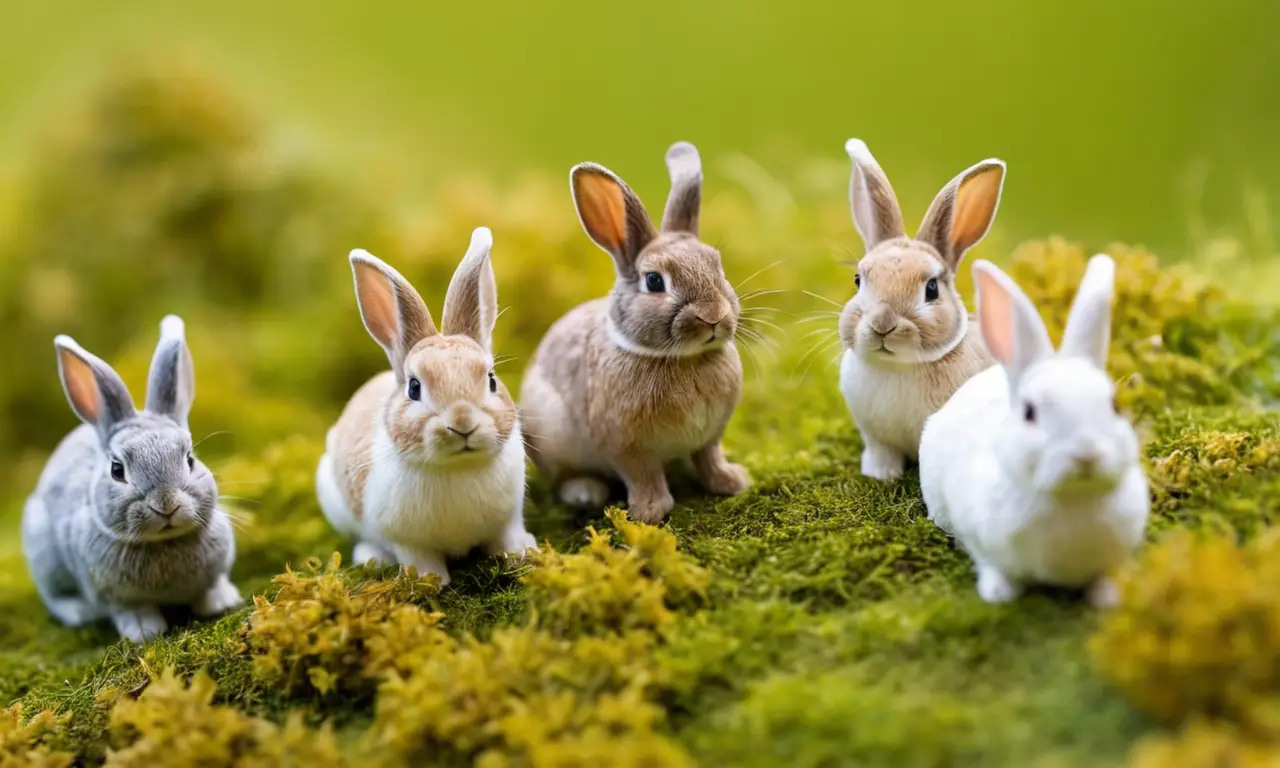
Rabbit Lifespan: How Long Does a Rabbit Live?
Understanding the lifespan of a rabbit is crucial for any potential or current owner, as it directly impacts the commitment and care required. Rabbits, often perceived as short-lived pets, can actually live for a considerable time with proper husbandry, making them long-term companions. This article delves into the factors that influence a rabbit's longevity, the average lifespan of domestic rabbits, and the best practices to ensure your furry friend enjoys a full and healthy life.
𝙲𝚘𝚗𝚝𝚎𝚗𝚝
The Average Lifespan of a Domestic Rabbit
The question of how long does a rabbit live is often met with a surprisingly varied answer, largely depending on whether the rabbit is wild or domesticated, and the quality of its care. Wild rabbits face numerous environmental challenges, including predators, disease, and limited access to food and shelter, which significantly shorten their lifespans. On average, wild rabbits rarely live beyond one to two years.
Domesticated rabbits, however, have a much more promising outlook. With appropriate nutrition, veterinary care, a safe environment, and protection from predators, domestic rabbits can live significantly longer. The general consensus for the average lifespan of a well-cared-for domestic rabbit is between 8 to 12 years. Some individuals, with exceptional genetics and impeccable care, can even surpass this range, reaching 13, 14, or even more years. This extended lifespan makes them a substantial commitment, comparable to that of cats and dogs.
Factors Influencing Rabbit Lifespan
Several key factors contribute to the overall health and longevity of a domestic rabbit. Understanding these elements allows owners to proactively manage their pet's well-being.
1. Genetics and Breed
Just as with other animals, genetics play a role in a rabbit's potential lifespan. Certain breeds may be predisposed to specific health conditions that can affect their longevity. For instance, brachycephalic (short-nosed) breeds can sometimes experience dental and respiratory issues that require ongoing management. Reputable breeders who prioritize the health and temperament of their stock can help ensure healthier rabbit offspring.
2. Diet and Nutrition
A balanced and appropriate diet is arguably the most critical factor in a rabbit's health and lifespan. Rabbits are herbivores with a specialized digestive system that requires a specific type of food.
Cat Adaptation: How Long to Adjust to a New Home?- Hay: This should form the cornerstone of a rabbit's diet, making up at least 80% of what they consume. High-quality, fresh hay (such as timothy, orchard grass, or meadow hay) provides essential fiber for digestion, helps wear down their continuously growing teeth, and prevents serious gastrointestinal issues like stasis.
- Leafy Greens: A variety of fresh, leafy greens should be offered daily in moderate amounts. Examples include romaine lettuce, parsley, cilantro, dill, mint, and dandelion greens. Introduce new greens gradually to avoid digestive upset.
- Pellets: High-quality, plain timothy-based pellets should be given in limited quantities, usually as a supplement rather than the main food source. Avoid muesli-style mixes, which encourage selective feeding and can lead to nutritional imbalances.
- Treats: Fruits and starchy vegetables should be given sparingly as treats due to their high sugar content. Excessive treats can lead to obesity, dental problems, and digestive issues.
An improper diet can lead to a host of health problems, including dental disease, obesity, gastrointestinal stasis, and other metabolic disorders, all of which can significantly shorten a rabbit's life.
3. Housing and Environment
The environment in which a rabbit lives has a profound impact on its physical and psychological well-being.
- Space: Rabbits need ample space to move, explore, and exercise. A cage that is too small will restrict their natural behaviors and can lead to stress, boredom, and health issues like obesity and muscle atrophy. An enclosure that allows them to stand on their hind legs, hop, and stretch out is essential. Many owners opt for large exercise pens or rabbit-proofed rooms.
- Safety: The living space must be safe and secure. This means protecting them from predators (even indoor cats and dogs can pose a threat if not properly introduced and supervised), hazards (like electrical cords, toxic plants, and small objects they might ingest), and extreme temperatures.
- Cleanliness: A clean living environment is vital to prevent the buildup of bacteria and parasites that can cause illness. Regular cleaning of the litter box and cage is necessary.
- Enrichment: Mental stimulation is as important as physical well-being. Providing toys, tunnels, chew items, and opportunities for exploration helps prevent boredom and stress, contributing to a longer, happier life.
4. Veterinary Care
Regular veterinary check-ups with a rabbit-savvy veterinarian are paramount for early detection and treatment of potential health problems. Rabbits are prey animals and are adept at hiding signs of illness until they are very sick.
- Annual Check-ups: These appointments allow the vet to monitor weight, dental health, and overall condition.
- Spaying/Neutering: This is crucial for both health and behavior. Spaying female rabbits significantly reduces the risk of uterine cancer, which is very common and often fatal. Neutering male rabbits helps prevent territorial marking, aggression, and reduces the risk of testicular cancer. Both procedures can also lead to a calmer pet and a longer lifespan.
- Prompt Treatment: If you notice any changes in your rabbit's behavior, appetite, or droppings, seek veterinary advice immediately. Early intervention can make a significant difference in the outcome of many conditions.
5. Stress and Socialization
Rabbits are sensitive creatures that can be negatively affected by stress. Loud noises, sudden movements, being handled roughly, or being in a constantly agitated environment can shorten their lifespan.
- Socialization: Rabbits can be social animals. While some prefer to live alone, many benefit from the companionship of another rabbit (after proper introductions and if both are spayed/neutered). This companionship can reduce loneliness and stress.
- Gentle Handling: Rabbits should be handled gently and respectfully, supporting their body and hindquarters to prevent injury. Understanding their body language and respecting their boundaries is key to building trust and reducing stress.
Common Health Issues Affecting Rabbit Lifespan
Certain health conditions are more prevalent in rabbits and can impact their lifespan if not managed effectively.
Dental Disease
Rabbit teeth grow continuously throughout their lives. Without sufficient fiber from hay to wear them down, teeth can overgrow, leading to spurs that can cut the tongue or gums, making eating painful and difficult. This can result in malnutrition and GI stasis. Regular dental checks by a vet are essential.
Puppy Worm Expulsion: How Long? Essential GuideGastrointestinal Stasis (GI Stasis)
This is a life-threatening condition where the rabbit's digestive system slows down or stops completely. It can be caused by improper diet, stress, dental problems, pain, or dehydration. Symptoms include a lack of appetite, small or no droppings, lethargy, and bloating. Prompt veterinary intervention is crucial.
Respiratory Infections
Commonly known as "snuffles," these can be caused by bacteria and can affect the nasal passages and lungs. They require veterinary diagnosis and treatment, often with antibiotics. Untreated or severe infections can be fatal.
Parasites
Rabbits can be susceptible to various internal and external parasites, such as mites, fleas, and intestinal worms. Regular parasite prevention and treatment as recommended by a veterinarian are important.
Uterine Cancer (in unspayed females)
As mentioned, unspayed female rabbits have a very high incidence of uterine cancer. Spaying at a young age (around 4-6 months) is the most effective way to prevent this devastating disease.
Tips for Maximizing Your Rabbit's Lifespan
To ensure your rabbit lives a long and fulfilling life, focus on these key areas:
- Provide a High-Quality Diet: Prioritize fresh hay, offer a variety of leafy greens, and limit pellets and treats.
- Ensure Adequate Space and Enrichment: Give your rabbit plenty of room to exercise and explore, and provide stimulating toys.
- Maintain a Clean and Safe Environment: Keep their living area clean and free from hazards.
- Seek Regular Veterinary Care: Find a rabbit-savvy vet and schedule annual check-ups. Consider spaying/neutering.
- Handle with Care and Gentleness: Build trust and avoid causing stress.
- Monitor for Signs of Illness: Be observant of any changes in behavior, appetite, or droppings and seek veterinary help promptly.
- Provide Companionship (if appropriate): Consider a bonded companion for your rabbit.
- Rabbit-Proof Your Home: If allowing free-roam time, ensure the environment is safe from chewing hazards and toxins.
By understanding the factors that contribute to a rabbit's lifespan and by committing to providing excellent care, you can significantly increase the chances of your rabbit living a long, healthy, and happy life, potentially enjoying many wonderful years as a beloved member of your family. The question of how long does a rabbit live is, in many ways, in the owner's hands.
Puppy Acclimation: How Long to Adjust to New Home?
Cat Urinary Crystals: Types, Symptoms & Treatment Guide

Cat Weight: How Do I Know If My Cat Is Fat?

Encephalitis in Dogs: Symptoms, Causes & Treatment

Dog Cavities: Causes, Symptoms, and Treatment Options
Natural Flea Relief: Home Remedies for Fleas in Cats

Newborn Puppy Feeding Guide: From Birth to Weaning
Related posts