

Dog's Milk: When & How to Wean Off Lactation
Dog's Milk: When & How to Wean Off Lactation
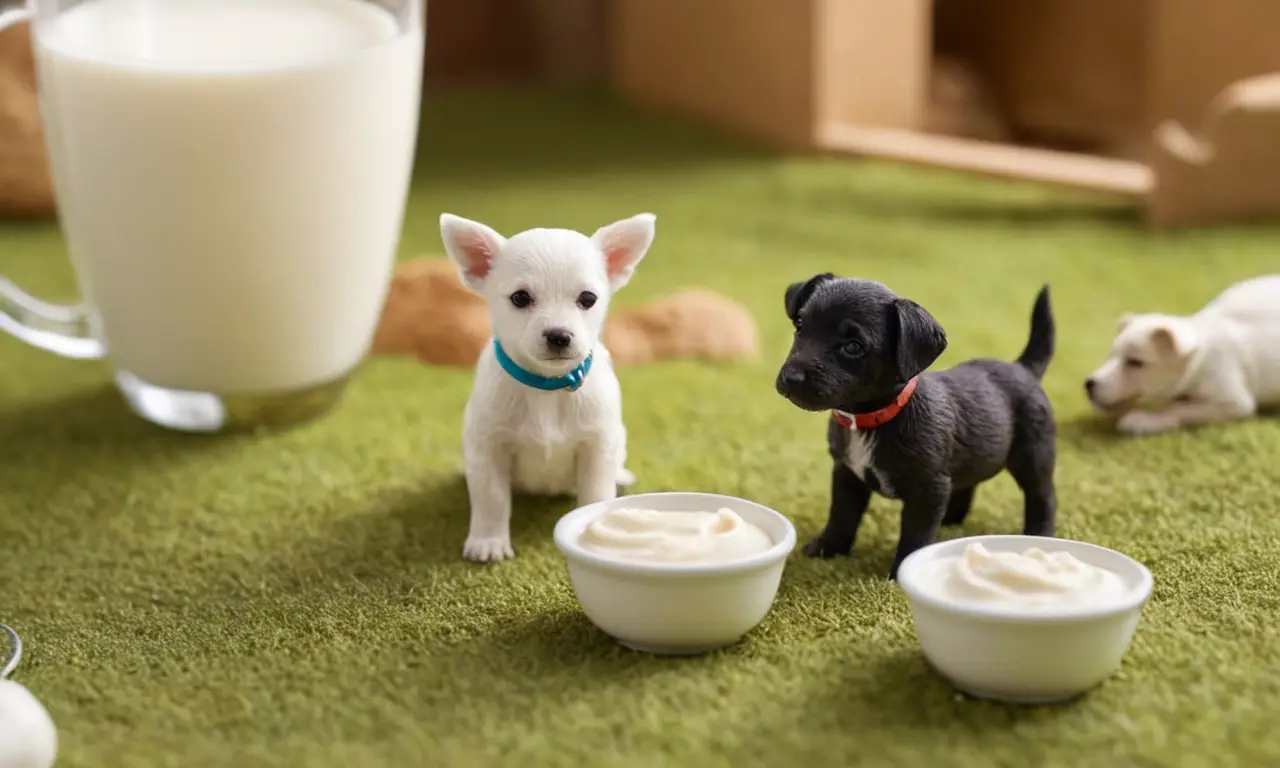
Lactation in dogs is a natural and vital process, providing nourishment and immunity to puppies. However, there comes a point when weaning puppies off their mother's milk becomes necessary for their continued healthy development and the mother's well-being. This transition, often referred to as how to cut off a dog's milk?, requires careful planning, understanding of puppy and mother dog physiology, and a gradual, stress-free approach. Successfully managing this weaning process ensures that puppies are adequately prepared for solid food and that the mother dog can recover from the demands of pregnancy and lactation. This article will delve into the intricacies of weaning, providing a comprehensive guide for pet owners and breeders on when and how to facilitate this crucial developmental stage.
𝙲𝚘𝚗𝚝𝚎𝚗𝚝
Understanding the Weaning Process
Weaning is not an abrupt event but a gradual transition from consuming milk to eating solid food. It's a complex biological process influenced by the puppies' developing digestive systems and their increasing independence from the mother. The mother dog also plays an active role, naturally limiting milk production and availability as puppies mature. The goal of managed weaning is to support this natural progression, minimizing stress for both the mother and her litter.
When to Start Weaning
The timing of weaning is crucial and depends on several factors, including the breed of the dog, the litter size, and the individual development of the puppies. Generally, the weaning process begins between 3 and 4 weeks of age. By this time, puppies' deciduous (baby) teeth have usually erupted, making them capable of chewing and digesting solid food. They also show increased interest in the mother's food and are becoming more mobile and exploratory.
Key indicators that puppies are ready to begin weaning include:
- Eruption of Deciduous Teeth: The presence of sharp little teeth signifies their ability to break down solid food.
- Increased Interest in Mother's Food: Puppies will start sniffing around the mother's food bowl and may even try to nibble at it.
- Developing Mobility and Coordination: Puppies are becoming more active, walking, playing, and exploring their environment independently.
- Decreased Sucking Time: While still nursing, puppies will naturally spend less time actively suckling from their mother.
The Mother Dog's Role
The mother dog is an instinctive participant in the weaning process. As her puppies grow and their nutritional needs change, she will instinctively begin to:
Spotting Neurological Issues in Your Canine Companion- Reduce Milk Supply: Her body will naturally decrease milk production as the puppies' demand lessens and they consume more solid food.
- Limit Nursing Sessions: She may become less tolerant of prolonged nursing, occasionally moving away from puppies who are trying to suckle.
- Offer Solid Food: In some cases, mother dogs will regurgitate partially digested food, a natural behavior that introduces puppies to solid food textures and tastes.
How to Cut Off a Dog's Milk?: A Step-by-Step Guide
Successfully weaning puppies involves a structured and patient approach. The core principle is to introduce solid food gradually while simultaneously reducing the reliance on milk.
Step 1: Introducing Solid Food (3-4 Weeks)
This initial phase is about exposure and getting the puppies accustomed to the idea of eating something other than milk.
- Choose the Right Food: A high-quality, puppy-specific wet food or a specially formulated gruel (a mixture of puppy kibble soaked in warm water or puppy milk replacer until soft) is ideal. The consistency should be smooth and easy for them to lap up.
- Preparation of the Gruel:
- Mix puppy kibble with warm water or a commercial puppy milk replacer in a 3:1 or 2:1 ratio of liquid to kibble.
- Let it sit for about 15-20 minutes to soften thoroughly.
- Blend or mash the mixture to a smooth, soupy consistency. The texture should be like thick porridge.
- Feeding Method:
- Offer the gruel in a shallow, wide dish or on a clean, flat surface like a baking sheet. This allows multiple puppies to access it simultaneously.
- Gently introduce the puppies to the food by placing a small amount on their noses or paws. Many will lick it off instinctively.
- Some puppies may need a little encouragement. You can use a syringe or a small spoon to offer a tiny amount to their mouths.
- Frequency: Start with one or two small feedings per day.
- Observation: Monitor the puppies closely. Some will take to it immediately, while others may be hesitant. Avoid forcing them. Ensure they are still nursing from their mother.
Step 2: Increasing Solid Food Intake (4-5 Weeks)
As the puppies become more comfortable with the gruel, you will gradually increase the amount of solid food and decrease the frequency of nursing.
- Thicken the Gruel: Gradually reduce the amount of liquid in the gruel, making it thicker. This helps them develop their chewing muscles.
- Increase Feeding Frequency: Offer solid food 3-4 times a day.
- Reduce Nursing Sessions: The mother dog will naturally start to spend less time nursing. You can also gently discourage prolonged nursing by calling her away or distracting her with play if she seems uncomfortable or if the puppies are overly reliant.
- Continue Monitoring: Ensure puppies are gaining weight and are active. Diarrhea or vomiting are signs that the weaning process might be too rapid or the food is not agreeing with them.
Step 3: Transitioning to Puppy Kibble (5-6 Weeks)
By this stage, puppies should be enthusiastically eating a thicker gruel and their reliance on milk should be significantly reduced.
- Dry Kibble Introduction: Begin introducing dry puppy kibble, either soaked in a small amount of warm water to soften it, or even dry kibble if the puppies have developed strong chewing abilities.
- Gradual Transition: If using dry kibble, gradually decrease the amount of water used for soaking over several days.
- Increase Solid Food Meals: Aim for 4-5 solid food meals per day.
- Monitor Mother Dog: Pay attention to the mother dog's udder. If it becomes engorged and she shows signs of discomfort (pain, redness, swelling), it indicates she is producing more milk than the puppies are consuming. This is a sign to slow down the weaning process or consult a veterinarian.
Step 4: Full Weaning (6-8 Weeks)
The goal is for puppies to be eating solid food exclusively by this age.
Detecting Nutritional Deficiencies in Dogs: A Comprehensive Guide- Solid Food Only: Puppies should be eating dry puppy kibble (or a mixture of dry kibble and a small amount of wet food for palatability) 4-5 times a day.
- Milk Removal: The mother should no longer be nursing. Her milk supply should have naturally dried up.
- Mother Dog's Recovery: Ensure the mother dog is not showing any signs of mastitis (infection of the mammary glands), which can occur if milk is not fully expressed or if there's a sudden, drastic change.
Common Challenges and How to Address Them
While weaning is a natural process, it can sometimes present challenges.
- Puppy Refusal: Some puppies may be slower to adapt to solid food. Persistence, a variety of textures, and gentle encouragement are key. Ensure the food is palatable and at the right temperature (warm, not hot).
- Digestive Upset (Diarrhea/Vomiting): This can happen if the weaning is too rapid or if the food is too rich. Slow down the process, consider a different food formula, or consult your veterinarian. Ensure fresh water is always available.
- Mother Dog's Engorged Udder/Mastitis: If the mother dog's udders are hard, swollen, red, and painful, she may have mastitis. This is a serious condition that requires immediate veterinary attention. It can be caused by incomplete milk removal or a sudden cessation of nursing. Gentle massage and warm compresses can sometimes help, but always seek professional advice.
- Littermates Competing: Ensure all puppies have equal access to food. If some are more dominant, consider feeding them separately or in smaller groups.
Nutritional Considerations During Weaning
The nutritional needs of weaning puppies are high. They require a balanced diet that supports their rapid growth and development.
- High-Quality Puppy Food: Choose a reputable brand of puppy food that is specifically formulated for the growth stage. Look for foods with a good balance of protein, fats, carbohydrates, vitamins, and minerals.
- Calcium and Phosphorus: These minerals are essential for bone development. The correct ratio is crucial to prevent skeletal problems.
- Digestibility: Puppy food should be highly digestible to minimize gastrointestinal upset.
- Fresh Water: Always ensure clean, fresh water is available to the puppies at all times, especially as they transition to solid food.
The Mother Dog's Health and Well-being
Weaning is also a period of recovery for the mother dog.
- Dietary Adjustments: After weaning is complete, the mother dog's caloric intake can be gradually reduced back to maintenance levels.
- Monitoring for Mastitis: Keep a close eye on her mammary glands for any signs of infection.
- Rest and Recovery: Allow her ample rest to regain her strength.
When to Seek Veterinary Advice
While weaning is a routine part of dog ownership, there are instances where veterinary consultation is advisable:
- Failure to Gain Weight: If puppies are not gaining weight steadily or are losing weight.
- Persistent Diarrhea or Vomiting: Especially if accompanied by lethargy or lack of appetite.
- Signs of Infection: Redness, heat, swelling, or discharge from the mother's udder.
- Puppy Lethargy or Weakness: Any puppy that appears listless, weak, or unwell.
- Concerns about the Food: If you are unsure about the suitability of the weaning food.
In conclusion, the process of how to cut off a dog's milk? is a multifaceted journey that requires patience, observation, and a systematic approach. By understanding the natural progression of puppy development and the mother's role, owners can facilitate a smooth and healthy transition from milk to solid food. This not only ensures the puppies' optimal growth but also supports the mother dog's recovery, setting the stage for a healthy and happy life for all involved.
Deworming Your Cat: A Complete Guide for Owners
Cat Urinary Crystals: Types, Symptoms & Treatment Guide

Cat Weight: How Do I Know If My Cat Is Fat?

Encephalitis in Dogs: Symptoms, Causes & Treatment
Dog Cavities: Causes, Symptoms, and Treatment Options

Natural Flea Relief: Home Remedies for Fleas in Cats

Newborn Puppy Feeding Guide: From Birth to Weaning
Related posts