

Betta Fish Sexing: How to Differentiate Male & Female
Betta Fish Sexing: How to Differentiate Male & Female
Distinguishing between male and female betta fish, often referred to as Siamese fighting fish, is a crucial skill for any aquarist interested in breeding, managing tank populations, or simply understanding their pets better. While there are some commonalities, several distinct physical characteristics and behavioral patterns allow for accurate identification. This comprehensive guide will delve into the nuances of How to differentiate a male betta fish from a female?, equipping you with the knowledge to confidently sex your bettas.
𝙲𝚘𝚗𝚝𝚎𝚗𝚝
Understanding the Betta Fish (Betta splendens)
Before diving into sex differentiation, it's important to understand what makes betta fish so popular. Betta splendens are native to the shallow, rice paddy fields and slow-moving waters of Southeast Asia. They are renowned for their vibrant colors, elaborate finnage (especially in males), and their aggressive nature towards other males, hence their common name. This aggression is a key factor in why keeping multiple males in the same aquarium is not advisable. Females, while still beautiful, are generally less flamboyant and less territorial.
Key Physical Differentiators: A Detailed Look
The most reliable way to differentiate male and female bettas is by observing their physical characteristics. These differences become more pronounced as the fish mature.
Sexing Guinea Pigs: How to Differentiate Male from Female1. Fin Length and Shape
This is arguably the most striking and easily observable difference.
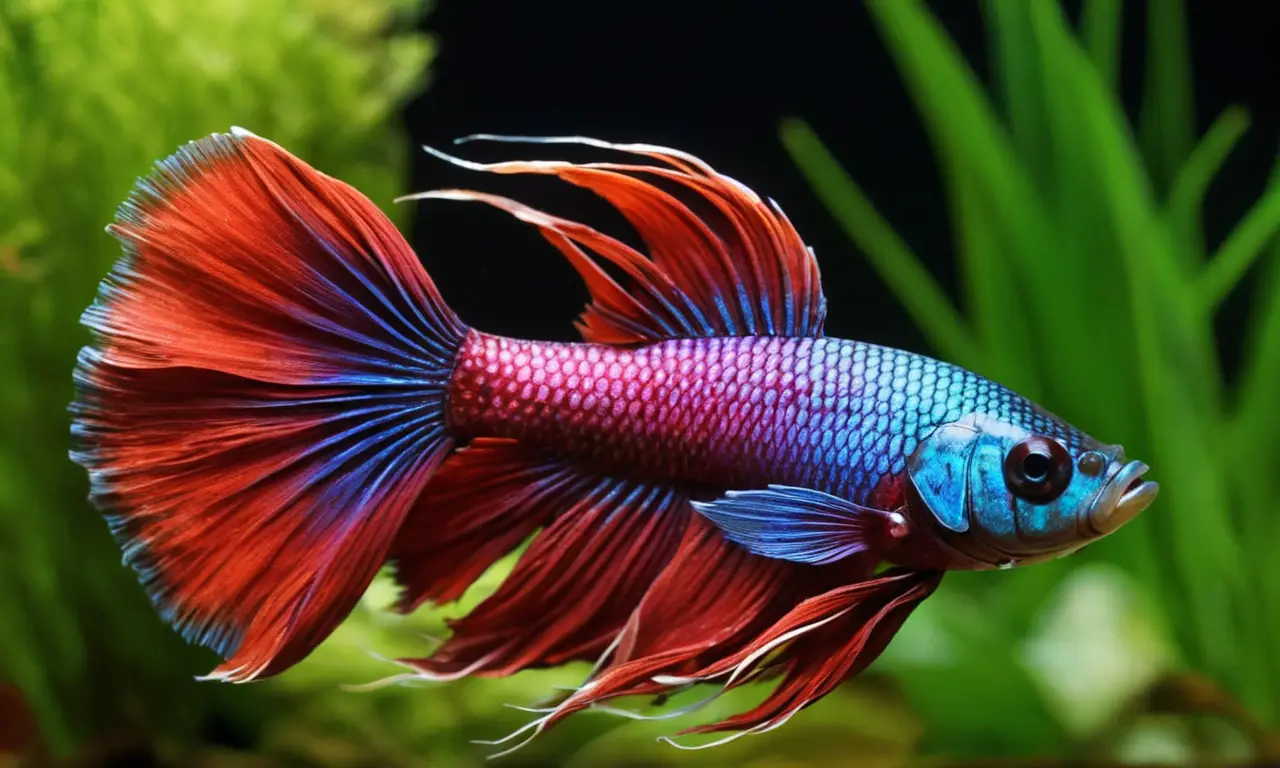
- Male Bettas: Males are famous for their long, flowing, and elaborate fins. These include dramatically extended dorsal fins (the fin on their back), anal fins (the fin on their underside towards the tail), and particularly their caudal fins (tail fins) and pectoral fins (side fins). The fins can be so long that they appear to trail behind the fish like silk ribbons. The variety of fin types in male bettas is vast, including Veiltails, Crowntails, Halfmoons, and Plakat, each with unique fin structures.
- Female Bettas: Female bettas, in contrast, have significantly shorter and more conventional fins. Their dorsal, anal, and caudal fins are typically much shorter, often resembling a more compact, rounded shape. While some female bettas can have slightly longer fins than others, they will rarely, if ever, reach the extravagant lengths seen in males. This difference in finnage is a result of sexual selection, where longer, more impressive fins in males attract females.
2. Body Shape and Size
There's a subtle but noticeable difference in the overall build of male and female bettas.
- Male Bettas: Males tend to have a more elongated and streamlined body shape. This is partly due to their longer fins creating an illusion of greater length, but their actual body is often more slender.
- Female Bettas: Females generally have a more rounded, plump, or robust body. This is particularly evident when they are mature and ready to breed, as their bodies will enlarge to accommodate eggs. They often appear shorter and stockier in comparison to their male counterparts.
3. Coloration and Intensity
While both sexes can be vibrantly colored, there are general trends.
Sexing Hamsters: Your Guide to Differentiating Male & Female- Male Bettas: Males are almost always more intensely colored and possess a wider array of striking patterns and iridescence. Their colors are bred to be brighter and more eye-catching, contributing to their appeal.
- Female Bettas: Females are typically less intensely colored. They may still have beautiful colors, but they are often more muted or have simpler patterns. Some females might even be predominantly brown or dull green, a trait often referred to as "marble" genetics, though this can vary widely. However, it's important to note that some exceptionally vibrant females exist, especially in certain breeding lines, which can make sexing based on color alone unreliable, especially for beginners.
4. The "Egg Spot" or Ovipositor
This is a definitive characteristic, though it requires close observation and is most apparent in mature females.
- Male Bettas: Males do not possess an egg spot or an ovipositor.
- Female Bettas: Mature females will develop a small, white, dot-like protrusion on their underside, just in front of the anal fin. This is the ovipositor, which is used to lay eggs. In some cases, it might appear more like a tiny tube or even a "stripe." This feature is a foolproof indicator of a female. Young females may not have a prominent egg spot, so it’s more reliable for adult fish.
5. The "Beard" or Gill Cover
This is another useful distinguishing feature, particularly when the fish is agitated.
- Male Bettas: When a male betta feels threatened or is displaying aggression (often towards another male or during courtship), he will flare his gill covers, also known as operculum. This action causes a prominent "beard" or flap of skin to extend from beneath his gill covers, making his head appear larger and more imposing. This is a defensive and territorial display.
- Female Bettas: Females do not typically have this pronounced "beard." While they can also flare their gills, it is not as dramatic or prominent as in males. Their gill covers will not extend outwards in the same way to create the noticeable beard.
Behavioral Differences: Beyond Physical Traits
While physical characteristics are the primary method of sexing bettas, their behavior can offer supporting clues, especially in a mixed-sex environment (which is generally not recommended for long-term housing of males and females together except for breeding purposes).
Heimlich Maneuver for Dogs: A Lifesaving Guide1. Aggression and Territoriality
- Male Bettas: Males are notoriously aggressive towards other males. This is their defining behavioral trait. They will flare, chase, and even fight, often resulting in injury or death. They are also territorial and will defend their chosen space within the aquarium.
- Female Bettas: Females are generally much less aggressive than males. While they can be territorial, especially around their chosen hiding spots or when guarding fry (if they are in a breeding situation), their aggression is usually much milder. They are also more tolerant of other female bettas, although keeping multiple females together (a sorority tank) requires careful introduction and a large enough tank to prevent dominance issues.
2. Bubble Nesting
- Male Bettas: Male bettas are the sole builders of bubble nests. During courtship or when feeling particularly healthy and ready to breed, males will blow a collection of bubbles at the surface of the water. This nest is used to hold and protect fertilized eggs. The size and complexity of the bubble nest can indicate the male's health and readiness to breed.
- Female Bettas: Females do not build bubble nests. This behavior is exclusively performed by males.
3. Courtship Behavior
- Male Bettas: Males initiate courtship by displaying their fins, flaring, and performing a "dancing" ritual around the female. They may also try to entice the female into their bubble nest.
- Female Bettas: Females will often respond to a male's advances by displaying a submissive posture, showing their egg spot, or reciprocating some of the male's display movements, though typically in a less flamboyant manner.
Tips for Accurate Sexing
- Observe Mature Fish: Sexing is easiest when the fish are at least 3-4 months old. Juvenile bettas can be difficult to sex accurately as their distinguishing features are not yet fully developed.
- Compare Side-by-Side: If possible, observe multiple bettas together (in separate tanks, of course) to compare their fin lengths, body shapes, and colors. This direct comparison can highlight the differences more clearly.
- Look for the Egg Spot: This is the most definitive sign of a female. If you can see a clear egg spot, you have a female.
- Consider Fin Length: If a fish has extremely long, flowing fins, it is almost certainly a male. If its fins are short and rounded, it is likely a female.
- Be Patient: Sometimes, it takes a little time and consistent observation to confidently sex your bettas.
Common Misconceptions and Challenges
- Color is Not Definitive: As mentioned, some female bettas can be very colorful. Relying solely on color can lead to misidentification.
- "Fry" Looking Fish: Very young bettas of both sexes can appear quite similar, making sexing them a challenge until they mature.
- Plakat Males: Plakat males have very short fins, which can sometimes resemble female finnage. However, even plakat males tend to have slightly longer and more pointed dorsal and anal fins than females, and they will still exhibit the male "beard" when flaring.
In summary: A Rewarding Skill for Betta Enthusiasts
Learning How to differentiate a male betta fish from a female? is an essential and rewarding skill for anyone passionate about these beautiful fish. By carefully observing fin length and shape, body build, coloration, the presence of an egg spot, and behavioral cues like bubble nesting, you can confidently sex your bettas. This knowledge not only enhances your understanding of their biology but also allows for better aquarium management and successful breeding endeavors. With a little practice and attention to detail, you'll soon become adept at telling your male fighters from your female companions.
Cat Urinary Crystals: Types, Symptoms & Treatment Guide

Cat Weight: How Do I Know If My Cat Is Fat?

Encephalitis in Dogs: Symptoms, Causes & Treatment

Dog Cavities: Causes, Symptoms, and Treatment Options

Natural Flea Relief: Home Remedies for Fleas in Cats

Newborn Puppy Feeding Guide: From Birth to Weaning
Related posts