
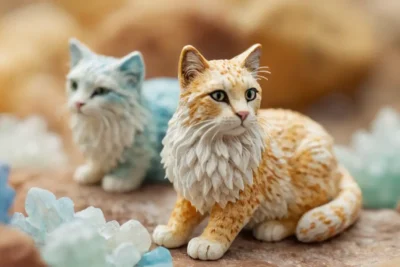
How to Get Along With a Cat: Your Ultimate Guide

Mastering the Art: How to Get Along With a Cat
Understanding feline behavior is the key to forging a strong and harmonious bond with your cat. This comprehensive guide will delve into the nuances of cat communication, essential care practices, and strategies to ensure a fulfilling relationship, answering the crucial question: How to get along with a cat? By respecting their nature and meeting their needs, you can transform your interactions from hesitant coexistence to genuine companionship.
𝙲𝚘𝚗𝚝𝚎𝚗𝚝
- Understanding Feline Communication: The Silent Language
- Building Trust and Respect: The Foundation of Friendship
- Essential Care for a Happy and Healthy Cat
- Enriching Their Environment: Keeping Your Cat Engaged
- Addressing Behavioral Challenges: Understanding the Root Cause
- The Joy of Companionship: A Rewarding Journey
Understanding Feline Communication: The Silent Language
Cats, unlike dogs, don't always vocalize their feelings. Their communication is a sophisticated blend of body language, scent marking, and subtle vocalizations. Learning to interpret these cues is paramount to understanding their needs and desires.
Body Language: A Window to Their Soul
The position of a cat's ears, tail, and pupils can reveal a wealth of information about their emotional state.
- Ears:
- Forward and relaxed: Content and curious.
- Forward and swiveling: Attentive, listening.
- Flattened back: Fearful or aggressive.
- Slightly to the side: Anxious or uncertain.
- Tail:
- Held high with a slight curve at the tip: Friendly and confident.
- Puffed up: Scared or angry, preparing to defend.
- Lashing back and forth rapidly: Agitated or annoyed.
- Slow, gentle swishing: Curious or thoughtful.
- Tucked under: Fearful or insecure.
- Eyes:
- Slow blinks: A sign of trust and affection, often called a "kitty kiss."
- Dilated pupils: Excitement, fear, or playfulness.
- Constricted pupils: Anger or aggression.
- Staring intently: Can be a sign of dominance or interest.
Vocalizations: Beyond the Meow
While the meow is the most recognizable feline sound, cats employ a variety of vocalizations to communicate.
- Meow: Typically used to communicate with humans, often for attention, food, or to express a need. The tone and length can vary to convey different meanings.
- Purr: Usually associated with contentment and relaxation, but can also be a self-soothing mechanism when stressed or injured.
- Hiss/Spit: A clear warning signal, indicating fear, aggression, or distress.
- Growl: A more serious warning than a hiss, often preceding an attack.
- Chirp/Trill: Friendly greetings or calls for attention, often used by mothers to their kittens.
- Yowl/Caterwaul: Can indicate distress, pain, or territorial disputes, especially common in unspayed cats.
Scent Marking: The Invisible Network
Cats use scent to mark their territory and communicate with other cats.
- Rubbing: When a cat rubs its face and body against furniture or people, it's depositing scent from glands located on their cheeks, chin, and flanks. This is a form of marking their territory and claiming ownership.
- Scratching: The act of scratching not only sharpens their claws but also leaves a visual mark and releases scent from glands in their paws.
- Urine Spraying: While less common in well-adjusted indoor cats, spraying is a territorial behavior used to mark boundaries.
Building Trust and Respect: The Foundation of Friendship
Establishing a trusting relationship with your cat requires patience, understanding, and a commitment to their well-being.
Respecting Their Space: The Independent Spirit
Cats are naturally independent creatures. Forcing interaction or overly boisterous play can be overwhelming for them.
Cat Hiccups: Causes, Solutions & When to Worry- Let them initiate: Allow your cat to approach you on their terms. Avoid chasing them or cornering them.
- Gentle greetings: When you enter a room, offer a quiet greeting and let them come to you if they wish.
- Observe their cues: If your cat shows signs of discomfort, such as flattened ears or a twitching tail, give them space.
Positive Reinforcement: Rewarding Good Behavior
Positive reinforcement is the most effective way to train and encourage desired behaviors in cats.
- Treats: Small, high-value treats can be used to reward good behavior, such as coming when called or using their scratching post.
- Praise and petting: Gentle verbal praise and strokes can also be powerful motivators.
- Playtime: Interactive play is crucial for a cat's physical and mental stimulation, and can be a rewarding experience for both of you.
Introducing Yourself Safely: The Art of the Slow Approach
When first meeting a cat or when a new cat enters your household, a slow and cautious introduction is essential.
- Scent swapping: Place an object with your scent (like a sock) in their area, and an object with their scent in yours.
- Visual introductions: Allow them to see each other from a distance, without direct interaction.
- Supervised meetings: Once they seem comfortable, allow short, supervised interactions in a neutral space.
Essential Care for a Happy and Healthy Cat
Providing for your cat's fundamental needs is non-negotiable for a good relationship.
Nutrition: Fueling a Feline Life
A balanced and species-appropriate diet is critical for your cat's overall health and well-being.
- High-quality cat food: Choose a food with high protein content, as cats are obligate carnivores.
- Wet vs. Dry food: A combination of both can offer benefits. Wet food contributes to hydration, while dry food can help with dental hygiene.
- Fresh water: Ensure constant access to fresh, clean water. Some cats prefer a water fountain.
- Avoid toxic foods: Be aware of foods that are poisonous to cats, such as onions, garlic, chocolate, and certain plants.
Grooming: More Than Just Cleanliness
Grooming is not only about keeping your cat clean but also about bonding and checking for any health issues.
- Brushing: Regular brushing helps reduce shedding, prevent hairballs, and can be a relaxing experience for your cat.
- Nail trimming: Occasional nail trims can prevent ingrown nails and damage to furniture. Introduce this slowly and positively.
- Dental care: Dental chews or brushing with pet-specific toothpaste can help maintain oral hygiene.
Veterinary Care: The Cornerstone of Health
Regular veterinary check-ups are essential for preventative care and early detection of any health problems.
- Annual check-ups: Vaccinations, parasite control, and general health assessments.
- Prompt attention: Don't hesitate to contact your vet if you notice any changes in your cat's behavior, appetite, or physical condition.
Enriching Their Environment: Keeping Your Cat Engaged
A stimulating environment is crucial for preventing boredom and behavioral problems in cats.
Boost Your Cat's Coat: A Guide to Growing Their HairPlaytime: The Hunter Within
Cats are natural hunters, and providing opportunities for them to engage in their instincts is vital.
- Interactive toys: Feather wands, laser pointers (used with caution to avoid frustration), and rolling balls can provide great exercise and mental stimulation.
- Solo play: Puzzle feeders and toys that dispense treats can keep them entertained when you're not around.
- Variety is key: Rotate toys to keep things interesting and prevent them from becoming bored.
Vertical Space: The Appeal of Heights
Cats feel secure and observant when they can survey their surroundings from elevated positions.
- Cat trees and shelves: These provide opportunities for climbing, perching, and napping in high places.
- Window perches: Allow them to watch the world go by, providing endless entertainment.
Scratching Posts: A Natural Outlet
Providing appropriate scratching surfaces is essential for their claw health and to redirect their scratching away from your furniture.
- Variety of materials: Offer different textures like sisal rope, cardboard, and carpet.
- Vertical and horizontal options: Cats have preferences for how they stretch and scratch.
Addressing Behavioral Challenges: Understanding the Root Cause
When behavioral issues arise, it's important to approach them with patience and understanding, focusing on the underlying cause rather than punishment.
Litter Box Woes: More Than Just a Potty Problem
Litter box issues can stem from various factors, including stress, medical conditions, or a dirty litter box.
- Cleanliness: Scoop the litter box daily and fully clean it with mild soap and water regularly.
- Number of boxes: The general rule is one litter box per cat, plus one extra.
- Location: Place litter boxes in quiet, accessible locations away from food and water.
- Litter type: Experiment with different litter types if your cat seems finicky.
- Veterinary check: Rule out any underlying medical issues like urinary tract infections.
Aggression: Understanding the Triggers
Aggression in cats can be a complex issue, often stemming from fear, territoriality, or pain.
- Identify triggers: Observe what situations or stimuli cause the aggressive behavior.
- Avoid punishment: Never physically punish an aggressive cat, as this will only increase their fear and aggression.
- Consult a professional: For persistent aggression, seek advice from your veterinarian or a certified feline behaviorist.
Excessive Vocalization: When Cats "Talk Too Much"
Some cats are naturally more vocal than others, but excessive meowing can indicate stress, hunger, or a desire for attention.
Hardening Dog Stool: Natural Solutions & Vet Advice- Rule out medical issues: Sudden changes in vocalization can signal pain or illness.
- Address their needs: Ensure they are fed, have clean litter, and have opportunities for play and interaction.
- Ignore attention-seeking meows: If you're sure their needs are met, ignoring attention-seeking vocalizations can sometimes help.
The Joy of Companionship: A Rewarding Journey
Building a strong bond with your cat is a deeply rewarding experience. By understanding their unique nature, providing for their needs, and communicating effectively, you can foster a relationship built on trust, respect, and affection. How to get along with a cat? It's about empathy, patience, and a willingness to learn their language. The purrs, the gentle head-butts, and the quiet companionship they offer are a testament to the beautiful connection you can forge. Embrace the journey, and you'll discover the profound joy of sharing your life with these enigmatic and wonderful creatures.
Cat Urinary Crystals: Types, Symptoms & Treatment Guide

Cat Weight: How Do I Know If My Cat Is Fat?

Encephalitis in Dogs: Symptoms, Causes & Treatment

Dog Cavities: Causes, Symptoms, and Treatment Options

Natural Flea Relief: Home Remedies for Fleas in Cats

Newborn Puppy Feeding Guide: From Birth to Weaning
Related posts