
Build Trust with Your Horse: A Comprehensive Guide
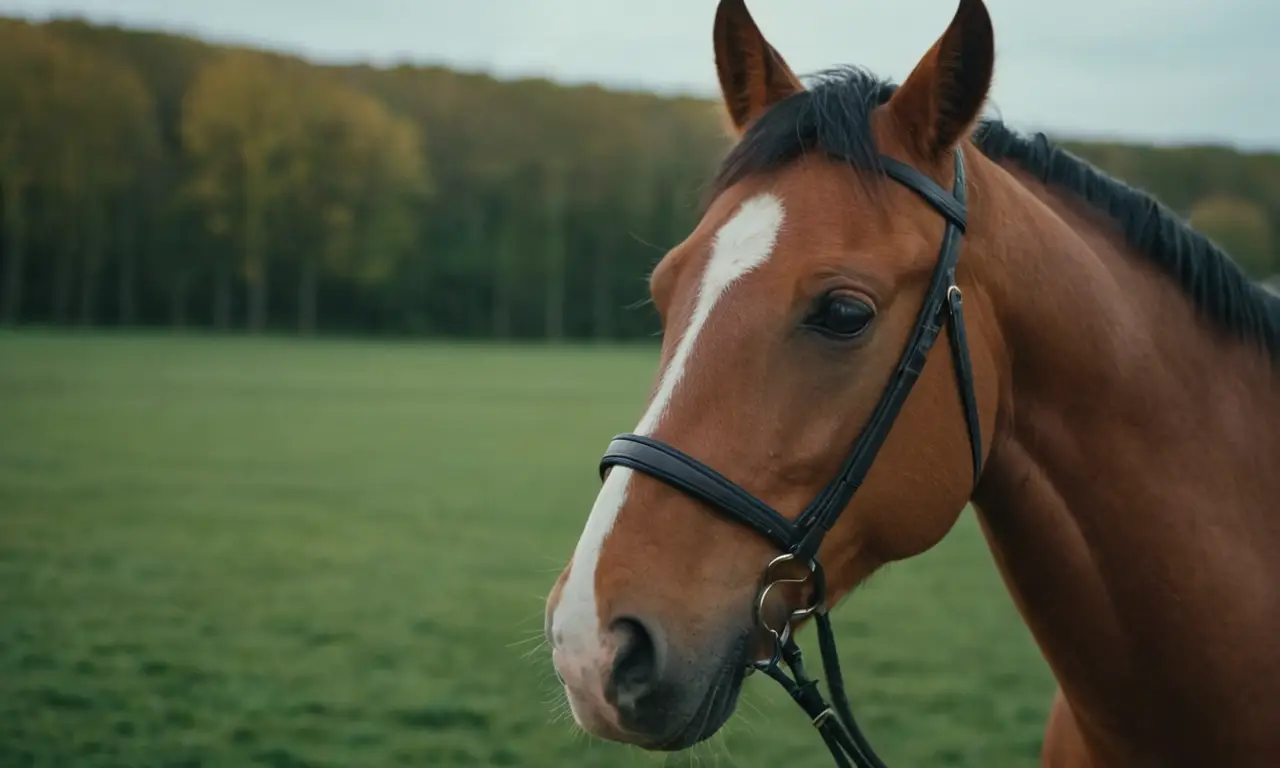
How to Make a Horse Trust Me: Building a Strong Bond
Earning the trust of a horse is a journey built on patience, consistency, and understanding their unique communication. This comprehensive guide will delve into the essential elements and practical steps required to foster a deep and unwavering bond of trust with your equine companion, transforming your relationship from one of mere management to one of true partnership.
𝙲𝚘𝚗𝚝𝚎𝚗𝚝
Understanding Equine Psychology and Trust
Before we embark on the practical steps, it's crucial to grasp the fundamental nature of horses and how they perceive trust. Horses are prey animals, and their survival instincts are deeply ingrained. This means they are naturally cautious and often inclined to flee from perceived threats. Trust, in their world, is earned by demonstrating that you are not a threat, but rather a safe and reliable presence.
Prey Animal Mentality
As prey animals, horses are constantly scanning their environment for danger. Their senses are finely tuned, and they react quickly to sudden movements, loud noises, or unfamiliar objects. This inherent caution is not a sign of mistrust towards you personally, but rather a survival mechanism. Understanding this allows us to approach them with sensitivity and avoid actions that might trigger their flight response.
Social Hierarchy and Herd Dynamics
Horses are highly social animals, living in herds with established social structures. Within a herd, trust is built through predictable interactions, clear communication, and mutual reliance. They look to their leaders for guidance and security. When you interact with a horse, you are, in a way, stepping into their social dynamic. Your consistency and leadership style will be interpreted through the lens of their herd experiences.
The Importance of Body Language
Horses communicate primarily through body language. Their ears, tail, eyes, and overall posture convey a wealth of information about their emotional state. Learning to "read" these signals is paramount to understanding whether your horse feels comfortable, anxious, curious, or fearful. Responding appropriately to their body language is a cornerstone of building trust.
Laying the Foundation: Initial Interactions
The initial encounters with a horse set the stage for the entire relationship. These early interactions should be focused on creating a positive and non-threatening environment. The goal is to let the horse become comfortable with your presence and your scent before asking for much.
Approach with Calmness and Respect
When you first approach a horse, do so slowly and with a calm demeanor. Avoid making sudden movements or loud noises. Speak in a soft, reassuring voice. Allow the horse to see and smell you before you get too close. If the horse appears anxious, back off slightly and try again, giving them more space and time to adjust.
The Power of a Gentle Touch
Once the horse seems comfortable with your presence, you can begin to offer gentle physical contact. Start with broad, sweeping strokes on their neck or shoulder, avoiding sensitive areas like their face or legs initially. Pay attention to their reaction. If they lean into your touch, it's a positive sign. If they flinch or move away, respect their boundaries and try again later.
Associating You with Positive Experiences
Crucially, you want the horse to associate your presence with good things. This could be as simple as offering a small, healthy treat after a positive interaction. However, be mindful of over-reliance on treats, as they can sometimes create dependency. The real "treat" is a calm, enjoyable interaction.
Developing a Consistent Routine
Consistency is key to building trust with any animal, and horses are no exception. They thrive on predictability. When you establish a regular schedule for feeding, grooming, and handling, your horse will learn what to expect from you, reducing anxiety and fostering a sense of security.
Predictable Feeding Times
Horses appreciate knowing when their next meal is coming. Irregular feeding times can cause stress and anxiety. Stick to a consistent schedule for providing hay and grain, and ensure fresh water is always available.
Training Your Cat: Making Your Feline Friend ListenRegular Grooming Sessions
Grooming is more than just keeping your horse clean; it's a vital bonding activity. Regular grooming sessions allow you to spend quiet, attentive time with your horse, learning their body and identifying any sore spots or sensitivities. Approach grooming with a gentle and thorough technique, making it a pleasant experience for them.
Consistent Handling and Training
Whether you're leading them, tying them, or preparing them for riding, consistency in your handling is paramount. Use the same cues and pressure consistently. If you are inconsistent with your commands or expectations, it can lead to confusion and a breakdown in trust.
Communication is a Two-Way Street
Building trust is about more than just what you do; it's about how you communicate and how you interpret your horse's communication. Learning to understand their subtle cues and responding appropriately is vital.
Observing and Interpreting Body Language
As mentioned before, body language is their primary language.
- Ears: Forward and alert can mean curiosity or engagement. Pinned back often signifies anger or fear. Relaxed and slightly back can indicate contentment.
- Tail: A swishing tail can indicate annoyance or flies. A tucked tail signals fear or submission. A relaxed tail hanging loosely suggests comfort.
- Eyes: Wide eyes with a lot of white showing can indicate fear or alarm. Soft, relaxed eyes suggest contentment.
- Posture: A tense, stiff posture indicates anxiety. A relaxed, fluid stance suggests comfort.
Using Clear and Gentle Cues
When giving commands, use clear, concise cues. This can be verbal, a light pressure from your hands or legs, or a specific rein cue. Avoid harsh or confusing signals. If your horse doesn't understand, try a simpler approach or break the task down into smaller steps.
Patience During Training
Training is a process, not an event. There will be days when your horse learns quickly and other days when they seem to struggle. Patience is essential. Pushing a horse too hard or getting frustrated will erode trust. Celebrate small victories and focus on progress, not perfection.
Creating Safe and Positive Environments
The environment in which you interact with your horse significantly impacts their sense of safety and trust. Ensure their living space and training areas are secure and free from unnecessary stressors.
Secure and Comfortable Living Quarters
A horse that feels safe and comfortable in their stable or paddock is more likely to be relaxed and trusting. Ensure their living space is clean, free from hazards, and offers adequate shelter.
Familiar and Calm Training Areas
When introducing new training exercises or taking your horse to a new location, do so gradually and with minimal distractions. If you're working in an arena, ensure it's not overcrowded or filled with unfamiliar objects that might startle them.
Gradual Introduction to New Experiences
New experiences can be a source of anxiety for horses. Whether it's introducing them to a new piece of equipment, a different rider, or a new environment, do it slowly and in a controlled manner. Allow them to investigate at their own pace.
Advanced Trust-Building Techniques
Once a basic level of trust is established, you can introduce more advanced techniques to deepen your bond. These often involve exercises that require the horse to rely on your guidance and feel secure in your presence even when faced with mild challenges.
Puppy Playtime: Fun Ways on **How to Play with a Puppy**Desensitization and Counter-Conditioning
This involves gradually exposing your horse to stimuli that might otherwise scare them, while pairing these stimuli with positive reinforcement. For example, you might gradually introduce the sound of a plastic bag rustling, rewarding your horse with praise or a small treat when they remain calm. This teaches them that scary things aren't always dangerous when you're around.
Trust Exercises
There are many specific exercises designed to build trust. These can include:
- Leading exercises: Practicing leading your horse in different environments, including uneven terrain or through small water crossings.
- Groundwork exercises: Such as yield to pressure, where the horse learns to move away from light pressure, teaching them to respond to your cues.
- Liberty work: Working with your horse at liberty (without a halter or lead rope) requires a high level of trust and understanding of each other's cues.
Respecting Their "No"
Just as you expect your horse to respect your cues, you must also respect theirs. If your horse is showing clear signs of fear or discomfort, pushing them to do something they're not ready for will break trust. Learn to recognize when they are genuinely scared and adjust your expectations accordingly.
Common Pitfalls to Avoid
Even with the best intentions, some common mistakes can hinder your progress in building trust. Being aware of these can help you avoid them.
Impatience and Frustration
This is perhaps the most significant trust-breaker. If you become impatient or frustrated with your horse, they will sense it. This can lead to anxiety and a reluctance to interact with you. Always strive for a calm and patient approach.
Inconsistency
As discussed, inconsistency in handling, training, and routine can confuse your horse and erode their trust in your leadership.
Over-Reliance on Treats
While treats can be a useful tool, they shouldn't be the sole motivator. A horse that only works for treats may not be genuinely trusting you but rather seeking a reward. Focus on building a relationship where they want to please you.
Ignoring Their Body Language
Failing to recognize and respond to your horse's signals of discomfort or fear can be detrimental to trust. You need to be a student of their communication.
Harsh Handling
Using excessive force, loud yelling, or rough handling will immediately damage trust. Horses are sensitive creatures, and a gentle, respectful approach is always best.
The Reward of a Trusted Partnership
Building trust with a horse is a journey that requires dedication, understanding, and a genuine desire for a partnership. The rewards, however, are immeasurable. A trusted horse is a willing partner, a companion that looks to you for guidance and security. This deep connection allows for enjoyable riding experiences, safer handling, and a profound emotional bond that enriches both your lives. Remember, how to make a horse trust me is not about dominance, but about becoming a reliable, respectful, and safe leader they can depend on. The more you invest in understanding and respecting your horse, the stronger and more profound your bond will become.
In summary
The journey of how to make a horse trust me is an ongoing commitment to understanding, patience, and consistent positive interactions. By respecting their nature as prey animals, communicating effectively through their body language, and creating a safe and predictable environment, you can forge a bond of trust that is both deep and enduring. This trust is the foundation of a true partnership, allowing for a richer and more fulfilling relationship with your equine companion.
Stop Cat Climbing: Furniture-Friendly Solutions
Cat Leash Training: Your Step-by-Step Guide
Mastering Dog Training: Defense & Attack Techniques

Dog Behavior Expert: When Your Pet Needs Guidance
Stop Garden Holes: Effective Ways to Prevent Dog Digging
Overcoming Canine Insecurity & Fear: A Comprehensive Guide
Stop Male Dog Fights: Expert Tips for Harmony
Related posts