
How to Make a Malnourished Cat Gain Weight Safely
How to Make a Malnourished Cat Gain Weight Safely
A malnourished cat is a heartbreaking sight, often a testament to neglect, illness, or extreme circumstances. Witnessing your feline friend’s skeletal frame and lack of energy is distressing, and the immediate urge is to help them recover. The process of helping a malnourished cat gain weight safely and effectively requires a multifaceted approach, prioritizing their health and well-being above all else. This comprehensive guide will delve into the crucial steps involved, from initial assessment and veterinary consultation to dietary adjustments, environmental enrichment, and long-term monitoring. Our focus will be on providing you with the knowledge to How to make a malnourished cat gain weight with a compassionate and informed strategy.
Understanding Malnutrition in Cats
Malnutrition in cats can manifest in various ways, not just extreme thinness. While emaciation is the most visible sign, other indicators include a dull or unkempt coat, lethargy, decreased appetite, muscle loss, susceptibility to illness, and even behavioral changes like increased aggression or timidity. It's crucial to understand that malnutrition isn't always due to lack of food; it can stem from underlying medical conditions that prevent proper nutrient absorption, increased metabolic demands (like during pregnancy or lactation), or an inability to access food.
The Paramount Importance of Veterinary Consultation
Before embarking on any weight gain program, the absolute first step for a malnourished cat is a thorough veterinary examination. This is not a step to be skipped or delayed. A veterinarian can:
- Diagnose underlying causes: Malnutrition is often a symptom of a deeper problem. Your vet can identify and treat conditions like parasites, dental disease, kidney disease, hyperthyroidism, inflammatory bowel disease (IBD), or infections that are hindering the cat's ability to gain weight.
- Assess the cat's overall health: They will evaluate the cat's hydration levels, organ function, and body condition score to determine the extent of malnutrition and any immediate health risks.
- Recommend a tailored feeding plan: Based on the cat's specific needs, health status, and any identified underlying conditions, the vet can create a personalized diet and feeding schedule.
- Advise on safe refeeding strategies: Rapid refeeding can be dangerous for severely malnourished animals due to refeeding syndrome, a potentially fatal metabolic complication. Your vet will guide you on how to introduce food gradually and safely.
- Prescribe necessary medications or supplements: If parasites are present or other medical issues are identified, the vet will prescribe appropriate treatments. They might also suggest specific supplements to aid in nutrient absorption or overall health.
Never attempt to force-feed a severely underweight cat or drastically change their diet without professional guidance. This can do more harm than good.
Gradual and Nutrient-Dense Feeding Strategies
Once your veterinarian has given you the green light and a plan, you can begin implementing a feeding strategy designed to promote healthy weight gain. The key is to be patient, consistent, and to offer highly palatable and nutrient-dense foods.
1. High-Calorie, High-Protein Cat Food
The cornerstone of helping a malnourished cat gain weight is feeding them a diet that is rich in calories and protein. Look for:
How to Make Your Rabbit Affectionate: A Gentle Guide- Kitten food: Kitten food is generally higher in calories, protein, and essential nutrients than adult cat food, making it an excellent choice for underweight cats.
- Recovery diets: Many veterinary brands offer specialized "recovery" or "convalescence" diets. These are formulated to be highly digestible, palatable, and energy-dense, often in a wet food form that can be easily administered and is more appealing.
- High-quality wet food: Wet food is often preferred for underweight cats because it's more palatable, easier to digest, and helps with hydration. Look for brands with a high percentage of meat and fewer fillers.
2. Introducing New Foods Gradually
If your cat has been deprived or has a sensitive stomach, sudden changes in diet can lead to digestive upset. Introduce new foods slowly over several days:
- Day 1-2: Mix a small amount (10-25%) of the new food with their current food.
- Day 3-4: Increase the ratio to 50% new food and 50% old food.
- Day 5-6: Aim for 75% new food and 25% old food.
- Day 7 onwards: Transition to 100% of the new food.
Monitor your cat closely for any signs of vomiting, diarrhea, or reduced appetite during this transition.
3. Increasing Feeding Frequency
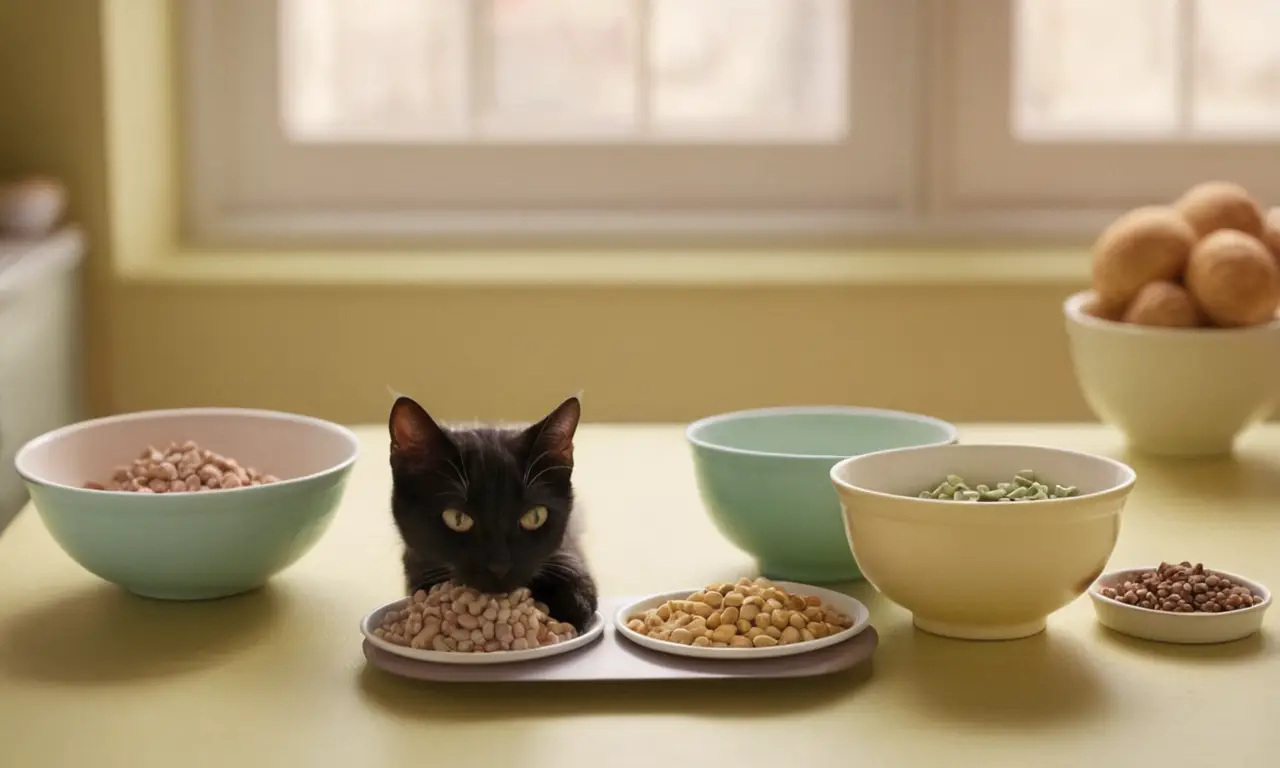
Instead of one or two large meals, offer smaller, more frequent meals throughout the day. This can be easier on their digestive system and ensures a consistent intake of calories. Aim for 4-6 small meals per day, or even free-feeding if your vet approves and it doesn't lead to overeating or scavenging.
4. Enhancing Palatability
Making food more appealing is crucial for encouraging a reluctant eater. Try these methods:
- Warming the food: Gently warming wet food (to body temperature, not hot) can release aromas and make it more enticing.
- Adding tempting toppers: A small amount of plain, cooked chicken or fish (without bones or seasonings), a lickable treat (like Churu or Temptations), or a tablespoon of unsalted chicken broth can make the food irresistible.
- Offering different textures and flavors: Experiment with various brands and types of wet food (pate, chunks in gravy, etc.) to see what your cat prefers.
5. Nutritional Supplements (Under Veterinary Guidance)
Your veterinarian may recommend specific supplements to support weight gain and overall health:
- High-calorie supplements: Syringes of high-calorie nutritional pastes or gels can be given between meals to boost calorie intake. Ensure you follow your vet's dosage recommendations.
- Probiotics: These can help improve gut health and nutrient absorption, which is vital for weight gain.
- Vitamins and minerals: If the cat's diet has been deficient for a long time, they might need targeted vitamin and mineral supplements.
Environmental Enrichment and Stress Reduction
A cat's environment plays a significant role in their overall well-being and their willingness to eat.
DIY Turtle Aquaterrarium: Step-by-Step Guide for Beginners1. Safe and Quiet Feeding Area
Ensure your cat has a designated feeding spot that is:
- Quiet and undisturbed: Away from high-traffic areas, loud noises, or other pets that might intimidate them.
- Clean: Food bowls should be washed daily to prevent bacterial growth.
- Accessible: Easy for them to reach, especially if they are weak.
2. Reducing Stressors
Stress can suppress appetite. Identify and minimize any potential stressors in their environment:
- Gentle handling: Approach them calmly and avoid sudden movements or loud noises.
- Provide hiding places: Offer plenty of safe, enclosed spaces where they can retreat and feel secure.
- Slow introductions to new people/pets: If you have other animals, ensure introductions are managed carefully and positively.
3. Encouraging Gentle Play
Once your cat starts to regain some strength, gentle play can stimulate their appetite and improve their mood. Use feather wands or laser pointers for short, low-impact sessions.
Monitoring Progress and Adjustments
Weight gain is a process, and it's essential to track your cat's progress and make adjustments as needed.
1. Regular Weigh-ins
Weigh your cat at home (or at the vet's office) regularly, perhaps once a week. Keep a log of their weight to track their progress. Aim for a steady, gradual increase rather than rapid spikes.
2. Observing Body Condition
Beyond the scale, observe your cat's physical condition:
Canary Breeding Paste: Your DIY Guide for Happy Birds- Visible ribs/spine: Are they becoming less prominent?
- Muscle mass: Do they appear to be filling out?
- Coat quality: Is their fur becoming glossier and less dull?
- Energy levels: Are they becoming more active and engaged?
3. When to Contact Your Vet
- No weight gain or continued weight loss: If your cat isn't gaining weight despite your efforts, or is losing weight, contact your vet immediately.
- Vomiting or diarrhea: Persistent digestive issues need veterinary attention.
- Changes in appetite: A sudden decrease in appetite after a period of improvement is concerning.
- Lethargy or illness: Any signs of sickness should be reported.
Common Challenges and Solutions
- Picky eaters: This is very common in malnourished cats. Persistence, variety, and warming food are key. Sometimes, a vet might prescribe appetite stimulants.
- Digestive upset: Introduce food slowly, and consider probiotics. If severe, consult your vet.
- Underlying medical issues: This is why the initial vet visit is so crucial. Ongoing treatment might be necessary.
- Refeeding syndrome: Your vet will advise on safe refeeding protocols to avoid this. Symptoms include lethargy, tremors, and breathing difficulties.
Long-Term Health and Well-being
Once your cat has reached a healthy weight, the journey isn't over. Continue to provide them with a high-quality, balanced diet appropriate for their age and activity level. Regular veterinary check-ups are essential to monitor their long-term health and ensure they remain in good condition. Building trust and providing a stable, loving environment will help them thrive after their ordeal.
Helping a malnourished cat gain weight is a rewarding but demanding process. It requires patience, dedication, and a strong partnership with your veterinarian. By following these guidelines and prioritizing your cat's health at every step, you can guide them back to a healthy, vibrant life. Remember, How to make a malnourished cat gain weight safely is a journey of recovery that starts with professional care and is sustained by attentive, loving support.
Cat Urinary Crystals: Types, Symptoms & Treatment Guide
Cat Weight: How Do I Know If My Cat Is Fat?

Encephalitis in Dogs: Symptoms, Causes & Treatment

Dog Cavities: Causes, Symptoms, and Treatment Options
Natural Flea Relief: Home Remedies for Fleas in Cats

Newborn Puppy Feeding Guide: From Birth to Weaning
Related posts