

Expert Guide: How to Make My Dog Lose Weight Safely
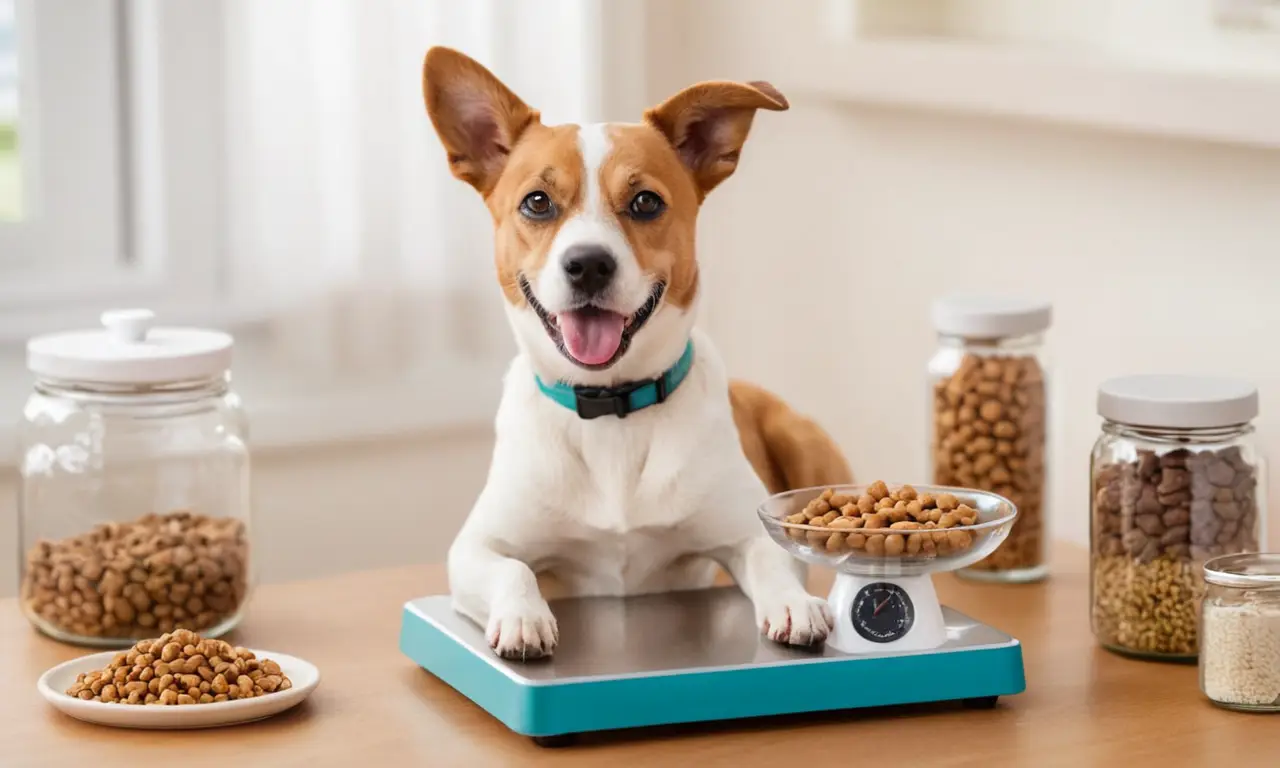
How to Make My Dog Lose Weight Safely and Effectively
Obesity in dogs is a growing concern for pet owners, leading to a multitude of health issues that can significantly impact their quality of life and lifespan. This comprehensive guide delves into the crucial steps and considerations involved in helping your canine companion shed those extra pounds. From understanding the root causes of weight gain to implementing sustainable diet and exercise plans, we will equip you with the knowledge and strategies to embark on a successful weight loss journey for your beloved pet. It's important to remember that any significant dietary or exercise changes should be discussed with your veterinarian to ensure they are tailored to your dog's specific needs and health status.
𝙲𝚘𝚗𝚝𝚎𝚗𝚝
- Understanding Canine Obesity: More Than Just a Few Extra Pounds
- The Foundation of Weight Loss: Consulting Your Veterinarian
- Diet Modifications: Fueling Your Dog's Weight Loss Journey
- Exercise: Igniting Your Dog's Metabolism
- Monitoring Progress and Staying Motivated
- The Role of Family and Household Members
- Long-Term Commitment to a Healthy Lifestyle
Understanding Canine Obesity: More Than Just a Few Extra Pounds
Canine obesity is defined as an excess accumulation of body fat, typically when a dog's weight is 10-20% above its ideal body weight. This condition is not merely an aesthetic issue; it poses serious health risks. Overweight dogs are at a higher risk of developing:
- Osteoarthritis: Excess weight puts undue stress on joints, accelerating cartilage wear and causing pain and inflammation.
- Heart Disease: The cardiovascular system works harder to pump blood through extra body mass, increasing the risk of heart problems.
- Diabetes Mellitus: Obesity can lead to insulin resistance, a precursor to diabetes.
- Respiratory Issues: Extra weight can restrict lung capacity and make breathing more difficult, especially during exercise.
- Certain Cancers: Some studies suggest a link between obesity and an increased risk of certain types of cancer.
- Liver Disease: Fat accumulation can impair liver function.
- Reduced Lifespan: Studies have shown that overweight dogs often have a shorter lifespan than their healthy-weight counterparts.
Identifying the Causes of Weight Gain
Before you can effectively address your dog's weight problem, it's essential to understand why they might have gained weight in the first place. Common culprits include:
- Overfeeding: This is perhaps the most prevalent cause. Many owners unknowingly overfeed their dogs, either by providing too much food at meal times or by offering excessive treats and table scraps.
- High-Calorie Diet: Not all dog foods are created equal. Diets high in fat and low in fiber can contribute to weight gain.
- Lack of Exercise: A sedentary lifestyle means your dog isn't burning enough calories to match their intake. This is particularly common in breeds prone to lower energy levels or in dogs that spend a lot of time indoors.
- Age: As dogs age, their metabolism slows down, and they may become less active. Without adjusting their diet and exercise accordingly, weight gain can occur.
- Neutering/Spaying: These procedures can sometimes lead to a slight decrease in metabolic rate, which, if not managed with diet and exercise, can result in weight gain.
- Medical Conditions: While less common, certain underlying medical conditions such as hypothyroidism can lead to weight gain. This is why a veterinary consultation is crucial.
- Genetics: Some breeds are predisposed to weight gain. However, even with a genetic predisposition, responsible management of diet and exercise can prevent obesity.
The Foundation of Weight Loss: Consulting Your Veterinarian
The very first and most critical step in figuring out How to make my dog lose weight? is to consult your veterinarian. They are your most valuable resource for a safe and effective weight loss plan. Your vet will:
Win Your Dog's Heart: Proven Tips for a Stronger Bond- Assess Your Dog's Overall Health: They will perform a thorough physical examination to rule out any underlying medical conditions contributing to the weight gain.
- Determine Ideal Body Weight: Based on your dog's breed, age, sex, and frame, your vet can accurately estimate their ideal weight.
- Calculate Calorie Needs: They can calculate the precise number of calories your dog needs daily to achieve gradual and healthy weight loss. This is not a one-size-fits-all approach.
- Recommend Appropriate Food: Your vet might suggest a specific prescription diet formulated for weight loss, or they can guide you on selecting a high-quality commercial food that is suitable.
- Develop a Tailored Exercise Plan: They can advise on the type, duration, and intensity of exercise that is safe and beneficial for your dog.
- Set Realistic Goals and Timelines: Healthy weight loss is a gradual process. Your vet will help you set achievable goals and monitor your dog's progress.
Diet Modifications: Fueling Your Dog's Weight Loss Journey
Diet plays a paramount role in canine weight loss. Making informed choices about what and how much your dog eats is essential.
Choosing the Right Food
- Weight Management Diets: Many pet food companies offer specially formulated "weight management" or "light" formulas. These typically have fewer calories and fat while being higher in fiber to help your dog feel fuller for longer.
- Prescription Weight Loss Diets: For significant weight loss, your veterinarian may prescribe a specific diet. These are scientifically formulated to meet nutritional needs while being calorie-controlled.
- High-Quality Ingredients: Regardless of the type of food, look for brands that use high-quality protein sources, whole grains, and essential nutrients. Avoid foods with excessive fillers, artificial colors, and flavors.
Portion Control is Key
- Measure Accurately: Never "eyeball" your dog's food. Use a standard measuring cup to ensure you are feeding the exact portion recommended by your vet.
- Divide Meals: Feeding your dog two or three smaller meals throughout the day can help manage hunger and improve digestion.
- Avoid Free-Feeding: Leaving food out all day can lead to overconsumption, especially if your dog is a "grazer." Scheduled mealtimes are best for weight management.
The Truth About Treats
Treats can be a wonderful tool for training and bonding, but they can also be a hidden source of extra calories.
- Account for Treats in Daily Intake: The calories from treats should be factored into your dog's total daily caloric intake. If you give a treat, you may need to slightly reduce their meal portion.
- Choose Healthy Treats: Opt for low-calorie, healthy options like small pieces of cooked, unseasoned chicken, carrots, green beans, or commercially available low-calorie dog treats.
- Use Kibble as Treats: You can set aside a portion of your dog's regular kibble to use as training treats.
- Limit Table Scraps: Human food is often high in fat, salt, and can be toxic to dogs. Strictly avoid feeding your dog from your plate.
Hydration Matters
Ensure your dog always has access to fresh, clean water. Proper hydration is crucial for overall health and can sometimes help with satiety.
Exercise: Igniting Your Dog's Metabolism
Alongside diet, a consistent and appropriate exercise routine is vital for burning calories and building lean muscle mass.
Cat Introduction Guide: How to Make One Cat Accept AnotherCreating an Exercise Plan
- Start Gradually: If your dog is currently inactive or overweight, begin with short, low-impact exercises and gradually increase the duration and intensity.
- Daily Walks: Aim for at least two walks per day. The length and pace should be tailored to your dog's fitness level and breed. For many dogs, a brisk 20-30 minute walk twice a day is a good starting point.
- Variety is the Spice of Life (and Exercise): Mix up your dog's exercise routine to keep them engaged and prevent boredom. This can include:
- Fetch: A classic for energetic dogs.
- Tug-of-War: A fun way to engage their muscles.
- Swimming: Excellent for dogs with joint issues as it's low-impact.
- Dog Parks: Supervised play with other dogs can be great cardio.
- Hiking: Longer, more challenging walks in nature.
- Agility or Obedience Training: These activities are mentally stimulating and physically demanding.
- Consider Your Dog's Breed and Age: Some breeds are naturally more athletic than others. Older dogs or those with health conditions may require gentler forms of exercise.
Making Exercise Fun and Engaging
- Interactive Toys: Puzzle toys that dispense treats or require mental effort can keep your dog occupied and burn calories.
- Playdates: Arranging playdates with well-behaved dogs can provide excellent social and physical exercise.
- Enthusiasm is Contagious: Your positive attitude towards exercise will encourage your dog to be more enthusiastic.
Monitoring Progress and Staying Motivated
Weight loss is a journey, and it's important to track progress and celebrate milestones.
Regular Weigh-Ins
- Veterinary Check-ups: Schedule regular weigh-ins with your veterinarian. They can accurately assess your dog's weight loss and make adjustments to the plan as needed.
- Home Weigh-ins (with caution): If your vet allows, you can weigh your dog at home on a pet scale or by weighing yourself, then weighing yourself holding your dog, and subtracting the difference. However, veterinary scales are generally more accurate.
Behavioral Changes to Observe
Beyond the scale, look for other positive changes:
- Increased Energy Levels: Your dog may seem more playful and enthusiastic.
- Improved Mobility: They might find it easier to jump, climb stairs, or get up.
- Better Digestion: A healthier diet and more exercise can lead to more regular bowel movements.
- Shinier Coat: Good nutrition often reflects in a healthy coat.
Dealing with Setbacks
There may be times when progress slows or plateaus. Don't get discouraged!
- Revisit the Plan: Discuss any concerns with your veterinarian. They can help identify if there are any issues with the current diet or exercise regimen.
- Be Patient: Healthy weight loss takes time. Focus on consistency rather than rapid results.
- Celebrate Small Victories: Acknowledge and reward your dog's efforts with praise and affection.
The Role of Family and Household Members
Successful weight loss requires a united front. Ensure all members of the household are on board with the new feeding and exercise plan.
Neighbor's Dog Barking? Effective Solutions Revealed- Consistent Feeding: Everyone should adhere to the same portion sizes and feeding schedules.
- No Secret Treats: Make sure no one is sneaking your dog extra food or forbidden human scraps.
- Shared Exercise Responsibilities: Encourage everyone to participate in walks and playtime.
Long-Term Commitment to a Healthy Lifestyle
Once your dog reaches their target weight, the work isn't over. The goal is to maintain a healthy weight for the rest of their lives.
- Transition to a Maintenance Diet: Your vet will guide you on transitioning your dog to a maintenance food or adjusting the portions of their weight management diet.
- Continued Exercise: Regular exercise should remain a staple in your dog's life to prevent weight regain.
- Regular Monitoring: Continue with regular veterinary check-ups and monitor your dog's weight to catch any potential issues early.
Helping your dog lose weight is a rewarding experience that will undoubtedly improve their health and happiness. By working closely with your veterinarian, implementing a balanced diet, and incorporating regular exercise, you are giving your furry friend the gift of a longer, healthier, and more active life. The journey to a healthier weight for your dog is a commitment, but the benefits are immeasurable. Remember, when in doubt about How to make my dog lose weight?, your veterinarian is always the best resource.
Cat Urinary Crystals: Types, Symptoms & Treatment Guide

Cat Weight: How Do I Know If My Cat Is Fat?

Encephalitis in Dogs: Symptoms, Causes & Treatment
Dog Cavities: Causes, Symptoms, and Treatment Options

Natural Flea Relief: Home Remedies for Fleas in Cats

Newborn Puppy Feeding Guide: From Birth to Weaning
Related posts