
Puppy Playtime: Fun Ways on **How to Play with a Puppy**
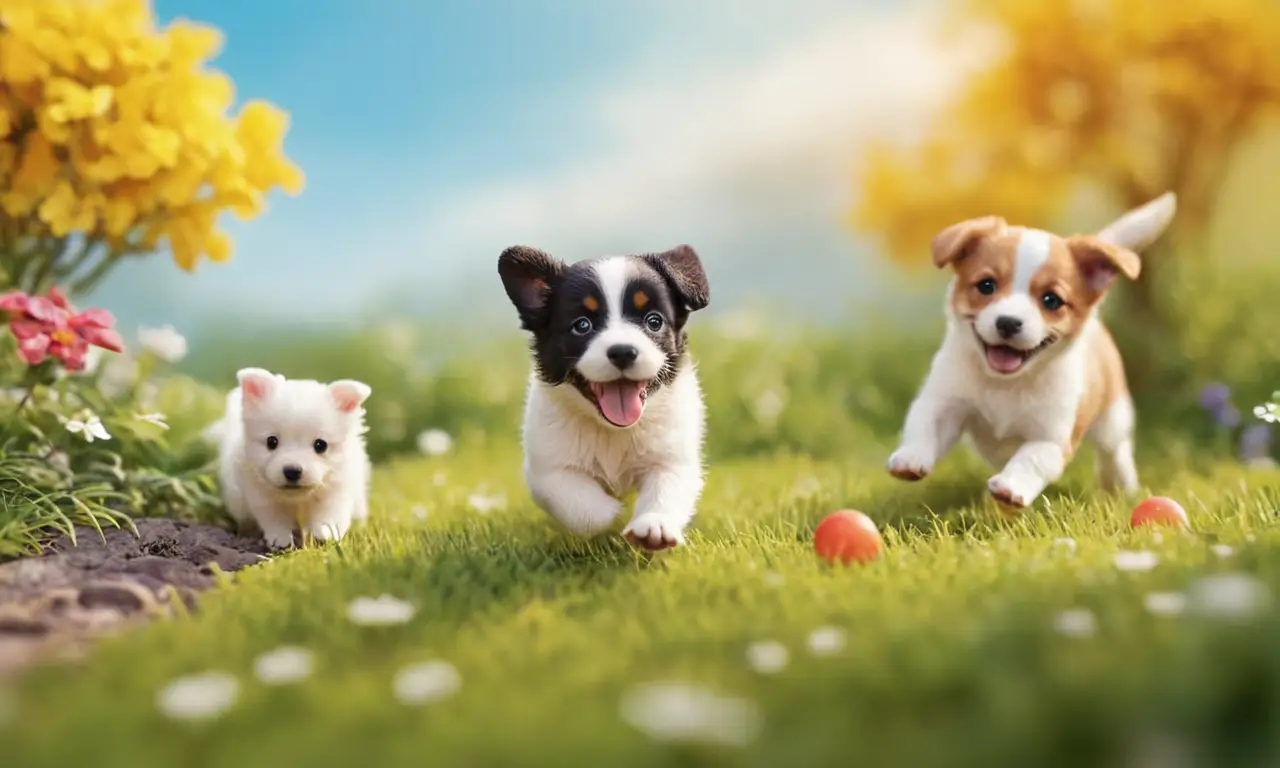
Mastering Puppy Playtime: Essential Tips on How to Play with a Puppy
Welcoming a new puppy into your home is an incredibly exciting time, filled with boundless energy and adorable antics. While the sheer joy of a furry companion is undeniable, understanding how to play with a puppy is crucial for their development, socialization, and a strong bond between you. Play is not merely a pastime for puppies; it's their primary way of learning about the world, their physical capabilities, and their place within their social group. This comprehensive guide will delve into the multifaceted aspects of puppy play, offering practical advice and engaging ideas to ensure your furry friend grows into a well-adjusted and happy dog. From understanding their developmental stages to choosing the right toys and implementing effective play strategies, we'll cover everything you need to know to make playtime a rewarding experience for both of you.
𝙲𝚘𝚗𝚝𝚎𝚗𝚝
Understanding Your Puppy's Play Needs: A Developmental Perspective
Puppies are born with an innate drive to play, and this instinct evolves as they grow. Understanding these developmental stages is key to tailoring your play sessions effectively.
The Neonatal and Transitional Periods (0-3 Weeks)
During these early weeks, puppies are primarily focused on survival: sleeping, feeding, and growing. Their play is limited to nudging their littermates and exploring their immediate surroundings. Human interaction at this stage is minimal and focuses on gentle handling.
The Socialization Period (3-12 Weeks)
This is arguably the most critical period for learning and development, and play is central to it. Puppies begin to engage in more complex play behaviors, mimicking adult dog interactions and learning crucial social cues.
- Bite Inhibition: Playing with littermates teaches puppies how much pressure is too much when biting. If a puppy bites too hard, the other yelps and disengages, teaching them to moderate their bite force. This is where your role in continuing bite inhibition training becomes vital.
- Social Cues: Puppies learn body language, appeasement gestures, and the dynamics of play through interaction with their siblings and mother.
- Physical Coordination: Chasing, wrestling, and tumbling help develop their motor skills and coordination.
- Exploration: Puppies use play to explore their environment, discovering new textures, sounds, and smells.
The Juvenile Period (3-6 Months)
As puppies transition into adolescence, their play becomes more boisterous and may involve more challenging games. They are testing boundaries and solidifying their social hierarchy. This is a prime time for structured play and training to channel their energy positively.
The Adolescent Period (6-18 Months)
This period is marked by a surge in energy and a continued exploration of their independence. Play remains a vital outlet for physical and mental stimulation, and it's essential to maintain consistent training and play routines to prevent destructive behaviors.
Essential Components of Effective Puppy Playtime
Successful playtime with your puppy involves more than just throwing a ball. It requires understanding their needs and providing a stimulating and safe environment.
Stop Cat Climbing: Furniture-Friendly Solutions1. Choosing the Right Toys
The market is flooded with puppy toys, but not all are created equal. The best toys for your puppy will depend on their age, breed, and chewing habits.
- Chew Toys: Puppies explore the world with their mouths, and chewing is a natural behavior, especially during teething. Provide a variety of durable chew toys made from safe materials like Nylabone, KONG, or natural rubber.
- Benefits: Helps relieve teething discomfort, redirects chewing from household items, and provides mental stimulation.
- Considerations: Ensure toys are appropriately sized to prevent choking hazards. Rotate toys to keep your puppy engaged.
- Interactive Toys: These toys encourage engagement and mental stimulation, strengthening your bond.
- Fetch Toys: Balls, frisbees, and ropes are excellent for games of fetch, improving recall and physical exercise.
- Puzzle Toys/Treat Dispensers: These toys require your puppy to solve a problem to get a treat. They are fantastic for mental enrichment and can keep a puppy occupied for extended periods. Examples include KONG Wobblers, treat balls, and snuffle mats.
- Tug Toys: Durable ropes or rubber toys are great for supervised tug-of-war games.
- How to Play Tug: Teach your puppy "drop it" or "give" commands. Allow your puppy to win some rounds to build confidence, but also end the game if they become too rough or possessive. Stop the game immediately if they show signs of aggression.
- Plush Toys: Soft, cuddly toys can provide comfort and a sense of security, especially for young puppies. However, supervise closely, as some puppies can rip them apart and ingest the stuffing.
2. Safety First: Ensuring a Secure Play Environment
Your puppy's safety should always be your top priority during play.
- Supervision: Never leave a puppy unsupervised with new toys, especially plush ones or those with small parts.
- Inspect Toys Regularly: Check toys for any signs of damage, such as rips, tears, or loose parts. Discard damaged toys immediately to prevent choking or ingestion hazards.
- Environment: Ensure the play area is free of hazards. Puppy-proof your home by removing electrical cords, toxic plants, and small objects that could be swallowed.
- Appropriate Surfaces: Avoid playing on slippery surfaces that could lead to injuries. Grass, carpet, or non-slip mats are ideal.
3. Understanding Puppy Play Signals
Learning to read your puppy's body language is crucial to ensure play is enjoyable for both of you and to avoid overstimulation or potential conflicts.
- Play Bow: A classic signal where the puppy lowers its front half while keeping its rear end up. This is an invitation to play.
- Wagging Tail: A loose, sweeping tail wag usually indicates happiness and excitement. However, a stiff, high tail wag can signal arousal or even aggression.
- Loose Body: A relaxed, wiggly body, soft eyes, and a relaxed jaw suggest the puppy is enjoying themselves.
- Exaggerated Movements: Play often involves exaggerated movements, such as playful growls, leaps, and spins.
- "Freezes": If your puppy suddenly stops playing and becomes stiff, it might be overwhelmed or uncomfortable. Give them space.
- Whining or Yipping: Excessive whining or yipping can indicate overstimulation, frustration, or pain.
4. Mastering How to Play with a Puppy: Specific Play Activities
Engaging your puppy in various activities will contribute to their physical and mental well-being.
- Fetch: A timeless classic. Start with short distances and gradually increase as your puppy’s recall improves.
- Tips: Make it exciting by varying your throws. Reward successful retrieves with praise and a treat. If your puppy doesn't bring the toy back, don't chase them; try to entice them to come to you with another toy or a treat.
- Tug-of-War: A great way to build a bond and teach impulse control.
- Rules: Always establish a "drop it" or "give" command. If your puppy’s teeth touch your skin, the game stops immediately. This teaches them to be gentle. End the game on a positive note.
- Hide-and-Seek: A fun game that engages their scent and problem-solving skills.
- How to Play: Have someone hold your puppy while you hide. Call their name and reward them with praise and a treat when they find you. Gradually make your hiding spots more challenging.
- Flirt Pole: This is a pole with a lure (like a rope or fabric) attached to a string. It mimics prey movement and is excellent for channeling predatory instincts and providing cardiovascular exercise.
- How to Use: Drag the lure along the ground, letting your puppy chase it. Allow them to "catch" it occasionally.
- Agility and Obstacle Courses: Set up simple obstacle courses in your backyard using household items like tunnels (cardboard boxes), weave poles (cones or broomsticks), and low jumps (pillows).
- Benefits: Enhances coordination, confidence, and problem-solving abilities.
- Social Play with Other Dogs: Once your puppy is fully vaccinated, supervised playdates with well-socialized, vaccinated adult dogs can be incredibly beneficial.
- Benefits: Helps them learn canine social cues and develop appropriate play manners. Ensure the other dog is calm and tolerant.
The Importance of Structure and Boundaries in Play
While fun and games are vital, it's essential to incorporate structure and set boundaries to prevent problematic behaviors.
1. Bite Inhibition Training
This is perhaps the most critical aspect of playing with a puppy. Puppies need to learn that human skin is not a chew toy.
- When Your Puppy Bites Too Hard: Yelp loudly, withdraw your hand or body part, and briefly disengage from play. This mimics the reaction of a littermate.
- Redirect Chewing: If your puppy starts to mouth or chew on you, immediately redirect their attention to an appropriate chew toy.
- Consistency is Key: Everyone in the household needs to be consistent with this approach.
2. Teaching "Drop It" and "Leave It"
These commands are invaluable for safety and control during play.
Keep Your Cat Safe: Stop Tree Climbing Safely- "Drop It": When your puppy has an item in their mouth, offer them a high-value treat. As they open their mouth to take the treat, say "drop it." Once they release the item, praise them and give them the treat.
- "Leave It": Place a treat on the floor and cover it with your hand. When your puppy tries to get it, say "leave it." As soon as they back away or stop trying, reward them with a different treat from your other hand.
3. Preventing Overstimulation
Puppies have short attention spans and can easily become overstimulated, leading to nipping, growling, or unruliness.
- Short, Frequent Sessions: Aim for several short play sessions throughout the day rather than one long, exhausting one.
- Watch for Cues: If you notice your puppy becoming overly excited, nippy, or stressed, it's time to end the play session calmly.
- Provide Downtime: Ensure your puppy has plenty of opportunities for rest and quiet time.
4. Avoiding Resource Guarding
While playing with toys, be mindful of potential resource guarding.
- Trade-Ups: Periodically offer your puppy something even more appealing (like a special treat) in exchange for the toy they have. This teaches them that relinquishing items can lead to good things.
- Controlled Tug-of-War: As mentioned earlier, this game needs clear rules and consistent practice of the "drop it" command.
The Role of Mental Stimulation in Puppy Play
Physical exercise is essential, but mental stimulation is equally vital for a well-rounded puppy.
1. Puzzle Toys and Treat Dispensers
These toys challenge your puppy’s mind and provide a sense of accomplishment. They are excellent for preventing boredom and destructive behaviors when you can’t actively play.
2. Scent Games
Utilizing your puppy's powerful sense of smell can be incredibly engaging.
- Find the Treat: Start by hiding a few treats around a room while your puppy watches. Then, have them "find it." Gradually increase the difficulty by hiding them in more challenging spots.
- Shell Game: Place a treat under one of three cups and shuffle them around. See if your puppy can find the treat.
3. Training Sessions
Even short, positive reinforcement-based training sessions are a form of mental exercise. Teaching new tricks or reinforcing basic commands keeps their minds sharp and strengthens your bond.
In summary: Building a Bond Through Play
Learning how to play with a puppy is an ongoing journey, filled with joy, learning, and the occasional furry mischief. By understanding their developmental needs, providing appropriate toys, prioritizing safety, and setting clear boundaries, you can transform playtime into a powerful tool for socialization, training, and building an unbreakable bond with your canine companion. Remember to be patient, consistent, and most importantly, have fun! The time you invest in playful interaction now will pay dividends for years to come, shaping your puppy into a confident, well-adjusted, and loving member of your family.
Stop Dog Jumping: Your Guide to Calm Greetings
Cat Leash Training: Your Step-by-Step Guide

Mastering Dog Training: Defense & Attack Techniques

Dog Behavior Expert: When Your Pet Needs Guidance
Stop Garden Holes: Effective Ways to Prevent Dog Digging

Overcoming Canine Insecurity & Fear: A Comprehensive Guide
Stop Male Dog Fights: Expert Tips for Harmony
Related posts