

How to Relax a Very Nervous Dog: Expert Tips
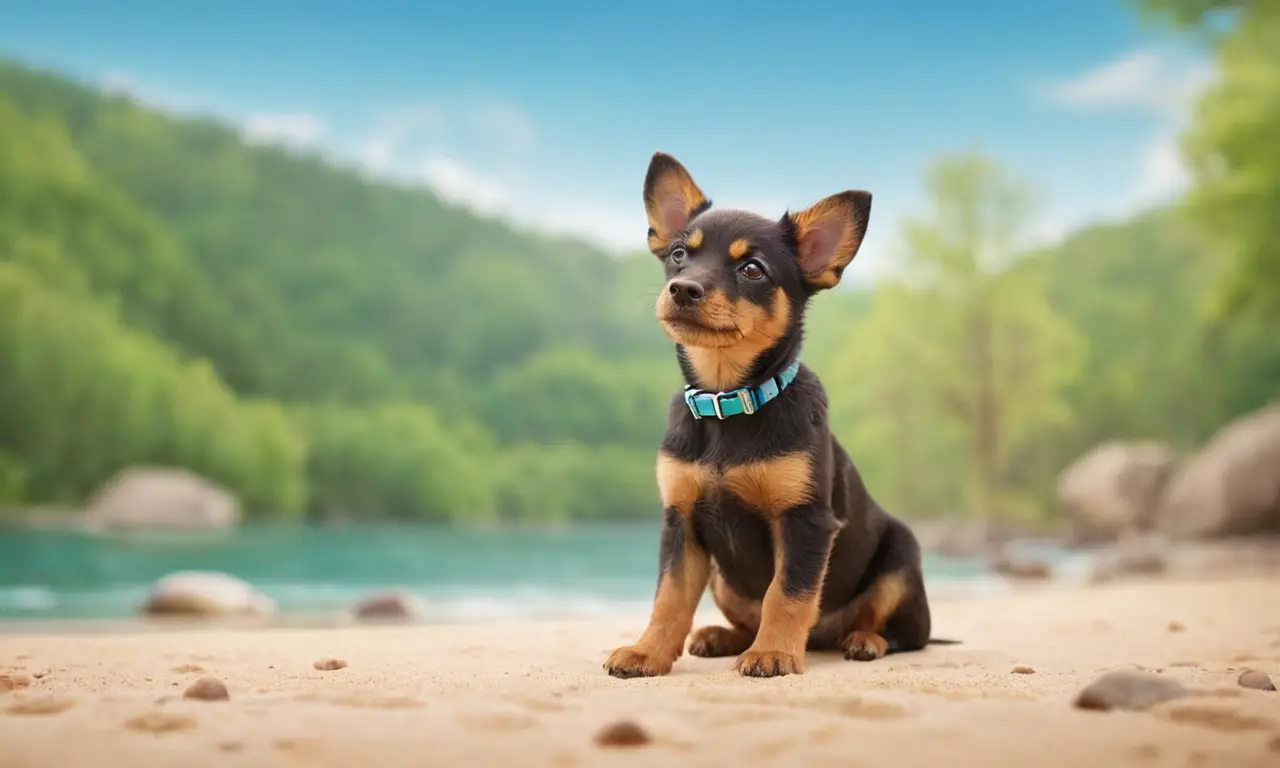
How to Relax a Very Nervous Dog: Expert Tips
Dealing with a nervous dog can be incredibly challenging, both for the dog and their owner. A perpetually anxious canine can exhibit a range of behaviors, from incessant trembling and panting to destructive tendencies and even aggression. Understanding the root causes of their anxiety and implementing effective strategies are paramount to helping them find peace and security. This comprehensive guide will delve into various approaches, from environmental adjustments and training techniques to dietary considerations and professional help, all aimed at providing you with the knowledge and tools to how to relax a very nervous dog?
𝙲𝚘𝚗𝚝𝚎𝚗𝚝
Understanding the Roots of Canine Nervousness
Before we can effectively address nervousness, it’s crucial to understand its origins. Anxiety in dogs isn't a simple matter of temperament; it often stems from a combination of genetic predisposition, past experiences, and environmental factors.
Genetic Predisposition and Breed Tendencies
Some breeds are genetically predisposed to being more sensitive or prone to anxiety. Herding breeds, for instance, can sometimes be more prone to separation anxiety due to their deep-seated need for companionship and structure. Similarly, breeds with a history of being bred for alert or watchdog roles might be more reactive to stimuli, which can manifest as nervousness.
Past Traumatic Experiences
A significant portion of canine anxiety can be traced back to negative or traumatic experiences. This can include:
* Abuse or neglect: Dogs who have suffered at the hands of humans may develop generalized fear and distrust.
* Sudden loud noises: Fireworks, thunderstorms, or construction can trigger lasting phobias.
* Negative encounters with other dogs or people: A bad bite or a frightening interaction can lead to avoidance and fear.
* Early life socialization deficits: Dogs not adequately exposed to a variety of sights, sounds, and experiences during their critical socialization window (typically 3-16 weeks) may develop fears later in life.
Environmental Triggers
The dog's everyday environment can also play a significant role.
* Unpredictable routines: Lack of a consistent schedule for feeding, walks, and playtime can leave a dog feeling insecure.
* Overstimulation: Living in a busy, noisy environment with constant visitors or activity can be overwhelming for sensitive dogs.
* Lack of mental and physical stimulation: Boredom can often manifest as anxiety, leading to destructive behaviors and restlessness.
* Changes in the household: Moving to a new home, the arrival of a new baby or pet, or even the departure of a family member can be stressful.
Creating a Safe and Secure Environment
The foundation of managing a nervous dog's anxiety lies in creating a safe and predictable environment where they feel secure.
The Importance of a Den or Safe Space
Every nervous dog needs a dedicated sanctuary, a place where they can retreat and feel completely safe. This could be a crate, a cozy bed in a quiet corner, or even a specially designed dog den.
* Crate Training: When done positively, crate training can provide a secure den. The crate should be a positive space, never used for punishment. Equip it with comfortable bedding and a few favorite toys.
* Location is Key: Place the safe space in a low-traffic area of the house, away from loud noises and constant comings and goings.
Establishing a Predictable Routine
Dogs thrive on routine. Knowing what to expect throughout the day helps reduce uncertainty and anxiety.
* Consistent Feeding Times: Feed your dog at the same time each day.
* Scheduled Walks and Potty Breaks: Regular outings provide much-needed exercise and a chance to relieve themselves, reducing pent-up energy and potential accidents.
* Designated Playtime: Dedicated time for play, whether interactive or solo, helps expend energy and strengthen your bond.
* Consistent Bedtime: Encourage a consistent sleep schedule.
Minimizing Environmental Triggers
Identify and, where possible, mitigate the things that make your dog anxious.
* Noise Reduction: For noise phobias, consider white noise machines, calming music designed for dogs, or even soundproof curtains. If fireworks or thunderstorms are the issue, create a safe space and provide distractions during these times.
* Managing Visitors: If strangers cause anxiety, keep your dog in their safe space with a high-value chew during visits, or work on controlled introductions.
* Creating Calm Zones: Designate certain areas of the home as "calm zones" where your dog can relax undisturbed.
Positive Reinforcement Training and Desensitization
Training plays a vital role in helping nervous dogs build confidence and learn coping mechanisms. The key is to use positive reinforcement exclusively.
Building Confidence Through Basic Obedience
Even simple commands can boost a dog's confidence and provide a sense of accomplishment.
* "Sit," "Stay," "Come": Practicing these basic cues in a low-distraction environment reinforces your leadership and your dog's understanding of what you expect.
* Reward-Based Training: Always reward desired behaviors with high-value treats, praise, or a favorite toy. This creates positive associations with training.
Desensitization and Counter-Conditioning
This is a powerful technique for addressing specific fears and phobias.
* Desensitization: Gradually exposing your dog to a trigger at a very low intensity, below their threshold of reactivity.
* Example: For a dog fearful of the vacuum cleaner, start by having the vacuum in the room but turned off. Reward calm behavior. Then, turn it on briefly at a distance, rewarding calm behavior. Slowly increase the duration and proximity over many sessions.
* Counter-Conditioning: Changing your dog's emotional response to a trigger by pairing it with something positive.
* Example: During fireworks, give your dog their absolute favorite, high-value treat or engage them in a super-fun game they adore. The goal is to create a new, positive association with the feared stimulus.
Socialization (Carefully Managed)
While early socialization is crucial, for already nervous dogs, it needs to be approached with extreme caution.
* Controlled Introductions: Seek out calm, well-socialized dogs for brief, positive interactions. Keep them on leash initially and in neutral territory.
* Observe Body Language: Pay close attention to your dog's signals. If they show any signs of stress (lip licking, yawning, whale eye, tucked tail), end the interaction immediately and on a positive note if possible.
* Professional Guidance: Consider enrolling in a well-run, positive reinforcement-based obedience class that caters to shy or anxious dogs.
Calming Aids and Tools
Beyond environmental management and training, several tools and aids can help soothe a nervous dog.
Calming Supplements and Medications
Consult your veterinarian before administering any supplements or medications.
* Natural Supplements: Products containing L-theanine, tryptophan, or specific herbal blends (like chamomile or valerian root) can have a calming effect.
* Prescription Medications: In severe cases, a veterinarian may prescribe anti-anxiety medication to help your dog cope. These are often used in conjunction with behavioral modification.
Calming Products
- Pheromone Diffusers and Sprays: Products like Adaptil mimic the calming pheromones released by nursing mother dogs.
- Thundershirts or Anxiety Wraps: These garments apply gentle, constant pressure, which can have a calming effect similar to swaddling an infant.
- Calming Music or Audiobooks: Specially designed playlists of classical music or spoken word can help create a more relaxed atmosphere.
Diet and Nutrition's Role
What you feed your dog can impact their overall well-being, including their anxiety levels.
How to Remove a Tick From a Dog Safely & EffectivelyBalanced and Nutritious Diet
Ensure your dog is on a high-quality, balanced diet appropriate for their age, breed, and activity level. A well-nourished dog is generally a healthier and more resilient dog.
Omega-3 Fatty Acids
These have been shown to have anti-inflammatory properties and may contribute to improved brain function and reduced anxiety. Fatty fish like salmon are a good source.
Probiotics
A healthy gut microbiome is linked to overall health, including mental well-being. Probiotics can help support digestive health.
Avoiding Artificial Additives
Some dogs may be sensitive to artificial colors, flavors, and preservatives, which can potentially exacerbate behavioral issues. Opt for natural ingredients whenever possible.
When to Seek Professional Help
Recognizing when you need external support is a sign of responsible pet ownership.
Consulting a Veterinarian
Your vet is your first point of contact for any health or behavioral concerns. They can rule out underlying medical conditions that might be contributing to anxiety and discuss appropriate treatment options, including medication if necessary.
Working with a Certified Professional Dog Trainer or Behaviorist
For persistent or severe anxiety, professional intervention is often necessary.
* Certified Professional Dog Trainer (CPDT-KA/SA): Look for trainers with experience in fear and aggression cases. They can guide you through desensitization, counter-conditioning, and positive reinforcement training techniques.
* Veterinary Behaviorist (DACVB): These are veterinarians with specialized training in animal behavior. They can diagnose complex behavioral issues, prescribe medication, and develop comprehensive treatment plans.
What to Look For in a Professional
- Positive Reinforcement Philosophy: Ensure they use humane, science-based methods. Avoid trainers who recommend punishment-based techniques, as these can worsen anxiety.
- Experience with Nervous Dogs: Ask about their experience with anxious and fearful dogs.
- Clear Communication: They should be able to explain their methods and reasoning clearly.
In summary: Patience and Persistence
Helping a nervous dog find calm is a journey, not a destination. It requires immense patience, consistency, and a deep understanding of your dog's individual needs. By creating a secure environment, employing positive training methods, utilizing calming aids judiciously, and seeking professional guidance when needed, you can significantly improve your nervous dog's quality of life and strengthen the bond you share. Remember, every small step towards confidence and relaxation is a victory. If you are wondering how to relax a very nervous dog?, remember that love, understanding, and the right strategies are your most powerful tools.
Dog Smell Removal: Infallible Tricks for a Fresh Home
Cat Urinary Crystals: Types, Symptoms & Treatment Guide

Cat Weight: How Do I Know If My Cat Is Fat?
Encephalitis in Dogs: Symptoms, Causes & Treatment
Dog Cavities: Causes, Symptoms, and Treatment Options
Natural Flea Relief: Home Remedies for Fleas in Cats

Newborn Puppy Feeding Guide: From Birth to Weaning
Related posts