
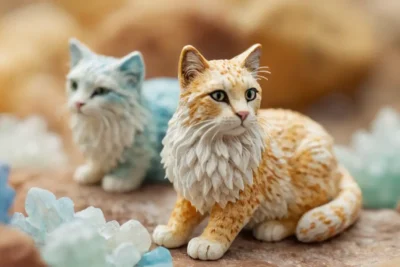
How to Socialize a Puppy Cat: Essential Tips & Tricks

How to Socialize a Puppy Cat: Essential Tips & Tricks
Bringing a new kitten into your home is an incredibly rewarding experience, but it also comes with significant responsibilities, chief among them being proper socialization. Socialization is the process by which a young animal learns to interact positively with its environment, including people, other animals, and various sights and sounds. For kittens, this period is particularly critical, as they are most receptive to learning and forming lifelong behaviors during their first few months. A well-socialized kitten is more likely to grow into a confident, adaptable, and happy adult cat, less prone to fear-based aggression or anxiety. Conversely, a poorly socialized kitten may become fearful, shy, or even aggressive towards new experiences, people, or other pets, making their life, and yours, considerably more challenging. The good news is that with patience, understanding, and a proactive approach, you can effectively teach your kitten how to navigate the world with confidence. This comprehensive guide will delve into the intricacies of How to socialize a puppy cat?, providing you with actionable strategies and expert advice to ensure your feline companion thrives.
𝙲𝚘𝚗𝚝𝚎𝚗𝚝
The Critical Socialization Window
The most crucial period for kitten socialization typically spans from 2 to 7 weeks of age, though this can extend slightly depending on the individual kitten and breed. During this time, kittens are rapidly developing their sensory perceptions and learning about the world around them. Their experiences – positive or negative – during this window have a profound and lasting impact on their future behavior. This is when they are most open to new stimuli and are less likely to be permanently scared by novel encounters. After this critical period, while socialization is still possible, it becomes more challenging, and kittens may be more resistant to new experiences or more easily frightened. Therefore, understanding and actively engaging in socialization during these early weeks is paramount.
Understanding Kitten Development Stages and Socialization
Kitten development can be broadly categorized into stages, each with its own implications for socialization:
- Neonatal Period (Birth to 2 weeks): During this stage, kittens are completely dependent on their mother and are largely unaware of their external environment beyond basic needs like warmth, nourishment, and comfort. Socialization at this stage is minimal and primarily involves gentle handling by the mother and any human caregivers who may be involved in hand-rearing.
- Transitional Period (2 to 3 weeks): Kittens begin to open their eyes and ears, becoming more aware of their surroundings. They start to explore their immediate environment and their senses develop. This is the very beginning of their socialization journey, where they start to register sights and sounds.
- Critical Socialization Period (3 to 7/9 weeks): This is the peak period for socialization. Kittens are highly curious, playful, and eager to learn. They begin to interact with littermates, their mother, and their environment. This is the ideal time to expose them to a wide variety of positive experiences.
- Juvenile Period (9 weeks to maturity): While the most intense socialization window has passed, kittens in this stage are still learning and can continue to benefit from positive new experiences. They are developing their personalities and social skills further.
It's important to note that the exact age ranges can vary, and some experts extend the critical socialization window up to 12-16 weeks. The key is consistent positive exposure.
The Pillars of Successful Kitten Socialization
Effective kitten socialization rests on several key pillars:
Stop Hamster Biting: Your Complete Guide1. Gentle Handling and Positive Human Interaction
From the earliest possible age, kittens should be gently handled by a variety of calm and gentle people. This includes picking them up, cuddling them, stroking them, and playing with them. The goal is to create positive associations with human touch and presence.
- Start Early: Begin handling your kitten as soon as they are comfortable and healthy. Even a few minutes of gentle handling daily can make a significant difference.
- Vary the Handlers: If possible, allow different family members, including children (under supervision), to interact with the kitten. This helps them learn that all people are not the same and can be sources of positive experiences.
- Positive Reinforcement: Pair handling with treats, praise, or gentle play. If the kitten seems hesitant, don't force it. Instead, associate your presence and touch with good things.
- Respect Their Signals: Learn to read your kitten's body language. If they are showing signs of stress (hissing, flattened ears, tail flicking), give them space and try again later.
2. Exposure to Different Sounds and Sights
Kittens need to become accustomed to the normal sounds and sights of a household and beyond. This helps prevent them from becoming skittish or fearful later in life.
- Household Noises: Gradually expose your kitten to everyday sounds like the vacuum cleaner, washing machine, television, doorbell, and even the sounds of cooking. Start at a low volume and increase it gradually as the kitten becomes more comfortable.
- Visual Stimuli: Let them see different objects, people moving around, and even windows with views of the outside world.
- Controlled Exposure: Never blast loud noises directly at a kitten. Instead, introduce them gradually and associate them with positive things like treats or play. You can even use recordings of common household sounds played at a low volume.
3. Introduction to Other Animals (When Appropriate and Safe)
Introducing your kitten to other well-socialized pets can be highly beneficial. However, this must be done with extreme care and patience to ensure positive experiences for all involved.
- Well-Temperamented Companions: The ideal scenario is to introduce your kitten to a calm, friendly, and fully vaccinated adult cat or a gentle dog. A kitten who has never been exposed to other animals might be wary, so their first interactions should be with animals known to be patient and non-threatening.
- Gradual Introductions: Do not force interaction. Start with scent swapping (e.g., exchanging bedding). Then, allow supervised visual introductions through a baby gate or from a distance. Progress to supervised short play sessions in neutral territory.
- Observe and Intervene: Always monitor interactions closely. If either animal shows signs of stress, fear, or aggression, separate them immediately and try again later, perhaps with a shorter duration or more distance.
- Littermates: Kittens who grow up with their littermates and mother often have a head start in learning social cues. If you are acquiring a kitten from a breeder or rescue, inquire about their early social environment.
4. Novel Objects and Environments
Exposing your kitten to a variety of toys, textures, and even safe new environments can build their confidence and adaptability.
- Diverse Toys: Offer a range of toys with different textures, shapes, and sounds. This includes balls, crinkle toys, feather wands, and puzzle feeders. Rotate toys to keep them interesting.
- Varying Surfaces: Let them walk on different surfaces like carpet, hardwood, grass (if safe), and even a crinkly play mat.
- Safe Exploration: If you have a secure outdoor space (like a catio) or a screened-in porch, allow supervised exploration. This can introduce them to new sights, sounds, and smells in a controlled manner.
5. Litter Box and Grooming Habits
Socialization also extends to their acceptance of necessary routines like using a litter box and being groomed.
Straighten Maltese Hair: Easy Steps for a Silky Coat- Litter Box Training: Ensure the litter box is clean, accessible, and filled with a litter material the kitten likes. Most kittens will instinctively use a litter box, but positive reinforcement when they do is always helpful.
- Grooming: Gently brush your kitten regularly. This not only helps keep their coat healthy but also gets them accustomed to being touched and handled all over their body, which is crucial for veterinary visits and general well-being.
Common Challenges and Solutions in Kitten Socialization
Even with the best intentions, you might encounter some challenges. Here are a few common ones and how to address them:
Fear and Shyness
- Problem: The kitten is hiding, fearful of new people or sounds, or reluctant to explore.
- Solution: Patience is key. Never force interaction. Create a safe haven for the kitten where they can retreat. Gradually introduce new stimuli at a distance, associating them with positive rewards like treats or favorite toys. Use pheromone diffusers (like Feliway) to create a calming environment.
Aggression (Playful or Fear-Based)
- Problem: The kitten is biting or scratching too hard during play, or showing aggressive behavior towards certain people or animals.
- Solution: For playful aggression, redirect their biting and scratching to appropriate toys. Never use your hands as toys. If the aggression is fear-based, identify the trigger and work on desensitization and counter-conditioning. Consult a veterinarian or a certified feline behaviorist if the aggression is severe or persistent.
Lack of Interest
- Problem: The kitten seems uninterested in new experiences or toys.
- Solution: Ensure the kitten is healthy and well-fed. Some kittens are naturally more laid-back. Try different types of toys and engage them with interactive play. Sometimes, just being in the same room and observing their environment from a safe distance is enough for them.
When to Seek Professional Help
While most How to socialize a puppy cat? challenges can be managed with patience and the right approach, there are times when professional guidance is invaluable.
- Severe Fear or Aggression: If your kitten displays extreme fear, panic, or aggression that puts themselves or others at risk.
- Sudden Behavioral Changes: If a previously well-socialized kitten suddenly becomes fearful or aggressive.
- Difficulty with Multi-Pet Households: If introducing new pets is proving exceptionally challenging.
A veterinarian can rule out any underlying medical issues, and a certified feline behaviorist can provide tailored strategies for your specific situation.
The Long-Term Benefits of Socialization
Investing time and effort into socializing your kitten from an early age yields immense rewards. A well-socialized cat is:
- More Confident: They are less likely to be startled by everyday events and more willing to explore new environments.
- More Adaptable: They handle changes like moving house, new family members, or vet visits with greater ease.
- More Affectionate: They form stronger bonds with their human family and are generally more relaxed and enjoyable companions.
- Less Prone to Behavioral Problems: This reduces the likelihood of issues like anxiety, territorial aggression, or destructive behaviors.
- Easier to Handle: Grooming, administering medication, and vet check-ups become less stressful for both the cat and the owner.
In conclusion, How to socialize a puppy cat? is a fundamental aspect of responsible pet ownership. By understanding the critical socialization window, employing gentle and positive methods, and being patient and consistent, you can set your kitten up for a lifetime of happiness, health, and companionship. Your efforts today will create a well-adjusted feline friend for years to come.
Dog on a Motorcycle: Safe & Fun Ride Guide
Cat Urinary Crystals: Types, Symptoms & Treatment Guide

Cat Weight: How Do I Know If My Cat Is Fat?

Encephalitis in Dogs: Symptoms, Causes & Treatment

Dog Cavities: Causes, Symptoms, and Treatment Options

Natural Flea Relief: Home Remedies for Fleas in Cats

Newborn Puppy Feeding Guide: From Birth to Weaning
Related posts