

Stop Your Dog's Biting: A Comprehensive Guide
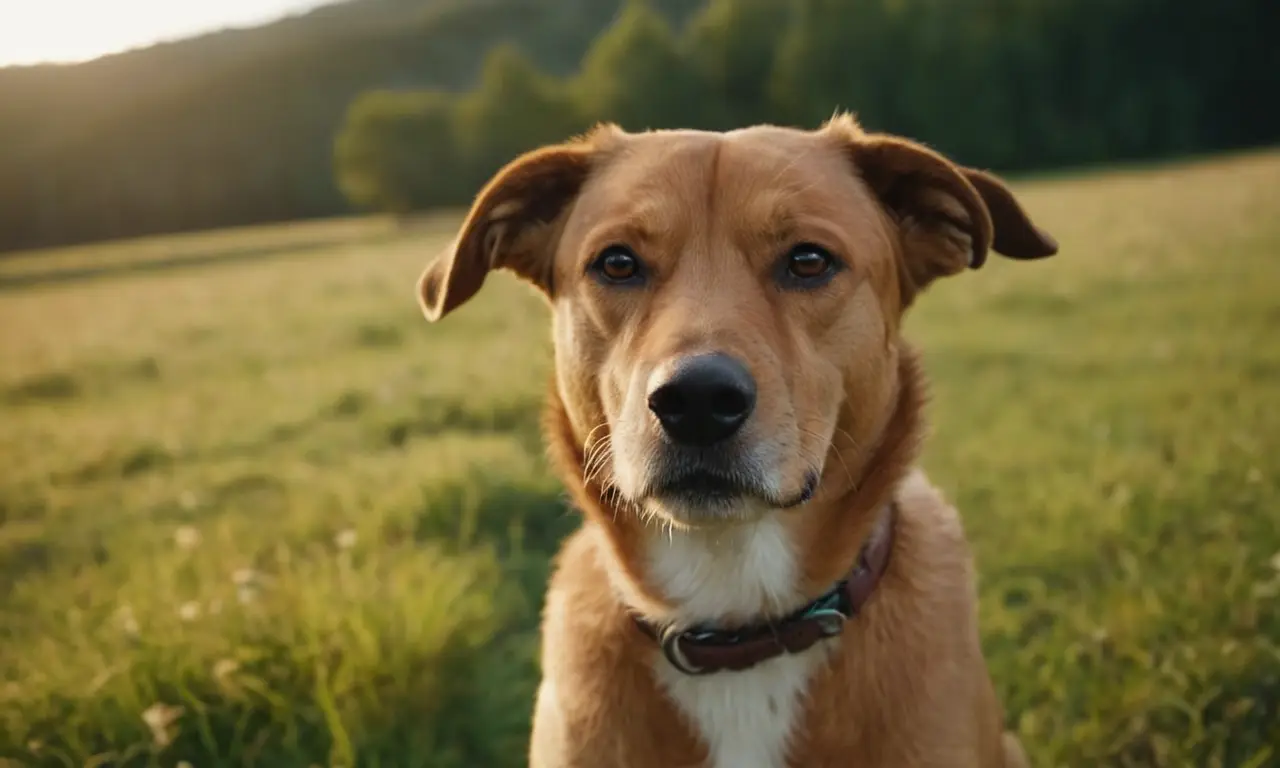
Stop Your Dog's Biting: A Comprehensive Guide
Understanding and addressing canine biting is crucial for any dog owner, fostering a safer and more harmonious relationship between pets and people. This guide delves into the multifaceted reasons behind a dog's biting behavior and provides actionable strategies to help you effectively manage and, ultimately, stop a dog from biting?
Biting in dogs, while concerning, is often a natural instinct or a learned behavior stemming from various triggers. It's rarely an act of malice but rather a form of communication or a reaction to fear, pain, excitement, or territorial defense. Recognizing the underlying cause is the first and most vital step in devising a successful intervention plan. This comprehensive article will explore these causes, from puppy nipping to more serious aggressive biting, and offer practical, humane training techniques to help you reclaim your peace of mind and ensure your dog's well-being.
𝙲𝚘𝚗𝚝𝚎𝚗𝚝
Understanding Why Dogs Bite
Before we can effectively address the behavior, we must first understand its roots. Dog biting is not a monolithic issue; it manifests in various forms and for diverse reasons. Categorizing the type of bite and its context is essential for diagnosis and treatment.
Puppy Nipping and Play Biting
Puppies explore the world with their mouths, and nipping is a normal part of their development. They use their mouths to play, learn social cues, and interact with their littermates and mother. When puppies play together, they often nip each other. If one puppy nips too hard, the other will yelp and withdraw, teaching the nipper to moderate their bite force. This is a crucial social learning process.
Fear-Based Biting
Fear is a primary driver of biting. A dog that feels threatened, cornered, or overwhelmed may bite to create distance and protect itself. This can happen when a dog is approached by a stranger, subjected to a loud noise, or forced into a situation it finds frightening. The bite in this scenario is a desperate attempt to escape the perceived danger.
Stop Dog Barking at Door: Proven Techniques RevealedPain-Related Biting
Dogs in pain may bite to signal their discomfort or to prevent further injury. If you touch a sore spot, even gently, a dog experiencing pain might react defensively with a bite. This is especially common in older dogs with arthritis, dogs with injuries, or those suffering from internal ailments.
Territorial or Protective Biting
Some dogs exhibit biting behavior when they feel their territory or their loved ones are threatened. This can include guarding their food, toys, their human family, or their home. The dog perceives an intruder and acts to ward them off.
Frustration or Overstimulation Biting
Dogs can bite out of frustration when they can't achieve a desired outcome, such as reaching a toy that's out of reach or getting attention from their owner. Similarly, overstimulation, often seen in high-energy dogs during play, can lead to excited or nippy behavior that escalates into biting.
Predatory or Chasing Instincts
While less common as a direct "bite" in the domestic setting, a dog's natural predatory drive can sometimes lead to nipping at moving objects, including children's feet or bicycles, which can be perceived as prey.
Learned Behavior
Sometimes, biting can become a learned behavior. If a dog has previously bitten and its desired outcome (e.g., the person backing away) was achieved, it may repeat the behavior in similar situations.
Stop Shiba Inu Biting: Effective Training & SolutionsStrategies to Stop a Dog from Biting?
Once you've identified the potential cause of your dog's biting, you can begin to implement specific strategies to address the behavior. Consistency, patience, and positive reinforcement are key to success.
For Puppy Nipping and Play Biting:
- Yelp and Withdraw: Mimic the reaction of a littermate. When your puppy nips too hard during play, let out a sharp, high-pitched "Ouch!" or "Yelp!" and immediately withdraw your hand or body. This teaches the puppy that hard bites end the fun.
- Redirect to Appropriate Chew Toys: Have plenty of appropriate chew toys readily available. When your puppy starts to mouth your hands, redirect their attention to a toy they are allowed to chew on. Praise them when they engage with the toy.
- Bite Inhibition Training: This is a crucial aspect of puppy socialization. Gradually increase the pressure of your touch during play. If the puppy nips too hard, stop. This process helps puppies learn how much pressure they can apply without causing pain.
- Time-Outs: If yelping and redirection don't work, a brief time-out can be effective. Gently remove yourself from the situation and place the puppy in a safe, enclosed area (like a playpen or crate) for 30 seconds to a minute. This teaches them that biting results in losing your attention.
- Avoid Rough Play with Hands: Refrain from using your hands as toys. Games like tug-of-war can be fun but should be played with a designated toy, not your fingers.
For Fear-Based Biting:
- Identify and Avoid Triggers: The most effective strategy is to avoid situations that trigger your dog's fear. If your dog is scared of strangers, don't force interactions. If they are afraid of loud noises, try to desensitize them gradually in a controlled environment.
- Create a Safe Space: Ensure your dog has a secure and comfortable place where they can retreat when feeling overwhelmed. This could be a crate, a bed in a quiet corner, or a specific room.
- Desensitization and Counter-Conditioning: This involves gradually exposing your dog to the feared stimulus at a very low intensity, paired with positive reinforcement (treats, praise). For example, if your dog fears men, have a man stand at a distance, toss treats, and leave. Gradually decrease the distance as your dog becomes more comfortable.
- Positive Association: Help your dog associate new experiences or people with positive outcomes. Have visitors drop treats from a distance without directly interacting with your dog.
- Professional Help: For severe fear-based aggression, consult a certified professional dog trainer or a veterinary behaviorist. They can develop a tailored behavior modification plan.
For Pain-Related Biting:
- Veterinary Check-up: The first and most important step is a thorough veterinary examination to rule out or diagnose any underlying medical conditions causing pain.
- Manage Pain: Once pain is identified, work with your veterinarian to manage it effectively through medication, therapy, or other treatments.
- Handle with Care: Be mindful of how you handle your dog, especially if you know they are in pain. Avoid touching sensitive areas. When approaching, speak softly and let them see you coming.
- Avoid Forcing Interactions: Do not force your dog into situations that might exacerbate their pain or discomfort.
For Territorial or Protective Biting:
- Supervise Interactions: Always supervise your dog when they are in situations where they might exhibit territorial behavior, especially around visitors or other animals.
- Teach "Leave It" and "Go to Your Place": These commands can help redirect your dog's attention and establish boundaries. "Go to Your Place" can be used to send your dog to their designated spot when visitors arrive.
- Socialization: Proper socialization from a young age can help dogs learn to be more comfortable and less reactive to new people and environments.
- Boundary Training: Teach your dog that certain areas are off-limits. This can be done through physical barriers or verbal cues.
- Desensitization to Doorbell/Knocking: Gradually desensitize your dog to the sounds of the doorbell or knocking by pairing these sounds with positive rewards.
For Frustration or Overstimulation Biting:
- Provide Sufficient Exercise and Mental Stimulation: A tired dog is a good dog. Ensure your dog gets enough physical activity and challenging mental games to prevent pent-up energy and frustration.
- Teach Impulse Control: Games like "wait" for food or toys, and "leave it," can help dogs learn to control their impulses.
- Manage Play Sessions: Keep play sessions structured and end them before your dog becomes overstimulated. If your dog starts to get too excited, calmly remove them from the situation.
- Avoid Reinforcing Frustration: Do not give in to your dog's demands if they are exhibiting frustration-based behaviors.
General Training Tips to Stop a Dog from Biting?
Beyond addressing specific causes, some general training principles are universally beneficial.
- Positive Reinforcement: Focus on rewarding desired behaviors. When your dog is calm, non-nippy, and exhibits good manners, offer praise, treats, or a favorite toy. This encourages them to repeat these actions.
- Consistency is Key: All members of the household must be consistent with the training methods. Inconsistency can confuse the dog and hinder progress.
- Socialization: Expose your puppy to a wide variety of people, places, sounds, and other well-behaved dogs from a young age. This helps them develop into a confident and well-adjusted adult.
- Management: While you are working on training, implement management strategies to prevent biting incidents. This might include using leashes, crates, baby gates, or muzzles when necessary.
- Never Punish a Bite: Punishing a dog after they have bitten can actually exacerbate the problem, especially if the bite was fear-based. It can increase their anxiety and make them more likely to bite again. Focus on positive reinforcement and understanding the root cause.
- Learn Your Dog's Body Language: Understanding your dog's subtle cues – such as lip licking, yawning, stiffening, or whale eye – can help you recognize when they are becoming uncomfortable or stressed before a bite occurs. This allows you to intervene proactively.
- Seek Professional Guidance: If you are struggling to identify the cause of biting or if the biting is severe, do not hesitate to consult a qualified professional dog trainer or a veterinary behaviorist. They have the expertise to assess the situation and provide tailored solutions.
When to Seek Professional Help
While many biting issues can be managed with consistent training and understanding, some situations require professional intervention. You should seek help from a certified professional dog trainer or a veterinary behaviorist if:
- The biting is severe and causes significant injury.
- The biting is accompanied by other aggressive behaviors like growling, snarling, or lunging.
- You are unable to identify the cause of the biting.
- You feel overwhelmed or unsafe around your dog.
- Your dog's biting is fear-based and you are struggling with desensitization and counter-conditioning.
A professional can conduct a thorough assessment, identify specific triggers, and develop a personalized behavior modification plan. They can also help you understand the nuances of canine communication and reinforce your bond with your dog in a safe and positive way.
In summary
Learning how to stop a dog from biting? is a journey that requires patience, empathy, and a commitment to understanding your canine companion. By recognizing the underlying causes, implementing consistent positive reinforcement training, and seeking professional guidance when needed, you can effectively manage and overcome biting behaviors, ensuring a happy, healthy, and bite-free life for both you and your beloved dog. Remember, a bite is often a cry for help or a misunderstanding, and with the right approach, you can build a stronger, more trusting relationship with your furry friend.
Stop Male Dog Fights: Expert Tips for Harmony
Cat Leash Training: Your Step-by-Step Guide

Mastering Dog Training: Defense & Attack Techniques

Dog Behavior Expert: When Your Pet Needs Guidance
Stop Garden Holes: Effective Ways to Prevent Dog Digging

Overcoming Canine Insecurity & Fear: A Comprehensive Guide

Stop Male Dog Fights: Expert Tips for Harmony
Related posts