
Dog on a Motorcycle: Safe & Fun Ride Guide
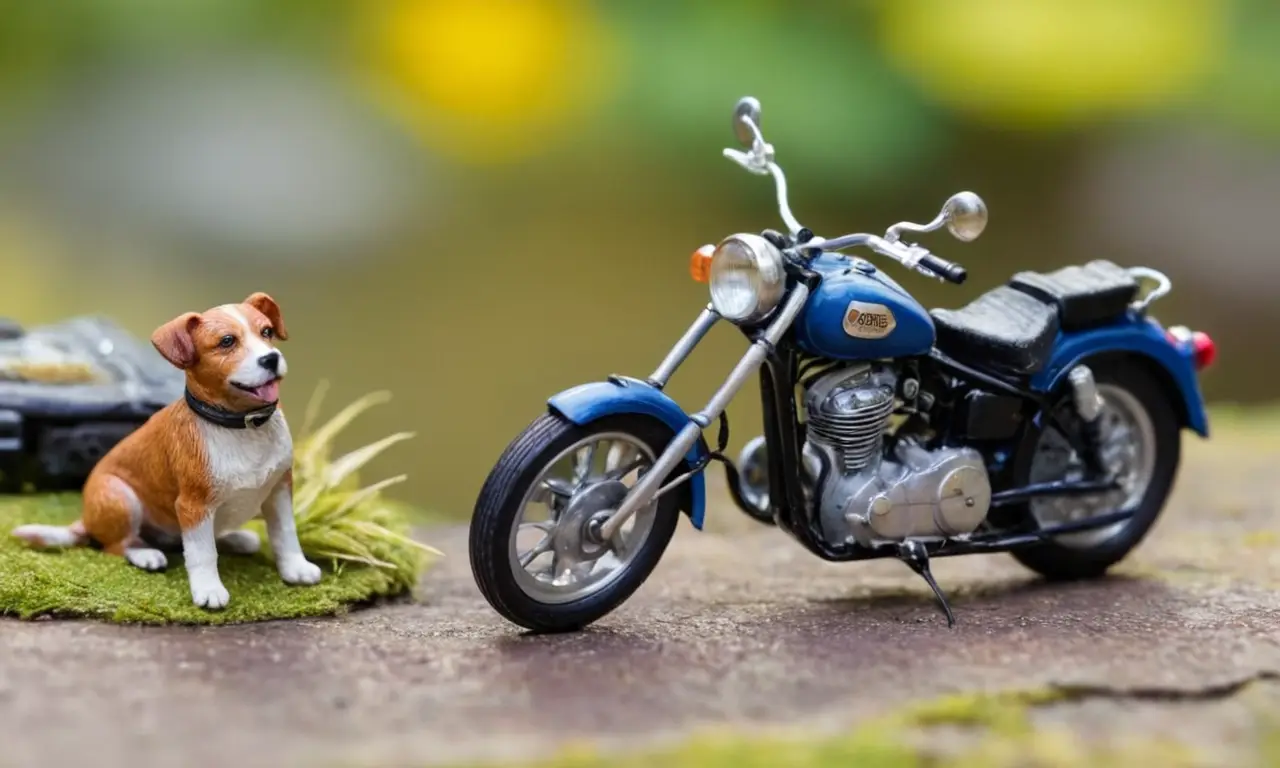
Riding with Your Canine Companion: A Comprehensive Guide on How to Take a Dog on a Motorcycle
Embarking on a motorcycle journey with your furry best friend can be an exhilarating experience, offering a unique way to explore the world together. However, it's crucial to approach this adventure with the utmost care, preparation, and understanding of your dog's needs and safety. This comprehensive guide will delve into every aspect of how to take a dog on a motorcycle, ensuring a secure, comfortable, and enjoyable ride for both of you, from choosing the right gear to understanding your dog's body language.
𝙲𝚘𝚗𝚝𝚎𝚗𝚝
Is Your Dog Cut Out for Motorcycle Rides? Initial Assessment
Not all dogs are suited for motorcycle adventures. Before you even consider strapping your canine companion to your bike, it's essential to assess their temperament and physical capabilities.
- Temperament: Does your dog have a calm and relaxed disposition? Are they easily stressed by loud noises, sudden movements, or new environments? Dogs that are anxious, fearful, or prone to panic attacks are not good candidates for motorcycle riding. A confident, adaptable dog with a curious but not overly excitable nature is ideal.
- Physical Condition: Consider your dog's age, breed, and any existing health conditions.
- Age: Puppies and very old dogs may not have the stamina or tolerance for the vibrations and wind exposure.
- Breed: Brachycephalic (short-nosed) breeds like Pugs, Bulldogs, and Boxers may have difficulty breathing in the wind and should generally be avoided for motorcycle rides. Breeds with very long ears can also be problematic due to wind interference.
- Health: Dogs with respiratory issues, heart conditions, joint problems, or any condition that could be exacerbated by the ride should not be taken. Consult your veterinarian to ensure your dog is physically fit for this activity.
- Past Experiences: Has your dog had positive experiences with being confined or secured in moving vehicles? If they are uncomfortable in cars or crates, a motorcycle will likely be even more overwhelming.
Essential Gear for a Safe Motorcycle Dog Ride
The right equipment is paramount for your dog's safety and comfort. Investing in specialized gear will make a significant difference.
Essential Guide: How to Take Care of My Dog's Health?1. Dog Carrier/Sidecar: The Safest Options
This is arguably the most critical piece of equipment. Your dog should never ride unsecured on your lap or on the motorcycle's seat behind you.
- Dog Motorcycle Carriers: These are specifically designed backpacks or carriers that attach securely to the motorcycle.
- Backpacks: Worn by the rider, these distribute the dog's weight and are best suited for smaller, lighter dogs. Ensure the backpack has good ventilation, a secure harness clip inside, and is comfortable for both you and your dog.
- Front Carriers: Similar to backpacks but worn on the chest. Again, suitable for smaller dogs and allows you to keep an eye on your pet.
- Tail Bags/Rear Carriers: These attach to the rear of the motorcycle, often behind the rider. They provide a more stable platform but can be more challenging for the dog to get in and out of.
- Motorcycle Sidecars: For larger dogs or if you plan on frequent longer rides, a sidecar is the safest and most comfortable option. Ensure the sidecar has a secure door and a comfortable interior. Some sidecars have harnesses or restraints built-in.
- Motorcycle Trailers: While less common, specialized dog trailers can be pulled by motorcycles. These offer the most space and comfort but require a larger bike and more experience to handle.
Key Features to Look For in a Carrier:
- Secure Attachment: The carrier must attach firmly to the motorcycle without any movement.
- Ventilation: Ample airflow is crucial to prevent overheating. Mesh panels are ideal.
- Comfortable Interior: Padded flooring and enough space for your dog to sit or lie down comfortably.
- Secure Restraint System: An internal tether or harness clip to prevent your dog from jumping out.
- Visibility: Consider carriers that enhance your dog's visibility to other road users.
2. Protective Gear for Your Dog
Just as you wear protective gear, your dog needs it too.
Lionhead Rabbit Care: Your Guide to a Happy Bunny- Dog Motorcycle Jacket/Vest: These can provide protection from wind, debris, and minor impacts. Look for jackets with padding and a secure fit.
- Dog Goggles (Doggles): Essential for protecting your dog's eyes from wind, dust, insects, and UV rays. They also help prevent dry eyes. Ensure they fit snugly and comfortably.
- Dog Helmet: While not always mandatory, a dog helmet can offer significant protection in case of an accident. Choose a helmet designed for dogs, ensuring a proper fit and adequate ventilation.
- Ear Protection: Some dogs find the wind noise on a motorcycle distressing. Consider dog-specific ear muffs or soft earplugs designed for noise reduction. Introduce these gradually at home.
3. Safety Harness and Leash
- Harness: A well-fitting, escape-proof harness is crucial. This harness should have a secure attachment point for a leash or tether inside the carrier. Never attach a leash directly to your dog's collar, as this can cause serious injury in an accident or sudden stop.
- Tether: A short, sturdy tether that connects your dog's harness to a secure point within the carrier is vital. This prevents them from being ejected. Ensure it's not too long, allowing them to move but not escape.
Training Your Dog for Motorcycle Rides
Desensitization and positive reinforcement are key to preparing your dog for motorcycle adventures.
1. Gradual Introduction to the Motorcycle
- Familiarization with the Bike (Stationary): Start by letting your dog get accustomed to the motorcycle while it's parked. Allow them to sniff it, walk around it, and even be near it while you sit on it. Offer treats and praise to create positive associations.
- Getting into the Carrier: Gently introduce your dog to the carrier. Let them explore it, put treats inside, and gradually encourage them to enter. Never force them. If you're using a sidecar, make it a comfortable and inviting space.
- Engine Sounds: Once your dog is comfortable with the motorcycle's presence, start the engine for short periods while they are nearby (but not on the bike). Gradually increase the duration. Reward calm behavior.
2. Short, Slow Practice Rides
- First Rides: Begin with very short, slow rides in a quiet area, like a deserted parking lot or a private road. Keep the first few rides to just a few minutes.
- Observe Your Dog: Pay close attention to your dog's body language. Are they panting excessively, trembling, whining, or showing other signs of stress? If so, end the ride and try again later.
- Gradual Increase in Duration and Speed: As your dog becomes more comfortable, gradually increase the length of the rides and the speed. Always prioritize safety and your dog's comfort over distance.
3. Reinforcing Positive Behavior
- Treats and Praise: Continuously reward your dog with treats and praise for calm and relaxed behavior during all stages of training.
- Post-Ride Relaxation: After a ride, allow your dog time to relax and unwind.
On the Road: Safety and Comfort Tips
Once your dog is trained and equipped, here are essential tips for enjoying your rides together.
1. Pre-Ride Checks
- Weather Conditions: Avoid riding in extreme heat or cold, heavy rain, or strong winds. Your dog is more susceptible to temperature fluctuations than you are.
- Dog's Condition: Ensure your dog has had a chance to relieve themselves and is not overly energetic or tired.
- Gear Security: Double-check that all straps, buckles, and fastenings on your dog's gear and carrier are secure.
- Your Gear: Make sure your own motorcycle gear is comfortable and doesn't interfere with your ability to manage your dog.
2. During the Ride: Your Dog's Well-being
- Monitor Body Language: Continuously observe your dog for signs of stress or discomfort. Panting, drooling, whining, or flattened ears can indicate a problem. If you see these signs, pull over safely and check on your dog.
- Breaks: Plan for regular breaks, especially on longer rides. Allow your dog to stretch their legs, drink water, and relieve themselves.
- Hydration: Offer water at breaks. Some specialized carriers have built-in water dispensers.
- Wind and Sun Exposure: Ensure your dog is protected from direct sun and excessive wind. They can overheat or get sunburned, even with protection.
- Noise: While ear protection can help, the constant noise can still be stressful. Shorter rides are often better.
3. Post-Ride Care
- Hydration and Rest: Offer fresh water and allow your dog to rest.
- Check for Discomfort: Examine your dog for any signs of chafing, irritation, or discomfort from their gear.
- Positive Reinforcement: Continue to praise your dog for their good behavior during and after the ride.
Legal and Ethical Considerations
- Local Laws: Research and understand any local laws or regulations regarding transporting animals on motorcycles.
- Insurance: Check if your motorcycle insurance covers any potential incidents involving your pet.
- Respect Others: Be mindful of other road users and pedestrians. Ensure your dog is not causing a disturbance.
Common Mistakes to Avoid
- Using an unsecured dog: Never let your dog ride loose.
- Overestimating your dog's tolerance: Start slow and be observant.
- Ignoring signs of distress: Your dog's comfort is paramount.
- Riding in adverse weather: Protect your dog from the elements.
- Forcing your dog: If your dog shows a strong aversion, it might not be for them.
Riding a motorcycle with your dog can be an incredible bonding experience. By prioritizing safety, using the right gear, training diligently, and being attentive to your dog's needs, you can create lasting memories on the open road. Remember, the journey is as much about your dog's well-being as it is about the thrill of the ride. Always err on the side of caution and make your dog's safety and comfort your number one priority when considering how to take a dog on a motorcycle.
How to Tame a Feral Cat: A Step-by-Step Guide
Cat Urinary Crystals: Types, Symptoms & Treatment Guide
Cat Weight: How Do I Know If My Cat Is Fat?
Encephalitis in Dogs: Symptoms, Causes & Treatment
Dog Cavities: Causes, Symptoms, and Treatment Options
Natural Flea Relief: Home Remedies for Fleas in Cats

Newborn Puppy Feeding Guide: From Birth to Weaning
Related posts