

Can You Have a Monkey as a Pet? The Truth About Primate Companions
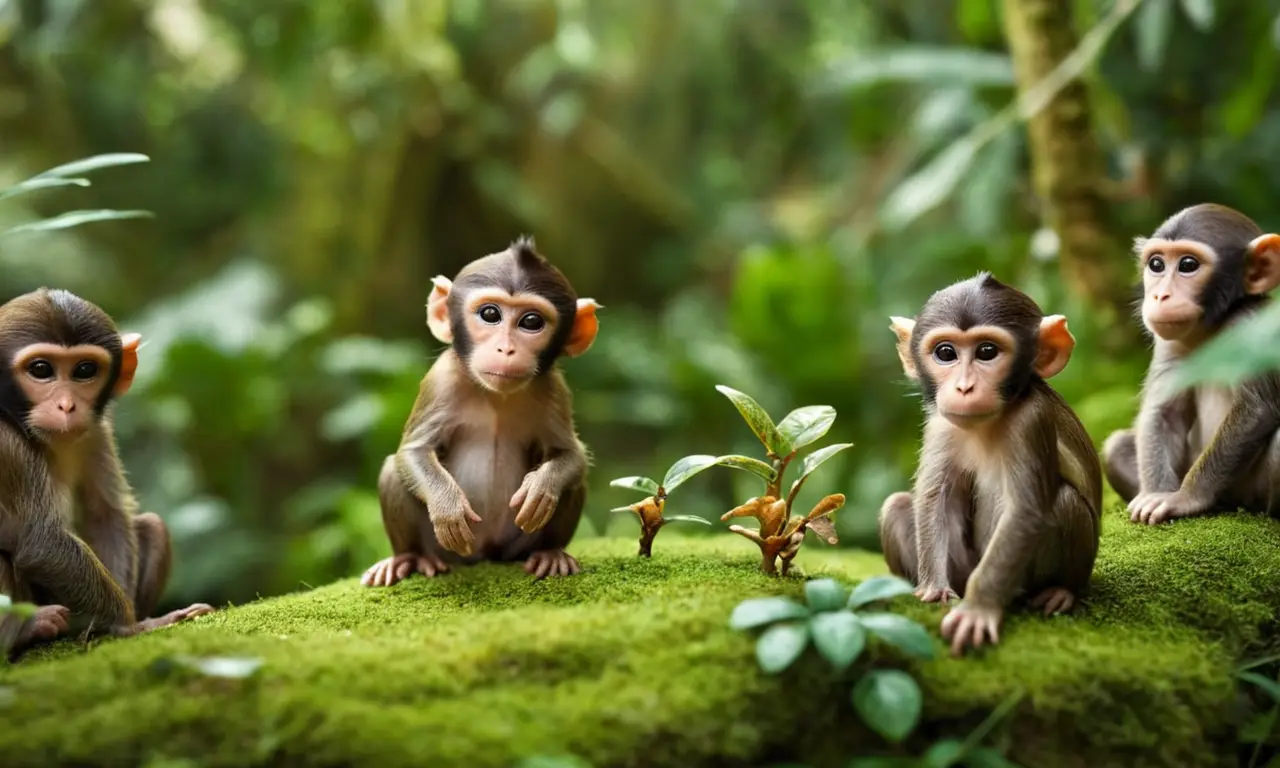
Can You Have a Monkey as a Pet? The Truth About Primate Companions
Owning a monkey as a pet is a concept that sparks curiosity and fascination for many. Images of playful primates in homes might come to mind, but the reality is far more complex and often challenging. This article delves into the multifaceted question of "Can you have a monkey as a pet?" exploring the legalities, ethical considerations, practical difficulties, and the significant welfare concerns involved in keeping these intelligent and social animals outside of their natural habitats or accredited sanctuaries.
𝙲𝚘𝚗𝚝𝚎𝚗𝚝
The Allure of Primate Companionship
The idea of having a monkey as a pet often stems from a romanticized view of their intelligence, agility, and perceived human-like qualities. Many are drawn to their expressive faces, their ability to learn tricks, and the unique bond they might imagine forming. However, this allure is frequently overshadowed by the immense responsibility and inherent difficulties that come with primate ownership. Unlike domesticated animals like dogs or cats, monkeys are wild animals with complex needs that are exceptionally difficult to meet in a typical household environment.
Legal Hurdles: Is it Even Allowed?
The first and most significant hurdle for anyone considering a monkey as a pet is legality. Laws regarding the ownership of exotic animals, including primates, vary drastically from country to country, and even within different states or regions of the same country.
- United States: In the US, the legality of owning a monkey is a patchwork of regulations. Many states outright ban the private ownership of primates. Some states have specific requirements, such as permits, licenses, and proof of specialized facilities. Other states may have fewer restrictions, but this does not negate the other ethical and practical concerns. It is crucial to research and understand the specific laws in your local jurisdiction before even contemplating such ownership.
- United Kingdom: The Dangerous Wild Animals Act 1976 in the UK heavily restricts or prohibits the keeping of primates as pets without a specific license. Obtaining such a license is difficult and requires demonstrating that the animal will be kept in appropriate accommodation and will not pose a danger to the public.
- European Union: Regulations vary significantly among EU member states. Some countries have strict bans on exotic pet ownership, while others have more lenient rules but often with stringent welfare and safety requirements.
- Other Countries: Many other countries have similar, often prohibitive, legislation in place due to the welfare and safety risks associated with keeping primates.
Failure to comply with these laws can result in hefty fines, confiscation of the animal, and even criminal charges.
Understanding Canine Ethology: Decoding Dog Behavior & NeedsEthical Considerations: A Moral Minefield
Beyond legality, the ethical implications of owning a monkey are profound. Primates are highly intelligent, sentient beings with complex social structures and emotional lives.
- Social Needs: Most monkey species are highly social animals that live in complex troops in the wild. Depriving them of their natural social environment and forcing them into isolation or a human-centric social group can lead to severe psychological distress, behavioral problems, and depression.
- Behavioral Complexity: Monkeys exhibit a wide range of natural behaviors, including foraging, climbing, grooming, and intricate communication. A typical home environment cannot adequately replicate the stimuli and opportunities for these behaviors, leading to frustration and potential aggression.
- Welfare Standards: Even with the best intentions, it is incredibly difficult to provide a monkey with a quality of life comparable to what they would experience in their natural habitat or in a well-managed sanctuary. Their dietary needs, environmental enrichment, and social interactions are vastly different from those of domesticated animals.
- Conservation Concerns: The exotic pet trade can contribute to the decline of wild primate populations through illegal capture and trafficking. Furthermore, if pet monkeys are released into non-native environments, they can become invasive species, disrupting local ecosystems.
Practical Challenges: More Than Just Feeding
The practicalities of owning a monkey are often severely underestimated. These are not creatures that can be easily managed within a conventional household.
Diet and Nutrition
Monkeys have highly specific and varied dietary needs that depend on their species, age, and activity level.
- Variety is Key: A monkey's diet in the wild is incredibly diverse, including fruits, vegetables, insects, nuts, seeds, and sometimes small vertebrates. Replicating this in captivity requires a deep understanding of their nutritional requirements.
- Specialized Foods: Many pet owners resort to commercially available primate chow, but this often needs to be supplemented with fresh fruits, vegetables, and other appropriate food items to prevent nutritional deficiencies.
- Cost and Availability: Sourcing appropriate food can be expensive and challenging, especially for less common species. Improper diet can lead to serious health problems.
Housing and Environment
Monkeys need spacious, secure, and stimulating environments that cater to their natural behaviors.
Dog Translator Tech: Can Canine Communicators Be Real?- Enclosure Size: A cage in a house is rarely sufficient. Monkeys need large, multi-level enclosures that allow for climbing, jumping, and exploration. Outdoor enclosures are often necessary to provide adequate space and sunlight.
- Safety and Security: Monkeys are intelligent and agile. Their enclosures must be escape-proof and designed to prevent them from injuring themselves or damaging property. This often involves specialized construction and materials.
- Enrichment: Constant mental and physical stimulation is vital to prevent boredom and behavioral issues. This includes providing a variety of climbing structures, toys, puzzles, and opportunities for foraging.
Health and Veterinary Care
Monkeys are susceptible to a range of diseases, some of which can be zoonotic (transmissible to humans).
- Specialized Vets: Finding a veterinarian experienced in treating primates can be extremely difficult and expensive. Many standard veterinary practices are not equipped to handle the unique medical needs of these animals.
- Zoonotic Diseases: Diseases like tuberculosis, herpes B virus, and various parasites can be transmitted from monkeys to humans, posing a significant public health risk.
- Lifespan: Monkeys can live for many years, sometimes 20-40 years or even longer, depending on the species. This is a long-term commitment that requires ongoing financial and emotional investment.
Behavioral Issues and Aggression
Despite their intelligence, monkeys are wild animals and can exhibit unpredictable and aggressive behavior.
- Bites and Scratches: Even seemingly tame monkeys can bite or scratch when they feel threatened, stressed, or excited. These injuries can be severe and require immediate medical attention.
- Destructive Tendencies: Boredom, stress, or natural instinct can lead to destructive behavior, such as tearing up furniture, damaging walls, or breaking objects.
- Screaming and Noise: Many monkey species are vocal and can be very loud, which can be a significant issue for neighbors and within a household.
- Toilet Training Difficulties: Unlike domesticated animals, monkeys are not naturally inclined to use a litter box or be toilet-trained in the same way. They tend to defecate and urinate freely as part of their natural marking behavior.
The Myth of Domestication
It's crucial to understand that monkeys are not domesticated animals. Domestication is a centuries-long process where animals have been selectively bred to adapt to living alongside humans, resulting in changes in their behavior, physiology, and temperament. Monkeys, even those born in captivity, retain their wild instincts and behaviors. Their needs and responses are fundamentally different from those of dogs, cats, or other animals we have co-evolved with.
Alternatives to Pet Ownership
Given the overwhelming challenges and ethical concerns, aspiring primate enthusiasts should consider responsible and ethical alternatives to private ownership.
Catnip: Its Effects, Benefits, and Uses for Cats- Volunteering at Sanctuaries: Many reputable primate sanctuaries are always in need of volunteers to help with animal care, enrichment, and facility maintenance. This offers a hands-on experience with primates in an environment that prioritizes their welfare.
- Donating to Conservation Efforts: Supporting organizations dedicated to primate conservation in their natural habitats is a direct way to contribute to the well-being of these species.
- Educating Yourself and Others: Learning more about primate behavior, biology, and conservation can be incredibly rewarding and allows you to share accurate information with others.
- Visiting Zoos and Accredited Facilities: Many zoos and wildlife parks offer excellent opportunities to observe primates in carefully designed enclosures that mimic their natural environments, with expert keepers providing insights into their care and behavior.
In summary: The Verdict on Monkey Pets
So, to directly answer the question, "Can you have a monkey as a pet?" The technically correct, but deeply unsatisfactory, answer is that in some places, with significant legal hurdles, immense financial resources, specialized knowledge, and a lifetime commitment, it might be possible. However, for the vast majority of people, the answer is a resounding no.
The ethical considerations, the extreme difficulty in meeting their complex needs, the potential for harm to both the animal and the owner, and the significant legal and practical challenges make private monkey ownership an irresponsible and often detrimental choice. Primates are wild animals that deserve to live in environments that allow them to express their natural behaviors and thrive. Supporting sanctuaries and conservation efforts is a far more ethical and sustainable way to appreciate and contribute to the future of these fascinating creatures. The allure of a primate companion should be tempered with a deep respect for their wild nature and a commitment to their well-being, which is best achieved outside the confines of a typical home.
Dog Color Vision: How Do Dogs Recognize & Distinguish Colors?

Fila Brasileiro: The Majestic Mastiff of Brazil Explored

Basenji: The Enigmatic Barkless Dog – Congo Terrier Facts

Dog Language & Calm Signals: The Complete Guide

The Enduring Bond: Dogs & Humans, 14,000 Years

Dalmatian Dog: History, Traits & Fun Facts
Related posts