

Canine Alopecia: Causes, Symptoms & Cures
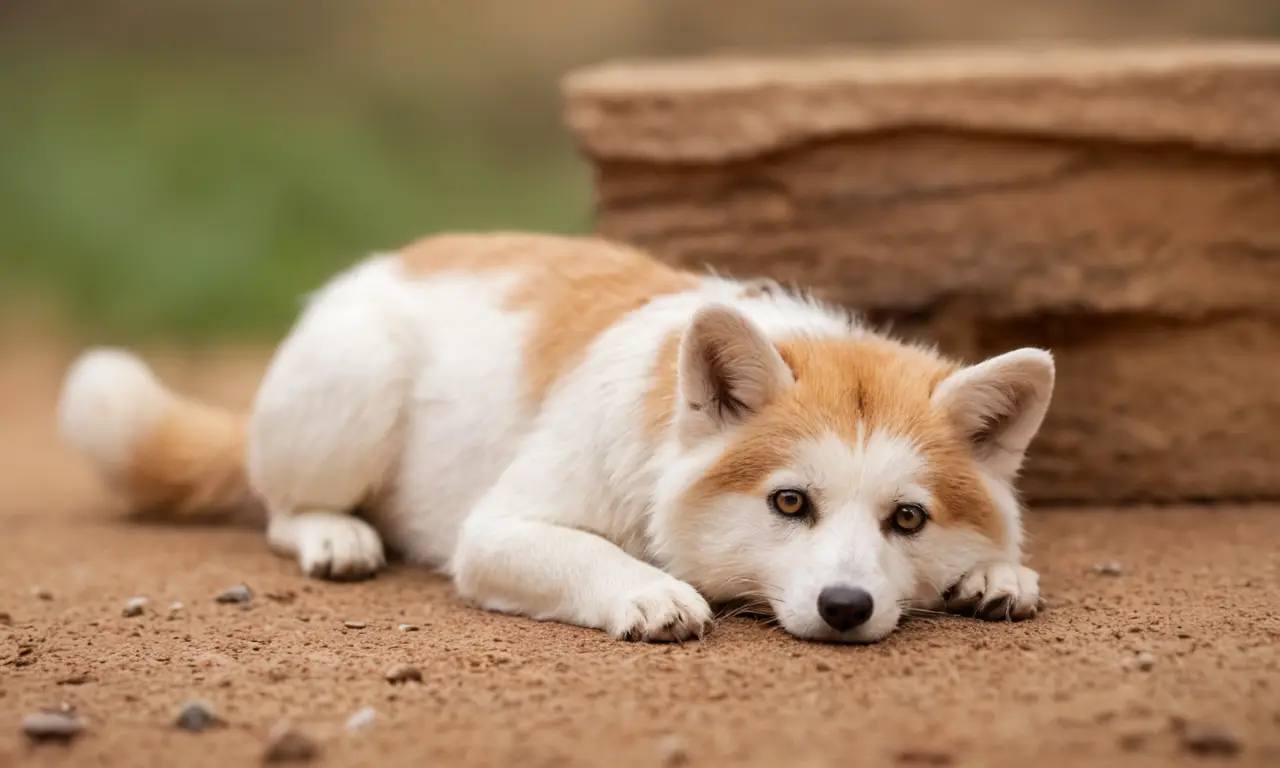
Canine Alopecia: Understanding and Treating Hair Loss in Dogs
Canine alopecia, commonly known as hair loss in dogs, is a distressing condition for both pets and their owners. While a certain degree of shedding is normal, excessive or patchy hair loss can indicate an underlying health issue requiring prompt attention. This comprehensive guide delves into the various Canine alopecia - Causes, symptoms and how to cure it, providing owners with the knowledge to identify, understand, and effectively manage this common ailment, ultimately helping their furry companions regain a healthy coat.
𝙲𝚘𝚗𝚝𝚎𝚗𝚝
What is Canine Alopecia?
Canine alopecia refers to the loss of hair from areas where it would normally grow. It can manifest in various patterns, from localized bald patches to widespread thinning or complete hairlessness. The severity and appearance of alopecia can differ significantly depending on the underlying cause. It's crucial to remember that hair loss is often a symptom, not a disease itself, pointing towards a variety of potential triggers that need to be investigated by a veterinarian.
Common Causes of Canine Alopecia
Understanding the root cause is paramount to effectively treating canine alopecia. The reasons for hair loss in dogs are diverse and can range from simple environmental factors to complex hormonal imbalances or genetic predispositions.
1. Parasitic Infestations
One of the most frequent culprits behind canine alopecia is infestation by external parasites.
- Fleas: Flea bites can trigger an allergic reaction in some dogs, known as flea allergy dermatitis (FAD). This leads to intense itching, scratching, and subsequent hair loss, often around the base of the tail, hindquarters, and abdomen.
- Mites: Several types of mites can cause hair loss.
- Sarcoptic Mange (Scabies): Caused by the Sarcoptes scabiei mite, this highly contagious condition results in severe itching, inflammation, and hair loss, typically starting on the ears, elbows, and hocks.
- Demodectic Mange (Demodex): Caused by Demodex canis mites, which are normally present on the skin in small numbers. However, in dogs with weakened immune systems, these mites can proliferate, leading to patchy or generalized hair loss, often without significant itching in the early stages. It commonly affects puppies and young adult dogs.
- Cheyletiella Mites (Walking Dandruff): These mites cause scaling and hair loss, often accompanied by dandruff.
2. Bacterial and Fungal Infections
Skin infections are another common cause of hair loss, often exacerbated by scratching due to other irritants.
- Bacterial Pyoderma: This is a common skin infection caused by bacteria, often Staphylococcus pseudintermedius. It can occur secondarily to allergies, parasites, or other underlying skin conditions. Symptoms include pustules, crusting, redness, and hair loss in affected areas.
- Ringworm (Dermatophytosis): Despite its name, ringworm is a fungal infection, not a worm. It causes circular, crusty lesions with hair loss, often on the face, paws, and ears. It's zoonotic, meaning it can be transmitted to humans.
3. Allergic Reactions
Allergies are a significant contributor to canine alopecia, leading to inflammation and self-trauma.
Canine Brain Aging: Symptoms, Causes & Expert Care Tips- Environmental Allergies (Atopy): Dogs can be allergic to pollens, dust mites, mold, and other environmental allergens. These allergies often manifest as itchy skin, leading to excessive licking, chewing, and scratching, which results in hair loss, particularly on the paws, ears, face, and abdomen.
- Food Allergies: Certain ingredients in a dog's diet can trigger allergic reactions. Symptoms can include gastrointestinal upset and skin issues, including itching and hair loss.
- Contact Allergies: Less common, these allergies occur when a dog comes into contact with an irritant, such as certain shampoos, cleaning products, or plant materials.
4. Hormonal Imbalances
Disruptions in a dog's hormone levels can directly impact hair growth cycles.
- Hypothyroidism: An underactive thyroid gland can lead to a dull, dry coat, thinning hair, and symmetrical hair loss, often on the flanks, tail, and neck. Other symptoms may include weight gain, lethargy, and cold intolerance.
- Cushing's Disease (Hyperadrenocorticism): This condition involves the overproduction of cortisol. It can cause thinning hair, symmetrical hair loss (often leaving a "rat-tail" appearance), increased thirst and urination, a pot-bellied appearance, and thin skin.
- Sex Hormone Imbalances: Imbalances in estrogen or testosterone can also lead to hair loss, particularly around the reproductive organs and flanks.
5. Nutritional Deficiencies
While less common in dogs fed a balanced, high-quality commercial diet, deficiencies in certain nutrients can affect coat health.
- Essential Fatty Acids: Deficiencies in Omega-3 and Omega-6 fatty acids can result in a dry, brittle coat and hair loss.
- Vitamins and Minerals: Deficiencies in vitamins A, E, or certain minerals like zinc can also contribute to poor coat quality and alopecia.
6. Genetic and Breed Predispositions
Some breeds are genetically predisposed to certain types of alopecia.
- Seasonal Flank Alopecia: This condition affects the flanks of dogs, causing hair loss during specific seasons, often returning in other seasons. Certain breeds, like Irish Setters and Boxers, are more prone to it.
- Color Dilution Alopecia: Dogs with diluted coat colors (e.g., blue or fawn Great Danes, blue Dobermans) can be affected by this genetic condition, which causes hair breakage and loss in the colored areas.
- Alopecia X (Black Hair Follicle Dysplasia): Also known as follicular dysplasia or pseudochondroplasia, this condition affects Spitz-type breeds and can lead to symmetrical hair loss, often leaving the skin pigmented black. The exact cause is unknown but is thought to be hormonal or genetic.
7. Stress and Behavioral Factors
Significant stress or anxiety can sometimes lead to increased shedding or compulsive licking, resulting in hair loss.
- Compulsive Licking (Acral Lick Dermatitis): Dogs may lick obsessively at a specific area, often a leg or paw, due to boredom, anxiety, or a localized itch, causing hair loss and skin irritation.
- Environmental Changes: Major changes in a dog's environment, such as moving house or the introduction of a new pet, can induce stress and lead to temporary increased shedding.
8. Other Medical Conditions
Less common causes of alopecia can include:
- Autoimmune Diseases: Conditions like lupus can affect the skin and hair follicles.
- Neoplasia (Cancer): Certain skin cancers can lead to localized hair loss.
Recognizing the Symptoms of Canine Alopecia
The presentation of canine alopecia can vary greatly depending on the cause. Owners should be vigilant and observe for any changes in their dog's coat.
Canine Coronavirus: Symptoms, Treatment, and ContagionKey Symptoms to Look For:
- Patchy or Circular Hair Loss: The most obvious sign is bald spots on the body.
- Thinning of the Coat: Hair may become less dense overall, especially in certain areas.
- Excessive Shedding: More hair than usual accumulating on furniture, floors, or in the dog's bed.
- Itching and Scratching: Intense itching is often a companion symptom, indicating an underlying irritant or allergy.
- Redness and Inflammation: The skin in the affected areas may appear red and inflamed.
- Crusting and Scaling: Formation of scabs or flaky skin.
- Dull, Brittle Coat: Hair may lose its shine and become prone to breakage.
- Changes in Skin Pigmentation: Areas of hair loss may become darker (hyperpigmentation) or lighter.
- Symmetrical Hair Loss: Hair loss occurring in a mirrored pattern on both sides of the body, often indicative of hormonal issues.
- "Rat Tail" Appearance: Thinning hair on the tail, often leaving the skin bare.
It's important to note that some forms of alopecia, like certain stages of demodectic mange or hormonal imbalances, may not be accompanied by significant itching.
Diagnosing Canine Alopecia
A thorough diagnosis is essential for effective treatment. Your veterinarian will employ a combination of methods to determine the cause of your dog's hair loss.
Diagnostic Procedures:
- Physical Examination: The veterinarian will carefully examine your dog's skin, coat, and overall health, noting the pattern and distribution of hair loss.
- History Taking: You will be asked detailed questions about your dog's diet, lifestyle, any recent changes, potential exposure to parasites, and the onset and progression of the hair loss.
- Skin Scrapings: Samples of skin are scraped to examine under a microscope for the presence of mites (e.g., for sarcoptic or demodectic mange).
- Fungal Culture: Suspected ringworm infections are diagnosed by culturing hair and skin samples.
- Cytology (Impression Smear): A swab or pressing of the skin onto a slide allows for microscopic examination of cells and microorganisms, helping to identify bacterial or yeast infections.
- Blood Tests:
- Complete Blood Count (CBC) and Biochemistry Profile: These can reveal underlying health issues or indicate systemic inflammation.
- Hormone Levels: Blood tests are used to check for thyroid hormones (T4, TSH) and cortisol levels to diagnose hypothyroidism or Cushing's disease.
- Allergy Testing: If allergies are suspected, further testing may be recommended, including:
- Elimination Diet Trial: For suspected food allergies, a strict diet of novel protein and carbohydrate sources is implemented for several weeks.
- Intradermal Skin Testing or Serum Allergy Testing: To identify environmental allergens.
- Biopsy: In some cases, a small sample of skin may be surgically removed and sent to a laboratory for histopathological examination to identify less common causes or confirm a diagnosis.
Treating Canine Alopecia: A Tailored Approach
The treatment for canine alopecia is entirely dependent on its underlying cause. A veterinarian-guided approach is crucial for successful resolution.
Treatment Strategies:
- Parasitic Infestations:
- Fleas: Prescription flea preventatives (topical, oral, or injectable) are essential. Thorough environmental treatment to eliminate flea eggs and larvae is also necessary.
- Mites: Specific antiparasitic medications (topical, oral, or injectable) are prescribed based on the type of mite identified. This may include ivermectin, milbemycin oxime, or other specific treatments. Treatment duration can vary.
- Bacterial and Fungal Infections:
- Bacterial Pyoderma: Antibiotics (oral and/or topical) are prescribed to clear the infection. Medicated shampoos may also be recommended.
- Ringworm: Antifungal medications (oral and topical), medicated dips, and shampoos are used. Environmental decontamination is also vital.
- Allergic Reactions:
- Environmental Allergies: Management focuses on reducing exposure to allergens where possible, alongside medications such as antihistamines, corticosteroids (used judiciously), cyclosporine, or immunotherapy (allergy shots).
- Food Allergies: A strict hypoallergenic diet trial is the cornerstone of treatment. Once the offending ingredient is identified, a long-term specialized diet is required.
- Contact Allergies: Identifying and removing the offending irritant is key. Symptomatic treatment for inflammation may be needed.
- Hormonal Imbalances:
- Hypothyroidism: Lifelong thyroid hormone replacement therapy (levothyroxine) is the standard treatment.
- Cushing's Disease: Treatment can involve medication to reduce cortisol production (e.g., trilostane, mitotane) or surgery in some cases.
- Sex Hormone Imbalances: Treatment might involve hormone therapy, neutering, or spaying.
- Nutritional Deficiencies: A balanced, high-quality diet formulated for the dog's life stage and needs is essential. Supplementation with essential fatty acids, vitamins, or minerals may be recommended by your vet.
- Genetic and Breed Predispositions: Treatment can be challenging for these conditions and may involve symptomatic relief, topical treatments, or managing secondary infections. For Alopecia X, options include neutering, melatonin supplementation, or other hormonal treatments under veterinary guidance.
- Stress and Behavioral Factors:
- Compulsive Licking: Addressing the underlying cause of anxiety or boredom through increased exercise, mental stimulation, training, and potentially anti-anxiety medications.
- Environmental Changes: Providing a stable and predictable environment, along with positive reinforcement training.
Supportive Care and Home Management:
- Medicated Shampoos and Conditioners: These can help soothe inflamed skin, control infections, and improve coat health.
- Dietary Supplements: Omega-3 and Omega-6 fatty acid supplements can improve coat condition and skin health.
- Environmental Control: Keeping living areas clean to minimize exposure to allergens and parasites.
- Regular Grooming: Gentle brushing can help distribute natural oils and stimulate the skin.
Preventing Canine Alopecia
While not all cases of alopecia can be prevented, proactive measures can significantly reduce the risk.
- Regular Parasite Prevention: Administer year-round flea and tick prevention as recommended by your veterinarian.
- High-Quality Diet: Feed a balanced, nutritious diet appropriate for your dog's age, breed, and activity level.
- Regular Veterinary Check-ups: Annual or semi-annual check-ups allow for early detection of any health issues.
- Stress Management: Provide a stable and stimulating environment for your dog, with adequate exercise and mental enrichment.
- Hygiene: Use gentle, dog-specific grooming products to avoid skin irritation.
- Monitor for Changes: Be observant of your dog's skin and coat and consult your vet if you notice any concerning changes.
When to See a Veterinarian
If you notice any significant or persistent hair loss in your dog, it is crucial to consult your veterinarian promptly. Early diagnosis and treatment lead to the best outcomes and can prevent secondary complications.
Canine alopecia can be a frustrating issue, but with proper veterinary care and a thorough understanding of its myriad causes, most dogs can achieve a healthier, fuller coat and a happier life.
Canine Ehrlichiosis: Symptoms, Treatment & Prevention Guide
Cat Urinary Crystals: Types, Symptoms & Treatment Guide

Cat Weight: How Do I Know If My Cat Is Fat?

Encephalitis in Dogs: Symptoms, Causes & Treatment

Dog Cavities: Causes, Symptoms, and Treatment Options

Natural Flea Relief: Home Remedies for Fleas in Cats

Newborn Puppy Feeding Guide: From Birth to Weaning
Related posts