

Common Cat Eye Diseases: Symptoms, Causes & Treatment
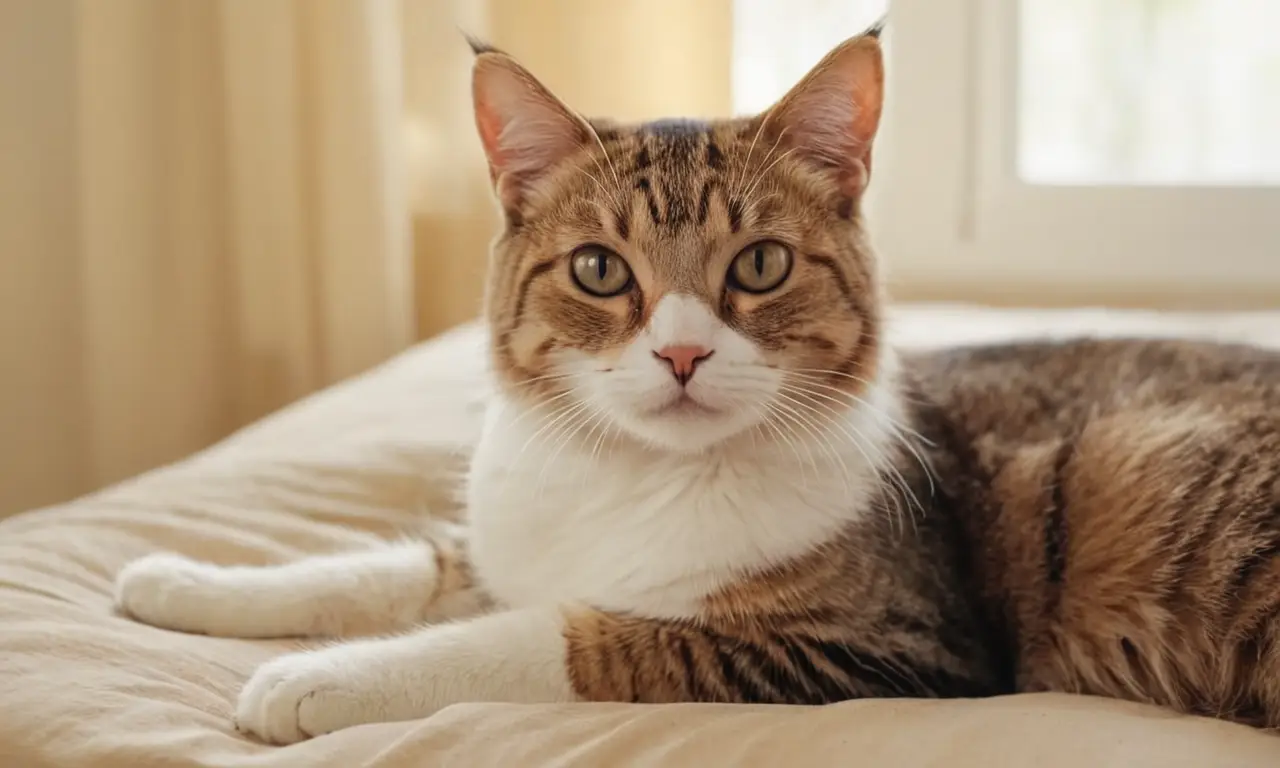
Common Cat Eye Diseases: Symptoms, Causes & Treatment
Understanding common cat eye diseases is crucial for every responsible cat owner. These conditions can range from mild irritations to sight-threatening emergencies, making early detection and prompt veterinary care essential. This comprehensive guide will delve into the various cat eye diseases, their typical symptoms, underlying causes, diagnostic approaches, and available treatment options, empowering you to protect your feline companion's precious vision.
𝙲𝚘𝚗𝚝𝚎𝚗𝚝
The Anatomy of a Cat's Eye: A Complex System
Before diving into specific diseases, it's beneficial to have a basic understanding of a cat's eye anatomy. The eye is a complex organ responsible for vision, and any disruption to its intricate structures can lead to significant problems. Key components include:
- Cornea: The transparent outer layer that covers the iris and pupil, responsible for refracting light.
- Iris: The colored part of the eye that controls the size of the pupil, regulating the amount of light entering the eye.
- Pupil: The black opening in the center of the iris that allows light to reach the retina.
- Lens: Located behind the iris, it focuses light onto the retina.
- Retina: The light-sensitive tissue at the back of the eye that converts light into neural signals sent to the brain.
- Optic Nerve: Transmits visual information from the retina to the brain.
- Conjunctiva: The thin, transparent membrane that lines the eyelids and covers the white part of the eye.
- Eyelids: Protect the eye from injury and keep it moist.
Common Cat Eye Diseases and Their Manifestations
Cat eye diseases can affect any of these structures, leading to a wide array of symptoms. Recognizing these signs is the first step towards seeking help.
1. Conjunctivitis (Pink Eye)
Conjunctivitis is one of the most prevalent cat eye diseases. It's an inflammation of the conjunctiva, the membrane lining the eyelids and covering the white of the eye.
-
Symptoms:
- Redness and swelling of the conjunctiva.
- Excessive tearing (epiphora).
- Discharge from the eyes, which can be clear, watery, white, yellow, or green depending on the cause.
- Frequent blinking or squinting.
- Rubbing or pawing at the eyes.
- In severe cases, swelling of the eyelids.
-
Causes:
- Infections: Viral (e.g., feline herpesvirus, feline calicivirus), bacterial (e.g., Chlamydophila felis, Mycoplasma felis), and fungal infections.
- Allergies: Environmental allergens like pollen, dust, or certain foods.
- Irritants: Dust, smoke, strong perfumes, or chemical irritants.
- Foreign bodies: Small particles lodged in the eye.
- Underlying systemic diseases: Such as feline leukemia virus (FeLV) or feline immunodeficiency virus (FIV).
-
Diagnosis and Treatment: A veterinarian will typically diagnose conjunctivitis based on clinical signs and a physical examination. Swabs may be taken to identify infectious agents. Treatment varies depending on the cause and may include:
- Antibiotic eye drops or ointments: For bacterial infections.
- Antiviral medications: For viral infections, though often supportive care is emphasized.
- Anti-inflammatory eye drops: To reduce swelling and discomfort.
- Allergy management: Identifying and avoiding allergens, or prescribing antihistamines.
- Flushing the eye: To remove irritants or foreign bodies.
2. Keratitis
Keratitis is inflammation of the cornea. It can be a standalone condition or occur secondary to other cat eye diseases.
-
Symptoms:
- Cloudy or opaque cornea.
- Pain, indicated by squinting, blinking, and rubbing.
- Redness of the eye.
- Sensitivity to light.
- Thickened cornea.
- Discharge.
-
Causes:
Cat Nail Problems: Causes, Symptoms, and Solutions- Infections: Viral (herpesvirus is a common culprit), bacterial, or fungal.
- Trauma: Scratches from other cats, foreign objects, or even rough play.
- Ectopic cilia: Eyelashes growing in abnormal locations that rub against the cornea.
- Eyelid abnormalities: Such as entropion (inward rolling of the eyelid).
- Autoimmune diseases: Where the body's immune system attacks the cornea.
-
Diagnosis and Treatment: Diagnosis involves a thorough eye examination, often using a slit lamp microscope and fluorescein staining to detect corneal abrasions. Treatment depends on the underlying cause and can include:
- Antibiotic, antifungal, or antiviral eye drops/ointments.
- Pain relief medication.
- Surgical procedures: To remove foreign bodies, correct eyelid abnormalities, or treat severe corneal ulcers.
- Cycloplegic eye drops: To reduce pain and pupil constriction.
3. Uveitis
Uveitis is inflammation of the uvea, the middle layer of the eye that includes the iris, ciliary body, and choroid. It's a serious condition that can lead to glaucoma and blindness.
-
Symptoms:
- Redness of the eye, particularly around the iris.
- Cloudy appearance of the eye.
- Pupil constriction (miosis).
- Pain, indicated by squinting, reluctance to move, and decreased appetite.
- "Flare" or inflammatory cells visible within the anterior chamber of the eye under examination.
- Hyphema (blood in the anterior chamber).
- Hypopyon (pus in the anterior chamber).
-
Causes: Uveitis in cats is often secondary to other diseases:
- Infections: Feline infectious peritonitis (FIP), feline leukemia virus (FeLV), feline immunodeficiency virus (FIV), toxoplasmosis.
- Trauma: Direct injury to the eye.
- Cancer: Intraocular tumors.
- Immune-mediated diseases.
- Idiopathic (unknown cause): In some cases, the cause remains elusive.
-
Diagnosis and Treatment: Diagnosis requires a comprehensive ophthalmic examination, including checking for systemic diseases that may be causing the uveitis. Treatment aims to reduce inflammation, manage pain, and address the underlying cause. Options include:
- Corticosteroid eye drops or injections: To reduce inflammation.
- Non-steroidal anti-inflammatory drugs (NSAIDs).
- Cycloplegic eye drops: To dilate the pupil and relieve pain.
- Antibiotics or antifungals: If an infection is identified.
- Treatment for the underlying systemic disease.
4. Glaucoma
Glaucoma is a condition characterized by increased intraocular pressure (IOP), which damages the optic nerve and can lead to irreversible blindness.
-
Symptoms:
- Enlarged, discolored pupil.
- Cloudy cornea.
- Redness of the eye.
- Squinting and obvious pain.
- Blindness (may be gradual or sudden).
- Dilated pupils that do not react to light.
-
Causes:
- Primary glaucoma: A genetic predisposition, less common in cats than dogs.
- Secondary glaucoma: Caused by other cat eye diseases, such as uveitis, tumors, or trauma, that obstruct the drainage of fluid from the eye.
-
Diagnosis and Treatment: IOP is measured using a tonometer. Treatment aims to lower IOP and preserve vision.
- Medications: Eye drops and oral medications to reduce fluid production or increase fluid drainage.
- Surgery: Laser therapy or implants to improve fluid drainage, or in severe cases, enucleation (removal of the eye) to relieve pain. Early detection is critical for successful management.
5. Cataracts
Cataracts are a clouding of the lens, which impairs the passage of light to the retina, leading to decreased vision and eventual blindness if severe.
Cat Cataracts: Symptoms, Causes & Treatment Options-
Symptoms:
- A white or grayish opacity in the center of the eye.
- Difficulty seeing in dim light.
- Bumping into objects.
- Reluctance to jump.
-
Causes:
- Genetics: Inherited predisposition.
- Diabetes Mellitus: Uncontrolled blood sugar levels can lead to rapid cataract formation.
- Age: Senile cataracts can develop as cats get older.
- Trauma: Injury to the eye.
- Inflammation: Chronic uveitis.
-
Diagnosis and Treatment: Diagnosis is made through a physical examination of the eye. Treatment usually involves surgical removal of the cataract and implantation of an artificial lens, which is a complex procedure typically performed by a veterinary ophthalmologist.
6. Dry Eye (Keratoconjunctivitis Sicca - KCS)
Dry eye occurs when the tear glands produce insufficient tears to keep the cornea moist and healthy.
-
Symptoms:
- Dry, dull surface of the eye.
- Thick, mucousy discharge.
- Redness.
- Squinting and discomfort.
- Corneal ulcers.
-
Causes:
- Immune-mediated: The immune system attacks the tear glands.
- Infections: Certain viral infections can damage tear glands.
- Medications: Some drugs can have a drying effect.
- Neurological conditions: Affecting tear production.
-
Diagnosis and Treatment: The Schirmer Tear Test is used to measure tear production. Treatment typically involves:
- Artificial tears: To lubricate the eye.
- Immunomodulatory eye drops: Such as cyclosporine or tacrolimus, to stimulate tear production.
- Antibiotics: If secondary infections are present.
Recognizing the Signs: When to See a Veterinarian
It's imperative for cat owners to be vigilant and monitor their cat's eyes for any changes. Seek veterinary attention immediately if you notice any of the following:
- Sudden blindness or vision loss.
- Significant redness, swelling, or pain in one or both eyes.
- Cloudy or opaque appearance of the cornea or lens.
- Abnormal pupil size or shape, or pupils that don't react to light.
- Visible trauma to the eye.
- Persistent discharge, especially if colored or accompanied by other symptoms.
- Excessive blinking or squinting.
- Your cat pawing or rubbing at their eyes excessively.
Preventive Measures and Eye Care for Cats
While not all cat eye diseases can be prevented, certain measures can help maintain your cat's eye health:
- Regular Veterinary Check-ups: Annual or semi-annual check-ups allow your veterinarian to screen for early signs of eye problems and address any underlying health issues.
- Good Hygiene: Keep your cat's face clean, gently wiping away any eye discharge with a damp cloth.
- Provide a Safe Environment: Minimize hazards that could lead to eye injuries, such as sharp objects or toxic substances.
- Manage Underlying Health Conditions: For cats with chronic illnesses like diabetes or FeLV/FIV, consistent management is crucial for preventing secondary eye complications.
- Monitor for Changes: Be attentive to your cat's behavior and appearance, noting any subtle changes in their eyes.
In summary
Protecting your cat's vision is a vital aspect of their overall well-being. By understanding the common cat eye diseases, recognizing their symptoms, and seeking prompt veterinary care, you can significantly improve the prognosis and quality of life for your beloved feline companion. Regular observation and a proactive approach to their health are your most powerful tools in safeguarding their precious sight.
Cataracts in Dogs: Symptoms, Causes, and Treatment Guide
Cat Urinary Crystals: Types, Symptoms & Treatment Guide

Cat Weight: How Do I Know If My Cat Is Fat?

Encephalitis in Dogs: Symptoms, Causes & Treatment

Dog Cavities: Causes, Symptoms, and Treatment Options

Natural Flea Relief: Home Remedies for Fleas in Cats

Newborn Puppy Feeding Guide: From Birth to Weaning
Related posts