

Cat Harness: Types, Fitting, and Safe Outdoor Adventures
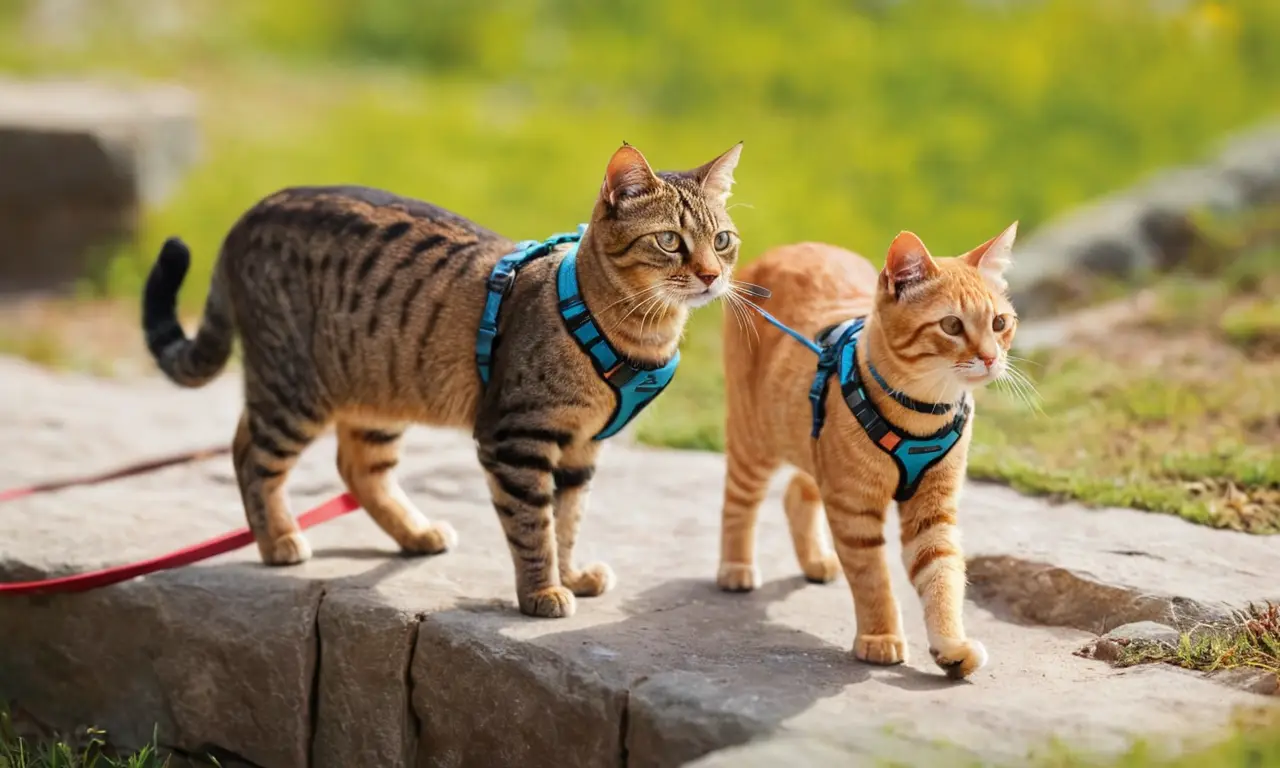
Cat Harness: Types, Fitting, and Safe Outdoor Adventures
Embarking on outdoor adventures with your feline companion can be a rewarding experience, but it requires proper preparation and the right equipment. A Cat harness – Types and how to put it on correctly is paramount to ensuring your cat's safety, comfort, and enjoyment. This comprehensive guide delves into the various types of cat harnesses available, offering detailed instructions on how to fit them, and essential tips for introducing your cat to harness wear. We will also explore the benefits of harness training and address common concerns to help you and your cat safely explore the world together.
𝙲𝚘𝚗𝚝𝚎𝚗𝚝
Why Harness Train Your Cat?
Traditionally, cats have been perceived as strictly indoor pets. However, a growing number of cat owners are discovering the joys and benefits of allowing their cats to experience the outdoors in a controlled and safe manner. Harness training opens up a world of possibilities for your feline friend, offering mental stimulation, exercise, and a break from the monotony of indoor life.
The benefits of harness training include:
Cat Vaccination Schedule: Protecting Your Feline Friend- Enrichment and Stimulation: Exposing your cat to new sights, sounds, and smells can significantly enrich their lives, preventing boredom and reducing stress-related behaviors.
- Physical Exercise: A safe outdoor environment allows your cat to engage in natural behaviors like stalking, climbing, and exploring, contributing to better physical health and weight management.
- Safer Exploration: A harness provides a secure way to explore the outdoors, preventing escapes and protecting your cat from dangers such as traffic, predators, and territorial fights with other animals.
- Travel Companion: For cats who travel with their owners, a harness can make visits to the vet, trips to new environments, or even car rides a more comfortable and secure experience.
- Rehabilitation and Confidence Building: For shy or anxious cats, supervised outdoor time in a harness can gradually build their confidence and help them overcome fears.
Understanding Different Types of Cat Harnesses
The market offers a variety of cat harnesses, each with its own design and features. Choosing the right Cat harness – Types and how to put it on correctly starts with understanding these differences.
1. The Vest Harness
- Description: Vest harnesses are arguably the most popular and often recommended type for cats. They typically feature a vest-like design that wraps around the cat's body, with a secure buckle or Velcro closure. They distribute pressure more evenly across the chest and back, making them comfortable and less likely to slip off.
- Pros:
- Generally more secure and escape-proof due to their coverage.
- Distributes pressure evenly, reducing strain on the cat's neck.
- Often made with padded materials for added comfort.
- Many have reflective strips for increased visibility.
- Cons:
- Can be warmer for cats in hot climates.
- Some cats might feel more restricted by the vest coverage.
- Can be more challenging to put on some cats compared to simpler designs.
2. The H-Style Harness
- Description: This harness resembles the letter "H" when laid flat. It typically has two adjustable straps that go around the cat's neck and chest, connecting at the back. A leash attaches to a ring on the back.
- Pros:
- Lightweight and less bulky than vest harnesses.
- Easy to put on and take off.
- Offers good adjustability.
- Cons:
- Can be less secure if not fitted properly, as cats can sometimes slip out of the neck loop.
- Pressure can concentrate around the neck, which might be uncomfortable for some cats.
- Less forgiving for cats with very slender necks or those prone to escaping.
3. The Figure-Eight Harness
- Description: This design consists of two loops that form a "figure eight." One loop goes around the cat's neck, and the other goes around their chest. The leash attaches to the center point.
- Pros:
- Can be very secure when fitted correctly.
- Offers good adjustability.
- Cons:
- Can be tricky to fit properly.
- The neck loop can put significant pressure on the trachea if not adjusted perfectly, posing a risk.
- Not recommended for cats who are nervous or prone to panic, as it can cause distress.
4. The Escape-Proof Harness
- Description: These harnesses are specifically designed with extra features to prevent even the most determined escape artists. This often includes multiple adjustment points, a more encompassing design, and sometimes a strap that goes around the belly for added security. Many vest harnesses fall into this category when they have superior security features.
- Pros:
- Highest level of security for escape-prone cats.
- Reduces the risk of accidents or loss.
- Cons:
- Can be more expensive.
- May require more time and patience to fit correctly.
- Could be perceived as more restrictive by some cats.
How to Put On a Cat Harness: A Step-by-Step Guide
Successfully introducing your cat to a Cat harness – Types and how to put it on correctly is a process that requires patience, positive reinforcement, and understanding of your cat's body language.
Step 1: Choose the Right Harness Size
- Measure your cat: Before purchasing a harness, measure your cat's chest girth (the widest part of their chest, just behind their front legs) and neck girth.
- Consult size charts: Most reputable harness manufacturers provide detailed size charts. Compare your cat's measurements to these charts to find the best fit. A snug fit is crucial, but it should not be constricting.
Step 2: Introduce the Harness Gradually
- Let them sniff it: Place the harness on the floor near your cat's food bowl or favorite resting spot. Allow them to investigate it at their own pace.
- Positive association: Associate the harness with positive experiences. You can offer treats or praise when they interact with the harness.
- Short exposures: Once your cat seems comfortable with the harness being around, try placing it on them for very short periods (a few seconds) while offering treats and praise. Remove it before they become distressed.
Step 3: Fitting the Harness
This is where understanding the Cat harness – Types and how to put it on truly comes into play. The method will vary slightly depending on the harness type.
Cat Cataracts: Symptoms, Causes & Treatment OptionsFor Vest Harnesses:
- Lay it open: Unbuckle or unvelcro the vest harness so it lies flat.
- Gently place over head: If it has a neck opening, gently guide your cat's head through it.
- Wrap around body: Bring the vest around your cat's torso, ensuring their front legs are positioned correctly through the leg openings if applicable.
- Secure the closures: Fasten the buckles or Velcro straps. Start with the neck straps if present, ensuring they are snug but not tight. Then, secure the chest straps.
- The Two-Finger Rule: You should be able to comfortably fit two fingers between the harness and your cat's body at any point. This ensures it's neither too tight nor too loose.
- Check for escape: Gently try to pull the harness upwards and sideways to see if your cat can wriggle out. If they can, tighten it slightly, ensuring it remains comfortable.
For H-Style Harnesses:
- Unbuckle/unfasten: Ensure all straps are loose.
- Position the neck loop: Gently place the neck loop over your cat's head.
- Guide straps: Bring the chest strap around their body.
- Secure the buckles: Connect and tighten the buckles.
- Adjust for fit: Adjust the neck and chest straps using the sliders to achieve the two-finger rule. Ensure the neck loop is not too tight around their trachea.
For Figure-Eight Harnesses:
- Adjust loops: Loosen the adjustment slider significantly.
- Place neck loop: Gently guide the larger loop over your cat's head.
- Wrap chest loop: Bring the smaller loop around their chest, ensuring it sits behind their front legs.
- Tighten carefully: Adjust the slider to achieve a snug fit. Again, the two-finger rule is essential, and you must be extremely cautious not to constrict their breathing.
Step 4: Leash Attachment
Once the harness is securely fitted, attach the leash.
- Quality leash: Use a lightweight, sturdy leash. Avoid retractable leashes, as they offer less control and can be dangerous.
- Secure connection: Ensure the leash clip securely attaches to the D-ring on the harness.
Step 5: Post-Fitting Checks
- Comfort: Observe your cat for any signs of discomfort, such as licking the harness, trying to bite at it, or unusual gait.
- Mobility: Ensure the harness doesn't restrict their movement, especially their front legs.
- Breathing: Make sure the harness is not pressing on their throat or ribs.
Introducing Your Cat to the Harness: Patience is Key
This is perhaps the most crucial part of the Cat harness – Types and how to put it on process. Never force your cat into a harness.
- Short Wear Sessions: Once the harness is fitted, let your cat wear it for very short periods indoors while you supervise and offer treats.
- Associate with Play: Engage in gentle play with the harness on. This helps them associate it with enjoyable activities.
- Gradual Increase in Duration: Slowly increase the amount of time your cat wears the harness.
- Attach the Leash (Indoors): Once they are comfortable with the harness itself, attach the leash and let them drag it around the house under supervision.
- First Walks Indoors: Begin with very short "walks" inside your home, allowing your cat to lead and explore.
- First Outdoor Experiences: When you venture outside, start in a quiet, familiar area. Let your cat set the pace and explore. Don't expect long walks immediately.
Essential Tips for Safe Outdoor Adventures
- Start slow: Begin with short excursions in a quiet, safe environment like your backyard.
- Supervise at all times: Never leave your cat unattended while harnessed outdoors.
- Know your cat's limits: Pay attention to your cat's body language. If they seem stressed, tired, or scared, bring them inside.
- Provide a safe space: Ensure your cat has a secure "escape" route or can retreat to a familiar spot if they feel overwhelmed.
- Consider a "catio": For those who want to provide outdoor access without direct supervision, a secure catio (cat patio) is an excellent option.
- Vaccinations and parasite control: Ensure your cat is up-to-date on all necessary vaccinations and parasite preventatives before venturing outdoors.
- Identification: Always ensure your cat has a microchip and a collar with an ID tag, even when harnessed.
- Avoid busy areas: Steer clear of busy streets, dog parks, or areas with many unfamiliar animals.
- Acclimatize to sounds: Gradually expose your cat to different environmental sounds to help them become less reactive.
Common Concerns and Troubleshooting
- My cat is struggling/panicking: If your cat consistently panics, it might not be the right time for harness training, or the harness might be ill-fitting or uncomfortable. Reassess the process and try again later, or consider a different harness type.
- My cat is trying to escape: This often indicates an improper fit. Double-check the two-finger rule and ensure all straps are adjusted correctly. Some cats are naturally more adept at escaping, so an escape-proof design might be necessary.
- My cat won't walk: Some cats are content to sit and observe rather than actively walk. Let them do what they feel comfortable with. The goal is enrichment, not necessarily a brisk walk.
- Harness is rubbing: Check for any rough edges or seams that might be irritating your cat's skin. Ensure the fit isn't too tight, causing chafing.
In summary
Harness training can be a wonderful way to enhance your cat's life and deepen your bond. By understanding the different Cat harness – Types and how to put it on correctly, choosing the right fit, and dedicating time to gradual, positive introduction, you can safely unlock a world of new experiences for your feline friend. Remember that every cat is an individual, so patience, observation, and a commitment to their comfort and safety are paramount to success.
Cataracts in Dogs: Symptoms, Causes, and Treatment Guide
Cat Urinary Crystals: Types, Symptoms & Treatment Guide

Cat Weight: How Do I Know If My Cat Is Fat?

Encephalitis in Dogs: Symptoms, Causes & Treatment

Dog Cavities: Causes, Symptoms, and Treatment Options

Natural Flea Relief: Home Remedies for Fleas in Cats

Newborn Puppy Feeding Guide: From Birth to Weaning
Related posts