
Easy Cat Treat Recipes: Homemade Delights for Your Feline
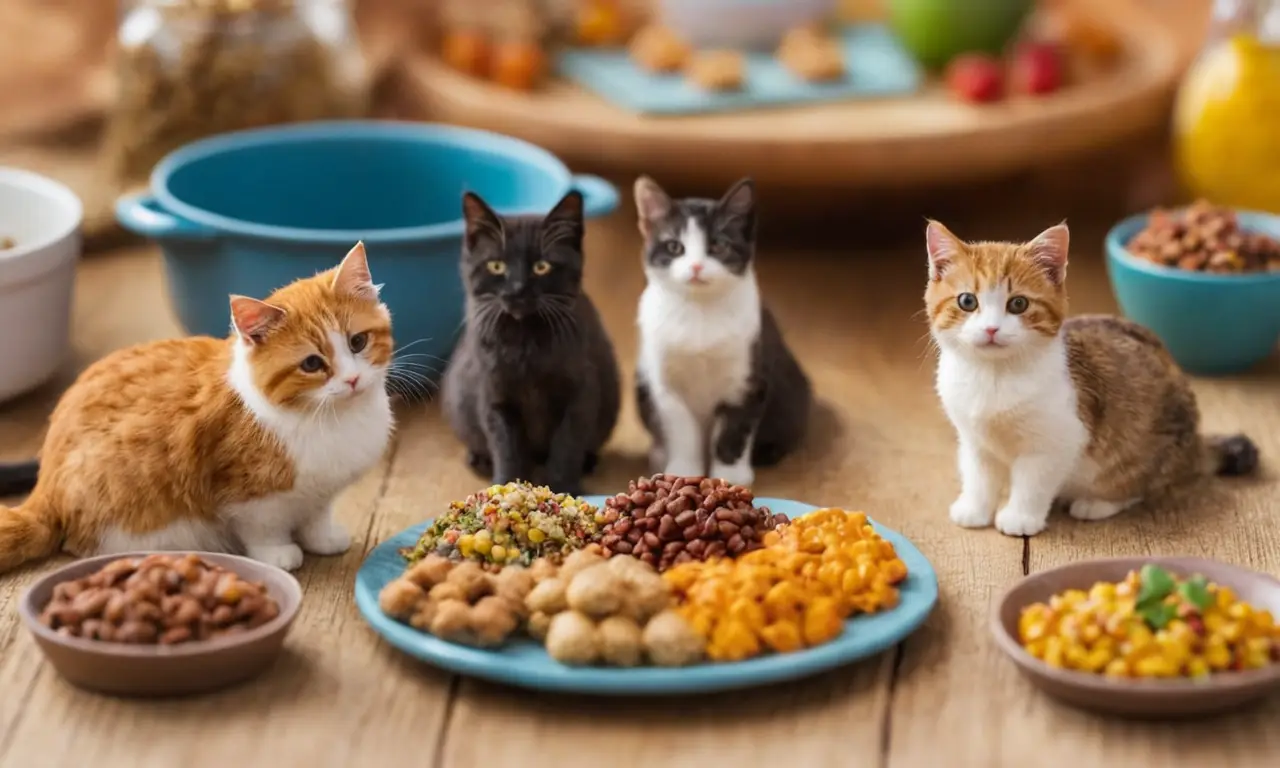
Wholesome & Delicious: Unleash Your Inner Chef with These Cat Treat Recipes
Creating homemade cat treats is a rewarding way to bond with your feline companion, ensure they're getting healthy and wholesome ingredients, and cater to their specific dietary needs and preferences. Gone are the days of questioning what mysterious additives might be lurking in store-bought options. With a few simple ingredients and a little culinary creativity, you can whip up a batch of delightful cat treat recipes that will have your cat purring with satisfaction. This comprehensive guide will explore the benefits of homemade treats, introduce you to a variety of easy and nutritious recipes, and offer tips for preparation, storage, and ensuring your cat's safety. Whether you have a picky eater, a feline with allergies, or simply want to spoil your furry friend, these cat treat recipes are designed to please.
𝙲𝚘𝚗𝚝𝚎𝚗𝚝
Why Go Homemade with Cat Treat Recipes?
The allure of homemade cat treats extends far beyond mere novelty. There are tangible benefits to preparing your own feline delicacies:
- Control Over Ingredients: This is arguably the most significant advantage. You know exactly what goes into each treat, allowing you to avoid artificial colors, flavors, preservatives, and common allergens like grains, dairy, or certain proteins. This is particularly crucial for cats with sensitive stomachs or specific dietary restrictions.
- Nutritional Value: You can tailor the ingredients to provide specific nutritional benefits. For example, incorporating omega-3 fatty acids for a glossy coat, or probiotics for digestive health. This allows you to supplement your cat's regular diet with targeted nourishment.
- Cost-Effectiveness: While the initial investment in ingredients might seem comparable, making treats in bulk can significantly reduce the cost per treat compared to purchasing premium store-bought options.
- Freshness and Quality: Homemade treats are made with fresh ingredients, ensuring a higher quality and more appealing product for your cat.
- Customization for Picky Eaters: Does your cat turn their nose up at most things? With homemade treats, you can experiment with different flavors and textures until you find what truly entices them.
- Bonding Experience: The act of preparing something special for your pet can deepen your bond and provide a fun, engaging activity.
Essential Ingredients for Cat Treat Recipes
Before diving into the recipes, let's consider some of the foundational ingredients that are generally safe and appealing to cats. Always ensure these are unsweetened, unseasoned, and free from any additives that could be harmful.
- Protein Sources:
- Cooked Chicken or Turkey: Plain, boiled, or baked, finely diced or ground.
- Cooked Fish: Salmon, tuna (in moderation, due to mercury), or sardine, cooked and deboned.
- Liver: Cooked chicken or beef liver, a highly palatable and nutrient-rich option.
- Eggs: Cooked and scrambled or hard-boiled, a good source of protein and nutrients.
- Binders and Bases:
- Whole Wheat Flour (in moderation): If your cat tolerates grains.
- Oat Flour: A good alternative for cats with grain sensitivities.
- Coconut Flour: Gluten-free and adds a subtle flavor.
- Pumpkin Puree (unsweetened): Rich in fiber and beneficial for digestion.
- Sweet Potato Puree (unsweetened): A good source of vitamins and fiber.
- Flavor Enhancers (in small amounts):
- Catnip: A favorite for many felines.
- Parmesan Cheese (low-sodium): A small sprinkle for added flavor.
- Nutritional Yeast: A deactivated yeast that can provide a cheesy flavor and B vitamins.
- Healthy Fats:
- Coconut Oil: Can be beneficial for skin and coat health.
Important Note: Always introduce new ingredients to your cat gradually and monitor for any adverse reactions. Consult your veterinarian if you have any concerns about specific ingredients or your cat's dietary needs.
Simple & Savory Cat Treat Recipes
Let's get baking! These recipes are designed to be easy, require minimal ingredients, and are sure to be a hit with your feline friend.
1. Basic Tuna Bites
These are incredibly simple and use readily available ingredients.
Cats Health Gourmet NNFatcane: Composition, Reviews & PriceIngredients:
- 1 can (5 oz) tuna in water, drained
- 1/4 cup whole wheat flour (or oat flour for grain-free)
- 1 tablespoon catnip (optional)
Instructions:
- Preheat your oven to 350°F (175°C). Line a baking sheet with parchment paper.
- In a medium bowl, flake the drained tuna with a fork.
- Add the flour and catnip (if using) to the tuna. Mix well until a sticky dough forms.
- Roll the dough into small, pea-sized balls.
- Place the balls on the prepared baking sheet.
- Bake for 10-15 minutes, or until lightly golden and firm.
- Let them cool completely before serving.
2. Chicken & Sweet Potato Paws
A nutrient-rich option that cats often adore.
Ingredients:
- 1/2 cup cooked, finely ground chicken
- 1/4 cup unsweetened sweet potato puree
- 2 tablespoons oat flour (or whole wheat flour)
- 1 teaspoon dried parsley (optional, for freshness)
Instructions:
- Preheat your oven to 300°F (150°C). Line a baking sheet with parchment paper.
- In a bowl, combine the ground chicken, sweet potato puree, oat flour, and parsley (if using).
- Mix until a cohesive dough forms. You may need to add a touch more oat flour if the mixture is too wet.
- Roll out the dough thinly (about 1/8 inch thick) on a lightly floured surface.
- Use small paw-shaped cookie cutters (or simply cut into small squares) to create the treats.
- Place the treats on the prepared baking sheet.
- Bake for 20-25 minutes, or until firm and slightly dried out.
- Allow to cool completely.
3. Salmon & Catnip Stars
A delightful combination of fish and feline favorite.
Celiac or Gluten Intolerant Dogs: Causes, Symptoms & DietIngredients:
- 1/2 cup cooked salmon, flaked and deboned
- 1/4 cup coconut flour
- 1 tablespoon dried catnip
- 1 egg, lightly beaten
Instructions:
- Preheat your oven to 350°F (175°C). Line a baking sheet with parchment paper.
- In a bowl, combine the flaked salmon, coconut flour, and catnip.
- Pour in the beaten egg and mix until a dough forms.
- Roll the dough into small balls and flatten them slightly, or use small star-shaped cookie cutters.
- Place the treats on the prepared baking sheet.
- Bake for 12-15 minutes, or until golden brown and firm.
- Cool completely before serving.
4. Liver Lover's Delight
For the ultimate carnivore, these liver-based treats are a sure winner.
Ingredients:
- 4 oz cooked chicken or beef liver, finely ground
- 1/4 cup whole wheat flour (or oat flour)
- 1 tablespoon nutritional yeast (optional)
- 1 tablespoon water (if needed)
Instructions:
- Preheat your oven to 325°F (160°C). Line a baking sheet with parchment paper.
- In a bowl, combine the ground liver and flour.
- Add the nutritional yeast (if using). Mix well. If the mixture is too dry to hold together, add water, one teaspoon at a time, until a workable dough forms.
- Roll the dough into small balls or flat discs.
- Place on the baking sheet and bake for 15-20 minutes, or until firm.
- Cool completely.
Tips for Successful Cat Treat Recipes
- Portion Control: These are treats, not a meal replacement. Offer them in moderation to avoid weight gain or upsetting your cat's digestive balance.
- Cool Completely: Always allow treats to cool completely before serving. Warm treats can be too hot and may burn your cat's mouth.
- Storage: Store homemade treats in an airtight container in the refrigerator for up to a week. For longer storage, you can freeze them for up to 2-3 months.
- Dehydration: For a longer shelf life and a crunchier texture, you can dehydrate your cat treats. This typically involves baking at a very low temperature (around 150-200°F or 65-95°C) for several hours until all moisture is removed.
- Observe Your Cat: Pay attention to how your cat reacts to new treats. Note any changes in their digestion or behavior.
- Introduce Gradually: When introducing any new treat, start with a small piece to ensure no digestive upset.
Safety First: What to Avoid in Cat Treat Recipes
Just as important as knowing what to include is knowing what to exclude. Many common human foods can be toxic to cats.
Healthy Chicken Recipes for Cats: A Delicious Guide- Onions and Garlic: These are highly toxic to cats and can cause damage to their red blood cells.
- Chocolate: Contains theobromine, which is toxic to cats.
- Grapes and Raisins: Can cause kidney failure in cats.
- Alcohol and Caffeine: Highly toxic.
- Xylitol: An artificial sweetener found in some sugar-free products, extremely toxic to cats.
- Raw Meat and Eggs: Risk of bacterial contamination (Salmonella, E. coli). Always cook ingredients thoroughly.
- Dairy Products: Many cats are lactose intolerant and can experience digestive upset.
- Artificial Sweeteners and Preservatives: Avoid anything with artificial ingredients.
Always err on the side of caution. If you are unsure about an ingredient, it's best to omit it or consult your veterinarian.
The Joy of Homemade for Your Feline Friend
Making cat treat recipes at home is more than just a culinary endeavor; it's an act of love and care. By understanding your cat's nutritional needs and preferences, you can create delicious, healthy, and safe treats that will enhance their well-being and strengthen your bond. So, put on your apron, gather your ingredients, and embark on a delightful journey of creating homemade delicacies that will have your cat purring with pure joy. Happy baking!
Parrot Diet: Best Fruits and Vegetables for Your Bird

Festive Feasts: Top Christmas Recipes for Dogs
Dog Kidney Failure Diet: Homemade Solutions & Care Tips
Choosing the Best Dog Food: A Comprehensive Guide
Cat Hepatitis Diet: Essential Foods for Your Feline Friend
Understanding the Composition of Cat Food for Health
Related posts