
Cat Cataracts: Symptoms, Causes & Treatment Options
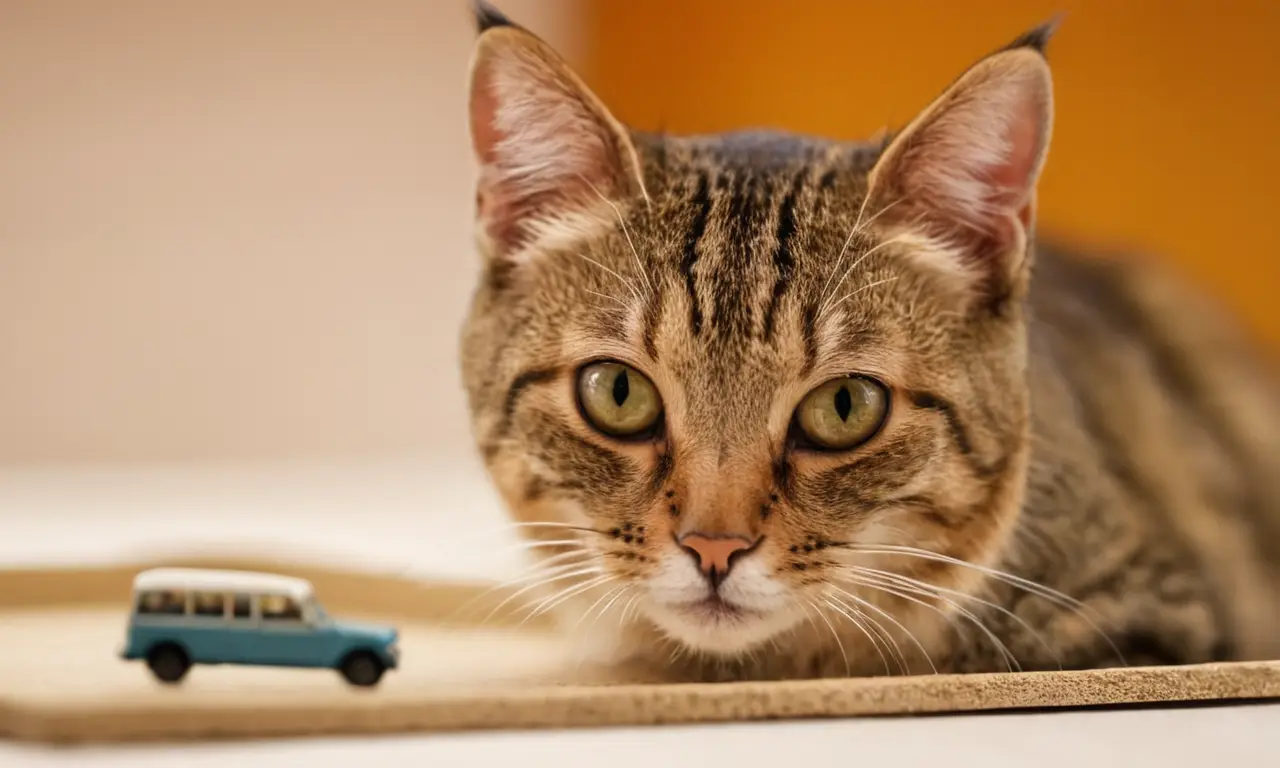
Cat Cataracts: Symptoms, Causes, and Effective Treatment
Cataracts in cats - Symptoms and treatment are crucial topics for any responsible cat owner. As our feline companions age, or due to various health conditions, they can develop cataracts, a clouding of the lens in the eye that can impair vision and, in severe cases, lead to blindness. Understanding the signs, causes, and available treatments is vital for ensuring your cat maintains a good quality of life. This comprehensive guide will delve into the intricacies of cataracts in cats, providing you with the knowledge to identify, manage, and potentially treat this common ocular condition.
𝙲𝚘𝚗𝚝𝚎𝚗𝚝
- What Exactly Are Cataracts in Cats?
- Identifying the Signs: Common Symptoms of Cataracts in Cats
- Understanding the Root Causes: Why Do Cats Develop Cataracts?
- Diagnosing Cataracts: The Role of Your Veterinarian
- Cataracts in cats - Symptoms and treatment: Exploring Treatment Options
- Prevention: Can Cataracts in Cats Be Prevented?
- Living with a Cat with Cataracts
- In summary
What Exactly Are Cataracts in Cats?
A cataract is an opacity or clouding of the crystalline lens within the eye. The lens is normally clear and transparent, allowing light to pass through and focus on the retina at the back of the eye. When a cataract forms, this transparency is lost, scattering light and preventing a clear image from forming. In cats, cataracts can vary in size, density, and location within the lens, influencing the degree of vision impairment. While often associated with aging, they can also stem from genetic predispositions, trauma, or underlying diseases.
Identifying the Signs: Common Symptoms of Cataracts in Cats
Recognizing the early signs of cataracts is paramount. Often, the changes are subtle at first, and pet owners might attribute them to normal aging. However, paying close attention to your cat's behavior and visual cues can lead to timely diagnosis and intervention.
Visual Changes: What to Look For
- Cloudy or Bluish Hue in the Eye: The most apparent sign is a change in the appearance of the pupil. Instead of a deep black, the center of the eye may appear milky, white, bluish, or gray. This is due to the opacification of the lens. This can be more noticeable in certain lighting conditions.
- Difficulty Navigating: As vision deteriorates, cats may exhibit hesitancy or difficulty navigating familiar environments. They might bump into objects, misjudge distances when jumping, or become reluctant to jump onto high surfaces they previously accessed with ease.
- Changes in Behavior: You might notice your cat becoming more withdrawn, less playful, or more dependent on you. They may seem disoriented, especially in low light. Some cats might squint or paw at their eyes, indicating discomfort or irritation.
- Dilated Pupils: In some cases, the pupils may appear larger than normal, even in bright light. This is the eye's attempt to let in more light to compensate for the reduced vision.
- Increased Glare Sensitivity: Cats with cataracts may be more sensitive to bright lights, leading them to seek out darker areas or appear uncomfortable in well-lit rooms.
Behavioral Clues: How Their Actions Might Change
Beyond direct visual symptoms, subtle behavioral shifts can also indicate vision problems.
- Hesitation at Stairs: Cats with impaired vision may be reluctant to use stairs or navigate them more cautiously.
- Missed Prey: If your cat is an outdoor hunter, you might observe a decrease in their hunting success. Indoor cats might seem less interested in chasing laser pointers or toy mice.
- Accidents: While not exclusive to cataracts, an increase in house-training accidents can sometimes be linked to a cat's reduced ability to find their litter box, especially if it's in a less familiar or darker location.
- Changes in Sleep Patterns: Some cats might sleep more or exhibit anxiety due to their compromised vision.
Understanding the Root Causes: Why Do Cats Develop Cataracts?
While age is a significant factor, several underlying causes can contribute to the development of cataracts in cats. Identifying the cause is crucial for determining the best course of treatment.
Age-Related Cataracts (Senile Cataracts)
Just like humans, cats' lenses can undergo age-related changes. Over time, the proteins within the lens can degrade and clump together, leading to clouding. These are often the most common type of cataracts seen in older cats and typically progress slowly.
Genetic Predisposition
Certain breeds of cats are more prone to developing cataracts due to inherited genetic mutations. These hereditary cataracts can manifest at any age, from kittenhood to adulthood. Examples of breeds that may have a higher predisposition include Siamese, Persians, and Burmese cats, although cataracts can occur in any breed.
Diabetes Mellitus
Diabetes is a significant contributor to cataracts in cats. In diabetic cats, high blood sugar levels lead to an accumulation of sorbitol within the lens. Sorbitol draws water into the lens, causing it to swell and become opaque. Diabetic cataracts can develop relatively quickly and often require management of the underlying diabetes in addition to addressing the cataracts.
Cataracts in Dogs: Symptoms, Causes, and Treatment GuideEye Trauma and Injury
Direct trauma to the eye, such as a blow from a fight with another animal, an accident, or even a severe poke, can damage the lens and trigger cataract formation. Inflammation or bleeding within the eye following an injury can also lead to lens opacities.
Nutritional Deficiencies
While less common in cats fed a balanced commercial diet, severe deficiencies in certain nutrients, such as amino acids or vitamins, could theoretically contribute to lens abnormalities. However, this is rarely the primary cause in well-nourished domestic cats.
Inflammatory Eye Diseases (Uveitis)
Uveitis is inflammation of the uvea, the middle layer of the eye. This inflammation can affect the lens and lead to the formation of cataracts. Uveitis itself can be caused by infections, autoimmune diseases, or other underlying conditions.
Other Ocular Conditions
Other eye diseases, such as glaucoma or retinal degeneration, can sometimes be associated with the development of cataracts, either as a consequence of the primary disease or as a separate concurrent issue.
Diagnosing Cataracts: The Role of Your Veterinarian
If you suspect your cat has cataracts, a prompt veterinary examination is essential. Your veterinarian will perform a thorough eye exam to confirm the diagnosis and determine the underlying cause.
The Comprehensive Eye Examination
- Visual Inspection: The veterinarian will first visually examine your cat's eyes for any obvious clouding of the lens, discharge, redness, or swelling.
- Ophthalmoscope Examination: Using an ophthalmoscope, the vet can look deeper into the eye, assessing the clarity of the cornea, iris, lens, and retina.
- Slit Lamp Biomicroscopy: This specialized instrument allows for a magnified view of the eye's structures, enabling the veterinarian to precisely identify the type, size, and location of the cataract.
- Tonometry: This test measures the intraocular pressure, which is crucial for ruling out or diagnosing glaucoma, another serious eye condition that can coexist with or mimic cataracts.
- Fundic Examination: The veterinarian will examine the retina and optic nerve at the back of the eye to ensure these structures are healthy. This is vital because even if cataracts are successfully treated, vision will not be restored if the retina is damaged.
- Blood Tests: If diabetes or other systemic diseases are suspected, blood tests will be performed to diagnose or rule out these conditions.
Cataracts in cats - Symptoms and treatment: Exploring Treatment Options
The treatment approach for cataracts in cats depends on several factors, including the cause of the cataract, its severity, your cat's overall health, and the potential for restoring vision.
Medical Management: When Surgery Isn't an Option
In some cases, especially for very small or slowly progressing cataracts, or when surgery is not feasible due to the cat's health or financial constraints, medical management might be considered.
- Addressing Underlying Causes: If the cataract is secondary to another condition like diabetes or uveitis, managing that primary disease is crucial. Controlling diabetes can sometimes slow or even partially reverse the progression of diabetic cataracts. Treating uveitis with anti-inflammatory medications can help prevent further lens damage.
- Anti-Inflammatory Eye Drops: In cases of inflammation, your vet may prescribe corticosteroid or non-steroidal anti-inflammatory eye drops to reduce swelling and prevent further damage to the lens.
- Antioxidant Supplements: Some studies suggest that certain antioxidants might have a role in slowing cataract progression, though this is not a definitive treatment and should always be discussed with your veterinarian.
Surgical Intervention: The Most Effective Solution
For significant cataracts that are impairing your cat's quality of life, surgery is often the most effective treatment option. The gold standard for cataract removal in cats is phacoemulsification, a procedure similar to that performed in humans.
Rabbit Cataracts: Symptoms, Causes, & Treatment OptionsPhacoemulsification and Intraocular Lens Implantation
- Phacoemulsification: This advanced surgical technique uses high-frequency ultrasonic waves to break up the cloudy lens into tiny fragments, which are then suctioned out of the eye.
- Aspiration: The liquefied cataract material is carefully removed from the eye.
- Intraocular Lens (IOL) Implantation: In many cases, especially in humans, an artificial lens (IOL) is implanted to restore focusing ability. However, IOL implantation in cats is less common and often reserved for specific situations due to the complexities of feline eye anatomy and the potential for complications. Many cats do well without an implanted lens, relying on their brain to adapt and use other visual cues.
The Surgical Process and Recovery
- Pre-Operative Assessment: Before surgery, a thorough veterinary ophthalmologist will perform a complete ocular examination, including a B-scan ultrasound to assess the health of the retina and vitreous, ensuring it's suitable for surgery.
- Anesthesia: The procedure is performed under general anesthesia.
- Post-Operative Care: After surgery, your cat will require strict post-operative care, which typically includes:
- Eye Drops: A regimen of antibiotic and anti-inflammatory eye drops to prevent infection and reduce inflammation.
- Elizabethan Collar (E-collar): To prevent your cat from rubbing or pawing at the surgical site.
- Restricted Activity: Limiting strenuous activity to aid healing.
- Regular Rechecks: Frequent follow-up appointments with your veterinarian or ophthalmologist to monitor healing and check for complications.
Potential Complications of Cataract Surgery
While generally safe and effective, cataract surgery, like any surgical procedure, carries potential risks and complications, including:
- Infection: Though rare with proper care, infection can occur.
- Inflammation: Post-operative inflammation is common and managed with medication.
- Glaucoma: An increase in intraocular pressure.
- Retinal Detachment: Separation of the retina from the back of the eye.
- Secondary Glaucoma: Increased pressure within the eye that can occur after surgery.
- Residual Opacity: In some cases, a small amount of clouding may remain or develop.
Prognosis and Managing Vision Loss
The prognosis for cats with cataracts varies greatly. For cats that undergo successful surgery, vision can often be significantly improved, allowing them to return to their normal activities. However, if the underlying cause of the cataract has also damaged other parts of the eye, such as the retina, complete vision restoration may not be possible.
Even if surgery is not an option, cats are remarkably adaptable. With time, they can learn to rely on their other senses (hearing, smell) and develop a keen sense of their surroundings to navigate effectively. Providing a safe and predictable environment can greatly help a cat with impaired vision.
Prevention: Can Cataracts in Cats Be Prevented?
Direct prevention of cataracts in cats is challenging, as many causes are intrinsic or related to genetics and aging. However, there are steps you can take to promote your cat's overall eye health and potentially mitigate the risk or progression of certain types of cataracts.
Regular Veterinary Check-ups
Routine veterinary visits are crucial for early detection of diseases like diabetes or ocular inflammation that can lead to cataracts. Early diagnosis and management of these conditions can help protect your cat's vision.
Balanced Nutrition
Feeding your cat a high-quality, balanced diet appropriate for their life stage is essential for overall health, including eye health. While specific nutritional deficiencies leading to cataracts are rare in well-fed cats, a good diet supports the body's natural repair mechanisms.
Prompt Treatment of Eye Injuries
If your cat sustains any eye injury, seek veterinary attention immediately. Prompt treatment can minimize damage and reduce the risk of secondary complications like cataracts.
Managing Underlying Health Conditions
For cats diagnosed with conditions like diabetes or chronic inflammatory diseases, diligent management according to your veterinarian's recommendations is vital. Controlling these diseases can prevent or slow the development of secondary cataracts.
Cauda Equina Syndrome in Dogs: Symptoms, Diagnosis, TreatmentLiving with a Cat with Cataracts
If your cat has cataracts and surgery isn't an option, or while they are awaiting surgery, you can make adjustments to their environment to help them feel more secure and navigate more easily.
- Maintain a Consistent Environment: Avoid moving furniture or changing the layout of your home frequently. Familiarity helps them map out their surroundings.
- Keep Pathways Clear: Ensure there are no obstacles in their usual paths.
- Use Non-Slip Surfaces: For cats who may have trouble with balance, consider adding rugs or mats to slippery floors.
- Gentle Handling: Approach your cat calmly and let them know you are there before touching them, as they may not see you approaching.
- Provide Accessible Resources: Ensure their food, water, and litter box are easily accessible and in familiar locations.
- Enrichment Activities: Offer toys and activities that engage their other senses, such as puzzle feeders or scent-based games.
In summary
Understanding Cataracts in cats - Symptoms and treatment is a vital aspect of responsible pet ownership. While the prospect of your beloved feline companion losing their sight can be distressing, knowledge and timely intervention can make a significant difference. From recognizing subtle visual and behavioral changes to understanding the underlying causes and exploring available treatment options, including surgical intervention, you are empowered to provide the best possible care. Regular veterinary check-ups, diligent management of underlying health conditions, and creating a supportive environment are all key to ensuring your cat enjoys a happy and fulfilling life, regardless of their visual status.
Cat Urinary Crystals: Types, Symptoms & Treatment Guide
Cat Weight: How Do I Know If My Cat Is Fat?

Encephalitis in Dogs: Symptoms, Causes & Treatment

Dog Cavities: Causes, Symptoms, and Treatment Options
Natural Flea Relief: Home Remedies for Fleas in Cats

Newborn Puppy Feeding Guide: From Birth to Weaning
Related posts