

Rabbit Cataracts: Symptoms, Causes, & Treatment Options
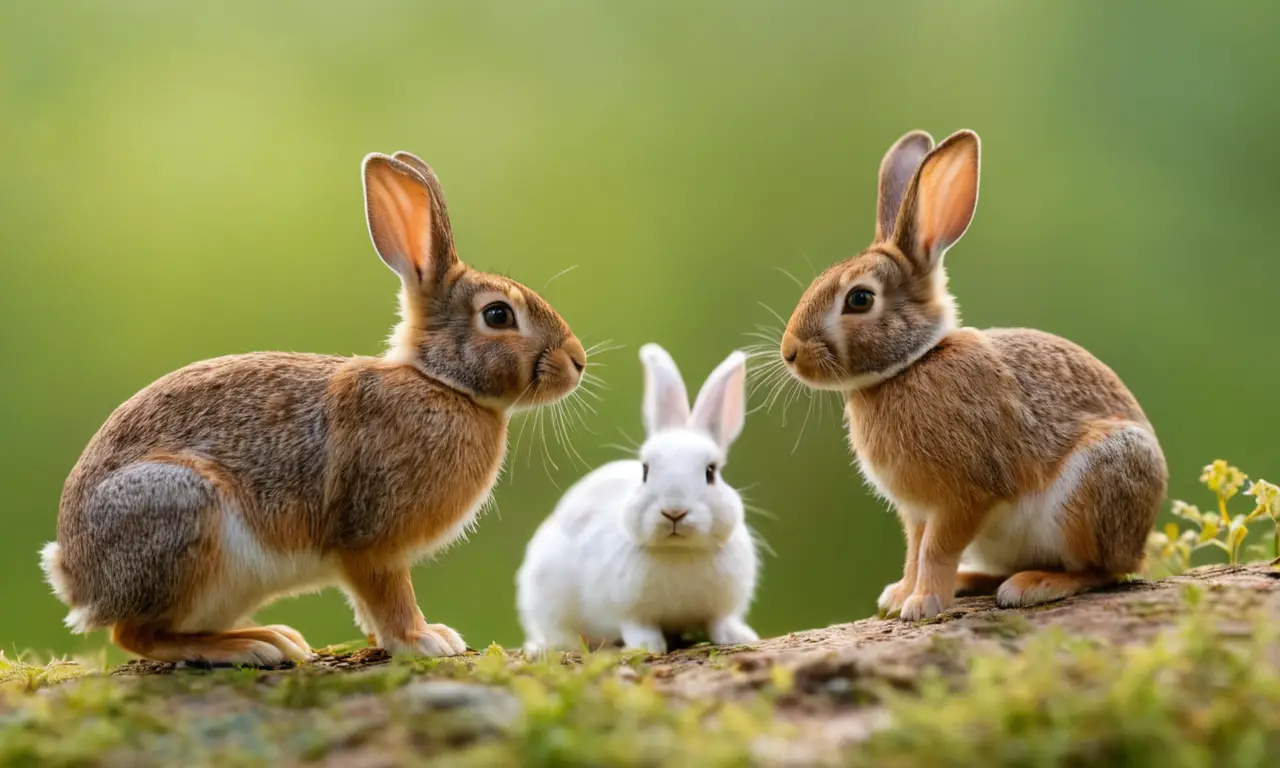
Rabbit Cataracts: Symptoms, Causes, and Treatment
Cataracts in rabbits are a concerning condition that can significantly impact their vision and overall quality of life. Understanding the symptoms, potential causes, and available treatment options is crucial for rabbit owners to ensure their beloved pets receive the best possible care. This comprehensive guide will delve into the intricacies of cataracts in rabbits, providing owners with the knowledge they need to identify, address, and manage this visual impairment.
𝙲𝚘𝚗𝚝𝚎𝚗𝚝
What Exactly Are Cataracts in Rabbits?
A cataract is an opacification or clouding of the lens within the eye. The lens is a transparent structure that focuses light onto the retina, allowing for clear vision. When a cataract develops, the normally clear lens becomes cloudy, scattering light and obstructing a clear image from reaching the retina. This leads to a gradual or sometimes rapid decline in vision. In rabbits, cataracts can affect one or both eyes and can vary in severity, from mild haziness to complete blindness. The progressive nature of cataracts means that even a small clouding can eventually worsen over time. It's important to distinguish cataracts from other eye conditions that can cause a cloudy appearance, such as corneal ulcers or conjunctivitis, which require different approaches to diagnosis and treatment.
Recognizing the Signs: Symptoms of Cataracts in Rabbits
Early detection of cataracts in rabbits is vital for prompt intervention and better outcomes. While rabbits are prey animals and often try to hide signs of illness or discomfort, owners should be vigilant for specific visual cues. The most apparent symptom is a change in the appearance of the rabbit's eye.
Here are the key symptoms to watch out for:
- Cloudy or Opaque Lens: The most definitive sign is a white, gray, or bluish haze within the pupil of the eye. This clouding may be subtle at first and become more pronounced as the cataract progresses. It can appear as a film or a solid opacity.
- Changes in Vision: As the cataract worsens, your rabbit may exhibit signs of impaired vision. This can include:
- Hesitation: They might be reluctant to jump from heights or navigate familiar obstacles.
- Bumping into Objects: A rabbit with reduced vision may misjudge distances and bump into walls, furniture, or even their food bowls.
- Difficulty with Feeding: They might struggle to locate their food or water.
- Startling Easily: Rabbits with compromised vision may be more easily startled by sudden movements or approaching individuals.
- Reduced Activity: A generally active rabbit might become more sedentary due to their decreased ability to perceive their surroundings.
- Altered Eye Movements: In some cases, you might notice unusual eye movements or a lack of responsiveness to visual stimuli.
- Increased Watery Discharge (Epiphora): While not a direct symptom of the cataract itself, the presence of a cataract can sometimes lead to secondary issues like inflammation or irritation, resulting in a watery discharge from the affected eye. However, it's crucial to remember that watery eyes can also be indicative of other problems like dental disease or infections.
- Pupil Appearance: The pupil, which is normally black, might appear less distinct or have a milky hue when viewed against the clouding lens.
If you observe any of these symptoms, it is imperative to seek immediate veterinary attention from a veterinarian experienced with rabbits.
Dog Aggression: Unveiling Causes and Effective TreatmentsUnraveling the Causes: Why Do Cataracts Develop in Rabbits?
The development of Cataracts in rabbits - Symptoms, causes and treatment can be attributed to a variety of factors, some of which are genetic and others acquired. Understanding these underlying causes can help owners make informed decisions about their rabbit's health and well-being.
- Genetics: Heredity plays a significant role in the predisposition to cataracts in many rabbit breeds. Certain genetic lines are more prone to developing this condition. If a rabbit's parents or close relatives have a history of cataracts, the offspring may have an increased risk. This is particularly true for inherited juvenile cataracts, which can appear at a young age.
- Diabetes Mellitus: This is one of the most common acquired causes of cataracts in rabbits. High blood sugar levels in diabetic rabbits can lead to changes in the lens metabolism, causing the lens to swell and become opaque. Diabetic cataracts can develop relatively quickly and often affect both eyes. Consistent monitoring of blood glucose levels and proper management of diabetes are crucial to prevent or slow the progression of cataracts in diabetic rabbits.
- Nutritional Deficiencies or Imbalances: While less common as a primary cause in well-balanced domestic rabbit diets, severe deficiencies in certain nutrients like amino acids or antioxidants could theoretically contribute to lens opacity. However, commercial rabbit pellets and a varied diet of hay and fresh greens typically provide adequate nutrition.
- Ocular Trauma or Injury: Direct physical injury to the eye, such as a scratch from another rabbit, a foreign object, or an impact, can damage the lens and lead to cataract formation. The severity of the trauma directly correlates with the likelihood of cataract development.
- Inflammation (Uveitis): Inflammation within the eye (uveitis) can also contribute to cataract development. Uveitis can be caused by infections, autoimmune diseases, or other underlying health issues. The inflammatory process can damage the lens fibers, leading to opacification.
- Age: Similar to humans, the aging process can contribute to a gradual clouding of the lens, known as lenticular sclerosis. This is a normal aging change and often does not significantly impair vision. However, it can sometimes be mistaken for a true cataract, making a veterinary diagnosis essential.
- Toxins: Exposure to certain toxins or medications could, in rare instances, contribute to cataract formation, although this is not a commonly cited cause in rabbits.
A thorough veterinary examination is necessary to determine the specific cause of cataracts in your rabbit, as this will influence the treatment plan.
The Diagnostic Process: How Vets Identify Cataracts
Diagnosing cataracts in rabbits requires a professional veterinary assessment. While owners can observe the visual signs, a veterinarian will perform a series of diagnostic tests to confirm the diagnosis, assess the severity, and rule out other potential eye conditions.
The diagnostic process typically involves:
- Ophthalmic Examination: The veterinarian will begin with a visual inspection of the rabbit's eyes, looking for the characteristic cloudiness of the lens. They will also assess for any signs of discharge, redness, or swelling that might indicate other problems.
- Ophthalmoscopy: Using an ophthalmoscope, the veterinarian can examine the internal structures of the eye, including the lens, retina, and optic nerve. This allows for a detailed assessment of the cataract's size, location, and density.
- Penlight Test: Shining a bright light into the eye can help to assess the pupil's reaction to light and to better visualize any opacities within the lens.
- Tonometry: This test measures the intraocular pressure (IOP) of the eye. Elevated IOP can indicate glaucoma, which can sometimes coexist with or be mistaken for cataracts.
- Fundic Examination: The veterinarian will examine the back of the eye (fundus) to assess the health of the retina and optic nerve. This is important because cataracts can sometimes be a symptom of other underlying conditions affecting these structures.
- Blood Glucose Testing: If diabetes is suspected as the cause, the veterinarian will perform blood glucose tests to confirm or rule out this diagnosis.
- Slit-Lamp Biomicroscopy: In some cases, a specialized microscope called a slit lamp may be used to provide a magnified, detailed view of the eye's structures, allowing for a more precise assessment of the cataract.
Based on these findings, the veterinarian can accurately diagnose the presence and cause of cataracts in your rabbit.
Dog Cavities: Causes, Symptoms, and Treatment OptionsTreatment Strategies: Managing Cataracts in Rabbits
The treatment approach for cataracts in rabbits depends heavily on the underlying cause, the severity of the cataract, the rabbit's overall health, and the owner's ability and willingness to pursue surgical options.
Medical Management (Non-Surgical)
In many cases, especially when cataracts are mild, a slow-progressing, or caused by temporary conditions like fluctuating blood sugar, medical management may be the primary approach.
- Managing Underlying Conditions: If diabetes mellitus is the cause, strict blood glucose control through diet and medication (if prescribed by your vet) is paramount. Stabilizing blood sugar can sometimes halt or even slightly reverse early lens changes. Similarly, if inflammation (uveitis) is present, treating the underlying cause with anti-inflammatory medications is crucial.
- Nutritional Support: Ensuring a balanced diet rich in antioxidants can be beneficial, though it is unlikely to reverse existing cataracts. A diet high in fiber, including unlimited access to good quality hay, is always essential for rabbit health.
- Environmental Modifications: For rabbits with significant vision loss, modifying their environment can greatly improve their quality of life.
- Keep their enclosure consistent: Avoid rearranging furniture or items in their living space.
- Provide tactile cues: Use different textures of bedding or toys to help them orient themselves.
- Gentle handling: Approach them slowly and speak softly so they are aware of your presence.
- Safe spaces: Ensure they have secure hiding places where they feel safe and can rest without fear of bumping into things.
- Assisted feeding: If they struggle to find food, place it closer to them or create a scent trail.
- Topical Medications: In some instances, eye drops may be prescribed to manage secondary inflammation or prevent infection, though these generally do not treat the cataract itself.
Surgical Intervention
For more severe cataracts that significantly impair vision and impact a rabbit's quality of life, surgery may be a viable option. However, it's important to note that cataract surgery in rabbits is a specialized procedure and not as commonly performed as in dogs or cats.
- Phacoemulsification: This is the most common surgical technique for cataract removal. It involves breaking up the cloudy lens into small pieces using ultrasound waves and then aspirating them from the eye.
- Intraocular Lens (IOL) Implantation: In some cases, an artificial lens may be implanted to restore focus after the natural lens has been removed. However, this is often more complex in rabbits and may not always be performed.
- Considerations for Surgery:
- Veterinary Expertise: Cataract surgery requires a veterinary ophthalmologist with specific experience in rabbit surgery.
- Rabbit's Health: The rabbit must be in good overall health to withstand anesthesia and surgery. Pre-anesthetic blood work is essential.
- Cost: Cataract surgery is a significant financial investment.
- Risks: As with any surgery, there are inherent risks, including infection, inflammation, and anesthetic complications.
- Post-operative Care: Rigorous post-operative care, including administering multiple eye medications and limiting the rabbit's activity, is crucial for successful healing.
A thorough discussion with your veterinarian or a veterinary ophthalmologist is essential to determine if surgery is the right choice for your rabbit. They can assess the risks and benefits based on your individual pet's situation.
Prevention and Prognosis
While not all cataracts are preventable, particularly those with a strong genetic component, certain measures can help reduce the risk or slow their progression.
Cephalexin for Dogs: Dosage, Uses & Side Effects Guide- Balanced Diet: Ensuring your rabbit receives a balanced diet free from extreme nutritional deficiencies is fundamental for overall health, including eye health.
- Prompt Veterinary Care: Addressing any signs of illness or injury promptly can prevent complications that might lead to eye problems.
- Regular Health Checks: Routine veterinary check-ups can help detect underlying health issues like diabetes early, allowing for proactive management.
- Genetic Counseling: For breeders, understanding the genetic predispositions for cataracts within their lines can help in making informed breeding decisions.
The prognosis for rabbits with cataracts varies greatly. For those with mild cataracts or those whose underlying cause (like diabetes) is well-managed, the prognosis can be good, with minimal impact on their quality of life. Rabbits that undergo successful cataract surgery can regain significant vision. However, for rabbits with severe, untreated cataracts, vision loss can lead to a reduced quality of life. Despite vision impairment, many rabbits adapt remarkably well with supportive care and environmental adjustments. It is essential to work closely with your veterinarian throughout the process to achieve the best possible outcome for your rabbit.
In summary
Cataracts in rabbits are a serious but manageable condition. By understanding the symptoms, potential causes, and available treatment options, rabbit owners can be proactive in safeguarding their pet's vision and well-being. Early detection, coupled with appropriate veterinary care, whether through medical management or surgical intervention, can make a significant difference in the life of a rabbit affected by cataracts. Remember, a healthy and happy rabbit is one whose owner is well-informed and attentive to their needs.
Cat Urinary Crystals: Types, Symptoms & Treatment Guide

Cat Weight: How Do I Know If My Cat Is Fat?

Encephalitis in Dogs: Symptoms, Causes & Treatment

Dog Cavities: Causes, Symptoms, and Treatment Options

Natural Flea Relief: Home Remedies for Fleas in Cats

Newborn Puppy Feeding Guide: From Birth to Weaning
Related posts