

Catnip: Its Effects, Benefits, and Uses for Cats
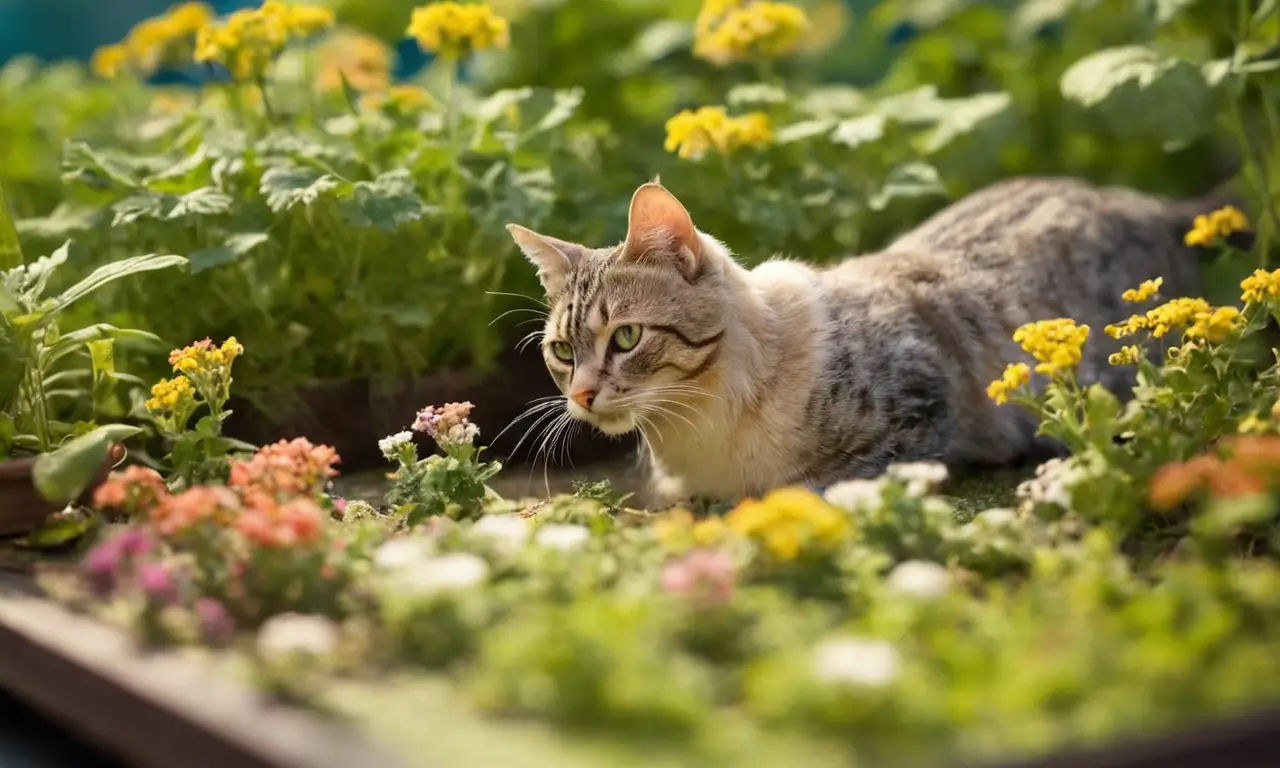
Catnip or catnip - What it is, benefits and what it is for
Catnip, scientifically known as Nepeta cataria, is a popular herb that has a fascinating and often comical effect on many domestic cats. This aromatic plant, belonging to the mint family, contains a chemical compound called nepetalactone, which is responsible for its unique impact on felines. While its exact purpose in the wild remains a subject of debate among scientists, for cat owners, it offers a readily accessible way to provide enrichment, reduce stress, and enhance the well-being of their beloved companions. Understanding what catnip is, its benefits, and how it is used can unlock a new dimension of interaction and enjoyment with your cat.
𝙲𝚘𝚗𝚝𝚎𝚗𝚝
What is Catnip?
Catnip, or Nepeta cataria, is a perennial herb native to Europe and Asia, but it has naturalized and is now grown worldwide. It's easily recognizable by its fuzzy, heart-shaped leaves with serrated edges and its distinctive minty scent. The plant itself is not toxic to cats; in fact, many animals, including dogs and humans, can consume small amounts without any adverse effects. However, it is the interaction with cats that makes catnip so famous. The magic lies in the volatile oils produced by the plant, particularly nepetalactone.
When cats sniff or ingest catnip, nepetalactone binds to specific olfactory receptors in their nasal passages. This triggers a response in their brain, primarily the amygdala, which is involved in emotional responses. The result is a temporary euphoric state, often characterized by playful behavior, rolling, rubbing, and vocalization. It's important to note that not all cats react to catnip. Kittens under six months old typically don't show a response, and about 20-30% of adult cats are genetically immune to its effects. This genetic immunity is thought to be an inherited trait from their wild ancestors, where such a strong sensory response might not have been advantageous.
The Chemical Compound: Nepetalactone
Nepetalactone is the active ingredient in catnip responsible for its psychoactive effects on cats. This organic compound is released when the plant is bruised, crushed, or chewed. When a cat inhales nepetalactone, it stimulates specialized scent receptors in their nasal cavity. These receptors then send signals to the brain, specifically to the hypothalamus and amygdala. The hypothalamus is responsible for regulating a variety of bodily functions, including mood and behavior, while the amygdala is the center for emotions.
The precise mechanism of action is still being researched, but it's believed that nepetalactone mimics feline pheromones, triggering a similar, albeit more intense and temporary, response. This mimicry is thought to be a key factor in why cats react so strongly. The duration of the effects typically lasts between 10 to 20 minutes, after which the cat becomes temporarily immune to catnip for about an hour or two. This desensitization period is a natural protective mechanism to prevent overstimulation.
Varieties and Forms of Catnip
Catnip is available in various forms, each offering a different way to introduce it to your feline friend. The most common forms include:
- Dried Catnip: This is the most readily available and popular form. Dried leaves and flowers are a concentrated source of nepetalactone and can be sprinkled on toys, scratching posts, or the floor.
- Fresh Catnip: Growing your own catnip plant offers the freshest and most potent experience. Cats can often be seen munching directly on the leaves of a live plant.
- Catnip Sprays: These are liquid extracts of catnip that can be sprayed onto toys or surfaces. They offer a convenient way to apply catnip without the mess of loose leaves.
- Catnip Toys: Many commercially available cat toys are filled with dried catnip or infused with its scent. These are great for encouraging play and interaction.
- Catnip Bubbles: A more recent innovation, catnip-scented bubbles can provide a fun and engaging activity for cats, encouraging them to chase and "catch" the bubbles.
The potency of catnip can vary depending on the quality, how it's grown, and how it's stored. High-quality, fresh catnip generally has the strongest effects.
Benefits of Catnip for Cats
Beyond the immediate entertainment factor, catnip offers several benefits for a cat's physical and mental well-being.
Stress Reduction and Anxiety Relief
One of the most significant benefits of catnip is its ability to reduce stress and anxiety in cats. Many cats experience stress due to changes in their environment, such as moving to a new home, the introduction of a new pet, or even loud noises. Catnip can act as a natural sedative and mood enhancer, helping to calm anxious cats and promote relaxation. When a cat is stressed, they may exhibit behaviors like hiding, excessive grooming, aggression, or a lack of appetite. Providing catnip can help to break this cycle of stress and encourage more relaxed and playful behavior.
Cat Tails: Decoding Their Silent Language & What They Tell UsThe euphoric and relaxing effects of catnip can be particularly helpful for cats in stressful situations. For instance, if you're introducing a new cat to your household, or if your cat is prone to separation anxiety, offering them a toy stuffed with catnip can provide a welcome distraction and create a more positive association with their surroundings.
Encouraging Play and Exercise
For many cats, especially indoor cats, catnip is a powerful motivator for play. It can revive even the most lethargic felines, encouraging them to become more active and engaged. Increased play means increased exercise, which is crucial for maintaining a healthy weight, preventing obesity-related health problems like diabetes and arthritis, and keeping their muscles and cardiovascular system in good shape. A catnip-induced play session can be a fun way to bond with your cat and ensure they get the physical activity they need.
This is particularly beneficial for cats who might otherwise be sedentary. The sudden burst of energy and playful exploration can help them burn off excess calories and keep their bodies agile. Toys infused with catnip are excellent for encouraging independent play as well, allowing your cat to entertain themselves and remain active even when you're not directly engaging with them.
Mental Stimulation and Enrichment
Cats are intelligent creatures that thrive on mental stimulation. Catnip provides a novel sensory experience that engages their minds and prevents boredom. Boredom in cats can lead to behavioral issues such as destructive scratching, over-grooming, or aggression. By offering catnip, you introduce an element of surprise and excitement into their lives, stimulating their natural predatory instincts and curiosity.
The interaction with catnip, whether it's sniffing, rolling in it, or batting at catnip-infused toys, provides a rich sensory experience. This stimulation can help to keep their minds sharp and prevent cognitive decline as they age. It's a simple yet effective way to enrich their environment and keep them happy and engaged.
Training Aid
Surprisingly, catnip can also be used as a tool in cat training. Its enticing aroma and the positive feelings it evokes can be used to encourage cats to use specific areas, such as scratching posts or designated beds. For example, if you're trying to redirect your cat from scratching furniture, you can sprinkle catnip on a new scratching post. The scent will attract them to the post, and the positive association with catnip will make them more likely to use it instead of your furniture.
Similarly, you can use catnip to encourage a cat to explore a new carrier or a specific room. By placing a small amount of catnip inside a carrier, you can make it a more inviting and less intimidating space. This can be particularly useful when preparing for vet visits or travel.
Improving Socialization
For multi-cat households, catnip can sometimes act as a social lubricant. When cats share a positive experience with catnip, it can sometimes foster a sense of camaraderie and reduce tension between them. While it's not a guaranteed solution for inter-cat aggression, a shared, enjoyable activity can contribute to a more harmonious environment.
The playful state induced by catnip can lead to more lighthearted interactions between cats, which can be a welcome change from more tense relationships. However, it's important to supervise interactions, especially when introducing catnip to multiple cats, to ensure that play remains friendly and doesn't escalate into conflict.
Humanized Dog Traits: Understanding Your Canine CompanionHow to Use Catnip Effectively
Using catnip is generally straightforward, but there are some best practices to ensure your cat gets the most out of it and that the experience remains positive.
Introduction and Dosage
When introducing catnip to your cat for the first time, start with a small amount. A pinch of dried catnip or a small spray is usually sufficient. Observe your cat's reaction. Some cats might dive right in, while others might be more cautious. Avoid overdoing it, as too much can lead to overstimulation and a potentially upset stomach if ingested in large quantities.
The frequency of use is also important. It's generally recommended to offer catnip a few times a week, rather than daily. This helps to maintain its novelty and prevent your cat from becoming desensitized to its effects. Allowing for breaks ensures that the catnip remains an exciting and rewarding treat.
Presentation and Interaction
How you present the catnip can influence your cat's engagement.
- On Toys: Sprinkling dried catnip on their favorite toys, or stuffing it into a toy mouse or ball, is a classic method. This encourages them to chase, bat, and pounce.
- On Scratching Posts: Applying catnip to scratching posts makes them more appealing, redirecting scratching behavior away from furniture.
- In Designated Areas: If you want to encourage your cat to use a specific bed or mat, sprinkle a little catnip there.
- Fresh Plant: If you have a live catnip plant, allow your cat to nibble on the leaves. This is often a very satisfying experience for them.
Engage with your cat during their catnip sessions. Play with them, roll the toys, and enjoy their antics. This shared activity strengthens your bond and provides additional enrichment.
Storage and Freshness
To maintain the potency of catnip, proper storage is crucial.
- Airtight Containers: Store dried catnip in an airtight container, such as a glass jar or a resealable bag, away from direct sunlight and heat.
- Refrigeration or Freezing: For long-term storage, you can refrigerate or freeze catnip to preserve its freshness and nepetalactone content.
- Check for Freshness: Catnip can lose its potency over time. If your cat no longer reacts to it, it might be time to replace it with a fresh supply. The scent should be strong and minty.
What to Do If Your Cat Doesn't React
As mentioned, not all cats respond to catnip. If your cat shows no interest or no reaction, don't force it. There are other herbs and toys that might appeal to them, such as silver vine, valerian root, or Tatarian honeysuckle. It's about finding what excites and enriches your individual cat.
Safety and Precautions
Catnip is generally very safe for cats. However, there are a few things to keep in mind:
- Ingestion: While a little bit of ingested catnip is usually fine, large amounts can cause mild digestive upset in some cats, leading to vomiting or diarrhea. If this occurs, simply stop giving them catnip for a while.
- Overstimulation: Some cats might become overly stimulated by catnip, leading to hyperactivity. In such cases, it's best to offer it in smaller doses or less frequently.
- Not for Kittens: Kittens under six months of age typically do not respond to catnip and their digestive systems are more sensitive. It's best to wait until they are older.
- Individual Sensitivity: Pay attention to your cat's individual reaction. If your cat seems distressed or anxious after consuming catnip, it might not be the right herb for them.
Alternatives to Catnip
For cats that don't respond to catnip, or for owners who want to offer variety, several other stimulating herbs and plants are available:
Chinese Crested: The Unique Dog With & Without Hair- Silver Vine (Actinidia polygama): This is a popular alternative that many cats find even more enticing than catnip. It's derived from a Japanese vine and contains compounds that trigger a similar, often more intense, euphoric response.
- Valerian Root: The root of the valerian plant has a strong, earthy scent that can be attractive to cats. It can induce a state of relaxation and playfulness.
- Tatarian Honeysuckle: The wood of this plant, when dried, is another scent that can captivate many cats, leading to playful and euphoric behaviors.
- Organic Cat Grass: While not psychoactive, cat grass provides a natural way for cats to chew on something, which can aid digestion and provide fiber.
Offering a variety of these natural stimuli can ensure that your cat continues to experience enrichment and enjoyment.
In summary
Catnip is more than just a fun novelty; it's a valuable tool for enhancing a cat's quality of life. From reducing stress and encouraging exercise to providing mental stimulation and aiding in training, the benefits of Catnip or catnip - What it is, benefits and what it is for are numerous. By understanding its properties and using it wisely, cat owners can unlock a world of playful interactions and contribute significantly to their feline companion's happiness and well-being. Whether your cat is a catnip enthusiast or prefers other forms of enrichment, exploring these natural options is a rewarding way to connect with your pet and ensure they live a stimulated, joyful, and healthy life.
Dog Color Vision: How Do Dogs Recognize & Distinguish Colors?

Fila Brasileiro: The Majestic Mastiff of Brazil Explored

Basenji: The Enigmatic Barkless Dog – Congo Terrier Facts

Dog Language & Calm Signals: The Complete Guide

The Enduring Bond: Dogs & Humans, 14,000 Years

Dalmatian Dog: History, Traits & Fun Facts
Related posts