

Cat Tails: Decoding Their Silent Language & What They Tell Us
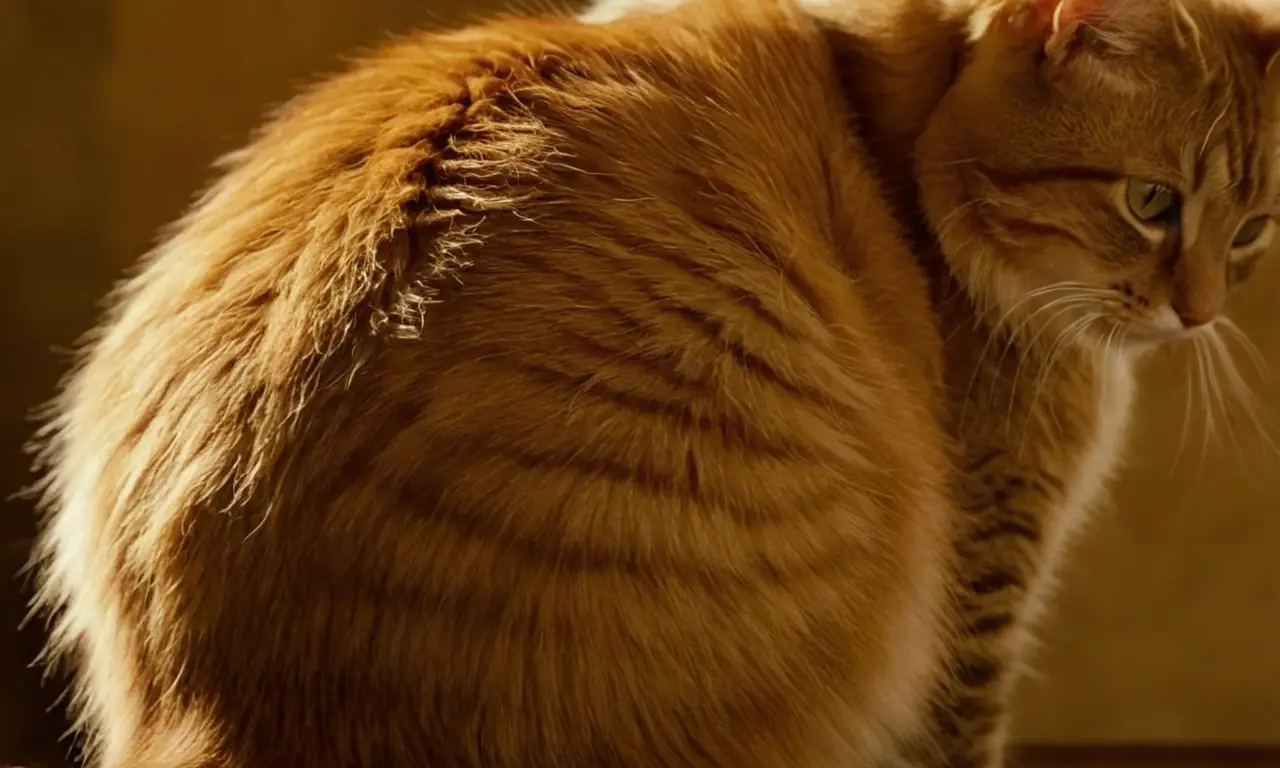
Decoding the Whispers: How Cats' Tails Tell Us Much More Than We Think
The feline tail, often overlooked or simply seen as a decorative appendage, is in reality a sophisticated communication tool, a silent narrator of our cats' emotions, intentions, and even their physical state. For centuries, humans have observed the intricate dance of a cat's tail, but often without fully grasping the nuanced language it conveys. Understanding these subtle movements and postures is key to deepening our bond with our feline companions, leading to better care, more effective training, and a more harmonious coexistence. This article will delve deep into the fascinating world of cat tail communication, exploring the myriad ways cats' tails tell us much more than we think, from expressing joy and contentment to signaling fear, aggression, and even illness. We will examine the anatomy and mechanics of the tail, dissect the common tail postures and their meanings, and discuss how environmental factors and individual personalities can influence this form of communication. By the end of this exploration, you will possess a more comprehensive understanding of your cat's tail language, enabling you to respond more empathetically and effectively to their needs and desires.
𝙲𝚘𝚗𝚝𝚎𝚗𝚝
The Anatomy of Expression: Understanding the Tail's Structure
Before we can decipher the messages, it's important to understand the physical instrument itself. A cat's tail is an extension of the spine, comprised of a series of vertebrae, typically numbering between 18 and 23, depending on the breed. These vertebrae are connected by flexible joints, allowing for a remarkable range of motion and dexterity. The tail is also heavily muscled, enabling it to be moved with precision and strength. Furthermore, it's rich in nerves, which provide crucial sensory feedback and play a role in balance and proprioception – the awareness of one's body in space. This complex structure is not just for show; it’s a vital component of a cat's ability to navigate their environment, express themselves, and maintain their equilibrium. The way a cat holds and moves its tail is a direct reflection of its internal state, making it an invaluable window into their world.
The Alphabet of Flickers and Swishes: Common Tail Postures and Their Meanings
The "alphabet" of tail communication is diverse and often context-dependent. What might signal mild annoyance in one situation could indicate genuine distress in another. However, there are several commonly understood postures that form the foundation of understanding your cat's mood.
-
The Upright Tail: A tail held high, often with a slight curve or hook at the tip, is generally a sign of a happy, confident, and friendly cat. This posture is often seen when a cat greets its owner or other familiar individuals, indicating a positive and approachable disposition. It's a clear signal of "I'm happy to see you!"
-
The Curled Around Legs: When a cat curls its tail around your legs or the legs of another cat or person, it's a gesture of affection and bonding. This is a sign of trust and a desire for connection, essentially saying, "You are part of my social circle."
-
The Gentle Swish: A slow, gentle swish of the tail from side to side can indicate curiosity or a relaxed state of contemplation. The cat is observing its surroundings and processing information without being overly agitated.
-
The Twitching Tail: A rapid twitching of the tail tip, especially when the rest of the tail is relatively still, often signifies excitement or anticipation. This can be seen when a cat is watching a bird through a window or anticipating a meal. However, if the twitching becomes more pronounced and the tail starts to move more erratically, it can signal growing irritation or frustration.
-
The Lashing Tail: A fast, forceful lashing of the tail from side to side is a clear indication of annoyance, agitation, or anger. This is a warning sign that the cat is becoming increasingly upset and may lash out if the perceived threat or annoyance continues. It's the feline equivalent of a human stomping their foot.
-
The Puffed-Up Tail: When a cat's tail appears significantly larger and bushier than usual, with the fur standing on end, it's a classic fear or defensive posture. This is an attempt to make the cat appear larger and more intimidating to a perceived threat. It's often accompanied by other signs of fear, such as flattened ears and dilated pupils.
Humanized Dog Traits: Understanding Your Canine Companion -
The Tucked Tail: A tail tucked tightly between the legs is a strong indicator of fear, submission, or anxiety. The cat feels threatened and is trying to make itself as small and inconspicuous as possible. This posture signals vulnerability and a desire to escape the situation.
-
The "Question Mark" Tail: A tail held upright with a bend at the tip, resembling a question mark, can indicate a friendly greeting, particularly from a kitten to its mother or an adult cat to a familiar human. It's an invitation for interaction and often a sign of playfulness.
Beyond the Basics: Nuances and Context
It's crucial to remember that tail language isn't a static dictionary. The context of the situation, the cat's body language as a whole, and even their individual personality play significant roles in interpreting their tail signals.
-
Breed Differences: While the core language remains consistent, certain breeds may have slight variations. For instance, Manx cats, with their naturally short or absent tails, rely more heavily on other body language cues.
-
Individual Personalities: Just like humans, cats have unique personalities. Some may be more expressive with their tails than others. A shy cat might hold its tail lower more often, while a confident cat might keep it higher.
-
The "Happy Tail" Bruise: A common phenomenon in excited cats, particularly during greetings, is a "happy tail" bruise. This occurs when a cat thumps its tail enthusiastically against a hard surface in its excitement. While it's a sign of joy, it can sometimes lead to minor injury if the thumping is very forceful and repeated.
-
Tail Between Legs and Lowered Body: When a cat tucks its tail between its legs and lowers its body, it's a potent signal of extreme fear and submission, often seen in encounters with dominant animals or in unfamiliar, frightening environments.
When Tails Signal Health Issues
While tail movements are primarily emotional indicators, significant changes in tail posture or behavior can also signal underlying health problems.
-
Sudden Immobility or Dragging: If your cat suddenly becomes unable or unwilling to move its tail, or if it appears to be dragging its tail, this could indicate an injury to the spine, tail, or pelvis, or a neurological issue. This warrants an immediate visit to the veterinarian.
Chinese Crested: The Unique Dog With & Without Hair -
Excessive Licking or Chewing: If your cat is constantly licking or chewing at its tail, it could be a sign of pain, irritation, or a behavioral issue stemming from stress or anxiety. Again, a veterinary consultation is advised.
-
Loss of Control: In rare cases, a cat may lose control over its tail due to conditions like fecal incontinence, which can affect the nerves controlling the tail.
Enhancing Your Understanding and Interaction
By paying close attention to your cat's tail, you can significantly improve your ability to understand and interact with them.
-
Observe Consistently: Make it a habit to observe your cat's tail throughout the day in various situations. Note the differences in their tail postures during greetings, play, rest, and when encountering new stimuli.
-
Consider the Whole Picture: Never interpret tail language in isolation. Always consider your cat's ear position, eye dilation, body tension, and vocalizations to get a complete understanding of their emotional state.
-
Respond Appropriately: Once you begin to decipher their tail language, you can respond more effectively. If your cat's tail is lashing, for example, it's best to give them space and avoid further agitation. If their tail is held high in greeting, you can approach them confidently and offer gentle affection.
-
Avoid Punishment: Never punish a cat for expressing themselves, even if their tail signals annoyance or aggression. Understanding the root cause of their distress is key to addressing the issue.
-
Consult Professionals: If you notice persistent or concerning changes in your cat's tail behavior or if you suspect a health issue, always consult your veterinarian or a certified animal behaviorist.
In conclusion, the seemingly simple feline tail is a complex and dynamic tool for communication. By dedicating time to understanding the nuances of how cats' tails tell us much more than we think, we can foster deeper relationships with our feline friends, provide them with better care, and truly appreciate the rich inner lives they possess. It’s a silent language, but one that, with a little attention, becomes remarkably clear and profoundly rewarding to decipher.
Charming Chinese Names for Dogs: A Comprehensive Guide
Fila Brasileiro: The Majestic Mastiff of Brazil Explored

Basenji: The Enigmatic Barkless Dog – Congo Terrier Facts

Dog Language & Calm Signals: The Complete Guide

The Enduring Bond: Dogs & Humans, 14,000 Years

Dalmatian Dog: History, Traits & Fun Facts
Can You Have a Monkey as a Pet? The Truth About Primate Companions
Related posts