

Dog Aggression: Unveiling Causes and Effective Treatments
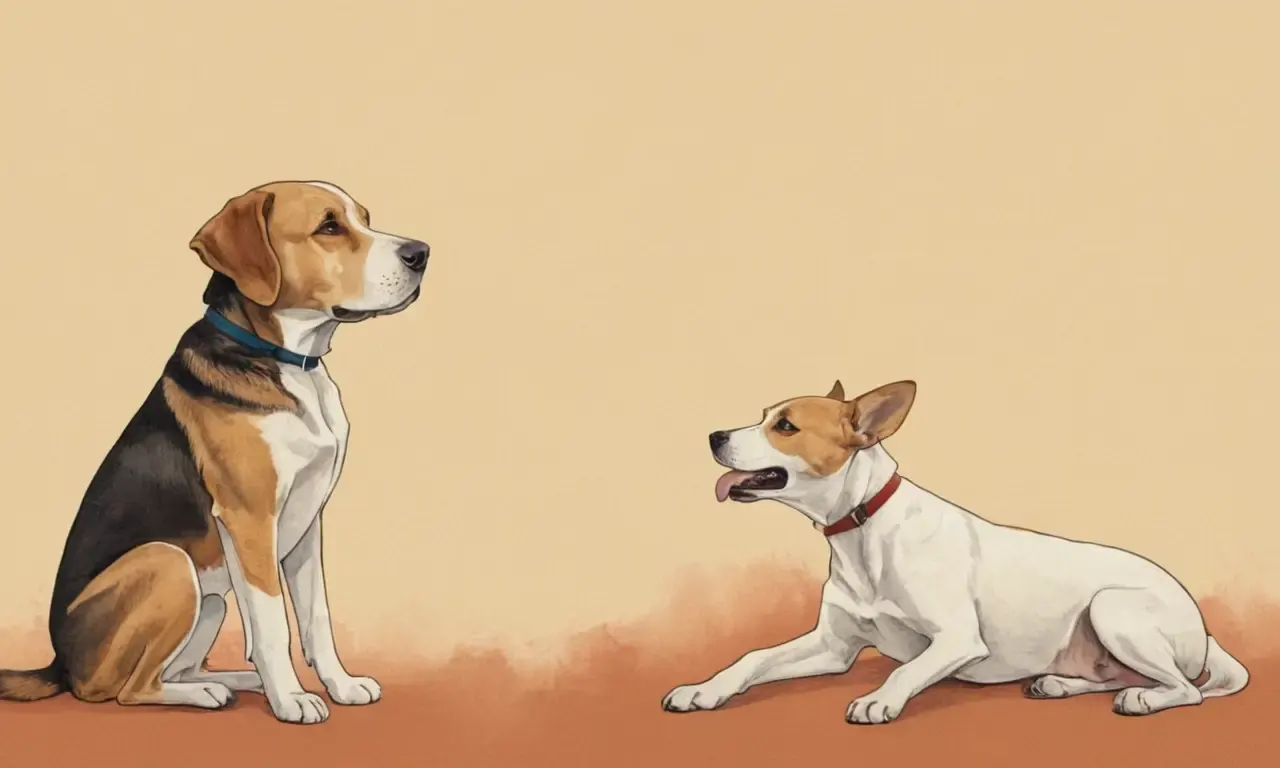
Dog Aggression: Unveiling Causes and Effective Treatments
Dog aggression is a complex behavioral issue that can manifest in various forms, causing distress for both pets and their owners. Understanding the underlying causes and treatment of dog aggression is paramount to fostering a harmonious relationship with our canine companions and ensuring their well-being. This comprehensive guide delves into the multifaceted reasons behind aggressive behavior in dogs and explores a range of effective strategies for its management and resolution.
𝙲𝚘𝚗𝚝𝚎𝚗𝚝
Understanding Dog Aggression: A Multifaceted Problem
Aggression in dogs is not a single entity but rather a spectrum of behaviors that serve different purposes. It's crucial to differentiate between true aggression and other behaviors that might be misinterpreted as such, such as play-bowing, excitement, or fear-based avoidance. True aggression typically involves a display of intent to harm or intimidate another living being. Recognizing the triggers and the specific manifestation of aggression is the first step towards effective intervention.
Common Types of Dog Aggression
To effectively address causes and treatment of dog aggression, it's important to identify the different types:
- Fear-Aggression: This is perhaps the most common form. Dogs exhibit aggression when they feel threatened, cornered, or frightened. This can be triggered by loud noises, unfamiliar people or animals, or sudden movements. The dog's intention is to create distance and escape the perceived threat.
- Territorial-Aggression: Dogs are naturally protective of their perceived territory, which can include their home, yard, or even their owner. They may become aggressive towards strangers entering their space, be it humans or other animals. This aggression is often vocal, involving barking, growling, and posturing.
- Possessive-Aggression: This type of aggression is directed towards individuals or other animals who attempt to take away something the dog perceives as valuable. This can include food, toys, treats, or even a resting spot. The dog aims to guard its prized possession.
- Pain-Aggression: When a dog is in pain, even a gentle touch can elicit an aggressive response. This is a protective mechanism to prevent further discomfort or injury. It's vital to consider underlying medical conditions when aggression suddenly appears.
- Frustration-Aggression: This can occur when a dog is prevented from reaching a desired goal. For example, a dog on a leash that sees another dog it wants to interact with but cannot reach might become frustrated and aggressive.
- Predatory-Aggression: While less common in domestic settings, some dogs retain a strong prey drive. This aggression is directed towards small, fast-moving creatures like cats, squirrels, or even small children. It's characterized by a stalking, chasing, and biting behavior.
- Social-Aggression: This type of aggression can occur between dogs in a social hierarchy or when competing for resources like attention or mates. It can also be seen in inter-dog households if not managed properly.
- Maternal-Aggression: Female dogs can exhibit aggression when protecting their puppies. They may become defensive and wary of any perceived threat to their litter.
Unraveling the Causes: Why Do Dogs Become Aggressive?
The causes and treatment of dog aggression are intrinsically linked. Understanding the root causes is essential for developing a tailored treatment plan. These causes can be broadly categorized as genetic, environmental, and medical.
Genetic Predisposition
Some dog breeds are genetically predisposed to certain types of aggression due to their historical breeding purposes. For instance, breeds historically used for guarding or fighting may have a stronger instinct for territorial or possessive aggression. However, it's crucial to remember that responsible breeding practices and early socialization can significantly mitigate these predispositions. A dog's breed is not a definitive predictor of aggression, but rather a factor to consider in conjunction with other influences.
Cat Cavities: Symptoms, Treatment & Prevention GuideEnvironmental Factors and Socialization
A dog's upbringing and experiences play a pivotal role in shaping its behavior.
- Lack of Socialization: Insufficient exposure to a variety of people, animals, sounds, and environments during the critical socialization period (typically 3-16 weeks of age) can lead to fear-based aggression later in life. Dogs that haven't learned how to interact appropriately with the world may react defensively to novelty.
- Negative Experiences: Traumatic events, such as abuse, neglect, or being attacked by another animal, can leave lasting psychological scars and trigger fear or anxiety-related aggression.
- Inconsistent Training and Leadership: A lack of clear boundaries, inconsistent rules, and a lack of confident leadership from the owner can create confusion and insecurity in a dog, potentially leading to assertive or aggressive behaviors.
- Owner Behavior: Sometimes, owners inadvertently encourage or reward aggressive behavior. This can happen through over-coddling a fearful dog, inadvertently praising aggressive displays, or by being anxious or reactive themselves, which their dog picks up on.
- Resource Guarding Reinforcement: If a dog successfully guards its food, toys, or space through aggressive displays, it learns that this behavior is effective, reinforcing the cycle of possessive-aggression.
Medical Conditions
It's imperative to rule out underlying medical issues as a cause of aggression. Pain, discomfort, hormonal imbalances, neurological disorders, or even certain medications can trigger behavioral changes, including aggression.
- Pain and Discomfort: As mentioned earlier, pain is a significant trigger for aggression. Arthritis, injuries, dental problems, or internal ailments can all cause a dog to react aggressively when touched or approached.
- Hormonal Imbalances: Conditions like hypothyroidism or Cushing's disease can affect a dog's temperament and lead to increased irritability and aggression.
- Neurological Disorders: Tumors, seizures, or other neurological issues can sometimes manifest as sudden behavioral changes, including aggression.
- Sensory Decline: As dogs age, vision and hearing loss can make them more startled and reactive, leading to fear-based aggression.
Effective Treatments and Management Strategies
Addressing causes and treatment of dog aggression requires a multi-pronged approach, often involving professional help. The goal is not to eliminate the dog's ability to defend itself, but to manage its behavior, reduce the triggers, and teach it more appropriate responses.
1. Veterinary Consultation is Paramount
The very first step in addressing any aggressive behavior is a thorough veterinary examination. This is crucial to rule out any underlying medical conditions that might be contributing to the aggression. Your veterinarian can perform diagnostic tests and recommend further specialist consultations if needed.
2. Professional Behavioral Consultation
Once medical issues are ruled out, consulting a certified professional dog trainer or a veterinary behaviorist is highly recommended. These professionals have the expertise to:
Dog Cavities: Causes, Symptoms, and Treatment Options- Accurately diagnose the type and cause of aggression.
- Develop a tailored behavior modification plan.
- Guide you through the training process safely and effectively.
- Provide ongoing support and adjust the plan as needed.
3. Behavior Modification Techniques
Several behavior modification techniques are employed to treat dog aggression. These are often used in combination and require consistency and patience.
-
Desensitization and Counter-Conditioning: This is a cornerstone of treating fear-based and territorial aggression.
- Desensitization: Gradually exposing the dog to the trigger (e.g., a person at a distance, another dog) at a low intensity where it doesn't elicit an aggressive response. The intensity is slowly increased over time as the dog becomes comfortable.
- Counter-Conditioning: Changing the dog's emotional response to the trigger. This involves pairing the presence of the trigger with something positive, such as high-value treats or praise. The goal is for the dog to associate the trigger with good things, rather than fear or anxiety.
-
Positive Reinforcement Training: Focusing on rewarding desired behaviors. This includes basic obedience commands, impulse control exercises, and teaching alternative behaviors to aggression (e.g., "go to your mat" when a visitor arrives).
- Reward-based training builds confidence and strengthens the bond between owner and dog, making the dog more receptive to learning and less likely to resort to aggression out of fear or frustration.
-
Management Strategies: While working on behavior modification, implementing management strategies is crucial to prevent incidents and keep everyone safe.
- Avoidance: Initially, avoid situations that trigger the aggression. This might mean walking your dog at quieter times, preventing interactions with certain people or animals, or managing their environment at home.
- Leash and Muzzle Training: For dogs that show aggression towards other dogs or people, proper leash training and gradual, positive introduction to a basket muzzle can provide a safety net and allow for controlled exposure during training. A muzzle is a management tool, not a punishment.
- Environmental Enrichment: Boredom and frustration can contribute to aggression. Providing sufficient physical and mental stimulation through exercise, puzzle toys, training sessions, and interactive play can help redirect a dog's energy.
4. Addressing Specific Types of Aggression
- For Fear-Aggression: Focus on building the dog's confidence, creating a safe space, and using desensitization and counter-conditioning with gradually increasing exposures to triggers. Never force a fearful dog into a situation it finds overwhelming.
- For Territorial-Aggression: Management is key. Secure fences, limiting access to windows or doors where they can see triggers, and desensitization to people approaching the property are important. Training a strong "go to your place" command can also be very effective.
- For Possessive-Aggression: Teach the dog that you are not a threat to its resources. Practice "trade-ups" where you offer a higher-value item in exchange for the guarded item. This teaches the dog that relinquishing an item can lead to something even better.
- For Pain-Aggression: Medical treatment is the priority. Once pain is managed, behavior modification can be implemented to address any lingering fear or reactivity.
- For Frustration-Aggression: Identify the source of frustration and work to resolve it. This might involve training more effective communication, increasing opportunities for the dog to achieve goals, or managing expectations.
5. The Role of the Owner
The owner's role in managing dog aggression is critical.
CBD for Dogs and Cats: Dosage & Benefits Guide- Patience and Consistency: Behavior modification takes time and unwavering consistency. There will be setbacks, but it's important to remain calm and persistent.
- Calm and Confident Leadership: Dogs respond best to confident, calm leaders. Your anxiety can be contagious, so try to remain composed during training and management.
- Understanding Dog Body Language: Learning to read your dog's subtle cues – ear position, tail carriage, lip licks, whale eyes – can help you anticipate and de-escalate potentially aggressive situations before they arise.
- Avoiding Punishment: Punitive methods, such as alpha rolls, shock collars, or physical corrections, are generally counterproductive and can worsen fear-based aggression, leading to increased anxiety and potential biting. They damage the trust between dog and owner.
In summary: A Journey Towards Harmony
Dealing with causes and treatment of dog aggression is a challenging but rewarding journey. It requires a deep understanding of canine behavior, a commitment to consistent training, and a strong partnership with qualified professionals. By identifying the root causes, implementing appropriate behavior modification techniques, and prioritizing management, owners can significantly improve their dog's quality of life and foster a safer, more harmonious environment for everyone. Remember, every dog deserves the chance to feel secure and loved, and with the right approach, even aggressive tendencies can be successfully managed and overcome.
Cat Urinary Crystals: Types, Symptoms & Treatment Guide

Cat Weight: How Do I Know If My Cat Is Fat?

Encephalitis in Dogs: Symptoms, Causes & Treatment
Dog Cavities: Causes, Symptoms, and Treatment Options

Natural Flea Relief: Home Remedies for Fleas in Cats

Newborn Puppy Feeding Guide: From Birth to Weaning
Related posts