

Dog Cavities: Causes, Symptoms, and Treatment Options
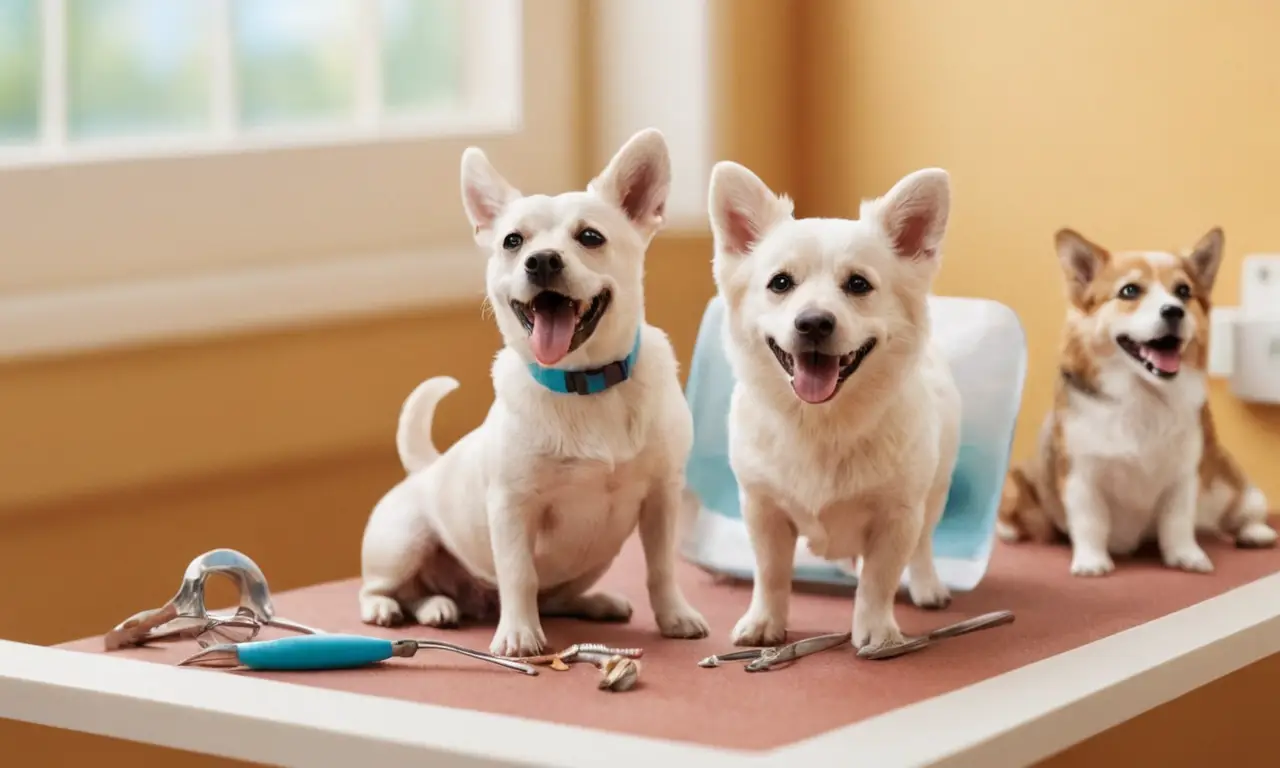
Dog Cavities: Causes, Symptoms, and Treatment Options
Understanding and addressing dental issues in our canine companions is crucial for their overall well-being. While often associated with humans, Cavities in dogs - Causes, symptoms and treatment are a reality that pet owners should be aware of. These painful dental conditions can lead to further complications if left untreated, impacting a dog's ability to eat, their general health, and even their lifespan. This comprehensive guide aims to shed light on the formation of cavities in dogs, the tell-tale signs to watch for, and the various treatment approaches available to ensure your furry friend maintains a healthy smile.
𝙲𝚘𝚗𝚝𝚎𝚗𝚝
What Exactly Are Cavities in Dogs?
Cavities, also known medically as dental caries, are essentially holes or lesions that form in the hard outer layer of a tooth, the enamel. This process begins when bacteria in the dog's mouth, which are always present, feed on sugars and starches left behind by food particles. As they metabolize these substances, they produce acids. These acids then gradually erode the tooth enamel, creating small pits. Over time, if left unchecked, these pits can deepen, exposing the underlying dentin and eventually reaching the pulp, which contains nerves and blood vessels. This exposure leads to pain, infection, and further tooth decay.
It's a common misconception that dogs are immune to cavities. While their saliva composition and a diet lower in refined sugars might offer some natural protection compared to humans, they are by no means immune. Factors like diet, genetics, and oral hygiene play significant roles in their susceptibility.
The Culprits Behind Canine Cavities: Causes
Several factors contribute to the development of Cavities in dogs - Causes, symptoms and treatment. Understanding these causes is the first step in prevention and early detection.
1. Diet and Nutritional Factors
This is arguably the most significant contributor to dental decay in dogs.
Cephalexin for Dogs: Dosage, Uses & Side Effects Guide- Sugary and Starchy Foods: Just like in humans, sugars and starches are the primary food source for the bacteria that cause cavities. Feeding your dog table scraps containing human foods high in sugar (like candy, baked goods, or even some fruits in excess) or starchy processed dog foods can significantly increase their risk.
- Sticky Foods: Foods that adhere to teeth for extended periods provide a prolonged opportunity for bacteria to ferment and produce acids.
- Lack of Appropriate Dental Chews/Toys: Chewing is a natural behavior for dogs and can help mechanically remove plaque and stimulate saliva production. If a dog doesn't have access to safe and appropriate chew items, plaque can build up more easily.
- High-Moisture Diets: While not directly causing cavities, diets that don't promote saliva flow or tooth cleaning can exacerbate the problem by not helping to wash away food particles and bacteria.
2. Oral Hygiene and Plaque Buildup
The accumulation of plaque is the direct precursor to cavities.
- Insufficient Brushing: Just like humans, dogs benefit immensely from regular teeth brushing. A lack of consistent brushing allows plaque to form and harden into tartar, creating a rough surface where bacteria can thrive.
- Genetics and Breed Predisposition: Some breeds, particularly smaller breeds with more crowded teeth (like Yorkshire Terriers, Poodles, and Chihuahuas), are genetically predisposed to dental issues, including cavities. Their jaw structure can make it harder for food to be naturally cleared from the teeth, leading to increased plaque accumulation.
- Age: Older dogs may have compromised immune systems or pre-existing dental conditions that make them more vulnerable to cavities.
- Saliva pH: The pH of a dog's saliva can influence its ability to neutralize acids. While this is largely genetic, certain health conditions or medications can affect saliva composition.
3. Other Contributing Factors
- Underlying Health Conditions: Diseases that affect the immune system or cause dry mouth (xerostomia) can increase a dog's risk of dental problems, including cavities.
- Trauma to Teeth: While less common for cavities, significant trauma that chips or fractures teeth can create areas where bacteria can more easily lodge and cause decay.
Recognizing the Signs: Symptoms of Cavities in Dogs
Dogs are masters at hiding pain, so recognizing the subtle signs of dental discomfort is vital. Early detection significantly improves the chances of successful treatment and reduces suffering.
1. Changes in Eating Habits
This is often the most noticeable indicator.
- Difficulty Eating: Your dog might be reluctant to eat, chew on one side of their mouth, drop food from their mouth, or avoid hard kibble or chews.
- Picky Eating: They may suddenly become fussy eaters, refusing certain types of food they once enjoyed.
- Drooling: Excessive drooling, especially when not related to excitement or thirst, can be a sign of oral pain or discomfort.
2. Visible Changes in the Mouth
A careful visual inspection can reveal tell-tale signs.
- Bad Breath (Halitosis): Persistent, foul-smelling breath is a strong indicator of dental disease, including cavities and gingivitis. Bacteria in the mouth produce sulfur compounds that cause this odor.
- Discolored Teeth: Teeth affected by cavities may appear discolored. Early stages might show a chalky white or yellowish spot, progressing to brown or black as the decay deepens.
- Visible Pits or Holes: In more advanced stages, you might be able to see actual holes or cavities in the enamel of the teeth.
- Swollen Gums (Gingivitis): Red, inflamed, or bleeding gums around a tooth can indicate underlying dental issues, including infection spreading from a cavity.
- Pus or Discharge: In severe cases, you might notice pus or discharge around the affected tooth, signaling a significant infection.
3. Behavioral Changes
Pain can manifest in various ways.
Cherry Eye in Dogs: Symptoms, Causes & Treatment Guide- Paw-Shaking or Pawing at the Mouth: Your dog might repeatedly paw at their face or mouth, attempting to alleviate discomfort.
- Whining or Yelping: They may whine or yelp when touched around the head or mouth, or during mealtimes.
- Lethargy or Irritability: Chronic pain can lead to a general decline in activity and an increased tendency towards irritability. They might become less playful or withdrawn.
- Chewing on Objects: Some dogs may chew excessively on specific objects or their paws in an attempt to distract themselves from the pain.
Navigating Treatment: Solutions for Cavities in Dogs
The treatment for Cavities in dogs - Causes, symptoms and treatment depends heavily on the severity of the decay. A veterinarian is essential for diagnosis and treatment planning.
1. Veterinary Dental Examination
The first and most crucial step is a professional dental examination by your veterinarian.
- Oral Inspection: The vet will examine your dog's mouth, looking for any visible signs of decay, gum disease, or other oral abnormalities.
- Dental X-rays: This is a critical diagnostic tool. Dental X-rays allow the vet to see below the gum line and assess the root structure, bone health, and the extent of decay that isn't visible externally.
- Probing: The vet may use dental probes to assess the depth of any pockets or lesions.
2. Treatment Options
Based on the examination, your veterinarian will recommend the most appropriate course of action.
- Dental Cleaning and Polishing (Prophylaxis): For very early stages of enamel erosion or mild plaque buildup, a professional dental cleaning under anesthesia might be sufficient. This involves scaling to remove plaque and tartar, followed by polishing to smooth the tooth surface, making it harder for bacteria to adhere.
- Fillings: If a cavity has formed but hasn't reached the pulp, a dental filling may be an option. Similar to human dentistry, a restorative material (like composite resin) is used to fill the cavity and protect the tooth. This procedure requires anesthesia and is performed by a veterinarian experienced in dentistry.
- Root Canal Therapy: If the cavity has penetrated into the pulp of the tooth, leading to infection and inflammation of the nerve, a root canal is often the best option to save the tooth. This complex procedure removes the infected pulp, cleans and disinfects the root canal, and then seals it. It preserves the tooth's structure and function, preventing the need for extraction and avoiding pain for the dog.
- Tooth Extraction: If the tooth is too severely decayed, fractured, or infected to be saved through other means, extraction will be necessary. This is a surgical procedure performed under anesthesia. While losing a tooth can be concerning, it is often the most humane option to alleviate pain and prevent further complications if the tooth is unsalvageable.
3. Post-Treatment Care and Prevention
Once treatment is complete, ongoing care is paramount to prevent future dental problems.
- Regular Brushing: This cannot be stressed enough. Daily brushing with a canine-specific toothpaste and toothbrush is the most effective way to prevent plaque buildup. Introduce brushing gradually and positively, using tasty dog toothpaste to make it a pleasant experience.
- Dental Diets and Treats: Several veterinary-approved dental diets and treats are formulated to help reduce plaque and tartar. Look for products with the Veterinary Oral Health Council (VOHC) Seal of Acceptance.
- Chew Toys: Provide safe and durable chew toys that help mechanically clean teeth. Avoid very hard items that could fracture teeth (like real bones or hard plastic toys).
- Water Additives and Dental Sprays: Some products can be added to your dog's water or sprayed onto their teeth to help reduce bacteria and plaque. Discuss these options with your vet.
- Regular Veterinary Dental Check-ups: Schedule annual or semi-annual dental check-ups with your veterinarian. They can monitor your dog's oral health, identify early signs of problems, and recommend professional cleanings as needed.
The Importance of Prevention
Preventing Cavities in dogs - Causes, symptoms and treatment is always better than treating them. A proactive approach to your dog's oral hygiene can save them significant pain and discomfort, as well as save you considerable expense in the long run.
Chicken Diseases & Symptoms: A Comprehensive Guide- Start Young: Begin dental care for your puppy as soon as they are adopted. This helps them become accustomed to having their mouth handled and teeth brushed.
- Educate Yourself: Understand the specific dental needs of your dog's breed and age.
- Choose Food Wisely: Opt for high-quality dog food that supports dental health. Consult your veterinarian for recommendations.
- Be Vigilant: Pay attention to your dog's behavior and look for any subtle changes that might indicate oral pain.
In conclusion, while cavities are not as common in dogs as they are in humans, they are a genuine concern that requires attention. By understanding the causes, recognizing the symptoms, and working closely with your veterinarian on effective treatment and prevention strategies, you can help ensure your dog enjoys a healthy mouth and a happy life. Dental care is an integral part of responsible pet ownership, contributing significantly to your canine companion's overall quality of life.
Cat Urinary Crystals: Types, Symptoms & Treatment Guide

Cat Weight: How Do I Know If My Cat Is Fat?

Encephalitis in Dogs: Symptoms, Causes & Treatment

Natural Flea Relief: Home Remedies for Fleas in Cats

Newborn Puppy Feeding Guide: From Birth to Weaning

FIP in Cats: Symptoms, Causes, and Treatment Options
Related posts