
Celiac or Gluten Intolerant Dogs: Causes, Symptoms & Diet
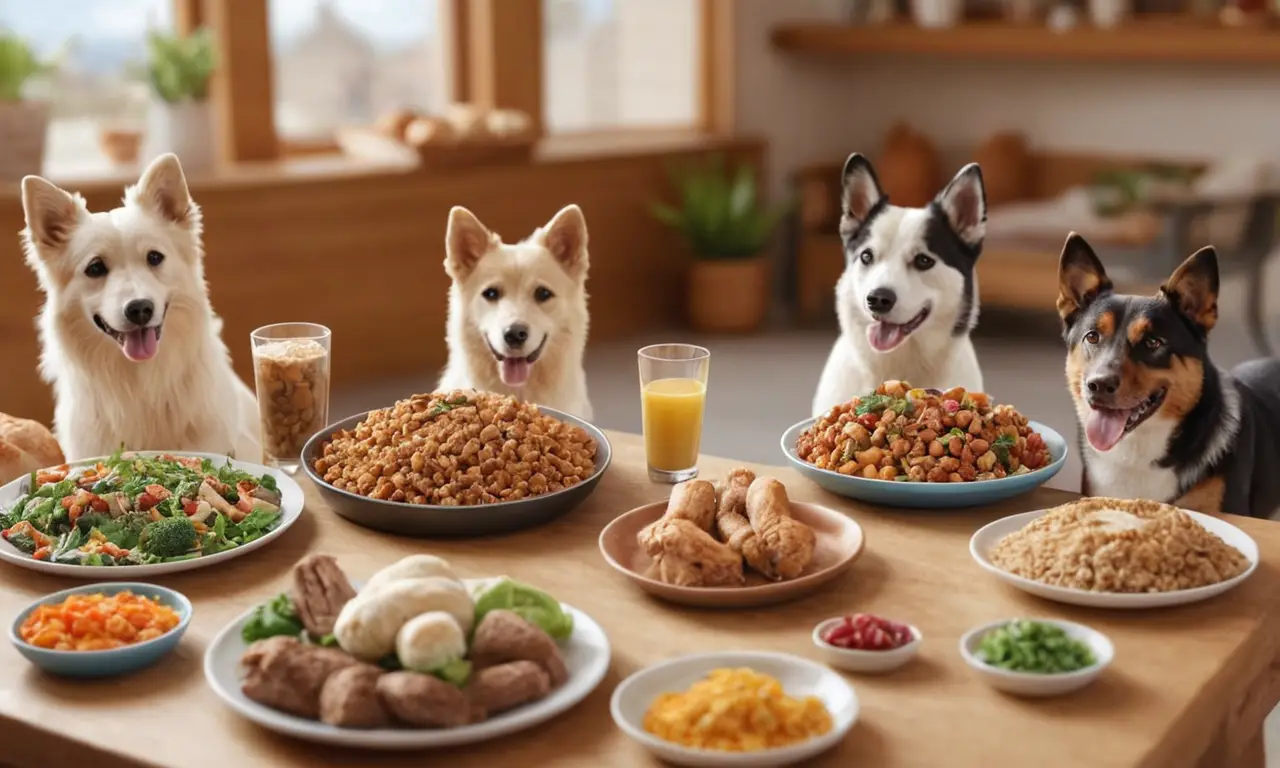
Celiac or Gluten Intolerant Dogs: A Comprehensive Guide to Causes, Symptoms, and Dietary Management
Understanding why your dog might be experiencing digestive distress or other health issues is crucial for their well-being. While not as commonly discussed as in humans, dogs can indeed suffer from conditions similar to celiac disease or gluten intolerance, often referred to collectively as celiac or gluten intolerant dogs. This article delves into the intricacies of these conditions in our canine companions, exploring their underlying causes, recognizing the telltale symptoms, and most importantly, outlining effective dietary management strategies to ensure your dog lives a happy and healthy life.
𝙲𝚘𝚗𝚝𝚎𝚗𝚝
- Understanding Gluten Sensitivity in Dogs
- Causes of Gluten Intolerance in Dogs
- Recognizing the Symptoms of Gluten Intolerance in Dogs
- Diagnosing Gluten Intolerance in Dogs
- Dietary Management: The Key to Success
- Transitioning to a Gluten-Free Diet
- Living with Celiac or Gluten Intolerant Dogs
- In summary
Understanding Gluten Sensitivity in Dogs
Gluten is a protein found in grains like wheat, barley, and rye. For many dogs, this protein poses no issue. However, in a subset of the canine population, their immune system can overreact to gluten, leading to inflammation and damage, primarily in the gastrointestinal tract. This reaction can manifest in various ways, affecting not only digestion but also skin health and overall vitality. It's important to distinguish between a true autoimmune response like celiac disease and a more generalized gluten sensitivity or intolerance, although the management often overlaps significantly.
Causes of Gluten Intolerance in Dogs
The exact triggers for developing celiac or gluten intolerant dogs are not fully understood, but several factors are believed to play a role:
Healthy Chicken Recipes for Cats: A Delicious Guide- Genetics: Certain breeds appear to be more predisposed to gluten-related digestive issues. While research is ongoing, Irish Setters have been identified as having a higher incidence of a gluten-sensitive enteropathy. Other breeds may also carry genetic markers that make them more susceptible.
- Gut Microbiome Imbalance (Dysbiosis): The balance of bacteria in a dog's gut is vital for proper digestion and immune function. An imbalance, often caused by stress, antibiotics, or poor diet, can make the gut lining more permeable (leaky gut), allowing undigested gluten particles to cross into the bloodstream and trigger an immune response.
- Immune System Dysregulation: In some cases, the dog's immune system may mistakenly identify gluten proteins as harmful invaders, launching an inflammatory attack on the intestinal lining. This is the hallmark of autoimmune conditions.
- Environmental Factors: While less concrete, factors like early life exposure to certain environmental triggers or dietary components could potentially influence the development of gluten intolerance later in life.
- Dietary History: A history of feeding highly processed foods or diets with a high gluten content might contribute to the development or exacerbation of these sensitivities in genetically predisposed individuals.
Recognizing the Symptoms of Gluten Intolerance in Dogs
The symptoms of celiac or gluten intolerant dogs can be varied and sometimes mimic other gastrointestinal or dermatological conditions. Vigilance and careful observation are key to identifying potential issues. Common signs include:
Gastrointestinal Symptoms:
- Chronic Diarrhea: This is one of the most prevalent symptoms. The diarrhea can be intermittent or persistent, sometimes containing mucus or blood.
- Vomiting: Frequent bouts of vomiting, often without obvious reason, can indicate an upset stomach due to gluten.
- Abdominal Pain and Bloating: Dogs may exhibit signs of discomfort, such as restlessness, guarding their belly, or appearing bloated.
- Weight Loss: Despite a normal or even increased appetite, dogs may struggle to gain or maintain weight due to malabsorption of nutrients.
- Poor Appetite: Conversely, some dogs may lose their appetite altogether.
- Increased Gas (Flatulence): Excessive and often foul-smelling gas can be a sign of digestive upset.
Dermatological Symptoms:
- Itching (Pruritus): Persistent scratching, licking, or chewing, particularly on the paws, ears, or hindquarters, can be a sign of gluten sensitivity.
- Skin Lesions and Rashes: Redness, bumps, sores, or pustules on the skin can develop.
- Hair Loss (Alopecia): Patches of thinning or complete hair loss, especially in areas of excessive scratching.
- Ear Infections: Recurrent ear infections, often characterized by redness, discharge, and odor, can be linked to food sensitivities.
Behavioral Changes:
- Lethargy and Decreased Energy: Dogs may seem unusually tired or less enthusiastic about activities they once enjoyed.
- Irritability or Mood Swings: Discomfort and sickness can lead to changes in temperament.
It is crucial to remember that these symptoms are not exclusive to gluten intolerance. They can also be indicative of other serious health conditions, such as inflammatory bowel disease (IBD), parasites, infections, pancreatitis, or allergies to other ingredients. Therefore, a veterinarian's diagnosis is paramount.
Diagnosing Gluten Intolerance in Dogs
Diagnosing celiac or gluten intolerant dogs typically involves a multi-step process:
Safe & Delicious Christmas Recipes for Cats- Veterinary Consultation and Physical Examination: Your veterinarian will begin by taking a thorough medical history, discussing your dog's symptoms, diet, and lifestyle. A physical examination will be conducted to assess their overall health.
- Ruling Out Other Conditions: Blood tests (including complete blood count and biochemistry profile), fecal tests (to check for parasites and infections), and sometimes imaging studies (X-rays or ultrasound) may be performed to rule out other potential causes of the symptoms.
- Elimination Diet Trial: This is the cornerstone of diagnosing food sensitivities in dogs. Under veterinary guidance, you will be instructed to remove all common allergens, including gluten-containing ingredients, from your dog's diet and replace them with novel or hydrolyzed proteins and carbohydrates. This typically involves feeding a limited ingredient diet or a prescription hypoallergenic diet for a period of 6-12 weeks.
- Reintroduction (Challenge) Phase: If the dog's symptoms improve significantly on the elimination diet, the next step is to reintroduce specific ingredients one by one to identify the culprit. If symptoms return upon reintroduction of gluten, it strongly suggests gluten intolerance.
- Biopsy (Less Common for Gluten Intolerance): In cases where a more severe intestinal disorder like celiac disease is suspected, an intestinal biopsy may be recommended. This involves taking small tissue samples from the intestine during an endoscopic procedure to examine them for microscopic changes indicative of autoimmune damage. However, for many dogs diagnosed with gluten sensitivity, the elimination diet trial is sufficient for diagnosis and management.
Dietary Management: The Key to Success
Once diagnosed with gluten intolerance, the most effective way to manage the condition is through a strictly gluten-free diet. This is not a temporary fix but a lifelong commitment to your dog's health.
Key Principles of a Gluten-Free Diet:
- Read Food Labels Carefully: This is non-negotiable. Gluten can be hidden in many pet foods and treats. Look for ingredients like wheat, barley, rye, and their derivatives. Be aware of cross-contamination in manufacturing facilities.
- Choose Naturally Gluten-Free Ingredients: Opt for pet foods that base their formulations on alternative grains like rice, corn (though some dogs may also be sensitive to corn), oats (ensure they are certified gluten-free), quinoa, or starchy vegetables like potatoes and sweet potatoes.
- Focus on Protein Sources: Single-source novel proteins (e.g., duck, venison, rabbit, fish) can be beneficial, especially in the initial stages of dietary management, to further reduce the risk of other sensitivities.
- Consider Hydrolyzed Protein Diets: These are prescription diets where proteins are broken down into very small components, making them less likely to trigger an immune response.
- Avoid Grains Altogether: For some dogs, a grain-free diet might be the best approach, even if they are not specifically allergic to grains other than those containing gluten. This can simplify dietary management.
- Beware of "Fillers": Many lower-quality pet foods use grains as fillers. High-quality, limited-ingredient diets are often a better choice for sensitive dogs.
- Treats and Chews: Be just as diligent with treats and chews. Many commercial treats contain wheat or other gluten-containing ingredients. Opt for single-ingredient treats or those specifically labeled gluten-free.
- Human Food Safety: Never feed your dog table scraps unless you are absolutely certain they are gluten-free and safe for canine consumption. Many human foods contain hidden gluten.
- Supplements: Your veterinarian may recommend supplements to support gut health, such as probiotics and prebiotics, or omega-3 fatty acids to help reduce inflammation.
Transitioning to a Gluten-Free Diet
Switching your dog to a new diet should always be done gradually to prevent further digestive upset.
- Start Slow: Begin by mixing a small amount (about 25%) of the new gluten-free food with your dog's current food.
- Increase Gradually: Over the next 7-10 days, gradually increase the proportion of the new food while decreasing the old food.
- Monitor Closely: Watch for any signs of diarrhea, vomiting, or changes in appetite or energy levels. If you notice any adverse reactions, slow down the transition or consult your veterinarian.
Living with Celiac or Gluten Intolerant Dogs
Managing celiac or gluten intolerant dogs requires commitment and a proactive approach.
Festive Feasts: Top Christmas Recipes for Dogs- Consistent Feeding: Stick to the prescribed gluten-free diet religiously. Even small amounts of gluten can trigger a reaction.
- Educate Your Household: Ensure everyone in the family understands the importance of the gluten-free diet and knows which foods and treats are safe.
- Communicate with Veterinarian: Maintain open communication with your veterinarian. They can offer guidance, recommend specific products, and help adjust the diet as needed.
- Patience is Key: It may take time to find the perfect diet that suits your dog's individual needs and sensitivities. Don't get discouraged if the first few attempts aren't completely successful.
- Focus on Overall Health: A balanced, nutrient-rich, gluten-free diet, combined with regular exercise and veterinary care, will contribute to your dog's overall well-being and longevity.
In summary
While the diagnosis of celiac or gluten intolerant dogs can seem daunting, it offers a clear path to improving your dog's quality of life. By understanding the causes, recognizing the symptoms, and diligently implementing a gluten-free diet under veterinary guidance, you can effectively manage these sensitivities and ensure your canine companion enjoys a vibrant and comfortable life, free from the discomfort and health issues associated with gluten intolerance. Your dedication to understanding and adapting to their dietary needs is the most profound way to show your love and commitment to their health.
Parrot Diet: Best Fruits and Vegetables for Your Bird

Festive Feasts: Top Christmas Recipes for Dogs

Dog Kidney Failure Diet: Homemade Solutions & Care Tips

Choosing the Best Dog Food: A Comprehensive Guide

Cat Hepatitis Diet: Essential Foods for Your Feline Friend

Understanding the Composition of Cat Food for Health
Related posts