
Chiweenie: The Adorable Chihuahua & Dachshund Mix
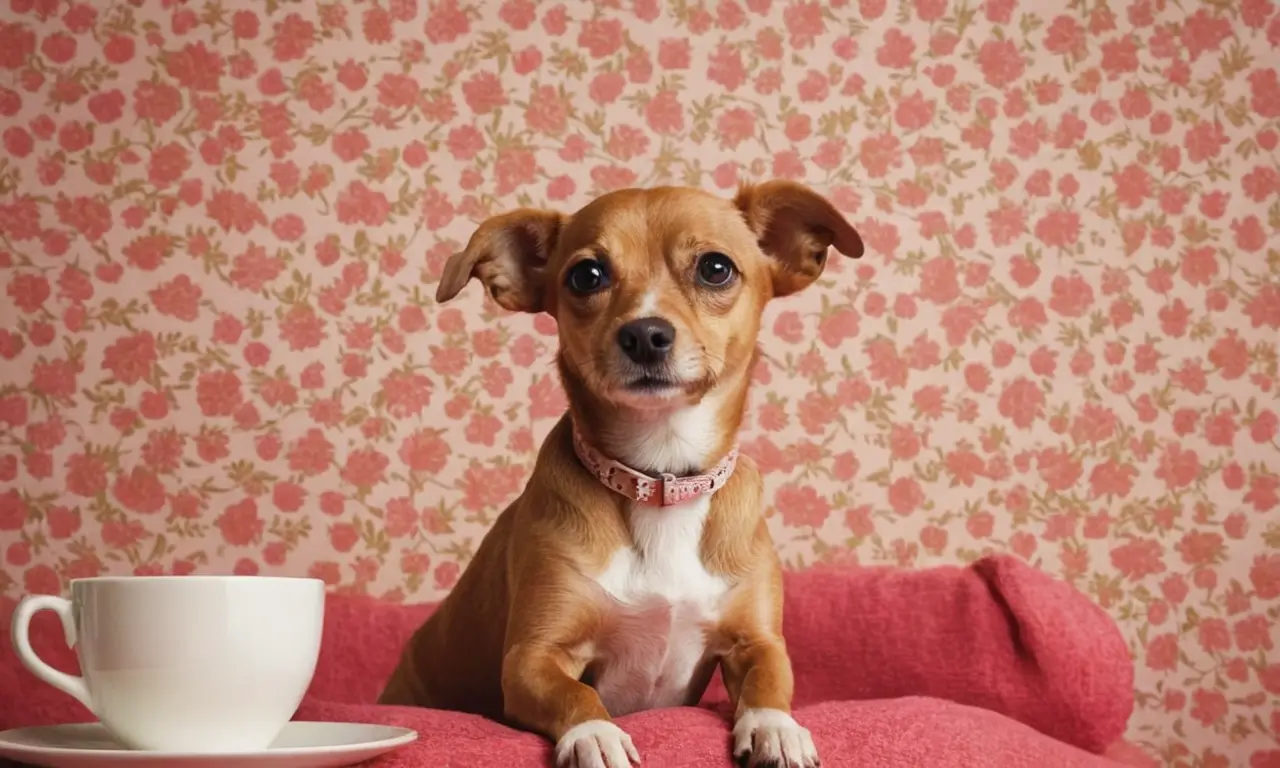
The Chiweenie: A delightful Blend of Chihuahua and Dachshund Charm
The Chiweenie, a spirited and undeniably charming crossbreed, is a testament to the wonderful diversity found in the canine world. This captivating dog is the result of a deliberate (or sometimes accidental!) mating between a Chihuahua and a Dachshund, often referred to as a "sausage dog." This unique pairing brings together the tenacious spirit and tiny stature of the Chihuahua with the distinctive long body and playful nature of the Dachshund. The resulting Chiweenie dog, Chihuahua cross with sausage is a companion animal that possesses a captivating personality, a distinctive appearance, and a loyalty that will steal your heart. Whether you're considering adding a Chiweenie to your family or simply admire these pint-sized powerhouses, understanding their origins, characteristics, and needs is crucial for providing them with a happy and fulfilling life. This article delves deep into the world of the Chiweenie, exploring their history, physical traits, temperament, health considerations, training, and essential care.
𝙲𝚘𝚗𝚝𝚎𝚗𝚝
- Origins and History: A Designer Dog's Emergence
- Physical Characteristics: A Miniature Masterpiece
- Temperament and Personality: A Bold and Loving Companion
- Health Considerations: Understanding Potential Issues
- Training Your Chiweenie: Patience and Positivity
- Diet and Nutrition: Fueling a Healthy Lifestyle
- Exercise and Grooming: Keeping Them Happy and Healthy
- Bringing a Chiweenie Home: What to Expect
Origins and History: A Designer Dog's Emergence
While not a breed with a long, documented lineage like purebred dogs, the Chiweenie has gained popularity over the past few decades as a designer dog. The desire to combine desirable traits from two beloved breeds has led to the creation of many crossbreeds, and the Chiweenie is a prime example. The Chihuahua, hailing from Mexico, is one of the oldest dog breeds, known for its small size and bold personality. The Dachshund, originating from Germany, was bred to hunt badgers, hence its name meaning "badger dog" in German, and its characteristic long body and short legs were perfect for burrowing.
The intentional breeding of Chihuahuas and Dachshunds likely began in North America as a way to create a small, portable dog with a unique look. The appeal of the Chiweenie dog, Chihuahua cross with sausage lies in its ability to inherit the best (and sometimes the most challenging) traits from both parent breeds. This can lead to a wide spectrum of appearances and temperaments, making each Chiweenie an individual.
Physical Characteristics: A Miniature Masterpiece
The appearance of a Chiweenie can vary significantly, as they can inherit more traits from one parent breed than the other, or a balanced mix of both.
Size: Chiweenies are typically small dogs. They usually weigh between 5 to 15 pounds and stand about 5 to 10 inches tall at the shoulder. Their size makes them excellent apartment dogs and suitable for owners with limited living space.
Body Shape: This is where the Dachshund influence is most prominent. Chiweenies often inherit the elongated body and short legs characteristic of Dachshunds. This gives them a distinctive "sausage dog" silhouette, though some may have a more balanced build closer to a Chihuahua.
Head: The head shape can also vary. Some Chiweenies have the large, apple-shaped head of a Chihuahua, while others might have a more elongated muzzle like a Dachshund. Their eyes are typically large and expressive, often dark in color.
Ears: Floppy, long ears are a common feature, inherited from the Dachshund. However, some Chiweenies may have erect ears like a Chihuahua.
Coat: Chiweenies can have a variety of coat types, depending on the Dachshund parent.
* Smooth Coat: Short, sleek, and requires minimal grooming. This is common if the Dachshund parent has a smooth coat.
* Long Coat: Soft, wavy, or straight, requiring more regular brushing to prevent tangles and mats. This is seen if the Dachshund parent is long-haired.
* Wirehaired Coat: Less common, but possible if the Dachshund parent is wirehaired. This coat type has a harsher texture and may require occasional stripping.
Color: The color palette for Chiweenies is extensive, reflecting the wide range of colors found in both Chihuahuas and Dachshunds. Common colors include:
* Black
* Brown (various shades, including chocolate and liver)
* Tan
* Cream
* White
* Brindle (a pattern of stripes)
* Dapple (a mottled pattern, often seen in Dachshunds)
* Merle (another mottled pattern, less common but possible)
Temperament and Personality: A Bold and Loving Companion
The Chiweenie is known for its complex and often endearing personality. They tend to be a fascinating blend of the Chihuahua's feisty nature and the Dachshund's playful spirit.
Loyalty and Affection: Like their parent breeds, Chiweenies are incredibly loyal to their families. They often form strong bonds with their owners and can be very cuddly and affectionate, seeking out warm laps and close proximity.
Chlorhexidine for Cats: Uses, Side Effects & ContraindicationsBravado and Confidence: Despite their small size, Chiweenies possess a remarkable amount of confidence and can be quite bold. They are not easily intimidated and may bark to alert their owners to perceived threats, making them surprisingly good watchdogs.
Playfulness: They inherit a playful streak from both parent breeds. They enjoy interactive toys, short bursts of energetic play, and exploring their surroundings.
Stubbornness: Both Chihuahuas and Dachshunds can exhibit stubborn tendencies, and the Chiweenie is no exception. This can make training a rewarding but sometimes challenging endeavor. Patience and consistency are key.
Sociability: Early socialization is crucial for Chiweenies. Without it, they can become overly territorial, wary of strangers, and may develop a tendency to bark excessively at other dogs or people. Introducing them to various sights, sounds, people, and other well-behaved animals from a young age will help them develop into well-adjusted adults.
Potential for Separation Anxiety: Due to their strong bond with their owners, Chiweenies can be prone to separation anxiety if left alone for extended periods. They thrive on companionship and may exhibit destructive behaviors or excessive barking when feeling anxious.
Health Considerations: Understanding Potential Issues
While Chiweenies are generally healthy dogs, they can be prone to certain health issues inherited from their parent breeds. Responsible breeding practices can help mitigate some of these risks.
Common Health Concerns:
* Patellar Luxation: This is a common issue in small breeds, where the kneecap dislocates. It can range from mild to severe and may require surgical correction.
* Hypoglycemia: Low blood sugar, particularly in puppies, can be a concern. Owners should be aware of the signs and symptoms.
* Heart Conditions: Both Chihuahuas and Dachshunds can be predisposed to certain heart problems, such as mitral valve disease.
* Dental Issues: Small breeds are more susceptible to dental problems, including overcrowding of teeth and gum disease. Regular dental care is essential.
* Intervertebral Disc Disease (IVDD): This is a significant concern for Dachshunds due to their long backs. While a Chiweenie's back may not be as long as a purebred Dachshund's, the risk is still present. Owners should be mindful of activities that put stress on their dog's spine, such as jumping from high places.
* Eye Conditions: Some Chiweenies may inherit eye conditions common in Chihuahuas, such as progressive retinal atrophy (PRA) or cataracts.
Lifespan: With proper care, diet, and regular veterinary check-ups, Chiweenies typically have a lifespan of 12 to 16 years.
Training Your Chiweenie: Patience and Positivity
Training a Chiweenie can be a rewarding experience, but it requires understanding their unique personalities and potential stubbornness.
Early Socialization: As mentioned, exposing your Chiweenie to a variety of experiences from a young age is paramount. This includes meeting different people, other animals, and visiting new environments.
Positive Reinforcement: Chiweenies respond best to positive reinforcement methods. This involves using rewards such as praise, treats, and toys to encourage desired behaviors. Harsh punishments or aversive training methods can be counterproductive and damage the bond between you and your dog.
Consistency is Key: Be consistent with your commands and expectations. All family members should be on the same page regarding training rules.
Cholestasis in Dogs: Symptoms, Causes & Effective TreatmentHouse-training: House-training can sometimes be a challenge for small breeds. Patience, a consistent schedule, and frequent potty breaks are essential. Accidents are bound to happen, so try not to get discouraged.
Leash Training: Introduce a collar or harness and leash early on. Ensure the harness is comfortable and fits well, especially given their body shape. Keep training sessions short and positive.
Addressing Barking: Chiweenies can be prone to excessive barking. Identify the triggers for their barking and work on desensitization and counter-conditioning. Teach them a "quiet" command.
Mental Stimulation: Keep their minds engaged with puzzle toys and interactive games. A bored Chiweenie is more likely to develop behavioral issues.
Diet and Nutrition: Fueling a Healthy Lifestyle
The right diet is crucial for maintaining your Chiweenie's health and vitality. Their small size and potential for certain health conditions mean their nutritional needs should be carefully considered.
High-Quality Dog Food: Opt for a high-quality dog food specifically formulated for small breeds. These foods often have smaller kibble sizes, which are easier for small dogs to chew, and are balanced with the appropriate nutrients. Look for foods with a named meat source as the primary ingredient.
Portion Control: It's easy to overfeed small dogs. Follow the feeding guidelines on the dog food packaging, and adjust based on your dog's activity level and body condition. Obesity can exacerbate many health issues, including joint problems.
Avoid Table Scraps: Human food can be too rich, too fatty, or even toxic to dogs. It's best to stick to a balanced canine diet.
Hydration: Always ensure your Chiweenie has access to fresh, clean water.
Special Considerations:
* Puppy Food: Until they reach maturity (usually around 12 months), puppies need a diet specifically designed for growth and development.
* Senior Food: As your Chiweenie ages, they may benefit from a senior formula that is lower in calories and easier to digest.
* Allergies and Sensitivities: Like any dog, Chiweenies can develop food allergies or sensitivities. If you notice any signs such as itching, digestive upset, or ear infections, consult your veterinarian. They may recommend a limited ingredient diet or a novel protein source.
Exercise and Grooming: Keeping Them Happy and Healthy
Despite their small stature, Chiweenies have energy to burn and require regular grooming.
Exercise Needs:
Chiweenies are not typically high-energy dogs, but they do need daily exercise to stay healthy and happy.
* Short Walks: Two to three short walks per day are usually sufficient.
* Indoor Play: Interactive play sessions in the house, using toys like fetch or tug-of-war, are also beneficial.
* Mental Stimulation: As mentioned in the training section, puzzle toys and training games are excellent for keeping their minds active.
* Caution with Jumping: Be mindful of their long backs. Discourage them from jumping off high furniture or stairs, as this can put undue stress on their spine.
Grooming Requirements:
Grooming needs will vary depending on the Chiweenie's coat type.
* Brushing:
* Smooth coats require weekly brushing to remove loose hair and distribute natural oils.
* Long coats need daily or every-other-day brushing to prevent tangles and mats. A slicker brush and a metal comb are useful tools.
* Bathing: Bathe your Chiweenie as needed, typically when they are dirty or have a strong odor. Use a dog-specific shampoo to avoid irritating their skin.
* Nail Trimming: Trim their nails regularly, usually every 2-4 weeks, to prevent overgrowth and discomfort. If you hear clicking on hard surfaces, it's time for a trim.
* Ear Cleaning: Check their ears weekly for any signs of infection, redness, or odor. Clean them gently with a veterinarian-approved ear cleaner. Floppy ears can trap moisture and increase the risk of ear infections.
* Dental Care: Brush your Chiweenie's teeth several times a week using dog-specific toothpaste and a toothbrush. This is vital for preventing dental disease.
* Eye Care: Gently wipe away any discharge from their eyes with a damp cloth.
Bringing a Chiweenie Home: What to Expect
If you're considering adding a Chiweenie dog, Chihuahua cross with sausage to your family, be prepared for a loyal, loving, and sometimes quirky companion. They are a wonderful choice for individuals, couples, and families with older children who understand how to handle small dogs gently. Their small size makes them adaptable to various living situations, but their spirited personalities and potential for barking mean they are not suited for every household. With proper training, socialization, and loving care, a Chiweenie will undoubtedly become a cherished member of your family, offering years of joy and unwavering companionship. Their unique blend of traits, from the bold Chihuahua to the distinctive Dachshund, creates a dog that is truly one of a kind.
Cat Urinary Crystals: Types, Symptoms & Treatment Guide

Cat Weight: How Do I Know If My Cat Is Fat?

Encephalitis in Dogs: Symptoms, Causes & Treatment
Dog Cavities: Causes, Symptoms, and Treatment Options

Natural Flea Relief: Home Remedies for Fleas in Cats

Newborn Puppy Feeding Guide: From Birth to Weaning
Related posts