

Chlorhexidine for Cats: Uses, Side Effects & Contraindications
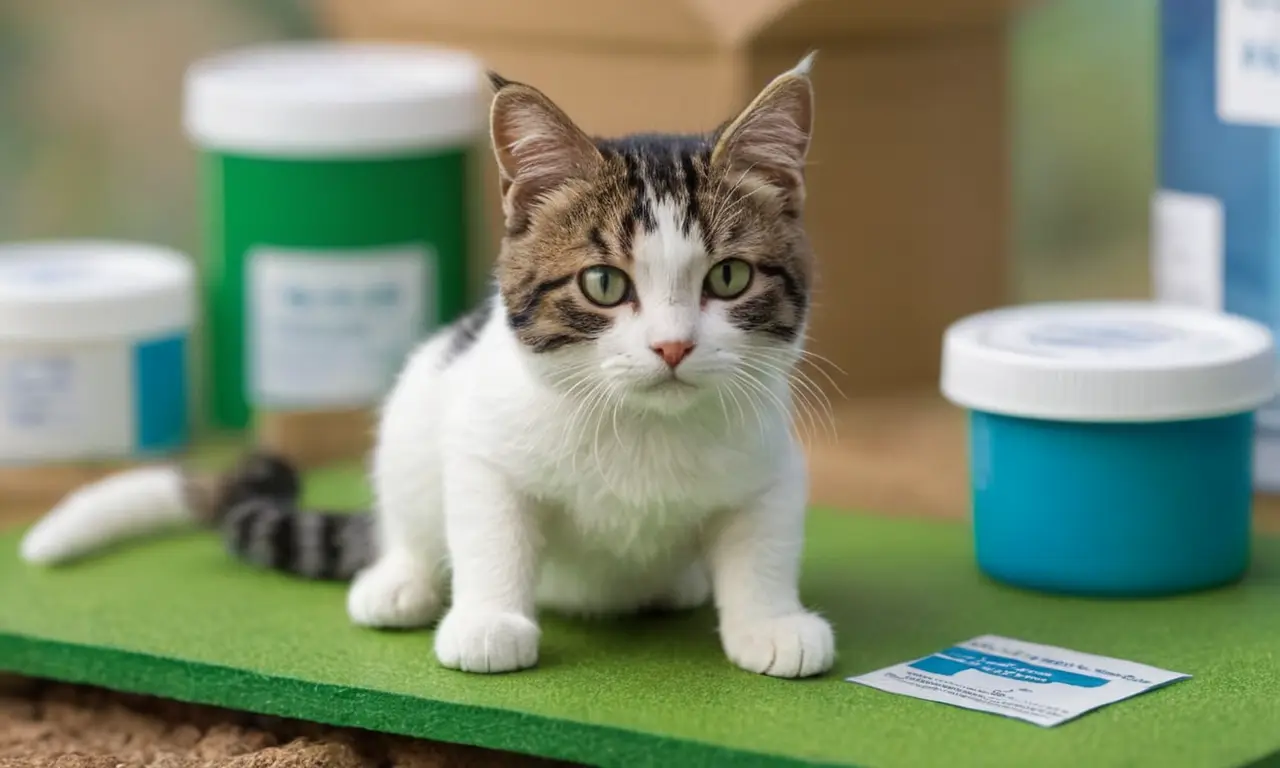
Chlorhexidine for Cats: Uses, Side Effects & Contraindications
Chlorhexidine is a widely recognized antiseptic and disinfectant, known for its broad-spectrum efficacy against bacteria, fungi, and some viruses. While its use in human medicine is common, its application in veterinary practice, particularly for feline companions, is also significant. This comprehensive guide delves into the various applications of Chlorhexidine for cats - Uses, side effects and contraindications, ensuring responsible and effective use for the health and well-being of your feline friend. Understanding these aspects is crucial for pet owners and veterinarians alike, enabling informed decisions regarding its administration.
𝙲𝚘𝚗𝚝𝚎𝚗𝚝
What is Chlorhexidine?
Chlorhexidine is a cationic bisbiguanide antiseptic. Its mechanism of action involves disrupting the cell membranes of microorganisms, leading to cell death. It is available in various concentrations and formulations, including solutions, washes, gels, and wipes, making it versatile for different veterinary needs. Its effectiveness is largely attributed to its potent antimicrobial activity and its ability to persist on surfaces, providing prolonged protection.
Uses of Chlorhexidine for Cats
The versatility of chlorhexidine makes it a valuable tool in managing a wide range of feline health issues. Its primary applications revolve around infection control and wound management.
Skin Infections (Pyoderma)
Fungal and bacterial skin infections are common in cats, leading to discomfort, itching, and lesions. Chlorhexidine-based shampoos, mousses, and sprays are frequently recommended by veterinarians to treat conditions like pyoderma. These topical treatments help to:
- Reduce bacterial and fungal load: By effectively killing or inhibiting the growth of pathogens on the skin.
- Promote healing: By creating a cleaner environment for the skin to repair itself.
- Alleviate itching and inflammation: By addressing the underlying infection that often causes these symptoms.
It's important to use the correct concentration of chlorhexidine and follow the veterinarian's instructions regarding the frequency and duration of treatment. Overuse or improper dilution can lead to skin irritation.
Ear Infections (Otitis Externa)
Ear infections in cats can be caused by bacteria, yeast, or mites, leading to pain, head shaking, and discharge. Chlorhexidine is often a key component in ear cleaning solutions and topical treatments for otitis externa. Its role in ear care includes:
- Disinfection of the ear canal: Effectively cleansing the ear and reducing microbial contamination.
- Prevention of secondary infections: Especially important in cases where the ear canal is already inflamed or damaged.
- Adjunct therapy: Used in conjunction with other medications like antibiotics or antifungals to enhance treatment efficacy.
When using chlorhexidine for ear infections, it is vital to ensure the eardrum is intact to prevent any potential damage or complications. A veterinarian will typically perform an otoscopic examination before recommending or administering ear treatments.
Wound Care and Surgical Site Preparation
Chlorhexidine is an excellent choice for cleaning and disinfecting wounds, abrasions, and surgical sites in cats. Its effectiveness in killing a broad spectrum of microorganisms makes it ideal for preventing post-operative infections and promoting wound healing.
- Wound Lavage: Diluted chlorhexidine solutions can be used to gently flush out wounds, removing debris and bacteria.
- Surgical Site Disinfection: The skin is typically scrubbed with chlorhexidine solutions or impregnated wipes before surgical procedures to minimize the risk of surgical site infections.
- Post-operative wound management: Applying chlorhexidine-based solutions or sprays to surgical incisions can help keep the area clean and prevent infection.
The concentration of chlorhexidine used for wound care will vary depending on the type and severity of the wound. Always follow veterinary guidance for wound management.
Cholestasis in Dogs: Symptoms, Causes & Effective TreatmentDental Hygiene
Chlorhexidine mouthwashes and gels can be beneficial in managing feline dental disease. Periodontal disease is common in cats and can lead to pain, tooth loss, and systemic health problems. Chlorhexidine helps by:
- Reducing plaque formation: Chlorhexidine has anti-plaque properties, which can help slow down the accumulation of biofilm on teeth.
- Controlling gingivitis: By reducing the bacterial load in the mouth, chlorhexidine can help to alleviate inflammation of the gums.
- Preventing halitosis (bad breath): By combating the bacteria responsible for the unpleasant odor.
Veterinary-specific dental rinses containing chlorhexidine are available and are often recommended as part of a comprehensive dental care plan.
Other Applications
Beyond the most common uses, chlorhexidine can also be employed in:
- Treatment of dermatitis and allergies: To help manage secondary bacterial or fungal infections associated with allergic skin conditions.
- Antiseptic hand washing for veterinary staff: To reduce the transmission of pathogens within veterinary clinics.
- Disinfection of equipment and surfaces: In veterinary settings to maintain a sterile environment.
Chlorhexidine Formulations for Cats
Chlorhexidine is available in several forms, each suited for specific applications:
- Solutions: These are the most common form, often diluted with water for wound lavage, ear cleaning, or topical application. Concentrations typically range from 0.1% to 4%.
- Shampoos: Medicated shampoos containing chlorhexidine are widely used for treating skin infections. They provide a contact time that allows the antiseptic to work effectively.
- Wipes: Pre-moistened antiseptic wipes are convenient for cleaning small wounds, minor skin irritations, or for spot cleaning.
- Mousses: These are an alternative to shampoos, offering a no-rinse option for topical application, which can be helpful for cats that are difficult to bathe.
- Gels: Chlorhexidine gels are often used for oral applications or for localized treatment of skin lesions.
Side Effects of Chlorhexidine in Cats
While generally considered safe when used appropriately, chlorhexidine can have potential side effects in cats. It's important to be aware of these to ensure your cat's comfort and safety.
Skin Irritation and Allergic Reactions
Although rare, some cats may develop skin irritation, redness, itching, or even a more severe allergic reaction to chlorhexidine. This can manifest as:
- Contact dermatitis: A localized inflammatory reaction at the site of application.
- Hypersensitivity reactions: Though less common, severe allergic responses can occur.
If you notice any signs of irritation or allergic reaction, discontinue use immediately and consult your veterinarian.
Staining
Chlorhexidine can cause temporary staining of fur and skin, particularly in cats with light-colored coats. This staining is usually superficial and will resolve with time and grooming. It's more common with higher concentrations and prolonged contact.
Taste Aversion and Gastrointestinal Upset
If your cat ingests chlorhexidine-containing products, especially oral rinses or solutions, they may experience a bitter taste, leading to drooling, gagging, or a reluctance to eat or drink. Ingestion of larger amounts could potentially lead to mild gastrointestinal upset like vomiting or diarrhea, although significant systemic toxicity is uncommon with topical or oral use as directed.
Chorkie: Your Guide to the Yorkshire Terrier & Chihuahua HybridOtotoxicity (with improper use)
Crucially, chlorhexidine should never be introduced into the middle or inner ear. In cases of ruptured eardrums, using chlorhexidine solutions can lead to ototoxicity, causing irreversible damage to the auditory system, including deafness. This is why a thorough veterinary examination is paramount before administering any ear medication.
Contraindications for Chlorhexidine Use in Cats
Certain conditions and circumstances make chlorhexidine use inadvisable or require extreme caution.
Known Hypersensitivity
Cats with a known history of hypersensitivity or allergy to chlorhexidine or any of its components should not be treated with chlorhexidine-containing products.
Ruptured Eardrum
As mentioned previously, never use chlorhexidine in the ear if there is any suspicion or confirmation of a ruptured eardrum. This is a critical contraindication due to the risk of ototoxicity.
Ocular Exposure
Chlorhexidine can be irritating to the eyes. Direct contact with the eyes should be avoided. If accidental exposure occurs, the eyes should be flushed thoroughly with clean water, and veterinary attention should be sought.
Spinal Cord Injury (with systemic absorption concern)
While not a common concern with typical topical use, in very rare instances, extensive application over large body surface areas or in cats with compromised skin barriers might theoretically raise concerns about systemic absorption. In cats with severe spinal cord injuries where neurological signs are present, extreme caution is generally advised with any product that could potentially be absorbed systemically, though this is a more theoretical concern with chlorhexidine.
Concurrent Use with Certain Substances
Chlorhexidine is incompatible with many substances. For instance, it is inactivated by anionic compounds (like soaps and detergents) and can be precipitated by inorganic ions. Therefore, it's essential to rinse off any soap residue thoroughly before applying chlorhexidine and to avoid mixing it with other disinfectants or medications unless specifically advised by a veterinarian.
How to Use Chlorhexidine Safely and Effectively
To maximize the benefits of Chlorhexidine for cats - Uses, side effects and contraindications, and minimize risks, follow these guidelines:
- Consult Your Veterinarian: This is the most important step. Your veterinarian will diagnose the condition, determine if chlorhexidine is appropriate, recommend the correct concentration and formulation, and provide specific instructions for use.
- Read and Follow Product Instructions: Always adhere to the directions provided on the product label or by your veterinarian.
- Dilution: If using a concentrated solution, ensure accurate dilution as per instructions. Using a concentration that is too high can cause irritation, while too low may be ineffective.
- Application Technique:
- Skin: For shampoos, lather thoroughly and allow to sit for the recommended contact time before rinsing. For sprays or mousses, apply evenly and massage into the coat.
- Ears: Apply the solution gently into the ear canal, massage the base of the ear, and allow the cat to shake its head to help dislodge debris. Wipe away excess with a cotton ball or gauze – never use cotton swabs deep into the ear canal.
- Wounds: Gently flush wounds with a diluted solution. For topical application, ensure even coverage.
- Prevent Ingestion: Try to prevent your cat from licking the treated areas immediately after application. An Elizabethan collar (cone of shame) may be necessary for a short period.
- Monitor for Side Effects: Closely observe your cat for any signs of skin irritation, redness, itching, or behavioral changes.
- Storage: Store chlorhexidine products in a cool, dry place, away from direct sunlight and out of reach of children and pets.
Alternatives to Chlorhexidine
While chlorhexidine is highly effective, there may be instances where an alternative is necessary due to side effects, contraindications, or owner preference. Some alternatives include:
Dangers of Christmas Plants Toxic to Cats & Dogs- Povidone-Iodine: Another broad-spectrum antiseptic, but it can stain and may be more irritating to some cats.
- Benzalkonium Chloride: A quaternary ammonium compound with antiseptic properties.
- Gentle Hypochlorous Acid (HOCl) Products: These are gaining popularity for their safety and efficacy in wound and skin care.
- Natural Antimicrobials: Certain essential oils (used with extreme caution and veterinary guidance, as many are toxic to cats) or plant-derived antimicrobials might be considered in milder cases.
Always discuss alternatives with your veterinarian to ensure they are appropriate for your cat's specific condition.
In summary
Chlorhexidine for cats - Uses, side effects and contraindications is a vital topic for responsible pet ownership. Its potent antimicrobial properties make it an invaluable tool for treating a variety of feline health issues, from skin and ear infections to wound care and dental hygiene. However, like any medication, it must be used judiciously and under veterinary guidance. Understanding its potential side effects and contraindications is crucial to ensuring the safety and well-being of your beloved cat. By working closely with your veterinarian, you can harness the therapeutic benefits of chlorhexidine while minimizing any associated risks, ultimately contributing to a healthier and happier life for your feline companion. Remember, proper diagnosis and tailored treatment plans are the cornerstones of effective veterinary care.
Cat Urinary Crystals: Types, Symptoms & Treatment Guide

Cat Weight: How Do I Know If My Cat Is Fat?

Encephalitis in Dogs: Symptoms, Causes & Treatment

Dog Cavities: Causes, Symptoms, and Treatment Options

Natural Flea Relief: Home Remedies for Fleas in Cats

Newborn Puppy Feeding Guide: From Birth to Weaning
Related posts