
Cloacitis in Exotic Birds: Causes, Symptoms, & Treatment
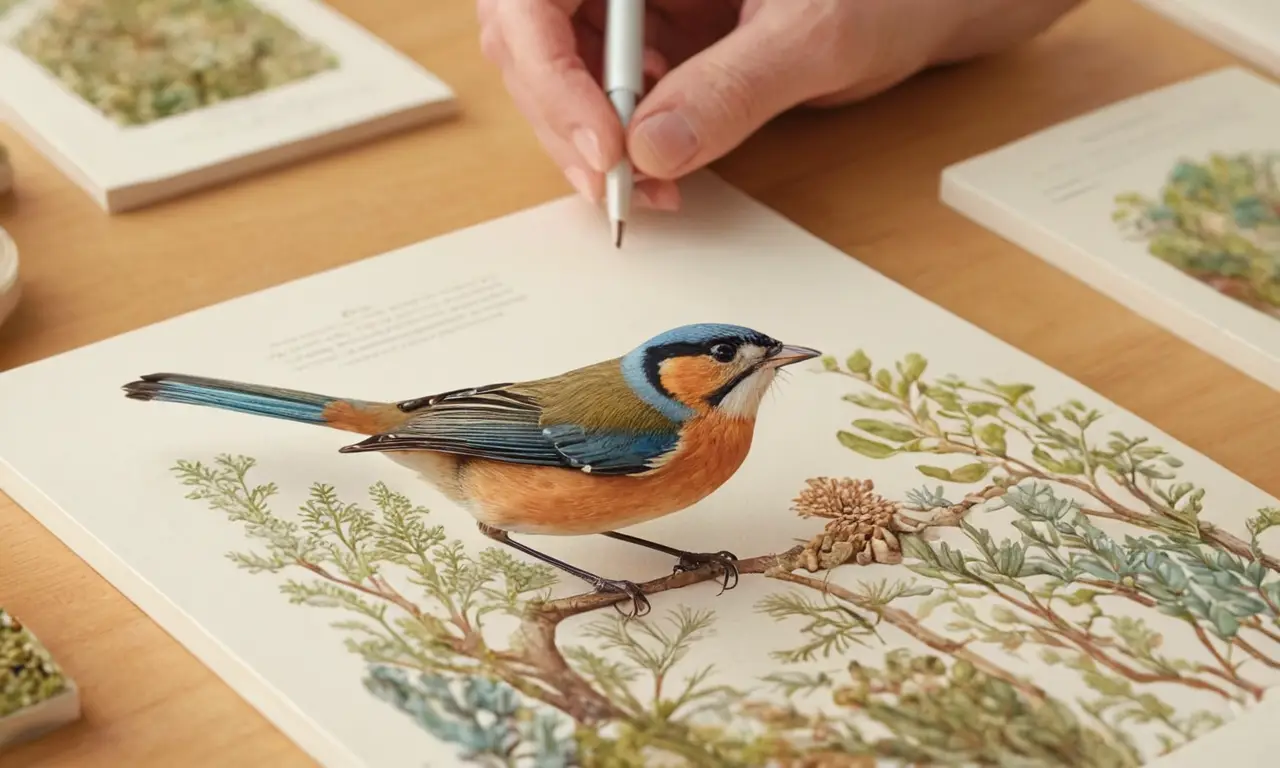
Cloacitis in Exotic Birds: Causes, Symptoms, & Treatment
Cloacitis, a distressing inflammation of the cloaca, is a condition that can affect a wide range of exotic birds. The cloaca, a versatile anatomical feature serving as the terminal part of the digestive, urinary, and reproductive tracts, plays a crucial role in a bird's overall health. When this area becomes inflamed, it can lead to significant discomfort, pain, and potentially life-threatening complications if left unaddressed. Understanding the intricacies of Cloacitis in exotic birds, from its diverse causes and recognizable symptoms to effective treatment strategies and preventative measures, is paramount for any owner dedicated to the well-being of their feathered companions. This comprehensive guide aims to equip you with the knowledge necessary to identify, manage, and ultimately protect your exotic bird from this challenging condition.
𝙲𝚘𝚗𝚝𝚎𝚗𝚝
Understanding the Cloaca: A Bird's Multifunctional Chamber
Before delving into the specifics of cloacitis, it’s essential to appreciate the remarkable functionality of the cloaca in birds. This single opening serves as the exit point for feces, urine, and reproductive products. It's a complex structure lined with mucous membranes that are susceptible to irritation and infection. The cloaca also plays a role in thermoregulation and can be involved in mating rituals. Due to its multi-functional nature, any disruption or abnormality within the cloaca can have widespread implications for a bird's health.
What is Cloacitis?
Cloacitis is a general term encompassing inflammation of the cloaca. It can manifest as a swelling, redness, discharge, or discomfort in the vent area. The severity can range from mild irritation to severe ulcerative inflammation, often accompanied by secondary infections. In exotic birds, the unique physiology and environmental factors can contribute to the development and progression of cloacitis.
Causes of Cloacitis in Exotic Birds
The causes of Cloacitis in exotic birds are varied and can often be multifactorial. Identifying the underlying cause is crucial for successful treatment.
Cute Clothes for Small Dogs: Style & Comfort Guide1. Nutritional Deficiencies and Imbalances
A diet lacking in essential nutrients or containing an imbalanced ratio of vitamins, minerals, and fiber can significantly impact cloacal health.
- Vitamin A Deficiency: Crucial for maintaining the health of epithelial tissues, including those lining the cloaca. Deficiency can lead to keratinization and increased susceptibility to infections.
- Calcium and Vitamin D Imbalances: Can lead to metabolic bone disease, which can indirectly affect cloacal function and contribute to inflammation.
- Low Fiber Diets: Can result in impaction or difficulty passing feces, leading to straining and irritation of the cloaca.
- Excessive Protein or Fat: Can contribute to obesity and affect overall metabolic health, potentially influencing cloacal secretions and susceptibility.
2. Infections (Bacterial, Fungal, Viral)
The cloaca is a prime site for opportunistic infections when the bird's immune system is compromised or when there is pre-existing irritation.
- Bacterial Infections: Escherichia coli (E. coli), Salmonella, and Staphylococcus are common culprits. These can ascend from the gastrointestinal tract or be introduced externally.
- Fungal Infections: Candida albicans (yeast) can overgrow, especially in birds with compromised immune systems or those on prolonged antibiotic therapy.
- Viral Infections: While less common as a primary cause, certain viral infections can weaken the immune system, making birds more susceptible to cloacal inflammation.
3. Trauma and Physical Irritation
External factors can directly injure or irritate the delicate cloacal lining.
- Egg Binding: A serious condition where a female bird is unable to pass an egg. The retained egg can press on and irritate the cloaca, leading to inflammation and potential infection.
- Sharp Objects in the Environment: Ingestion or contact with sharp foreign bodies can cause internal lacerations.
- Fecal Impaction: Hard, dry feces can cause mechanical irritation and abrasion.
- Over-grooming or Self-Mutilation: Birds may pick at or injure their vent area due to underlying discomfort, parasites, or behavioral issues.
- Poor Husbandry: Inadequate hygiene in the cage, particularly soiled bedding, can lead to constant exposure to irritants and pathogens.
4. Reproductive Issues
Conditions related to the reproductive system can directly impact the cloaca.
Cat Cloudy Eye: Causes, Symptoms & Effective Treatments- Cloacal Prolapse: The eversion of the cloacal lining, often due to straining from egg binding, diarrhea, or other forms of irritation.
- Tumors or Growths: Benign or malignant growths within or near the cloaca can cause irritation, bleeding, and secondary infections.
- Internal Egg Fragments: Incomplete passage of eggs can leave fragments that lead to inflammation.
5. Systemic Illnesses
Underlying diseases affecting other organ systems can manifest as cloacitis due to a weakened immune system or the spread of infection.
- Kidney Disease: Can lead to abnormal urine composition and excretion, potentially irritating the cloaca.
- Liver Disease: Affects overall health and immune function.
- Gastrointestinal Disorders: Conditions like enteritis or malabsorption can lead to changes in fecal consistency and composition, impacting the cloaca.
Symptoms of Cloacitis in Exotic Birds
Recognizing the signs of Cloacitis in exotic birds is crucial for prompt veterinary intervention. Symptoms can vary in severity, but common indicators include:
- Swelling and Redness of the Vent: The area around the cloaca may appear puffed up, inflamed, and discolored.
- Discharge from the Cloaca: This can be watery, mucoid, purulent (pus-like), or even bloody. The color and consistency of the discharge can provide clues to the underlying cause.
- Straining or Difficulty Defecating/Passing Urates: The bird may appear to be trying to defecate or urinate but is unable to do so effectively, often accompanied by hunched posture.
- Fecal Staining: The feathers around the vent may be soiled with abnormal feces or discharge, leading to matting and irritation.
- Loss of Appetite and Lethargy: As the condition progresses and causes discomfort, the bird may become reluctant to eat and appear less active.
- Weight Loss: Chronic inflammation and reduced food intake can lead to significant weight loss.
- Behavioral Changes: The bird may seem restless, constantly shifting its weight, or excessively preening the vent area.
- Pain: When touched or when attempting to defecate, the bird may vocalize or show signs of distress.
- Feather Loss Around the Vent: Chronic irritation can lead to feather plucking or loss in the affected area.
- Passing abnormal feces: This could include unusually soft or watery droppings, hard and dry feces, or feces with blood or mucus.
Diagnosis of Cloacitis
A veterinarian experienced with avian medicine is essential for diagnosing cloacitis. The diagnostic process typically involves:
- Physical Examination: A thorough examination of the bird, focusing on the vent area, general body condition, and observation of any discharge or swelling.
- History Taking: The owner's detailed account of the bird's diet, environment, recent changes, and the onset and progression of symptoms is vital.
- Fecal Analysis: Microscopic examination and culture of fecal samples can identify bacterial or fungal pathogens, as well as the presence of parasites or undigested food.
- Cloacal Swabs: Swabs taken from the cloaca can be sent for bacterial and fungal cultures and sensitivity testing to guide antibiotic or antifungal treatment.
- Radiographs (X-rays): Can help identify retained eggs, foreign bodies, or masses within the cloaca or reproductive tract.
- Bloodwork: In some cases, blood tests may be recommended to assess overall health, organ function, and identify systemic issues.
- Endoscopy: In more complex or persistent cases, endoscopy might be used to visualize the cloaca and surrounding organs directly, allowing for biopsy if necessary.
Treatment of Cloacitis in Exotic Birds
Treatment for Cloacitis in exotic birds is tailored to the underlying cause and the severity of the inflammation. It often involves a multi-pronged approach:
Mastering Clownfish Feeding: A Complete Guide for Aquarists1. Medical Management
- Antibiotics and Antifungals: Prescribed based on culture and sensitivity results to combat bacterial or fungal infections. It is crucial to administer the full course of medication as directed by the veterinarian.
- Anti-inflammatory Medications: May be used to reduce swelling and pain.
- Laxatives or Stool Softeners: To help alleviate fecal impaction and ease defecation.
- Probiotics: To help restore a healthy gut flora, especially after antibiotic treatment.
2. Supportive Care
- Fluid Therapy: For dehydrated birds, intravenous or subcutaneous fluids may be necessary.
- Nutritional Support: Force-feeding may be required if the bird is not eating, with a focus on highly digestible, nutrient-rich foods.
- Pain Management: Analgesics may be prescribed to keep the bird comfortable.
- Topical Treatments: Soothing ointments or solutions may be applied to the vent area to reduce irritation and promote healing.
3. Addressing Specific Causes
- Egg Binding: Veterinary intervention is usually required to help pass the egg, which may involve manual manipulation, medication, or in severe cases, surgery.
- Trauma/Foreign Bodies: Surgical removal of foreign objects or repair of traumatic injuries may be necessary.
- Prolapse: The prolapsed tissue needs to be gently cleaned, lubricated, and carefully replaced. If it cannot be replaced, surgical intervention may be required.
- Tumors: Treatment depends on the type and location of the tumor and may involve surgery, chemotherapy, or radiation therapy.
4. Husbandry and Dietary Adjustments
- Dietary Modification: Transitioning to a balanced, species-appropriate diet is crucial. This often involves increasing fiber content, ensuring adequate Vitamin A, and reducing fats and proteins if they are excessive.
- Improved Hygiene: Meticulous cleaning of the cage and enclosure is essential to prevent re-infection and further irritation. Soiled bedding should be removed promptly.
- Stress Reduction: Minimizing stressors in the bird's environment can help support their immune system.
Prevention of Cloacitis
Preventing Cloacitis in exotic birds is always preferable to treating it. Key preventive strategies include:
- Balanced and Species-Appropriate Diet: Provide a diet rich in fresh fruits, vegetables, seeds (in moderation, depending on species), and specialized avian pellets. Consult with an avian veterinarian for specific dietary recommendations for your bird's species.
- Adequate Hydration: Ensure fresh, clean water is always available.
- Excellent Husbandry and Hygiene: Maintain a clean living environment for your bird. Regularly clean the cage, perches, and food/water dishes. Use appropriate bedding that is changed frequently.
- Regular Veterinary Check-ups: Annual or semi-annual avian wellness exams are crucial for early detection of any health issues.
- Monitor Fecal Output: Be aware of your bird's normal droppings and report any significant changes to your veterinarian immediately.
- Avoid Over-handling or Stress: Minimize situations that can cause your bird undue stress, as stress can weaken the immune system.
- Proper Calcium and Vitamin D Levels: Especially important for breeding females to prevent egg-related complications.
- Avoid Introducing New Birds Without Quarantine: This helps prevent the spread of infectious diseases.
In summary
Cloacitis in exotic birds is a serious condition that requires vigilant observation and prompt veterinary care. By understanding the diverse causes, recognizing the subtle and overt symptoms, and implementing effective treatment and preventative strategies, bird owners can significantly improve the health and longevity of their cherished avian companions. Early detection and appropriate management are key to ensuring a full recovery and preventing future occurrences of this distressing cloacal inflammation. Always consult with a qualified avian veterinarian for diagnosis and treatment plans tailored to your specific bird's needs.
Cat Urinary Crystals: Types, Symptoms & Treatment Guide
Cat Weight: How Do I Know If My Cat Is Fat?
Encephalitis in Dogs: Symptoms, Causes & Treatment
Dog Cavities: Causes, Symptoms, and Treatment Options
Natural Flea Relief: Home Remedies for Fleas in Cats

Newborn Puppy Feeding Guide: From Birth to Weaning
Related posts