
Mastering Clownfish Feeding: A Complete Guide for Aquarists
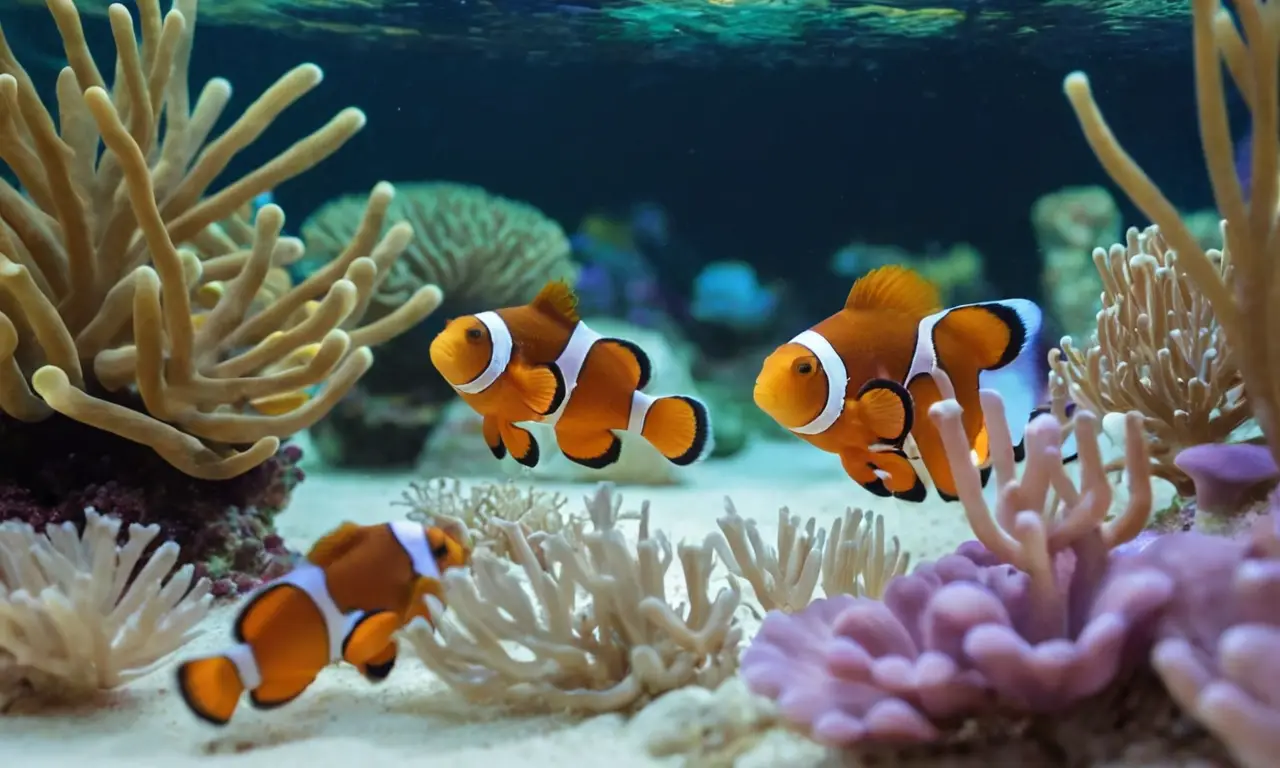
Mastering Clownfish Feeding: A Complete Guide for Aquarists
Providing your clownfish with the right nutrition is fundamental to their health, vibrant coloration, and overall well-being in a home aquarium. This comprehensive guide delves deep into the intricacies of Clownfish feeding, covering everything from the types of food to consider, the frequency and quantity of meals, and essential tips for success. Understanding these aspects will not only ensure your clownfish thrive but also contribute to a more stable and visually appealing marine ecosystem within your tank.
𝙲𝚘𝚗𝚝𝚎𝚗𝚝
Understanding the Clownfish Diet in the Wild
To effectively replicate their natural diet in captivity, it's crucial to understand what clownfish consume in their native coral reef environments. In the wild, clownfish are omnivorous, meaning they eat both plant and animal matter. Their diet is diverse and opportunistic, adapting to what is readily available.
- Algae and Phytoplankton: Clownfish graze on various types of algae that grow on rocks and corals. They also consume phytoplankton, microscopic marine algae that form the base of the oceanic food web.
- Zooplankton: Small invertebrates, such as copepods and zooplankton, are a significant part of their diet. They actively hunt these tiny creatures in the water column.
- Detritus: Like many reef inhabitants, clownfish will also consume small particles of decaying organic matter, contributing to the cleanup of the aquarium.
- Small Invertebrates: Occasionally, they might ingest small worms or other tiny invertebrates found in their surroundings.
- Bacterial Films: They can also derive nutrition from the bacterial films that colonize surfaces within the reef.
This varied diet in the wild highlights the importance of offering a diverse range of food sources to captive clownfish to ensure they receive a balanced spectrum of nutrients.
Essential Components of a Captive Clownfish Diet
Replicating the wild diet precisely can be challenging, but by offering a combination of high-quality marine-specific foods, you can provide your clownfish with all the necessary nutrients. The key is variety and quality.
High-Quality Marine Flakes and Pellets
Commercial flake and pellet foods designed specifically for marine fish are a convenient and often well-balanced starting point for Clownfish feeding. Look for brands that use high-quality ingredients, with marine proteins (like fish meal, shrimp meal) listed as the first few ingredients.
- Nutritional Profile: Good quality flakes and pellets should provide a good balance of protein, carbohydrates, fats, vitamins, and minerals essential for clownfish health.
- Fortification: Many brands are fortified with vitamins and minerals, including Vitamin C, which is crucial for immune system function and stress reduction in marine fish.
- Varieties: Consider using a mix of flakes and sinking pellets. Pellets can be beneficial for clownfish that tend to stay near the bottom or for introducing food that sinks slowly, mimicking natural feeding behavior.
When introducing flakes, it's often beneficial to crush them into smaller pieces, especially for juvenile clownfish, to ensure they can consume them easily.
Frozen Foods for Enhanced Nutrition
Frozen foods offer a more natural and nutrient-rich feeding option, closely resembling the types of prey clownfish would consume in the wild. They are an excellent way to supplement a flake-based diet.
Coccidiosis in Birds: Causes, Symptoms, & Prevention- Brine Shrimp (Artemia salina): A classic choice, brine shrimp are small crustaceans that clownfish readily accept. They are a good source of protein but are relatively low in fat and essential fatty acids.
- Enrichment: It is highly recommended to soak brine shrimp in a vitamin and mineral supplement before feeding to boost their nutritional value.
- Mysis Shrimp: These are larger than brine shrimp and provide a more substantial meal, rich in protein and essential fatty acids. Mysis shrimp are a favorite among many marine fish, including clownfish.
- Bloodworms (Chironomus spp.): While more commonly associated with freshwater fish, some marine fish will accept bloodworms. However, they should be fed in moderation and as part of a varied diet. Ensure they are specifically intended for marine aquariums if possible.
- Kril: Small, reddish crustaceans that are high in protein and astaxanthin, a pigment that can enhance the vibrant colors of your clownfish.
- Mysid Shrimp: Similar to Mysis shrimp, these are excellent for providing essential fatty acids and can encourage natural hunting behaviors.
When feeding frozen foods, thaw them in a small amount of tank water before offering them to your clownfish. Discard any uneaten food after about 15-20 minutes to prevent water quality degradation.
Live Foods for Natural Instincts and Maximum Nutrition
While more labor-intensive, live foods can be incredibly beneficial, especially for finicky eaters, newly introduced clownfish, or during their fry-rearing stages.
- Live Brine Shrimp: Feeding live brine shrimp can trigger a strong feeding response in clownfish, as they naturally hunt for moving prey.
- Copepods and Rotifers: These are microscopic invertebrates that mimic the natural zooplankton diet. They are excellent for very small juvenile clownfish or as a continuous food source in a refugium to be grazed upon.
- Daphnia: While primarily a freshwater food, some marine fish can be acclimated to eat daphnia. They are a good source of protein.
Acquiring and maintaining live food cultures requires dedication but can offer significant rewards in terms of fish health and behavior.
Algae and Vegetarian Options
While primarily carnivorous/omnivorous, clownfish do consume some algae. Offering supplemented foods can provide these benefits.
- Algae Wafers: Some specialized algae wafers designed for marine herbivores can be offered occasionally. However, clownfish are not obligate herbivores, so this should be a minor part of their diet.
- Marine Phytoplankton Supplements: These liquid supplements can be added to frozen foods or directly to the water to provide a source of microscopic algae and essential nutrients.
Feeding Frequency and Quantity: Finding the Right Balance
Determining how often and how much to feed your clownfish is crucial for their health and to maintain good water quality. Overfeeding is a common mistake that can lead to a host of problems.
How Often to Feed
For most adult clownfish in a well-established aquarium, feeding once or twice a day is generally sufficient.
- Juvenile Clownfish: Younger, growing clownfish may benefit from more frequent feedings, perhaps 2-3 times a day, in smaller quantities. This supports their rapid growth.
- Newly Introduced Clownfish: When first introduced to a new tank, clownfish may be stressed and less inclined to eat. It’s often best to offer small amounts multiple times a day to encourage them to start feeding.
- Observation is Key: Always observe your clownfish. If they are actively hunting and consuming food readily, you're likely on the right track. If food remains uneaten, you may be overfeeding.
How Much to Feed
The general rule of thumb for Clownfish feeding is to feed only what they can consume within 2-3 minutes.
Coccidiosis in Cats: Symptoms, Treatment, and Prevention Guide- Avoid Overfeeding: Any food left uneaten after this period will likely decompose, leading to an increase in ammonia and nitrite levels, which are toxic to your fish and other inhabitants.
- Portion Control: Start with a small amount and gradually increase it if it's all consumed quickly. It's better to slightly underfeed than to overfeed.
- Observe Body Condition: Healthy clownfish will have a slightly rounded belly after feeding. If they appear emaciated or overly bloated, it indicates an issue with their diet or feeding schedule.
Special Considerations for Clownfish Feeding
Beyond the basics, several specific factors can influence how you feed your clownfish.
Introducing New Foods
When introducing a new type of food, do so gradually. Offer a small amount alongside their regular food to see if they accept it. Some clownfish can be hesitant to try new items.
Feeding Tank-Bred vs. Wild-Caught
Tank-bred clownfish are often accustomed to commercial foods from a young age and can be easier to feed than their wild-caught counterparts. Wild-caught specimens may initially be more responsive to live or frozen foods.
Feeding Clownfish with Anemones
Clownfish have a symbiotic relationship with anemones. While the anemone provides protection, it also influences feeding behavior. Clownfish will often bring food back to their host anemone.
- Anemone's Role: The anemone may consume some of the food brought to it, which is natural. However, the clownfish will still get some nutrition from picking at the food within the anemone or from any particles the anemone releases.
- Strategic Feeding: If your clownfish are particularly attached to their anemone, consider feeding them near the anemone to encourage them to accept food.
Feeding in a Mixed Species Tank
If you have other fish in your aquarium, ensure that your clownfish are getting adequate food. Some more aggressive fish might outcompete the clownfish for food.
- Observe Feeding Dynamics: Watch to see if your clownfish are able to reach the food. If not, you might need to target feed them or use a method that allows them to eat without significant competition.
- Slow-Sinking Foods: Using slow-sinking pellets or flakes can give clownfish a better chance to grab food as it descends.
Tips for Successful Clownfish Feeding
To ensure your clownfish are well-fed and healthy, keep these tips in mind:
- Variety is Key: Never rely on a single type of food. Rotate through different high-quality flakes, pellets, and frozen options to provide a broad spectrum of nutrients.
- High-Quality Ingredients: Always choose marine-specific foods with high-quality protein sources listed at the beginning of the ingredient list.
- Enrich Frozen Foods: Soak frozen foods like brine shrimp in marine vitamin and mineral supplements before feeding.
- Thaw Frozen Foods: Always thaw frozen foods in a small amount of tank water before offering them.
- Don't Overfeed: Feed only what your clownfish can consume within 2-3 minutes. Uneaten food degrades water quality.
- Observe Your Fish: Pay attention to their feeding behavior, body condition, and activity levels.
- Consider Live Foods: Especially for picky eaters or to encourage natural hunting instincts.
- Proper Storage: Store dry foods in airtight containers in a cool, dark place. Freeze opened packages of frozen food.
- Water Quality First: Good water quality is paramount. Ensure your filtration is adequate, and perform regular water changes to manage waste from uneaten food and fish waste.
- Patience with New Fish: Newly acquired clownfish may need time and patience to adjust to their new environment and feeding routine.
Common Mistakes to Avoid in Clownfish Feeding
- Overfeeding: This is the most common mistake, leading to poor water quality and health issues.
- Feeding Inappropriate Foods: Avoid feeding terrestrial foods or foods not specifically formulated for marine fish.
- Lack of Variety: A monotonous diet can lead to nutritional deficiencies.
- Ignoring Food Rejection: If your clownfish consistently ignore a particular food, it might be unappealing or unsuitable.
- Feeding Immediately After a Water Change: Wait a little while after a water change to allow the fish to recover from any stress.
By diligently following these guidelines for Clownfish feeding, you can ensure your vibrant and beloved marine inhabitants lead healthy, long, and colorful lives in your aquarium. A well-nourished clownfish is a happy clownfish, contributing significantly to the overall success and enjoyment of your marine aquarium hobby.
Coconut Oil For Dogs: Amazing Benefits & Uses
Cat Urinary Crystals: Types, Symptoms & Treatment Guide

Cat Weight: How Do I Know If My Cat Is Fat?

Encephalitis in Dogs: Symptoms, Causes & Treatment

Dog Cavities: Causes, Symptoms, and Treatment Options

Natural Flea Relief: Home Remedies for Fleas in Cats

Newborn Puppy Feeding Guide: From Birth to Weaning
Related posts