
Basset Hound Health: Common Diseases & Care Tips
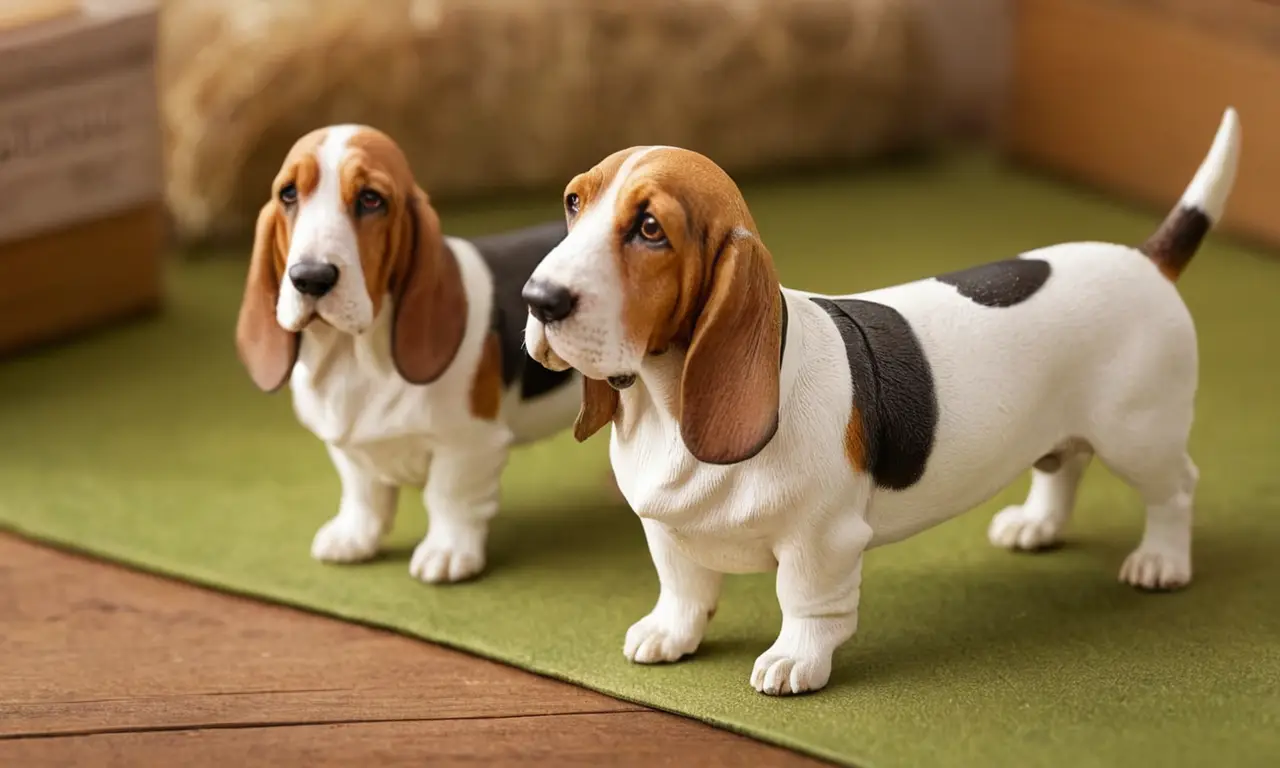
Basset Hound Health: Common Diseases & Care Tips
Basset Hounds, with their distinctive mournful eyes, long ears, and droopy demeanor, are beloved companions for many. However, like all breeds, they are predisposed to certain health conditions that owners should be aware of. Understanding and proactively managing these issues can significantly improve your Basset Hound's quality of life and longevity. This comprehensive guide will delve into the most Common Basset Hound Diseases, offering insights into their symptoms, causes, and essential care strategies to keep your gentle giant healthy and happy.
𝙲𝚘𝚗𝚝𝚎𝚗𝚝
- Understanding Basset Hound Predispositions
- Digestive System Woes: Bloat and Gastric Dilatation-Volvulus (GDV)
- Ear Infections: A Common Basset Hound Problem
- Skin Fold Dermatitis: Keeping it Clean and Dry
- Eye Issues: Cherry Eyes and Entropion
- Skeletal and Joint Problems: Hip and Elbow Dysplasia
- Obesity: A Major Health Risk
- Thyroid Problems: Hypothyroidism
- Allergies: Environmental and Food Sensitivities
- Dental Health: Prevention is Key
- In summary: A Lifetime of Care
Understanding Basset Hound Predispositions
Basset Hounds are a breed with a rich history, originally bred for hunting scent. Their unique physical characteristics, while charming, can also contribute to certain health vulnerabilities. Their long, heavy bodies, short legs, and abundant skin folds are all factors to consider when discussing their health. Responsible breeding practices play a crucial role in minimizing genetic predispositions, but an informed owner is the first line of defense.
Digestive System Woes: Bloat and Gastric Dilatation-Volvulus (GDV)
One of the most serious health concerns for deep-chested breeds like the Basset Hound is Gastric Dilatation-Volvulus (GDV), commonly known as bloat. This life-threatening condition occurs when the stomach fills with gas, food, or fluid and then twists, cutting off blood supply to vital organs.
Symptoms of Bloat and GDV:
- Restlessness and pacing: The dog may seem unable to get comfortable.
- Vomiting without producing anything: They may try to vomit but only bring up foam or saliva.
- Distended abdomen: The belly will appear noticeably swollen and hard.
- Pain and discomfort: The dog may whine, groan, or yelp when touched.
- Rapid breathing and increased heart rate.
- Weakness and collapse: In severe cases, the dog may go into shock.
Causes and Prevention of Bloat:
While the exact causes are not fully understood, certain factors are believed to increase the risk:
- Eating rapidly: This can lead to swallowing excess air.
- Large meals: Feeding one large meal per day instead of multiple smaller ones.
- Drinking large amounts of water immediately after eating.
- Exercise immediately before or after meals.
- Stress or anxiety.
Preventative measures include:
Cavalier King Charles Spaniel Health: Common Diseases Guide- Feeding smaller, more frequent meals: Two to three meals a day are recommended.
- Using slow-feeder bowls: These can help your Basset Hound eat more slowly.
- Avoiding strenuous exercise around meal times: Wait at least an hour before and after feeding.
- Considering a gastropexy surgery: This surgical procedure tacks the stomach to the abdominal wall, preventing it from twisting. This is often recommended for breeds prone to GDV.
Ear Infections: A Common Basset Hound Problem
The Basset Hound's signature long, floppy ears are a breeding ground for bacteria and yeast due to poor air circulation. This makes them highly susceptible to recurrent ear infections.
Recognizing Ear Infection Symptoms:
- Head shaking or tilting.
- Scratching at the ears.
- Redness or swelling inside the ear canal.
- Discharge: This can be waxy, pus-like, or foul-smelling.
- Pain or sensitivity when touching the ears.
- Loss of balance or disorientation (in severe cases).
Managing and Preventing Ear Infections:
- Regular ear cleaning: Gently clean your Basset Hound's ears weekly with a veterinarian-approved ear cleaner. Use cotton balls or gauze; avoid using cotton swabs, which can push debris further into the ear canal.
- Drying ears after swimming or bathing: Ensure the ears are thoroughly dried to prevent moisture buildup.
- Monitor for signs of infection: If you notice any of the above symptoms, consult your veterinarian immediately.
- Dietary considerations: In some cases, allergies can contribute to ear infections. Your vet may recommend an elimination diet if they suspect food sensitivities.
Skin Fold Dermatitis: Keeping it Clean and Dry
The abundant skin folds of a Basset Hound, particularly around the face, neck, and tail, can trap moisture and debris, leading to bacterial and fungal infections known as skin fold dermatitis.
Identifying Skin Fold Infections:
- Redness, irritation, and inflammation in the folds.
- Odor: A yeasty or foul smell emanating from the folds.
- Discharge: Moisture or pus within the folds.
- Licking or chewing at the affected areas.
- Hair loss in the affected folds.
Care and Prevention of Skin Fold Dermatitis:
- Daily cleaning of skin folds: Use a damp cloth or pet-safe wipes to gently clean and dry the folds daily.
- Drying thoroughly: After cleaning, ensure the folds are completely dry. A cool setting on a hairdryer can be helpful.
- Medicated wipes or solutions: Your veterinarian may recommend medicated wipes or solutions to help prevent or treat infections.
- Proper diet: A balanced diet can contribute to overall skin health.
- Avoid harsh chemicals: Use only pet-specific cleaning products.
Eye Issues: Cherry Eyes and Entropion
Basset Hounds are prone to several eye conditions, including "cherry eye" and entropion, which can cause discomfort and potential vision problems if left untreated.
Cherry Eye (Prolapsed Nictitating Membrane):
This condition occurs when the gland of the third eyelid prolapses, appearing as a red, cherry-like mass in the corner of the eye.
- Symptoms: A visible red lump in the inner corner of the eye, excessive tearing, and potential irritation.
- Treatment: Surgical repositioning of the gland is typically required.
Entropion:
Entropion is a condition where the eyelid rolls inward, causing the eyelashes to rub against the cornea.
Common Dental Diseases in Dogs: Prevention & Care- Symptoms: Squinting, excessive tearing, redness, and signs of eye pain.
- Treatment: Surgical correction is necessary to prevent corneal damage.
General Eye Care:
- Regularly check your Basset Hound's eyes: Look for any redness, discharge, or unusual appearance.
- Keep the eye area clean: Gently wipe away any discharge with a soft, damp cloth.
- Consult your veterinarian: If you notice any abnormalities, seek veterinary attention promptly.
Skeletal and Joint Problems: Hip and Elbow Dysplasia
Due to their heavier build and short legs, Basset Hounds can be susceptible to orthopedic issues such as hip and elbow dysplasia. These are developmental conditions where the joints do not form properly, leading to pain, lameness, and eventually arthritis.
Hip and Elbow Dysplasia Symptoms:
- Lameness or limping, especially after exercise.
- Stiffness, particularly in the morning.
- Difficulty rising or lying down.
- Pain when the affected joints are touched.
- Bunny-hopping gait.
Managing Skeletal Issues:
- Maintain a healthy weight: Excess weight puts significant strain on joints.
- Provide controlled exercise: Avoid high-impact activities. Regular, moderate walks are beneficial.
- Joint supplements: Glucosamine and chondroitin supplements can support joint health. Consult your vet for appropriate dosages.
- Pain management: If diagnosed, your vet may prescribe anti-inflammatory medications or other pain relief options.
- Physical therapy: In some cases, hydrotherapy or other forms of physical therapy can be beneficial.
Obesity: A Major Health Risk
Basset Hounds have a tendency to gain weight easily due to their love for food and lower energy levels. Obesity exacerbates many of the Common Basset Hound Diseases, including joint problems, heart conditions, and diabetes.
Identifying and Managing Obesity:
- Monitor your dog's weight: Regularly feel your dog's ribs; you should be able to feel them with gentle pressure.
- Controlled feeding: Measure your dog's food portions accurately and avoid free-feeding.
- Limit treats: Opt for healthy, low-calorie treats or use a portion of their daily kibble as treats.
- Regular exercise: Consistent, moderate exercise is crucial for weight management.
- Consult your veterinarian: They can help you determine your dog's ideal weight and create a safe weight-loss plan if needed.
Thyroid Problems: Hypothyroidism
Hypothyroidism, a condition where the thyroid gland doesn't produce enough thyroid hormone, can affect Basset Hounds. This can lead to a range of symptoms affecting metabolism and overall health.
Symptoms of Hypothyroidism:
- Weight gain despite a normal appetite.
- Lethargy and reduced energy levels.
- Hair loss, particularly on the flanks and tail ("rat tail").
- Dry, dull coat.
- Cold intolerance.
- Skin infections.
Diagnosis and Treatment:
- Blood tests: A simple blood test can diagnose hypothyroidism.
- Medication: The condition is usually managed with daily thyroid hormone replacement medication.
Allergies: Environmental and Food Sensitivities
Like many breeds, Basset Hounds can suffer from allergies, which can manifest as skin issues, ear infections, or gastrointestinal problems.
Signs of Allergies:
- Itchy skin, especially on paws, ears, and belly.
- Recurrent ear infections.
- Skin redness, rashes, or hot spots.
- Gastrointestinal upset: Vomiting, diarrhea, or excessive gas.
Allergy Management:
- Veterinary diagnosis: It's crucial to work with your vet to identify the allergen.
- Dietary management: If food allergies are suspected, an elimination diet or a prescription hypoallergenic diet may be recommended.
- Environmental control: Reducing exposure to environmental allergens like pollen, dust mites, or mold.
- Medications: Antihistamines, steroids, or immunotherapy (allergy shots) may be prescribed.
Dental Health: Prevention is Key
Dental hygiene is often overlooked, but it's vital for your Basset Hound's overall health. Poor dental health can lead to gum disease, tooth loss, and even systemic infections.
Cat Ear Health: Understanding Common DiseasesDental Care Practices:
- Regular brushing: Aim to brush your dog's teeth daily with a pet-specific toothbrush and toothpaste.
- Dental chews and toys: These can help reduce plaque buildup.
- Professional dental cleanings: Your vet may recommend periodic professional cleanings under anesthesia.
- Diet: A good quality diet can contribute to better oral health.
In summary: A Lifetime of Care
Owning a Basset Hound is a rewarding experience, but it requires a commitment to understanding and addressing their unique health needs. By being aware of the Common Basset Hound Diseases and implementing proactive care, regular veterinary check-ups, and a watchful eye, you can help ensure your beloved companion enjoys a long, healthy, and happy life filled with plenty of snoozing, sniffing, and unwavering loyalty. Early detection and intervention are key to managing many of these conditions, so never hesitate to consult your veterinarian if you have any concerns about your Basset Hound's well-being.
Cat Urinary Crystals: Types, Symptoms & Treatment Guide

Cat Weight: How Do I Know If My Cat Is Fat?
Encephalitis in Dogs: Symptoms, Causes & Treatment
Dog Cavities: Causes, Symptoms, and Treatment Options

Natural Flea Relief: Home Remedies for Fleas in Cats

Newborn Puppy Feeding Guide: From Birth to Weaning
Related posts