

Common Cattle Diseases: Prevention & Management Guide
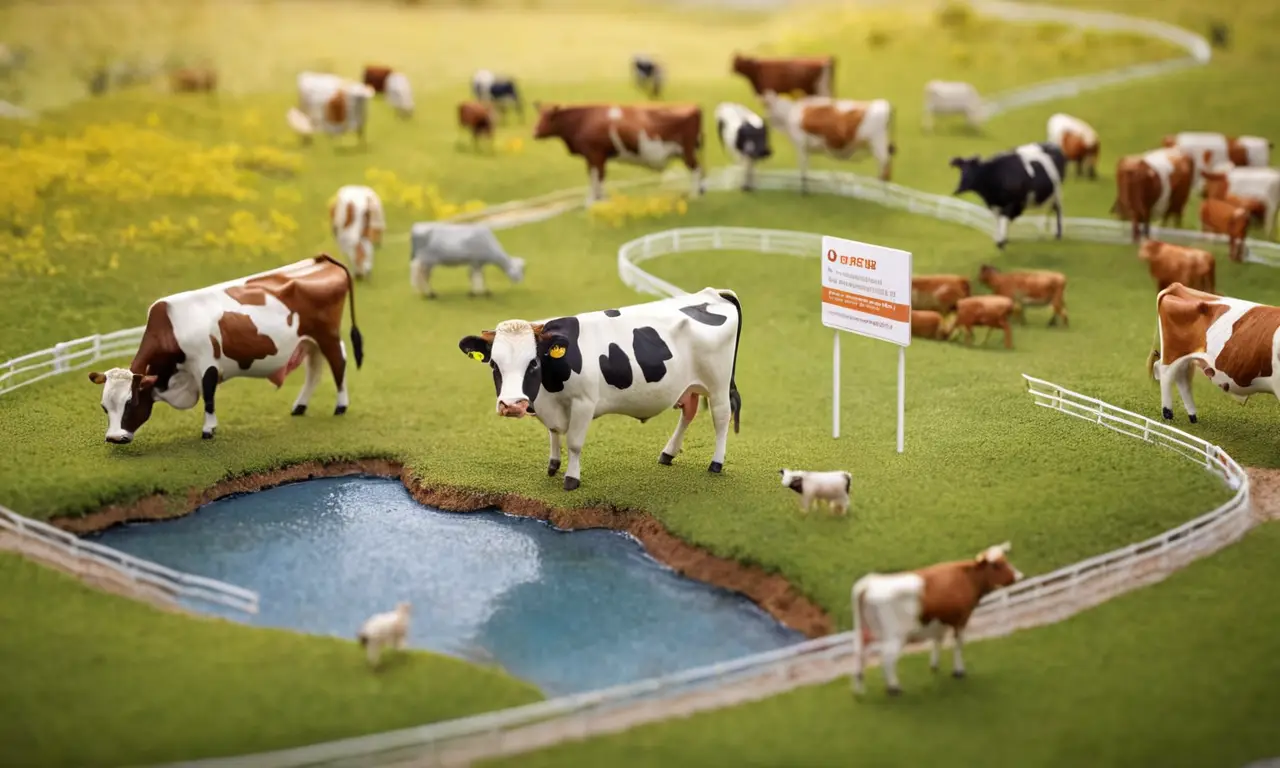
Common Cattle Diseases: Prevention & Management Guide
Cattle farming is a cornerstone of global agriculture, providing essential protein and economic opportunities. However, the health of cattle is paramount to the success and sustainability of any farm. Common cattle diseases pose significant threats, leading to economic losses through reduced productivity, increased mortality, and costly treatments. This comprehensive guide will delve into the most prevalent diseases affecting cattle, offering insights into their causes, symptoms, diagnosis, and, most importantly, effective prevention and management strategies. Understanding these diseases is crucial for any cattle producer aiming to maintain a healthy and profitable herd.
𝙲𝚘𝚗𝚝𝚎𝚗𝚝
Understanding the Landscape of Common Cattle Diseases
The health of a cattle herd is influenced by a multitude of factors, including genetics, environment, nutrition, and the presence of infectious agents. Common cattle diseases can be broadly categorized into infectious and non-infectious conditions. Infectious diseases are caused by pathogens such as bacteria, viruses, fungi, and parasites, and can spread rapidly through a herd. Non-infectious diseases, on the other hand, are often related to nutritional deficiencies, metabolic imbalances, injuries, or genetic predispositions.
Infectious Diseases: The Invisible Threat
Infectious diseases are a constant concern for cattle farmers. Their ability to spread quickly can decimate a herd if not managed effectively.
Respiratory Diseases
Bovine Respiratory Disease (BRD), often referred to as "shipping fever," is a leading cause of morbidity and mortality in cattle, especially in young animals recently introduced to feedlots or commingled with new groups.
- Causes: BRD is typically caused by a complex interplay of viral and bacterial pathogens, including Bovine Herpesvirus-1 (BHV-1), Bovine Viral Diarrhea Virus (BVDV), Parainfluenza-3 (PI3), and Bovine Respiratory Syncytial Virus (BRSV). These viruses can weaken the respiratory tract, making it susceptible to secondary bacterial infections by organisms like Mannheimia haemolytica, Pasteurella multocida, and Histophilus somni. Stress from transportation, weaning, and mixing of animals are significant predisposing factors.
- Symptoms: Early signs of BRD include fever, lethargy, nasal discharge (initially clear, becoming cloudy), coughing, increased respiratory rate, and reduced appetite. In severe cases, difficulty breathing, sunken eyes, and ear droop may be observed.
- Diagnosis: Diagnosis is typically based on clinical signs, physical examination, and sometimes diagnostic tests like nasal swabs for PCR analysis of viral and bacterial agents or necropsy for more definitive findings.
- Prevention & Management: Vaccination against common BRD viruses is a cornerstone of prevention. Implementing biosecurity measures, minimizing stress during transportation and weaning, and ensuring adequate ventilation and housing are crucial. Early detection and prompt treatment with antibiotics and anti-inflammatory drugs are vital for successful management.
Gastrointestinal Diseases
Diseases affecting the digestive system can lead to severe dehydration, malnourishment, and death.
-
Bovine Viral Diarrhea (BVD): BVD is a highly contagious viral disease that affects cattle of all ages. It can manifest in various forms, from subclinical infections to severe hemorrhagic syndromes.
- Causes: Caused by the Bovine Viral Diarrhea Virus (BVDV), which exists as two biotypes (cytopathic and non-cytopathic) and two genotypes (Type 1 and Type 2). Persistently infected (PI) animals, those infected in utero by a non-cytopathic BVDV, are the primary source of infection.
- Symptoms: Symptoms vary widely and can include fever, lethargy, loss of appetite, nasal and ocular discharge, diarrhea, abortions, and birth defects in calves born to infected mothers. The hemorrhagic form can cause bleeding from various orifices.
- Diagnosis: Serological tests (ELISA, virus neutralization) to detect antibodies, and diagnostic tests on blood, tissue, or fecal samples to detect the virus itself.
- Prevention & Management: A comprehensive BVD control program involves testing and removal of PI animals, vaccination, and strict biosecurity.
-
Bacterial Enteritis (e.g., Johne's Disease, Salmonellosis):
-
Johne's Disease (Paratuberculosis): A chronic, contagious bacterial infection caused by Mycobacterium avium subspecies paratuberculosis. It affects the small intestine, leading to progressive thickening of the intestinal wall and malabsorption of nutrients.
- Symptoms: Gradual weight loss, diarrhea (initially intermittent, then persistent), and decreased milk production, often without fever. The disease progresses slowly and can take years to manifest.
- Diagnosis: Fecal culture, ELISA, and PCR.
- Prevention & Management: No cure exists. Management focuses on prevention through identifying and removing infected animals, maintaining clean environments, and avoiding contamination of feed and water.
-
Salmonellosis: Caused by various Salmonella species. Stress, overcrowding, and poor sanitation are common predisposing factors.
- Symptoms: Fever, lethargy, loss of appetite, diarrhea (often bloody and foul-smelling), abdominal pain, and dehydration. Can be fatal, especially in young calves.
- Diagnosis: Fecal culture.
- Prevention & Management: Good sanitation, stress reduction, vaccination (in some cases), and prompt treatment with antibiotics and supportive care.
-
Mastitis
Mastitis is an inflammation of the mammary gland, typically caused by bacterial infections. It is a significant economic problem in dairy herds and can affect beef cows as well.
Puppy Training Mistakes: Avoid These Common Errors- Causes: Primarily bacterial pathogens, with Staphylococcus aureus and Streptococcus agalactiae being common contagious pathogens, and environmental bacteria like Escherichia coli and Pseudomonas species being significant. Overcrowding, poor milking hygiene, and udder injuries can predispose cows to mastitis.
- Symptoms: Can range from subclinical (undetectable by eye) to clinical, characterized by swelling, redness, heat, and pain of the udder, and abnormal milk (clots, watery appearance, discoloration). Systemic signs like fever and lethargy can occur in severe cases.
- Diagnosis: Clinical signs, somatic cell count (SCC) of milk, and bacterial culture of milk samples.
- Prevention & Management: Strict hygiene during milking, proper milking machine function, effective udder disinfection, regular monitoring of SCC, prompt treatment of clinical cases, and vaccination (for some pathogens) are key.
Reproductive Diseases
Reproductive health is vital for the continuous production cycle in cattle.
-
Brucellosis: A bacterial disease caused by Brucella abortus, which can cause abortions, infertility, and undulant fever in humans.
- Symptoms: Abortions, retained placentas, reduced fertility, and enlarged lymph nodes.
- Diagnosis: Blood tests (serology).
- Prevention & Management: Vaccination of heifers is a critical control measure. Strict biosecurity, testing and culling of infected animals, and adherence to eradication programs are essential.
-
Leptospirosis: A bacterial disease caused by Leptospira species. It can affect various organs, including the reproductive tract.
- Symptoms: Abortions, stillbirths, reduced fertility, and sometimes kidney damage and fever.
- Diagnosis: Blood tests (serology) and isolation of the bacteria from urine or aborted fetuses.
- Prevention & Management: Vaccination and controlling rodents (a common reservoir for some Leptospira serovars) can help prevent outbreaks.
Non-Infectious Diseases: The Metabolic and Nutritional Challenges
While infectious diseases are often the most dramatic, non-infectious conditions can silently impact herd health and productivity.
Metabolic Diseases
These diseases are often linked to imbalances in the cow's metabolism, particularly around calving.
-
Milk Fever (Hypocalcemia): A common metabolic disorder in high-producing dairy cows shortly after calving.
- Causes: A sudden drop in blood calcium levels due to the high demand for calcium in milk production exceeding the cow's ability to absorb or mobilize calcium from bone.
- Symptoms: Muscle weakness, tremors, lack of coordination, lying down (downer cow), and in severe cases, coma and death.
- Diagnosis: Clinical signs and blood calcium levels.
- Prevention & Management: Proper pre-calving nutrition to prepare the cow's calcium metabolism, including a carefully balanced dry period diet, and prompt treatment with intravenous calcium.
-
Ketosis: A metabolic disorder characterized by a negative energy balance, where the cow mobilizes excessive body fat for energy, leading to the production of ketones.
- Causes: Insufficient energy intake, especially in early lactation, due to poor appetite or high energy demands.
- Symptoms: Reduced appetite, decreased milk production, weight loss, and a characteristic sweetish odor on the breath due to ketones. Neurological signs can occur in severe cases.
- Diagnosis: Ketone levels in urine, blood, or milk.
- Prevention & Management: Ensuring adequate energy intake during the transition and early lactation periods, managing feed intake, and treating with glucose precursors or intravenous glucose.
Nutritional Deficiencies
A well-balanced diet is fundamental to cattle health. Deficiencies in essential nutrients can lead to a range of problems.
-
Mineral Deficiencies: Deficiencies in macro-minerals like calcium, phosphorus, and magnesium, and trace minerals like copper, selenium, and zinc, can cause reduced growth, poor reproduction, weakened immune systems, and skeletal problems.
- Symptoms: Varies greatly depending on the specific mineral deficiency, but can include poor appetite, weight loss, lameness, infertility, and increased susceptibility to infections.
- Diagnosis: Blood and tissue analysis, and assessment of diet.
- Prevention & Management: Providing a balanced ration formulated with appropriate mineral supplements based on soil and forage analysis, and the specific needs of the cattle.
-
Vitamin Deficiencies: Deficiencies in vitamins A, D, and E are more common, especially in cattle fed predominantly with stored forages or under conditions of poor sunlight exposure.
Dog Punishment Consequences: What Every Owner Needs To Know- Symptoms: Vitamin A deficiency can cause poor vision, reproductive issues, and increased susceptibility to infections. Vitamin D deficiency can lead to bone problems. Vitamin E deficiency can impair immune function and muscle health.
- Diagnosis: Blood tests and dietary assessment.
- Prevention & Management: Supplementation with vitamins in feed or water, especially during periods of stress or when forage quality is low.
Parasitic Diseases: Internal and External Threats
Parasites can significantly impact cattle health, leading to reduced growth, decreased productivity, and increased susceptibility to other diseases.
Internal Parasites (Gastrointestinal Nematodes)
Commonly known as "worms," these parasites reside in the digestive tract.
- Causes: Infection occurs by ingesting infective larvae from contaminated pastures.
- Symptoms: Reduced weight gain, diarrhea, rough hair coat, pot-bellied appearance in calves, and anemia in severe cases.
- Diagnosis: Fecal egg counts.
- Prevention & Management: Strategic deworming based on fecal egg counts, pasture management (rotational grazing), and maintaining good nutrition.
External Parasites
These include ticks, lice, mites, and flies.
- Ticks: Can transmit various diseases and cause anemia, hide damage, and reduced productivity.
- Lice and Mites: Cause itching, hair loss, and skin irritation, leading to reduced weight gain and increased stress.
- Flies: Annoyance, irritation, reduced feeding time, and can transmit diseases like pink eye.
- Prevention & Management: Use of approved insecticides (pour-ons, sprays, dips), ear tags, pasture management, and good sanitation.
Proactive Strategies for Disease Prevention and Management
Preventing common cattle diseases is far more cost-effective and humane than treating them once they appear. A robust biosecurity and herd health management program is essential.
Biosecurity: The First Line of Defense
Biosecurity refers to the measures taken to prevent the introduction and spread of diseases onto a farm.
- Isolation/Quarantine: New animals should be isolated for a minimum of 30 days, observed for any signs of illness, and tested for relevant diseases before being introduced to the main herd.
- Controlled Access: Limit access to the farm and animal housing areas to essential personnel.
- Traffic Control: Manage the movement of vehicles, equipment, and people between different areas of the farm to prevent disease transmission.
- Sanitation: Maintain clean housing, feeding, and watering facilities. Disinfect equipment regularly.
Vaccination Programs
Vaccination is a critical tool for preventing many infectious diseases. A veterinarian should develop a tailored vaccination program based on the specific diseases prevalent in the region and the type of cattle operation.
- Core Vaccines: Typically include vaccines against BVD, IBR (Infectious Bovine Rhinotracheitis), PI3, BRSV, and clostridial diseases.
- Risk-Based Vaccines: Depending on the farm's specific risks, vaccines for other diseases like leptospirosis, foot rot, and mastitis may be recommended.
Nutrition and Feeding Management
A balanced diet is the foundation of good health.
- Transition Period Management: Carefully manage the nutrition of cows before and after calving to prevent metabolic diseases.
- Adequate Forage Quality: Ensure access to high-quality forages, supplemented as needed with grains and mineral/vitamin premixes.
- Water Availability: Clean, fresh water must be available at all times.
Herd Health Monitoring
Regular observation and monitoring of the herd are crucial for early detection of problems.
- Daily Observation: Observe all animals daily for signs of illness, injury, or abnormal behavior.
- Record Keeping: Maintain accurate records of vaccinations, treatments, births, deaths, and production parameters. This helps identify trends and patterns.
- Regular Veterinary Consultations: Work closely with a veterinarian to develop and implement herd health plans, conduct routine health checks, and respond to disease outbreaks.
Environmental Management
The living environment of cattle plays a significant role in their health.
- Ventilation: Ensure adequate ventilation in housing to reduce the buildup of ammonia and moisture, which can contribute to respiratory diseases.
- Bedding: Provide clean, dry bedding to prevent foot problems and reduce exposure to pathogens.
- Stocking Density: Avoid overcrowding, which can stress animals and facilitate disease transmission.
In summary
Common cattle diseases present a continuous challenge to cattle producers, impacting animal welfare and economic viability. However, by understanding the causes, symptoms, and transmission routes of these diseases, and by implementing a comprehensive and proactive approach to prevention and management, farmers can significantly mitigate their impact. A strong emphasis on biosecurity, strategic vaccination, optimal nutrition, vigilant herd health monitoring, and good environmental management, in collaboration with veterinary professionals, forms the bedrock of a healthy and productive cattle operation. Investing in the health of the herd is an investment in the future of the farm.
How to Correct a Dog's Behavior: A Comprehensive Guide
Mastering Dog Training: Defense & Attack Techniques

Dog Behavior Expert: When Your Pet Needs Guidance

Stop Garden Holes: Effective Ways to Prevent Dog Digging

Overcoming Canine Insecurity & Fear: A Comprehensive Guide

Stop Male Dog Fights: Expert Tips for Harmony

Teach Your Dog to Give Paw: A Simple Guide
Related posts