
Pug Health: Common Diseases of the Pug Dog
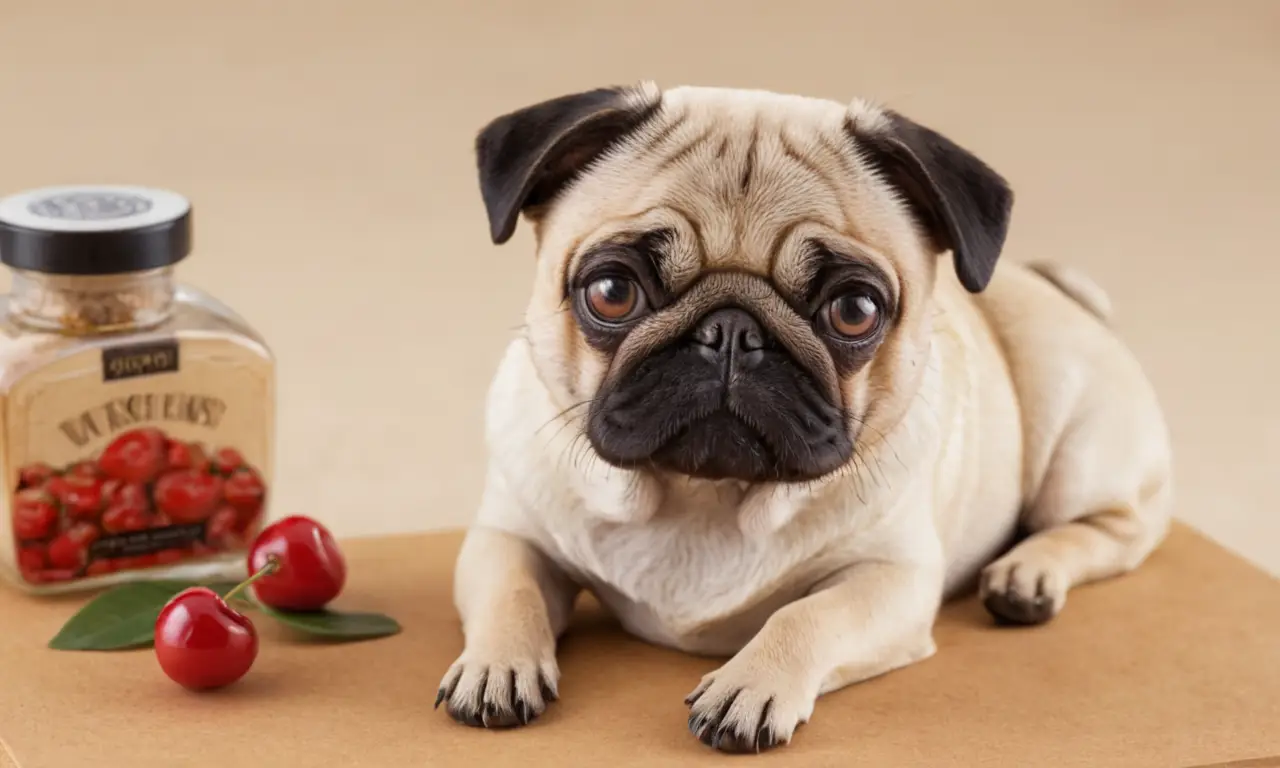
Pug Health: Common Diseases of the Pug Dog
The Pug, with its distinctive wrinkled face and charming personality, is a beloved companion animal for many. However, their unique physical characteristics also predispose them to a range of health issues. Understanding these potential ailments is crucial for any Pug owner to ensure their furry friend lives a long, happy, and healthy life. This comprehensive guide will delve into the Common diseases of the pug or pug dog, offering insights into symptoms, causes, and preventative measures.
𝙲𝚘𝚗𝚝𝚎𝚗𝚝
Respiratory Issues: The Brachycephalic Challenge
One of the most prominent health concerns for Pugs stems from their brachycephalic (short-nosed) facial structure. This anatomical trait, while endearing, significantly impacts their respiratory system, leading to a condition known as Brachycephalic Obstructive Airway Syndrome (BOAS).
Brachycephalic Obstructive Airway Syndrome (BOAS)
BOAS is not a single disease but a spectrum of conditions caused by the narrowed airways in brachycephalic breeds. Pugs are particularly susceptible due to their shortened muzzle, which results in:
- Elongated Soft Palate: The soft palate at the back of the throat can be excessively long, hanging down and obstructing airflow into the trachea.
- Stenotic Nares: The nostrils are often narrow and collapsed, making it difficult for air to enter the nasal passages.
- Everted Laryngeal Saccules: Small pockets in the larynx can become inflamed and swollen, further obstructing the airway.
- Tracheal Hypoplasia: The trachea (windpipe) can be underdeveloped and narrower than normal.
Symptoms of BOAS:
- Snorting, snuffling, and noisy breathing, especially during exertion or excitement.
- Gagging or choking sounds.
- Difficulty breathing, particularly in warm weather or during physical activity.
- Exercise intolerance.
- Bluish discoloration of the gums or tongue (cyanosis) in severe cases.
- Sleep apnea or frequent pauses in breathing during sleep.
Management and Prevention:
While BOAS is largely genetic, owners can manage and mitigate its effects:
- Weight Management: Keeping your Pug at a healthy weight is paramount. Excess weight puts added pressure on their airways.
- Avoidance of Overexertion: Limit strenuous exercise, especially in hot or humid conditions.
- Cool Environment: Ensure your Pug is kept in a cool, well-ventilated environment.
- Specialized Collars: Avoid tight collars that can constrict the trachea. Consider a harness for walks.
- Surgical Intervention: In severe cases, surgery may be recommended to widen the nostrils, shorten the soft palate, or remove everted laryngeal saccules. This is often considered a last resort but can significantly improve quality of life.
Eye Conditions: The Vulnerable Gaze
The Pugs' large, protruding eyes, while a defining feature, also make them prone to several eye conditions.
Entropion and Ectropion
These are common eyelid abnormalities:
- Entropion: The eyelid rolls inward, causing eyelashes and fur to rub against the cornea, leading to irritation, inflammation, and potential ulceration.
- Ectropion: The eyelid rolls outward, exposing the conjunctiva (the pink membrane lining the eyelid) and the cornea to dryness, irritation, and infection.
Symptoms:
- Excessive tearing.
- Redness and inflammation of the eye.
- Squinting.
- Rubbing the eyes with paws.
- Discharge.
Management and Prevention:
- Regular Cleaning: Gently clean around the eyes to remove debris and discharge.
- Eye Lubricants: Your veterinarian may recommend artificial tears or lubricating ointments.
- Surgery: Surgical correction is often necessary to permanently resolve entropion and ectropion.
Cherry Eye (Prolapsed Nictitans Gland)
This condition occurs when the gland of the third eyelid prolapses (protrudes) and appears as a red, fleshy mass in the corner of the eye. It can affect one or both eyes.
Symptoms:
Cat Parasites: Identify & Treat Common External Foe- A visible red mass in the eye.
- Tearing and eye discharge.
- Swelling.
Management and Prevention:
- Veterinary Care: Prompt veterinary attention is essential.
- Surgery: Surgical repositioning of the gland is the standard treatment to prevent recurrence.
Corneal Ulcers
Due to their protruding eyes, Pugs are more susceptible to corneal abrasions and ulcers from minor injuries, such as scratches from their own paws or foreign objects.
Symptoms:
- Cloudiness of the cornea.
- Excessive tearing.
- Squinting and pain.
- Rubbing the eye.
Management and Prevention:
- Immediate Veterinary Care: Corneal ulcers require urgent veterinary treatment to prevent infection and permanent vision loss.
- Protective Collars: An Elizabethan collar (cone) may be necessary to prevent the dog from pawing at the eye.
- Medication: Antibiotic and anti-inflammatory eye drops are typically prescribed.
Skin Fold Dermatitis: The Wrinkled Predicament
The deep facial wrinkles that give Pugs their characteristic look can also be a breeding ground for bacteria and yeast, leading to skin fold dermatitis.
Skin Fold Dermatitis (Intertrigo)
This inflammatory condition affects the folds of the skin, especially on the face, but can also occur in other body folds. Moisture, warmth, and trapped debris create an ideal environment for opportunistic microorganisms.
Symptoms:
- Redness and inflammation within the skin folds.
- Odor.
- Discharge (can be clear, white, or yellow).
- Itching and discomfort.
- Hair loss in the affected areas.
Management and Prevention:
- Regular Cleaning: Clean the wrinkles daily with a veterinarian-approved cleanser or wipes. Ensure the folds are thoroughly dried afterwards.
- Topical Medications: Antiseptic or antifungal creams and ointments may be prescribed by your vet.
- Antibiotics: In cases of bacterial infection, oral antibiotics might be necessary.
- Dietary Considerations: Sometimes, allergies can contribute to skin issues. Working with your vet to identify and manage potential allergens can be beneficial.
Neurological Disorders: The Brain's Vulnerabilities
Pugs can also be predisposed to certain neurological conditions, often linked to their skull structure.
Pug Dog Encephalitis (PDE) / Necrotizing Meningoencephalitis (NME)
This is a severe and often fatal inflammatory disease of the brain that primarily affects Pugs. The exact cause is unknown, but it is believed to be an autoimmune disorder.
Symptoms:
- Seizures.
- Head pressing.
- Disorientation and circling.
- Vision loss.
- Neck pain.
- Coma.
Management and Prevention:
Guinea Pig Diet: Recommended Fruits & Vegetables Guide- Early Diagnosis: Prompt diagnosis by a veterinary neurologist is critical.
- Treatment: Treatment often involves immunosuppressive medications like corticosteroids. However, the prognosis is often guarded.
- Genetic Testing: While there isn't a direct genetic test for PDE, understanding the breed's predisposition is important. Responsible breeding practices can help reduce its incidence.
Atlantoaxial Instability (AAI)
This condition involves instability between the first two cervical vertebrae (C1 and C2). In Pugs, it can be due to a malformation of these vertebrae. The instability can lead to compression of the spinal cord.
Symptoms:
- Neck pain.
- Reluctance to move the head.
- Wobbling or incoordination (ataxia).
- Weakness in the limbs.
- Paralysis in severe cases.
Management and Prevention:
- Veterinary Diagnosis: Diagnosis is typically made through X-rays and sometimes MRI.
- Conservative Management: Rest, pain medication, and anti-inflammatory drugs can help manage mild cases.
- Surgery: In severe cases, surgical stabilization of the vertebrae may be an option.
Other Common Health Concerns
Beyond the more prominent issues, Pugs can also experience:
Hip Dysplasia
While more commonly associated with larger breeds, Pugs can also develop hip dysplasia, a malformation of the hip joint that can lead to arthritis and pain.
Symptoms:
- Lameness, especially after exercise.
- Difficulty rising.
- Bunny hopping gait.
Management:
- Weight Management: Crucial for reducing stress on the joints.
- Pain Management: Anti-inflammatory medications and joint supplements.
- Surgery: In severe cases, hip replacement may be considered.
Demodectic Mange
Caused by Demodex mites, which are naturally present on dogs' skin, this condition can become problematic in Pugs, especially if their immune system is compromised. It typically manifests in two forms:
- Localized Demodectic Mange: Patches of hair loss, redness, and scaling, usually on the face or legs.
- Generalized Demodectic Mange: More widespread hair loss, skin inflammation, and secondary bacterial infections.
Management:
- Veterinary Diagnosis: Microscopic examination of skin scrapings.
- Medication: Topical or oral antiparasitic medications.
- Supportive Care: Treating secondary infections.
Allergies
Like many breeds, Pugs can suffer from environmental or food allergies, which can manifest as skin problems (itching, redness, infections) or gastrointestinal issues.
Management:
- Veterinary Consultation: Identifying the allergen through elimination diets or skin testing.
- Treatment: Antihistamines, immunotherapy, or dietary changes.
Ensuring a Healthy Life for Your Pug
Caring for a Pug involves vigilance and proactive health management. Regular veterinary check-ups are essential for early detection and treatment of any developing issues. By understanding the Common diseases of the pug or pug dog, owners can be better equipped to provide the specialized care their beloved companions need to thrive. Prioritizing a healthy weight, proper grooming, a cool environment, and prompt attention to any signs of illness will go a long way in ensuring your Pug enjoys a long and fulfilling life by your side.
Neutering Dogs: Risks, Complications & Prevention Guide
Cat Urinary Crystals: Types, Symptoms & Treatment Guide

Cat Weight: How Do I Know If My Cat Is Fat?
Encephalitis in Dogs: Symptoms, Causes & Treatment
Dog Cavities: Causes, Symptoms, and Treatment Options
Natural Flea Relief: Home Remedies for Fleas in Cats

Newborn Puppy Feeding Guide: From Birth to Weaning
Related posts