

Guinea Pig Diet: Recommended Fruits & Vegetables Guide
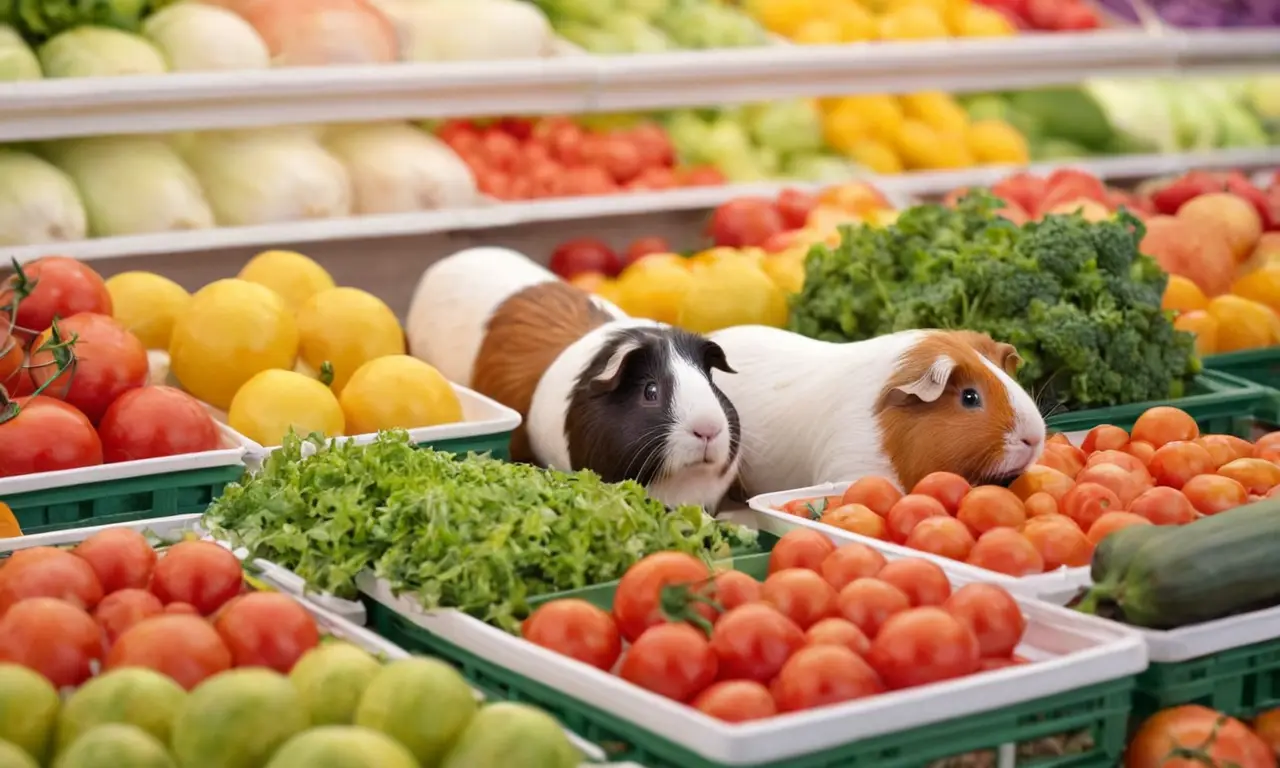
Guinea Pig Diet: Recommended Fruits & Vegetables Guide
Understanding the dietary needs of your guinea pig is crucial for their health and well-being. Guinea pigs, unlike many other small pets, cannot produce their own Vitamin C, making it essential to provide them with fruits and vegetables rich in this nutrient daily. This comprehensive guide will outline a complete list of recommended fruits and vegetables for guinea pigs, detailing their benefits, preparation methods, and important considerations to ensure your furry friend thrives. A balanced diet, incorporating a variety of fresh produce, is the cornerstone of a happy and healthy guinea pig life.
𝙲𝚘𝚗𝚝𝚎𝚗𝚝
The Importance of Vitamin C for Guinea Pigs
As obligate herbivores, guinea pigs rely heavily on fresh produce for their nutritional needs. One of the most critical nutrients they require is Vitamin C. Guinea pigs, like humans and primates, lack the enzyme L-gulonolactone oxidase, which is necessary for synthesizing Vitamin C in their bodies. Therefore, a deficiency can lead to scurvy, a serious and potentially fatal condition characterized by symptoms such as lethargy, poor appetite, weight loss, rough fur, lameness, swelling of the gums, and even internal bleeding. Regular inclusion of Vitamin C-rich foods in their diet is not just beneficial; it's a life-saving necessity.
Hay: The Staple of a Guinea Pig's Diet
Before delving into fruits and vegetables, it's vital to emphasize that hay should form the bulk of a guinea pig's diet, comprising about 80%. High-quality timothy hay or other grass hays should be available 24/7. Hay provides essential fiber for digestion, helps wear down their ever-growing teeth, and contributes to overall gut health. Pellets, a good quality timothy-based pellet specifically formulated for guinea pigs, should be given in limited quantities (about 1/8 cup per guinea pig per day). The remainder of their diet should consist of fresh vegetables and a small amount of fruit.
Neutering Dogs: Risks, Complications & Prevention GuideRecommended Vegetables for Guinea Pigs
The cornerstone of a guinea pig's fresh food diet should be a variety of leafy green vegetables. Aim to offer at least one cup of mixed vegetables per guinea pig per day, divided into two servings.
Leafy Greens: The Daily Powerhouses
These are generally safe and highly recommended for daily consumption:
- Romaine Lettuce: A good source of Vitamin A and K, and provides hydration. Avoid iceberg lettuce as it has low nutritional value and can cause diarrhea.
- Red Leaf Lettuce & Green Leaf Lettuce: Similar to romaine, offering good vitamins and minerals.
- Kale: An excellent source of Vitamin C, calcium, and other nutrients. However, due to its high calcium content, it should be offered in moderation and not as the sole leafy green. Too much calcium can contribute to bladder stones.
- Spinach: Rich in Vitamin C, iron, and Vitamin K. Like kale, it also contains oxalates, which can bind to calcium. Therefore, spinach should be fed in moderation, and not daily, to avoid potential kidney issues.
- Parsley: A nutrient-dense herb, high in Vitamin C and iron. It also has a pleasant aroma and flavor that guinea pigs often enjoy.
- Cilantro (Coriander): Another herb packed with Vitamin C and antioxidants.
- Dandelion Greens: A fantastic source of Vitamin A, C, and calcium. Ensure they are from a pesticide-free area.
- Endive: Provides a slightly bitter taste that many guinea pigs enjoy, along with vitamins and minerals.
- Arugula: A peppery green with good Vitamin C content.
Other Safe Vegetables: To Be Fed in Moderation
These vegetables can be offered a few times a week, in smaller quantities, due to their starch content or other specific properties:
Cat Conjunctivitis: Causes, Symptoms & Effective Treatments- Bell Peppers (all colors): An exceptional source of Vitamin C. Red, yellow, and orange bell peppers generally have higher Vitamin C content than green ones. Remove seeds and membranes as they can be harder to digest.
- Cucumber: Primarily water, it's hydrating and low in calories. Good for a refreshing treat.
- Carrots: A good source of Vitamin A, but also high in sugar. Offer in small amounts due to their sugar content and potential for dental issues if overfed due to their hardness.
- Broccoli (Stems and Florets): High in Vitamin C. However, some guinea pigs can experience gas from broccoli, so introduce it slowly and monitor your pet.
- Cauliflower (Stems and Florets): Similar to broccoli, it's a good source of Vitamin C but can cause gas in some individuals.
- Celery: Provides fiber and is hydrating. Chop it into small, manageable pieces to prevent choking.
- Zucchini: Low in calories and a good source of hydration.
- Tomatoes (small quantities, ripe): Guinea pigs can eat the flesh of ripe tomatoes, but avoid the green parts (leaves and stems) as they are toxic. Tomatoes are acidic and should be fed sparingly.
Recommended Fruits for Guinea Pigs
Fruits are higher in sugar than vegetables and should therefore be given as occasional treats, rather than daily staples. Offer a small piece (about a tablespoon per guinea pig) a few times a week.
Excellent Fruit Choices: For Occasional Treats
- Berries (Strawberries, Blueberries, Raspberries): These are packed with Vitamin C and antioxidants. Offer them in moderation due to their sugar content. Remove stems from strawberries.
- Apple (seedless, small slices): A good source of Vitamin C and fiber. Crucially, always remove the seeds, as they contain cyanide compounds.
- Pear (small slices, seedless): Similar to apples, offer in moderation and remove seeds.
- Melon (Watermelon, Cantaloupe, Honeydew): High in water content, these are very hydrating. Offer small pieces without the rind or seeds.
- Kiwi: An excellent source of Vitamin C.
- Orange (small segments, no peel or seeds): Guinea pigs can have small pieces of orange for their Vitamin C boost, but the acidity can be an issue if fed too often. Remove the peel and seeds.
- Mango (small pieces, no pit): High in Vitamin A and C, but also high in sugar. Feed very sparingly.
- Papaya (small pieces, no seeds): Good for digestion due to its enzymes, but also high in sugar.
Fruits and Vegetables to Avoid
Some foods are toxic or unhealthy for guinea pigs and should be strictly avoided.
- Onions and Garlic: Toxic to guinea pigs and can cause serious health problems.
- Potatoes (all types): High in starch and can cause digestive upset. The green parts are toxic.
- Rhubarb: Contains oxalic acid, which is toxic.
- Avocado: High in fat and can be toxic.
- Lettuce Iceberg: Very low nutritional value and can cause diarrhea.
- Beans (cooked or uncooked): Can cause digestive upset and gas.
- Broccoli and Cauliflower (excessive amounts): Can cause gas and bloating.
- Corn: Difficult to digest and can cause blockages.
- Grains, Seeds, Nuts: Not part of a guinea pig's natural diet and can cause digestive issues.
- Dairy Products and Meat: Guinea pigs are herbivores and cannot digest these.
- Processed Human Foods: High in sugar, salt, and artificial ingredients, all detrimental to guinea pig health.
- Citrus Peels and Seeds: While the fruit can be given sparingly, the peels and seeds are not recommended.
- Tomato Leaves and Stems: These parts are toxic.
Preparation and Introduction of New Foods
- Washing: Always wash all fresh produce thoroughly under cool running water to remove pesticides and dirt.
- Cutting: Cut vegetables and fruits into small, manageable pieces to prevent choking. For harder items like carrots or apples, thinly slice them.
- Introducing New Foods: Introduce new fruits and vegetables one at a time and in small quantities. This allows you to monitor your guinea pig for any signs of digestive upset, such as diarrhea or gas. If a new food causes problems, discontinue feeding it.
- Variety is Key: Offer a diverse range of vegetables daily to ensure a broad spectrum of nutrients. Rotate the types of leafy greens and other vegetables to keep their diet interesting and balanced.
- Moderation: Remember that fruits are high in sugar and should be given as occasional treats.
Signs of a Healthy Diet
A guinea pig on a proper diet will exhibit the following signs:
Conjunctivitis in Dogs: Causes, Symptoms & Treatments- Bright and alert eyes.
- Shiny and full coat of fur.
- Good appetite.
- Firm, well-formed droppings.
- Active and curious behavior.
- Healthy weight.
In summary
Providing your guinea pig with a varied diet rich in fresh, appropriate fruits and vegetables is fundamental to their health and longevity. By understanding which foods are safe and beneficial, and which to avoid, you can ensure your guinea pig receives the essential Vitamin C and other nutrients they need to thrive. Always prioritize high-quality hay and a balanced diet, and consult with a veterinarian knowledgeable about guinea pigs if you have any concerns about their nutrition or health. This complete list of recommended fruits and vegetables for guinea pigs serves as a valuable resource for any responsible owner aiming to give their beloved pet the best possible life.
Cat Urinary Crystals: Types, Symptoms & Treatment Guide

Cat Weight: How Do I Know If My Cat Is Fat?

Encephalitis in Dogs: Symptoms, Causes & Treatment

Dog Cavities: Causes, Symptoms, and Treatment Options

Natural Flea Relief: Home Remedies for Fleas in Cats

Newborn Puppy Feeding Guide: From Birth to Weaning
Related posts