

Equine Conjunctivitis: Causes, Symptoms & Effective Treatment
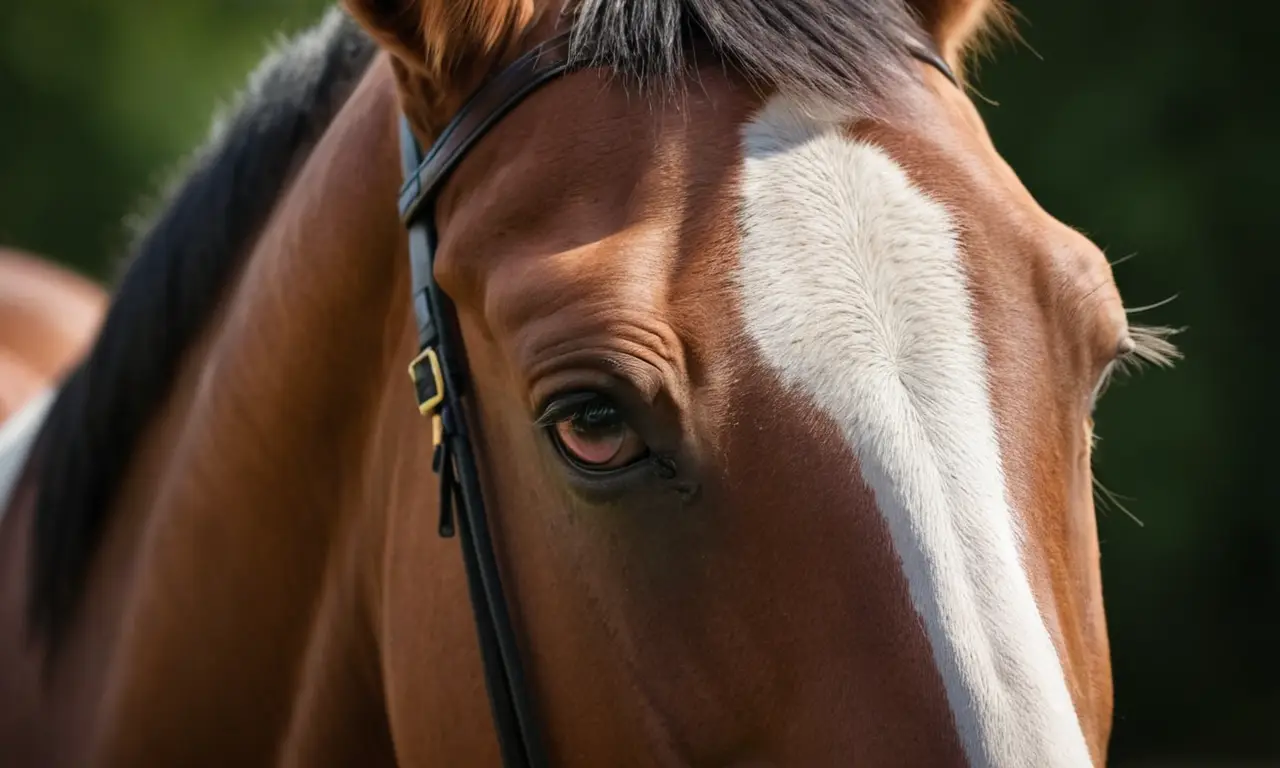
Conjunctivitis in Horses: Causes, Symptoms, and Treatment
Conjunctivitis is a common ocular condition in horses that affects the conjunctiva, the thin, transparent membrane lining the eyelids and covering the white part of the eyeball. It can cause discomfort, pain, and, if left untreated, can lead to more severe complications affecting vision. Understanding the various Conjunctivitis in horses - Causes, symptoms and treatment is crucial for any horse owner to ensure their equine companion's well-being and rapid recovery. This comprehensive guide delves into the common causes, recognizable symptoms, and effective treatment strategies for conjunctivitis in horses.
𝙲𝚘𝚗𝚝𝚎𝚗𝚝
Understanding the Anatomy of the Eye
Before diving into the specifics of conjunctivitis, it's beneficial to understand the relevant anatomy. The conjunctiva is a mucous membrane that serves as a protective barrier against foreign particles and microorganisms. It is richly supplied with blood vessels, which is why inflammation often results in redness. The palpebral conjunctiva lines the inner surface of the eyelids, while the bulbar conjunctiva covers the sclera (the white of the eye) and extends to the limbus, the border between the cornea and the sclera. The tear film, produced by lacrimal glands, also plays a vital role in keeping the conjunctiva moist and clean.
Common Causes of Conjunctivitis in Horses
Conjunctivitis in horses can be triggered by a variety of factors, ranging from environmental irritants to infectious agents. Identifying the underlying cause is the first step in effective treatment.
1. Environmental Irritants
The eyes of horses are particularly susceptible to environmental factors due to their exposed nature and the prevalence of dust and debris in their living environments.
- Dust and Sand: Stables, paddocks, and riding arenas often contain dust and sand. When these particles come into contact with the eye, they can cause mechanical irritation, leading to inflammation of the conjunctiva. This is especially prevalent in dry or windy conditions.
- Pollen and Allergens: Seasonal allergies can affect horses just as they do humans. Pollen from grasses, trees, and weeds can trigger an allergic reaction in the conjunctiva, resulting in redness, itching, and watery discharge.
- Smoke and Fumes: Exposure to smoke from fires, ammonia from urine in poorly ventilated stables, or other noxious fumes can irritate the sensitive conjunctiva, causing inflammation and discomfort.
- Bedding Materials: Certain bedding materials, such as dusty straw or wood shavings, can also act as irritants.
2. Infectious Agents
Infections are a significant cause of conjunctivitis in horses, often leading to more severe symptoms and requiring prompt veterinary intervention.
- Bacterial Infections: Various bacteria, including Staphylococcus, Streptococcus, and Moraxella bovis (a common cause of pinkeye in cattle, which can also affect horses), can infect the conjunctiva. These infections often result in a thicker, purulent discharge.
- Viral Infections: Equine herpesviruses (EHV) and equine influenza viruses can sometimes cause conjunctivitis as a secondary symptom, particularly in conjunction with respiratory infections. Adenoviruses have also been implicated.
- Fungal Infections: While less common, fungal infections can occur, especially in horses with compromised immune systems or following trauma to the eye.
- Chlamydial Infections: Although rare in horses, Chlamydia species can cause conjunctivitis, often characterized by swelling of the third eyelid and a mucoid discharge.
3. Trauma and Foreign Bodies
Physical injury to the eye can easily lead to conjunctivitis.
- Foreign Objects: A stray piece of hay, a grain of sand, an insect, or even a small twig can become lodged under the eyelid or on the surface of the eye, causing irritation and inflammation.
- Rubbing and Pawing: Horses that are itchy or in pain may rub their eyes against fences, walls, or their own legs, leading to abrasions and inflammation of the conjunctiva.
- Biting Insects: Flies, especially horseflies and stable flies, can bite around the eyes, causing irritation and potentially introducing bacteria.
4. Allergic Reactions
Beyond environmental pollens, horses can have specific allergies that manifest in the eyes. This can include reactions to topical medications, certain shampoos, or even components in feed.
5. Ocular Surface Disease
Underlying conditions affecting the cornea or other parts of the eye can also lead to secondary conjunctivitis. For example, a corneal ulcer will almost always be accompanied by conjunctivitis.
Rabbit Conjunctivitis: Symptoms, Causes & Treatment GuideRecognizing the Symptoms of Conjunctivitis
The symptoms of conjunctivitis in horses can vary in severity depending on the cause and the individual horse. However, several key signs are commonly observed.
1. Redness and Swelling
The most visible sign is a noticeable redness of the conjunctiva, often described as "pink eye." The conjunctiva may also appear swollen and inflamed.
2. Discharge
The type of discharge can provide clues about the underlying cause.
- Watery (Serous) Discharge: This is typically seen in mild cases, often due to irritants or early-stage infections. It can lead to a damp appearance around the eye.
- Mucous Discharge: A stringy, white, or clear mucus discharge can indicate a more persistent irritation or a developing infection.
- Purulent Discharge: A thick, yellow or green discharge is a strong indicator of a bacterial infection. This can be sticky and may mat the eyelashes together.
3. Blepharospasm (Eyelid Squinting)
Horses with conjunctivitis often squint or hold their eyelids partially closed. This is a protective reflex to shield the sensitive eye from light and further irritation. Severe squinting can indicate significant pain.
4. Epiphora (Excessive Tearing)
The increased irritation and inflammation stimulate the tear glands to produce more tears, leading to excessive tearing that can run down the horse's face.
5. Swelling of the Third Eyelid
The third eyelid, or nictitating membrane, is a thin, protective membrane that sweeps across the eye from the inner corner. In cases of conjunctivitis, especially those involving significant inflammation or pain, the third eyelid may protrude partially or fully across the eye.
6. Photophobia (Sensitivity to Light)
Horses experiencing conjunctivitis may become sensitive to bright light, preferring to stand in shaded areas or the darker parts of their stalls.
7. Pawing or Rubbing the Eye
As mentioned earlier, discomfort can lead horses to paw at their affected eye with their foreleg or rub it against objects. This should be discouraged as it can worsen the condition.
Conofite for Dogs: Uses, Benefits & Potential Side Effects8. Conjunctival Follicles or Granules
In some chronic or allergic cases, small, raised bumps (follicles) may be visible on the conjunctiva, particularly on the inner surface of the eyelids.
Diagnosis of Conjunctivitis
A diagnosis of Conjunctivitis in horses - Causes, symptoms and treatment typically involves a thorough examination by a veterinarian.
- Ophthalmic Examination: The veterinarian will perform a detailed examination of the eye, including assessing visual acuity, checking for corneal damage, and evaluating the conjunctiva.
- Fluorescein Stain: This diagnostic dye helps identify corneal abrasions or ulcers. If the dye stains the cornea, it indicates damage to the epithelial layer.
- Tear Film Evaluation: The veterinarian may assess the quality and quantity of the tear film.
- Culture and Sensitivity: If a bacterial infection is suspected, a sample of the discharge may be collected for laboratory analysis to identify the specific bacteria and determine the most effective antibiotics.
- Cytology: Examining cells from the conjunctival swab under a microscope can help identify inflammatory cells and rule out other conditions.
Treatment Strategies for Equine Conjunctivitis
The treatment approach for conjunctivitis in horses depends heavily on the underlying cause. Prompt and appropriate treatment is essential to prevent complications and promote healing.
1. Environmental Management
Addressing environmental irritants is often the first and most crucial step.
- Clean Stabling: Ensure the horse's stall is kept clean, well-ventilated, and free of dust.
- Dust Control: Minimize dust in the environment by using dust-free bedding, wetting down arenas before use, and avoiding activities that stir up dust.
- Fly Control: Implement effective fly control measures, such as fly masks, repellents, and environmental management to reduce fly populations around the horse's face.
- Shade: Provide ample shade in paddocks and pastures to protect sensitive eyes from bright sunlight.
2. Medical Treatment
Veterinary prescribed medications are usually necessary for treating conjunctivitis.
- Antibiotic Ointments or Drops: For bacterial infections, topical antibiotics are commonly prescribed. These are applied directly to the eye several times a day. Examples include formulations containing Neomycin, Polymyxin B, and Bacitracin, or Gentamicin.
- Anti-inflammatory Medications: Corticosteroids (e.g., dexamethasone) or non-steroidal anti-inflammatory drugs (NSAIDs) may be used to reduce inflammation and pain. These are often combined with antibiotics in cases of bacterial infection. However, corticosteroids should be used with caution and only under veterinary supervision, as they can exacerbate corneal ulcers.
- Antiviral Medications: In cases of viral conjunctivitis, specific antiviral eye drops may be prescribed, although these are less common.
- Antihistamines or Mast Cell Stabilizers: For allergic conjunctivitis, oral antihistamines or topical mast cell stabilizers might be recommended.
- Lubricants: Artificial tear solutions can help keep the eye moist and soothe irritation, especially in cases of dry eye or environmental irritants.
3. Flushing and Cleaning
Gentle flushing of the eye can help remove irritants and discharge.
- Saline Solution: Sterile saline eye wash solutions are ideal for flushing the eye.
- Diluted Antiseptics: In some cases, a veterinarian may recommend a very dilute antiseptic solution for flushing, but this should only be done under professional guidance.
4. Addressing Underlying Causes
- Foreign Body Removal: If a foreign body is identified, the veterinarian will carefully remove it.
- Corneal Ulcer Treatment: If conjunctivitis is secondary to a corneal ulcer, the treatment will focus on healing the ulcer with appropriate medications, often including atropine to manage pain and dilate the pupil.
5. Supportive Care
- Pain Management: If the horse is in significant pain, the veterinarian may prescribe oral pain relievers.
- Fly Masks: Wearing a well-fitting fly mask can provide significant relief from flies and sunlight, aiding in recovery.
Prevention of Conjunctivitis
While not all cases of conjunctivitis can be prevented, certain practices can significantly reduce the risk.
- Maintain a Clean Environment: Regularly clean stables and remove manure to reduce ammonia fumes and insect breeding grounds.
- Dust Control Measures: Implement dust reduction strategies in the horse's living and working environment.
- Good Ventilation: Ensure adequate ventilation in stables to prevent the buildup of airborne irritants.
- Appropriate Fly Control: Use effective fly masks and repellents, especially during fly season.
- Prompt Treatment of Eye Injuries: Seek veterinary attention immediately for any signs of eye injury, no matter how minor.
- Regular Health Checks: Routine veterinary check-ups can help identify and address underlying health issues that might predispose a horse to eye problems.
When to Call the Veterinarian
It is crucial to contact your veterinarian immediately if you observe any of the following signs:
Cat Constipation: Signs, Causes & Home Relief- Severe squinting or holding the eye tightly closed.
- Thick, colored (yellow or green) discharge.
- Cloudiness of the cornea.
- Visible trauma to the eye.
- The horse appears generally unwell or lethargic.
- Symptoms that do not improve with initial home care or over-the-counter remedies.
Conjunctivitis in horses, while often treatable, requires careful attention and prompt veterinary diagnosis and treatment. By understanding the causes, recognizing the symptoms, and following the recommended treatment and prevention strategies, horse owners can effectively manage this common condition and ensure their horses maintain healthy, comfortable eyes.
Cat Urinary Crystals: Types, Symptoms & Treatment Guide

Cat Weight: How Do I Know If My Cat Is Fat?

Encephalitis in Dogs: Symptoms, Causes & Treatment

Dog Cavities: Causes, Symptoms, and Treatment Options

Natural Flea Relief: Home Remedies for Fleas in Cats

Newborn Puppy Feeding Guide: From Birth to Weaning
Related posts