
Rabbit Constipation: Symptoms, Causes & Effective Treatments
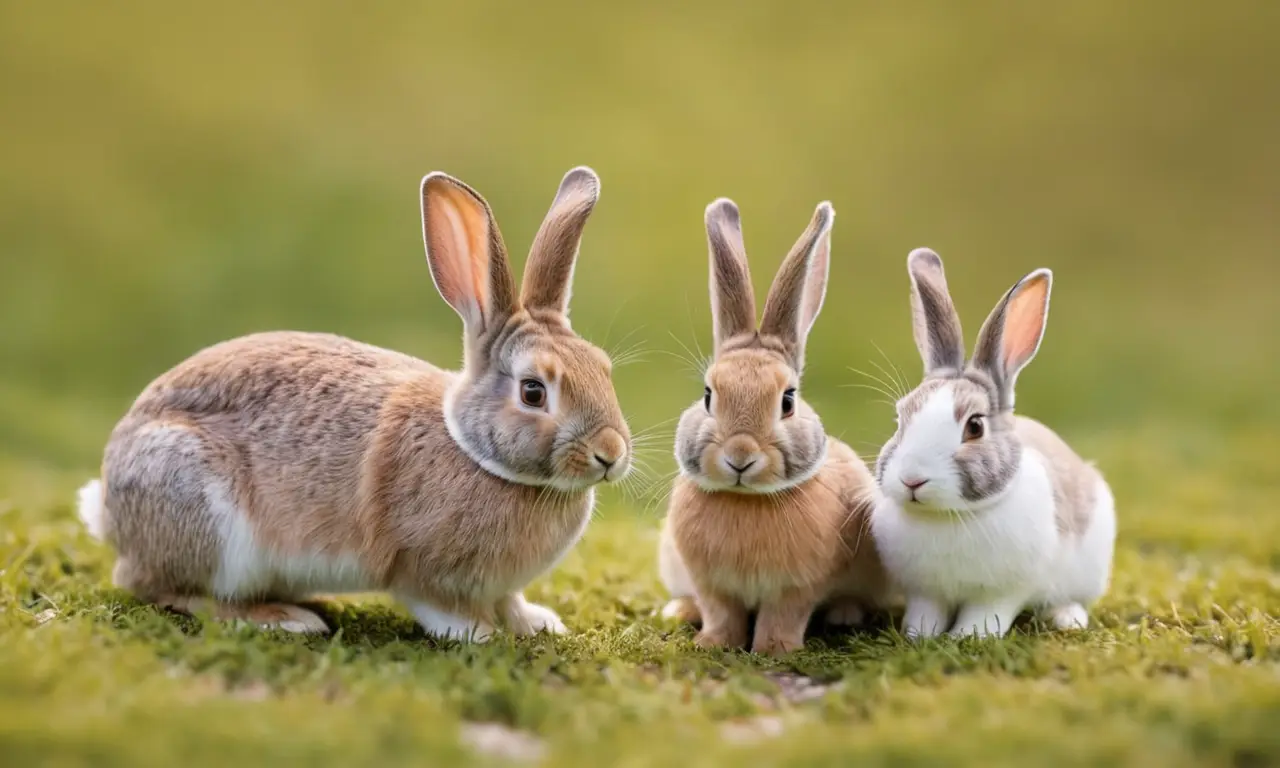
Rabbit Constipation: Symptoms, Causes & Effective Treatments
Constipation in rabbits is a serious condition that requires immediate attention. Understanding the signs, potential causes, and appropriate treatments is crucial for any rabbit owner to ensure their pet's well-being. This comprehensive guide will delve into the intricacies of Constipation in rabbits - Symptoms and treatment, offering valuable insights and actionable advice.
𝙲𝚘𝚗𝚝𝚎𝚗𝚝
- Understanding Rabbit Digestive Systems
- Recognizing the Symptoms of Constipation in Rabbits
- Common Causes of Constipation in Rabbits
- Diagnosing Constipation in Rabbits
- Treatment Strategies for Constipation in Rabbits
- Preventing Constipation in Rabbits
- When to Seek Immediate Veterinary Care
- In summary
Understanding Rabbit Digestive Systems
Rabbits possess a unique and highly sensitive digestive system designed to process large amounts of fibrous plant material. Their gut flora, the complex community of bacteria and other microorganisms in their intestines, plays a vital role in breaking down this fiber, producing essential nutrients like B vitamins and vitamin K. The rabbit's digestive tract is characterized by a long cecum, where fermentation occurs, and a process called "cecotrophy," where they re-ingest nutrient-rich cecotropes (soft fecal pellets) to absorb these vital nutrients. Any disruption to this delicate balance can quickly lead to serious health issues, including constipation.
The rabbit's digestive system is designed for continuous, albeit slow, movement. Food passes through the stomach, small intestine, and then the cecum. The cecum acts as a fermentation vat, breaking down indigestible fiber. After fermentation, the material moves into the large intestine, where water is absorbed, forming the hard fecal pellets we typically see. If this process slows down or stops, it leads to constipation.
Recognizing the Symptoms of Constipation in Rabbits
Early detection is key when it comes to Constipation in rabbits - Symptoms and treatment. Rabbits are prey animals, and their instinct is to hide signs of illness. Therefore, owners must be vigilant in observing their pets' behavior and physical condition. Common signs of constipation in rabbits include:
Constipation in Small Breed Dogs: Causes, Symptoms & Relief- Reduced or Absent Fecal Pellets: This is often the most noticeable sign. Instead of producing numerous, well-formed fecal pellets, you might observe a significant decrease in output, or even a complete absence of droppings. The pellets that are present may be smaller, misshapen, or dry and hard.
- Straining or Difficulty Pooping: You may observe your rabbit straining in their litter box or in a hunched posture, indicating discomfort or difficulty passing stool.
- Lethargy and Reduced Appetite: A constipated rabbit will often become less active, spending more time hiding or appearing generally unwell. They may also show a decreased interest in food, which can exacerbate the problem.
- Abdominal Pain and Bloating: The abdomen may feel firm or bloated to the touch, and your rabbit might react to being touched around their belly, indicating pain.
- Changes in Behavior: This can include teeth grinding (a sign of pain), vocalizations, or a reluctance to move.
- Diarrhea Alternating with Constipation: In some cases, especially if there's a blockage or severe gut stasis, you might see small, watery stools or mucus around the anus, even though the rabbit is constipated. This is because liquid can sometimes bypass a partial blockage.
It's important to differentiate between a temporary reduction in droppings due to diet changes or stress and true constipation, which is a more persistent and concerning issue.
Common Causes of Constipation in Rabbits
Several factors can contribute to Constipation in rabbits - Symptoms and treatment. Understanding these causes can help owners prevent this condition:
- Dietary Imbalances: This is by far the most common cause.
- Insufficient Fiber: A diet lacking in hay or high in processed, sugary, or starchy foods can lead to slow gut motility. Hay should constitute at least 80% of a rabbit's diet.
- Dehydration: Rabbits need constant access to fresh water. If they are not drinking enough, their droppings can become dry and hard, making them difficult to pass.
- Excessive Pellets or Treats: While pellets and treats are part of a rabbit's diet, too many can displace the essential fiber from hay, leading to digestive issues.
- Sudden Diet Changes: Abruptly altering a rabbit's diet can shock their digestive system and lead to problems.
- Hairballs (Gastrointestinal Stasis): Rabbits groom themselves meticulously, and during shedding seasons, they can ingest a significant amount of fur. If this fur doesn't pass through their digestive system adequately, it can form a hairball (trichobezoar) that obstructs the gut. This is a critical emergency.
- Lack of Exercise: Regular exercise is crucial for stimulating gut motility. Rabbits that are confined to small spaces for extended periods may experience slower digestion.
- Stress and Anxiety: Changes in environment, loud noises, the presence of predators, or even a change in household routine can cause stress in rabbits, leading to a slowdown in their digestive processes.
- Dental Problems: Malocclusion or overgrown teeth can make it painful or difficult for a rabbit to chew their food properly. If food isn't chewed sufficiently, it's harder to digest, and indigestible pieces can contribute to blockages.
- Underlying Medical Conditions: Certain illnesses, such as kidney disease, liver problems, or neurological disorders, can affect a rabbit's digestive function and lead to constipation.
- Medications: Some medications can have side effects that slow down gut motility.
Diagnosing Constipation in Rabbits
When you suspect your rabbit is constipated, it's vital to seek veterinary attention immediately. A veterinarian will perform a thorough physical examination to assess the situation. This may include:
- Palpation of the Abdomen: The vet will gently feel the rabbit's abdomen to check for gas, fecal matter, or any masses.
- Listening to Gut Sounds: Using a stethoscope, the vet will listen for normal gut sounds (borborygmi). Reduced or absent sounds can indicate gut stasis.
- Dental Examination: To rule out dental issues as a contributing factor.
- Imaging: X-rays can be crucial for visualizing the contents of the digestive tract, identifying blockages, gas buildup, or the presence of hairballs.
- Blood Tests: To assess overall health and rule out underlying medical conditions.
Treatment Strategies for Constipation in Rabbits
The Constipation in rabbits - Symptoms and treatment approach is multifaceted and depends on the severity of the condition and its underlying cause.
Cat Contraception: Essential Methods for Your Feline FriendImmediate Home Care (Mild Cases - Consult Vet First)
For very mild cases of reduced droppings, where the rabbit is still alert and eating, some initial home care steps under veterinary guidance might be recommended:
- Encourage Hay Consumption: Ensure unlimited access to fresh, high-quality timothy hay.
- Hydration: Ensure fresh water is readily available. Offer water from a bowl as it's often preferred by rabbits. You can also offer small amounts of hydrating vegetables like cucumber or romaine lettuce.
- Gentle Abdominal Massage: A very gentle massage of the abdomen in a clockwise direction can sometimes help stimulate gut movement. Do not apply firm pressure, as this can cause pain or further injury.
- Increased Exercise: Encourage gentle play and movement in a safe environment.
Important Note: If your rabbit is not eating, is lethargic, or shows signs of significant discomfort, do not delay seeking veterinary care. Home remedies are not a substitute for professional medical attention.
Veterinary Treatments
- Fluid Therapy: Dehydration often accompanies constipation. Subcutaneous (under the skin) or intravenous (into a vein) fluids are essential to rehydrate the rabbit and help soften stool.
- Laxatives and Gut Motility Drugs:
- Lactulose: A mild osmotic laxative that draws water into the intestines, helping to soften stool.
- Metoclopramide (Reglan): A prokinetic drug that stimulates gut contractions, helping to move food through the digestive tract.
- Cisapride: Another prokinetic agent that can be very effective in treating GI stasis.
- Simethicone: To help relieve gas buildup.
- Pain Management: Pain relief is crucial, as constipation is very uncomfortable. Veterinarians will prescribe appropriate analgesics.
- Nutritional Support: If the rabbit is not eating, syringe feeding a high-fiber recovery formula (like Oxbow Critical Care) will be necessary to provide nutrition and stimulate gut function.
- Lavage (Flushing): In severe cases, a veterinarian may perform a gentle lavage of the colon to help remove impacted fecal matter. This is a delicate procedure and should only be done by a qualified vet.
- Surgery: In rare cases, if there is a complete blockage caused by a foreign object or a severe hairball that cannot be medically resolved, surgery might be the only option. This is a high-risk procedure.
- Addressing Underlying Causes: The veterinarian will also focus on treating any underlying conditions contributing to the constipation, such as dental disease or other illnesses.
Preventing Constipation in Rabbits
Prevention is always better than cure. By implementing these preventive measures, you can significantly reduce the risk of your rabbit experiencing Constipation in rabbits - Symptoms and treatment:
- High-Fiber Diet: This is paramount.
- Unlimited Fresh Timothy Hay: Always ensure your rabbit has constant access to fresh, good-quality timothy hay. This should be the staple of their diet.
- Limited Pellets: Offer a small, measured amount of high-quality, timothy-based pellets daily. Avoid muesli-style mixes, as rabbits will pick out the unhealthy bits.
- Fresh Greens: Introduce a variety of fresh, leafy green vegetables daily, but in moderation. Good options include romaine lettuce, parsley, cilantro, and dandelion greens. Avoid iceberg lettuce, which has little nutritional value.
- Limited Treats: High-sugar treats like fruits and starchy vegetables should be given very sparingly, if at all.
- Adequate Hydration:
- Constant Access to Fresh Water: Provide fresh water in both a sipper bottle and a heavy ceramic bowl. Bowls are often preferred and can encourage more drinking.
- Monitor Water Intake: Be aware of how much your rabbit is drinking.
- Regular Exercise:
- Daily Out-of-Cage Time: Allow your rabbit several hours of supervised free-roam time in a safe, bunny-proofed area each day to encourage movement and stimulate digestion.
- Regular Grooming:
- Brush Your Rabbit Regularly: Especially during shedding seasons, brush your rabbit frequently to remove loose fur and reduce the amount they ingest. Long-haired breeds will require more frequent grooming.
- Stress Reduction:
- Provide a Safe and Stable Environment: Minimize loud noises, sudden changes, and potential stressors. Ensure their enclosure is a place of security.
- Gentle Handling: Handle your rabbit calmly and gently.
- Regular Veterinary Check-ups:
- Annual Health Exams: Regular check-ups allow your veterinarian to identify potential health issues, including subtle dental problems, before they become severe.
When to Seek Immediate Veterinary Care
It cannot be stressed enough: Constipation in rabbits is a medical emergency. You should contact your veterinarian immediately if you notice any of the following:
Coronavirus and Cats: What We Know About COVID-19- No fecal pellets for 12-24 hours.
- Your rabbit is lethargic, hunched, or showing signs of pain.
- Your rabbit has stopped eating or drinking.
- Your rabbit is experiencing vomiting or severe diarrhea.
- Your rabbit is straining to defecate with no results.
In summary
Constipation in rabbits - Symptoms and treatment is a critical topic for all rabbit owners. By understanding the delicate nature of a rabbit's digestive system, recognizing the warning signs, knowing the potential causes, and acting swiftly when necessary, you can provide your beloved pet with the best chance for a healthy and happy life. Always prioritize a high-fiber diet, adequate hydration, and regular exercise, and never hesitate to seek professional veterinary help when you have concerns. Early intervention is key to a successful outcome.
Cat Urinary Crystals: Types, Symptoms & Treatment Guide
Cat Weight: How Do I Know If My Cat Is Fat?

Encephalitis in Dogs: Symptoms, Causes & Treatment

Dog Cavities: Causes, Symptoms, and Treatment Options
Natural Flea Relief: Home Remedies for Fleas in Cats

Newborn Puppy Feeding Guide: From Birth to Weaning
Related posts