
Cooked vs Raw Dog Food: Choosing the Best for Your Canine Companion
Cooked vs Raw Dog Food: Choosing the Best for Your Canine Companion
Navigating the world of canine nutrition can feel overwhelming, with the debate between cooked or raw dog food being one of the most prominent. Both approaches boast unique benefits and potential drawbacks, making the decision a critical one for any pet owner. This comprehensive guide delves into the intricacies of both cooked and raw diets, empowering you to make an informed choice that prioritizes your dog's health and well-being. We will explore the nutritional profiles, safety considerations, digestibility, and cost-effectiveness of each option, alongside expert opinions and scientific evidence to help you determine whether cooked or raw dog food is the optimal path for your furry friend.
𝙲𝚘𝚗𝚝𝚎𝚗𝚝
Understanding the Raw Food Diet
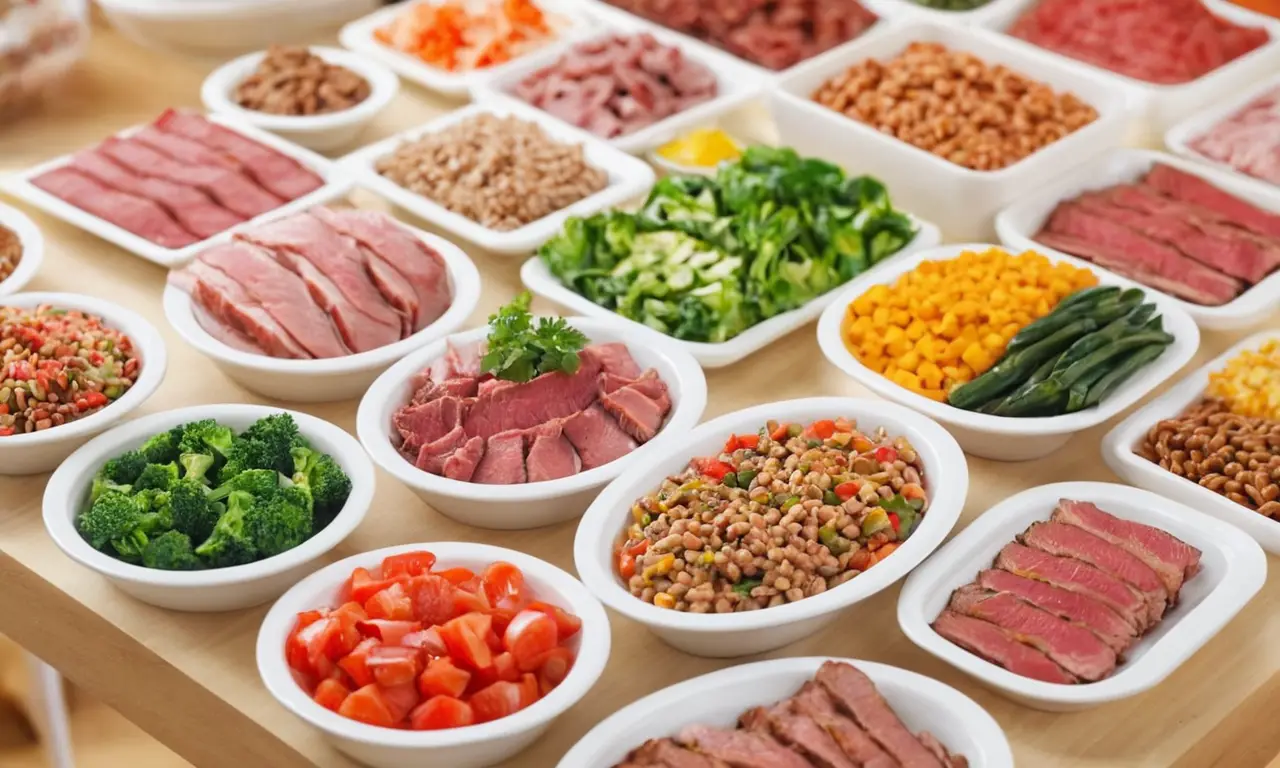
The raw food diet for dogs, often referred to as BARF (Biologically Appropriate Raw Food) or P.M.R. (Prey Model Raw), typically consists of uncooked muscle meat, organs, and bones, along with some fruits and vegetables. Proponents of this diet believe that it most closely mimics the ancestral diet of dogs, which they argue, leads to a multitude of health improvements.
Components of a Raw Diet:
- Muscle Meat: This forms the bulk of the diet and provides essential proteins, amino acids, and fats. Common choices include chicken, beef, lamb, turkey, and fish.
- Organs: Liver, heart, and kidney are nutrient powerhouses, rich in vitamins (A, D, E, K, B vitamins), minerals (iron, zinc, copper), and enzymes. They are crucial for overall health and bodily functions.
- Bones: Raw, non-weight-bearing bones (like chicken wings or necks) are a good source of calcium and phosphorus, essential for bone health and providing a natural way for dogs to clean their teeth. It is crucial that bones are raw, as cooked bones can splinter and cause serious internal damage.
- Fruits and Vegetables: While not a significant part of a dog's ancestral diet, some raw feeders include small amounts of certain fruits and vegetables for added vitamins, minerals, and fiber. Examples include blueberries, apples (seeds removed), spinach, and carrots.
Potential Benefits of Raw Feeding:
- Improved Digestion: Raw food is often considered more digestible, as it hasn't been denatured by heat. This can lead to smaller, firmer stools and a reduced risk of digestive upset.
- Shinier Coat and Healthier Skin: The high levels of natural fats and oils in raw food can contribute to a glossier coat and a healthier, less itchy skin.
- Increased Energy Levels: Some owners report a noticeable increase in their dog's vitality and energy when switching to a raw diet.
- Cleaner Teeth: Chewing on raw bones can help to naturally scrape away plaque and tartar, promoting better dental hygiene.
- Reduced Allergies: For some dogs with food sensitivities or allergies to common ingredients in kibble, a raw diet may offer a simpler, more natural alternative.
Risks and Considerations for Raw Feeding:
- Bacterial Contamination: Raw meat can harbor harmful bacteria like Salmonella, E. coli, and Listeria. This poses a risk to both the dog and the humans handling the food. Proper hygiene practices are paramount.
- Nutritional Imbalances: Creating a nutritionally complete raw diet requires careful planning and knowledge. Without proper balance, deficiencies or excesses of certain nutrients can occur, leading to health problems.
- Choking Hazards and Internal Injuries: Feeding whole bones can present a choking risk, and improperly prepared bones can splinter, causing damage to the digestive tract.
- Cost and Preparation Time: Sourcing and preparing raw food can be more time-consuming and expensive than buying commercial kibble.
- Contamination of the Environment: Bacteria from raw meat can be shed in a dog's feces, potentially contaminating the environment.
Exploring the Cooked Dog Food Diet
Cooked dog food, commonly found in the form of kibble (dry food) and wet (canned) food, is the most widely available and popular option. This method involves processing ingredients at high temperatures to create a palatable, shelf-stable product.
Types of Cooked Dog Food:
- Kibble (Dry Food): This is the most common type of dog food, made by extruding a mixture of grains, meat meals, vegetables, and other ingredients under high heat and pressure. It's convenient, affordable, and has a long shelf life.
- Wet Food (Canned Food): Canned dog food has a higher moisture content and is often more palatable than kibble. It typically contains higher quality protein sources and fewer carbohydrates.
- Home-Cooked Meals: Many owners choose to prepare their dog's meals at home, cooking ingredients like lean meats, vegetables, and grains. This allows for greater control over ingredients but requires careful nutritional balancing.
Benefits of Cooked Dog Food:
- Convenience and Affordability: Kibble and wet food are readily available, easy to store, and generally more budget-friendly than raw diets.
- Nutritional Completeness (Commercial): Reputable commercial dog food brands are formulated to be nutritionally complete and balanced, meeting AAFCO (Association of American Feed Control Officials) standards.
- Reduced Risk of Bacterial Contamination: The cooking process kills most harmful bacteria, making commercial cooked foods safer from a pathogen perspective.
- Long Shelf Life: Both kibble and canned food have extended shelf lives, reducing waste.
Drawbacks of Cooked Dog Food:
- Nutrient Degradation: The high-heat processing of kibble can degrade certain heat-sensitive vitamins and enzymes, requiring manufacturers to add them back in synthetic forms.
- Lower Palatability: Some dogs find kibble less appealing, which can be an issue for picky eaters.
- Digestibility Issues: Some dogs may struggle to digest certain grains or fillers found in some kibble formulas, leading to digestive upset or allergies.
- Potential for Additives: Some commercial dog foods may contain artificial colors, flavors, or preservatives, which some owners prefer to avoid.
Comparing Cooked or Raw Dog Food: Key Factors
When deciding between cooked or raw dog food, several critical factors need to be weighed:
Dog Food Amount: Your Daily Feeding Guide1. Nutritional Completeness and Balance
- Raw: Achieving nutritional balance in a raw diet is challenging and requires meticulous planning. An unbalanced raw diet can lead to serious deficiencies or excesses of essential nutrients, impacting bone health, organ function, and overall vitality. Consultations with veterinary nutritionists are highly recommended.
- Cooked (Commercial): High-quality commercial dog foods are formulated by veterinary nutritionists to be complete and balanced, meeting established nutritional guidelines. Always look for AAFCO statements on packaging.
- Cooked (Homemade): Like raw diets, homemade cooked meals require careful attention to nutritional balance. Consulting a veterinary nutritionist is essential to ensure all nutrient requirements are met.
2. Safety and Hygiene
- Raw: The primary safety concern with raw food is the potential for bacterial contamination. Strict hygiene protocols are essential:
- Wash hands, utensils, and surfaces thoroughly after handling raw meat.
- Store raw food properly at refrigerated or frozen temperatures.
- Avoid feeding raw food to immunocompromised individuals, young children, or the elderly.
- Cooked: While generally safer from a bacterial perspective, poor handling of commercial cooked food can still lead to contamination. Ensure proper storage and refrigeration of opened canned food.
3. Digestibility
- Raw: Many proponents claim raw food is more digestible due to the presence of natural enzymes and less processed ingredients. This can result in smaller, more easily managed stools.
- Cooked: The digestibility of cooked food varies depending on the ingredients and processing methods. Highly processed kibble may be harder for some dogs to digest, especially those with sensitive stomachs.
4. Cost and Convenience
- Raw: Sourcing, preparing, and storing raw ingredients can be more expensive and time-consuming than buying commercial kibble.
- Cooked: Commercial kibble and wet food offer unparalleled convenience and a wide range of price points to suit most budgets.
5. Veterinary Recommendations
It's crucial to consult your veterinarian before making any significant changes to your dog's diet. Veterinarians can assess your dog's individual health needs, age, breed, and any existing medical conditions to provide personalized recommendations on whether cooked or raw dog food is more appropriate. They can also guide you on reputable brands and safe practices for either diet.
Expert Opinions on Cooked or Raw Dog Food
The veterinary community holds diverse opinions on the cooked or raw dog food debate.
- Organizations like the American Veterinary Medical Association (AVMA) and the World Small Animal Veterinary Association (WSAVA) generally advise caution regarding raw food diets. Their primary concerns revolve around the risks of bacterial contamination for both pets and humans, as well as the potential for nutritional imbalances if not meticulously prepared.
- Many veterinarians advocate for commercially produced, high-quality kibble or wet food that meets AAFCO standards as a safe, convenient, and nutritionally complete option.
- However, some veterinary nutritionists and holistic veterinarians do support well-researched and properly balanced raw diets, emphasizing the importance of rigorous safety protocols and expert guidance.
Making the Right Choice for Your Dog
The decision of whether to feed your dog cooked or raw dog food is a personal one, with no single answer that fits every dog.
Consider these questions:
Guinea Pig Diet: Daily Food Amount Guide- What is your dog's current health status? Does your dog have any pre-existing health conditions, allergies, or sensitivities?
- What is your lifestyle and budget? Do you have the time and resources to dedicate to preparing a raw diet, or is the convenience of commercial food more suitable?
- What is your comfort level with handling raw meat? Are you prepared to implement strict hygiene practices to mitigate risks?
- What are your veterinarian's recommendations?
If you're leaning towards raw:
- Educate yourself thoroughly. Understand the principles of a balanced raw diet.
- Consult a veterinary nutritionist. This is non-negotiable to ensure your dog receives all necessary nutrients.
- Prioritize food safety. Implement strict handling and storage protocols.
- Source high-quality ingredients from reputable suppliers.
If you're opting for cooked:
- Choose high-quality commercial dog food. Look for brands that meet AAFCO standards and have a good reputation.
- Read ingredient lists carefully. Avoid foods with excessive fillers, artificial additives, or by-products if your dog has sensitivities.
- Consider a limited ingredient diet (LID) if your dog has known food allergies.
- If home-cooking, consult a veterinary nutritionist to ensure a balanced diet.
In summary
The debate surrounding cooked or raw dog food is complex, with valid arguments on both sides. While raw diets offer potential benefits that resonate with a more ancestral feeding philosophy, they also carry inherent risks related to bacterial contamination and nutritional balance. Cooked commercial diets, on the other hand, provide convenience, affordability, and guaranteed nutritional completeness, but some argue they are less natural and may be less digestible for certain dogs.
Ultimately, the best diet for your dog is one that is nutritionally complete, safe, palatable, and supports their overall health and well-being. Open communication with your veterinarian, thorough research, and careful consideration of your dog's individual needs are paramount in making the most informed decision between cooked or raw dog food. By prioritizing these factors, you can confidently provide your canine companion with the optimal nutrition they deserve.
Kidney Stone Diet for Cats: Prevention & Management
Parrot Diet: Best Fruits and Vegetables for Your Bird

Festive Feasts: Top Christmas Recipes for Dogs

Dog Kidney Failure Diet: Homemade Solutions & Care Tips

Choosing the Best Dog Food: A Comprehensive Guide

Cat Hepatitis Diet: Essential Foods for Your Feline Friend
Understanding the Composition of Cat Food for Health
Related posts