

How to Correct a Dog's Behavior: A Comprehensive Guide
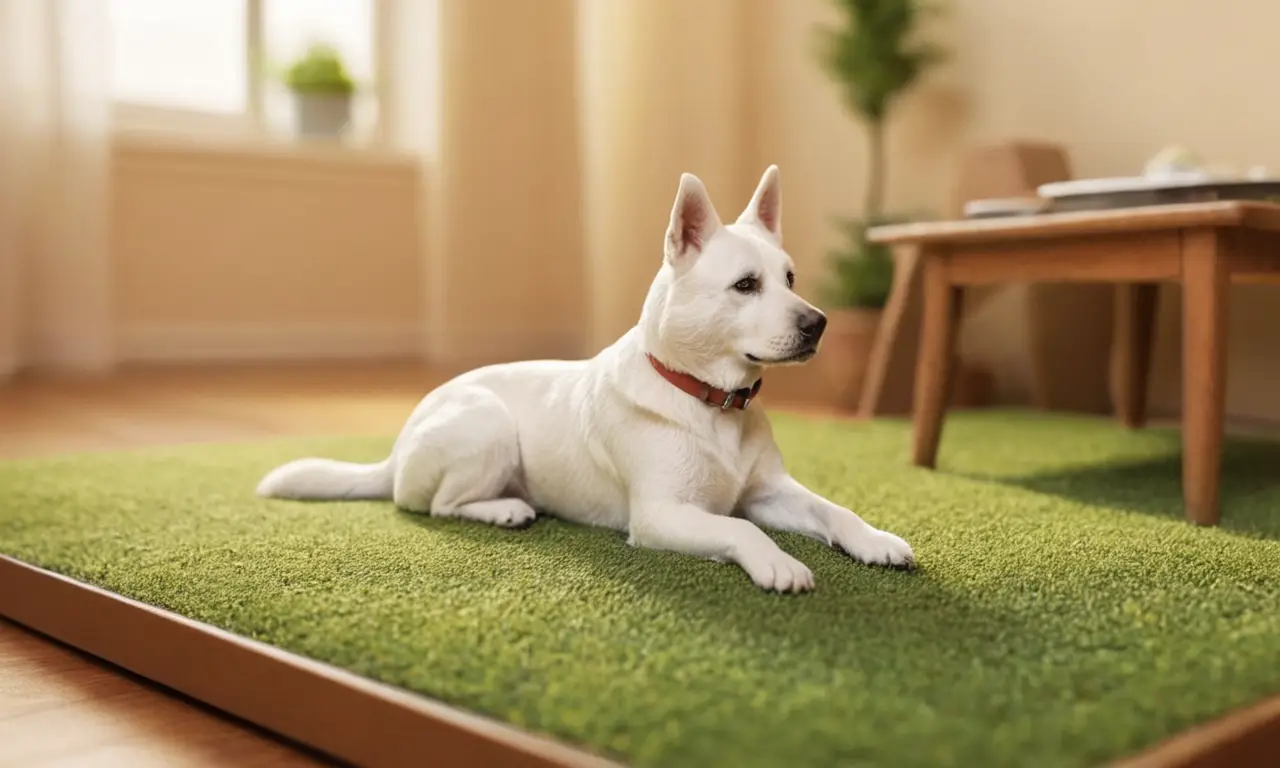
Mastering Canine Conduct: A Comprehensive Guide to Correct a Dog's Behavior
Understanding and effectively managing your dog's behavior is paramount to a harmonious relationship. This comprehensive guide delves into the fundamental principles and practical techniques necessary to correct a dog's behavior, fostering a well-adjusted and happy canine companion. We will explore common behavioral issues, the underlying causes, and positive, science-based methods to address them, ensuring your furry friend thrives.
𝙲𝚘𝚗𝚝𝚎𝚗𝚝
Understanding Why Dogs Behave the Way They Do
Before we can effectively correct a dog's behavior, it's crucial to understand the root causes. Canine behavior is influenced by a complex interplay of genetics, environment, training, and individual personality.
The Influence of Breed and Genetics
Certain breeds are predisposed to specific behaviors. For instance, herding breeds may exhibit nipping at heels, while scent hounds might be prone to excessive barking. Recognizing these innate tendencies can help manage expectations and tailor training approaches.
Environmental Factors and Socialization
A dog's environment plays a significant role in shaping their behavior. Early socialization, exposure to various sights, sounds, people, and other animals during the critical developmental period (typically 3 to 16 weeks), is vital for preventing fear-based aggression, anxiety, and reactivity. A lack of adequate socialization can lead to a multitude of behavioral challenges later in life.
Learned Behaviors and Past Experiences
Dogs learn from every interaction and experience. Behaviors that are inadvertently rewarded, even if undesirable, can be reinforced. Conversely, negative or traumatic experiences can lead to lasting behavioral issues like fear, anxiety, or aggression.
Physiological and Medical Considerations
It's essential to rule out any underlying medical conditions that might be contributing to behavioral changes. Pain, discomfort, hormonal imbalances, or neurological issues can manifest as aggression, lethargy, or changes in appetite, among other symptoms. Always consult with a veterinarian if you suspect a medical cause.
Common Dog Behavioral Issues and How to Address Them
Let's explore some of the most prevalent behavioral problems and discuss effective strategies to correct a dog's behavior.
Excessive Barking
Barking is a natural form of canine communication, but excessive barking can be disruptive.
Stop Your Dog's Excessive Barking: Expert Tips & Training- Identify the Trigger: Is the dog barking at the doorbell, passersby, other dogs, or out of boredom?
- Management Strategies:
- Desensitization and Counter-Conditioning: Gradually expose your dog to the trigger at a distance where they don't bark, pairing it with positive reinforcement (treats, praise).
- Teach a "Quiet" Command: When your dog barks, wait for a brief pause, then say "Quiet" and reward them. Gradually extend the duration of silence required for the reward.
- Ignore Attention-Seeking Barking: If the barking is for attention, do not look, speak to, or touch your dog until they are quiet for at least five seconds.
- Provide Mental and Physical Stimulation: A tired dog is a quiet dog. Ensure adequate exercise and engaging toys.
Destructive Chewing
Chewing is a normal canine behavior, especially for puppies, but destructive chewing can be a significant problem.
- Reasons for Destructive Chewing: Boredom, anxiety, teething (puppies), lack of appropriate outlets.
- Solutions:
- Provide Appropriate Chew Toys: Offer a variety of safe and durable chew toys that appeal to your dog's chewing instincts. Rotate them to keep them interesting.
- Manage the Environment: Puppy-proof your home by removing tempting items and restricting access to areas where destructive chewing occurs.
- Supervision: Supervise your dog, especially during initial training phases, and redirect them to a chew toy if they start chewing inappropriately.
- Address Separation Anxiety: If chewing occurs when you're absent, it may indicate separation anxiety, which requires a separate training plan.
Jumping Up
Jumping is often a greeting behavior, but it can be problematic, especially with larger dogs.
- How to Correct:
- Ignore the Behavior: When your dog jumps, immediately turn away and fold your arms. Do not make eye contact or speak.
- Reward Calmness: As soon as all four paws are on the floor, turn back and offer praise and attention.
- Teach an Alternative Behavior: Train your dog to "Sit" for greetings. Reward them for sitting when someone approaches.
- Leash Control: Keep your dog on a leash when guests arrive until they can greet calmly.
Leash Pulling
Leash pulling makes walks unpleasant and can even be dangerous.
- Techniques for Loose-Leash Walking:
- Positive Reinforcement: Reward your dog with treats and praise whenever the leash is slack.
- "Stop and Wait" Method: If your dog pulls, stop walking immediately. Only resume walking when the leash loosens.
- "Red Light, Green Light" Method: When your dog pulls, stop (red light). When the leash slackens, start walking again (green light).
- Harnesses and Head Halters: Consider using a front-clip harness or a head halter designed to discourage pulling, always ensuring proper fit and gradual introduction.
Aggression
Aggression is a complex issue that can stem from fear, territoriality, resource guarding, or pain. It requires careful assessment and professional guidance.
- Types of Aggression: Fear-based aggression, territorial aggression, resource guarding, dominance aggression (less common than perceived), redirected aggression.
- When to Seek Professional Help: If your dog exhibits any signs of aggression, it's crucial to consult a certified professional dog trainer or a veterinary behaviorist. They can diagnose the specific type of aggression and develop a safe and effective treatment plan.
- Safety First: While working on aggression, prioritize safety for yourself, your family, and others. Muzzling and management strategies may be necessary under professional guidance.
Separation Anxiety
Separation anxiety is a distress response when a dog is left alone or separated from their primary attachment figure.
- Signs: Excessive barking, destructive behavior, house soiling, pacing, drooling, attempts to escape when left alone.
- Addressing Separation Anxiety:
- Gradual Departures: Start with very short absences and gradually increase the duration.
- Create a Safe Haven: Provide a comfortable crate or a designated "safe space" filled with familiar and comforting items.
- Enrichment: Leave puzzle toys or long-lasting chews to keep your dog occupied.
- Avoid Dramatic Greetings and Farewells: Keep departures and arrivals calm to minimize anxiety.
- Consult a Professional: Severe cases often require a tailored behavior modification plan from a professional.
Principles of Effective Behavior Correction
When aiming to correct a dog's behavior, several core principles should guide your approach.
Positive Reinforcement
This is the cornerstone of effective dog training. Positive reinforcement involves rewarding desired behaviors to increase their likelihood of occurring again. Rewards can include treats, praise, toys, or anything your dog finds motivating.
- How it Works: When your dog performs the desired action (e.g., sits when asked, walks on a loose leash), immediately provide a positive reinforcer. This creates a strong association between the behavior and the reward.
Consistency is Key
All members of the household must be consistent with training commands, rules, and consequences. Inconsistency can confuse your dog and hinder progress.
Czechoslovakian Wolfdog Training: A Comprehensive Guide- Unified Front: Ensure everyone understands and applies the same training methods and expectations.
Timing Matters
The timing of your reinforcement or correction is critical for your dog to understand what behavior is being addressed.
- Immediate Rewards: Deliver rewards within seconds of the desired behavior.
- Immediate Corrections: If a correction is necessary, it should be delivered in the moment the unwanted behavior occurs.
Patience and Persistence
Changing ingrained behaviors takes time and effort. Don't get discouraged by setbacks. Celebrate small victories and remain committed to the process.
Understanding Canine Body Language
Learning to read your dog's body language is essential for understanding their emotional state and anticipating potential behavioral issues. Signs of stress, fear, or anxiety can help you intervene before a problem escalates.
Training Tools and Techniques
While positive reinforcement is the primary method, certain tools and techniques can aid in behavior correction.
Clicker Training
A clicker is a small device that makes a distinct clicking sound. It's used as a "marker" to precisely signal the exact moment a dog performs the desired behavior, immediately followed by a reward.
- How to Use: First, "charge" the clicker by pairing the click sound with a treat. Then, use the click to mark the desired behavior, followed by a treat.
Management Tools
These tools help prevent unwanted behaviors while training is in progress.
- Crates: Can provide a safe den for dogs and help with house training and preventing destructive behavior when unsupervised.
- Leashes and Harnesses: Essential for walks and controlling your dog in public.
- Gates and Barriers: Used to restrict access to certain areas of the home.
Avoid Punishment-Based Methods
Harsh punishment, such as yelling, hitting, or using aversive tools like choke chains or shock collars, can suppress behaviors temporarily but often lead to increased fear, anxiety, and aggression. They damage the bond between you and your dog and are generally considered inhumane and ineffective in the long term. The goal is to teach what you want your dog to do, not just to punish what you don't want.
When to Seek Professional Help
While many behavioral issues can be addressed with consistent training and patience, some situations require the expertise of a professional.
Poultry Diseases: Prevention, Symptoms, & TreatmentSigns You Need a Professional:**
- Aggression towards people or other animals.
- Severe anxiety or phobias.
- Destructive behavior that poses a safety risk.
- Lack of progress despite consistent effort.
- Sudden, unexplained changes in behavior.
A certified professional dog trainer or a veterinary behaviorist can provide an accurate diagnosis, create a customized training plan, and guide you through the process of safely and effectively correct a dog's behavior.
Building a Strong Bond Through Positive Training
Ultimately, the journey of correcting a dog's behavior is about building a stronger, more trusting relationship. By employing positive, science-based methods, you not only address unwanted behaviors but also reinforce the bond you share with your canine companion. Remember that every dog is an individual, and patience, understanding, and consistent effort are the keys to success. Your dedication to understanding and guiding your dog will lead to a more fulfilling and harmonious life together.
Cat Leash Training: Your Step-by-Step Guide

Mastering Dog Training: Defense & Attack Techniques

Dog Behavior Expert: When Your Pet Needs Guidance

Stop Garden Holes: Effective Ways to Prevent Dog Digging

Overcoming Canine Insecurity & Fear: A Comprehensive Guide

Stop Male Dog Fights: Expert Tips for Harmony
Related posts