

Mastering Crocodile Feeding: A Comprehensive Guide
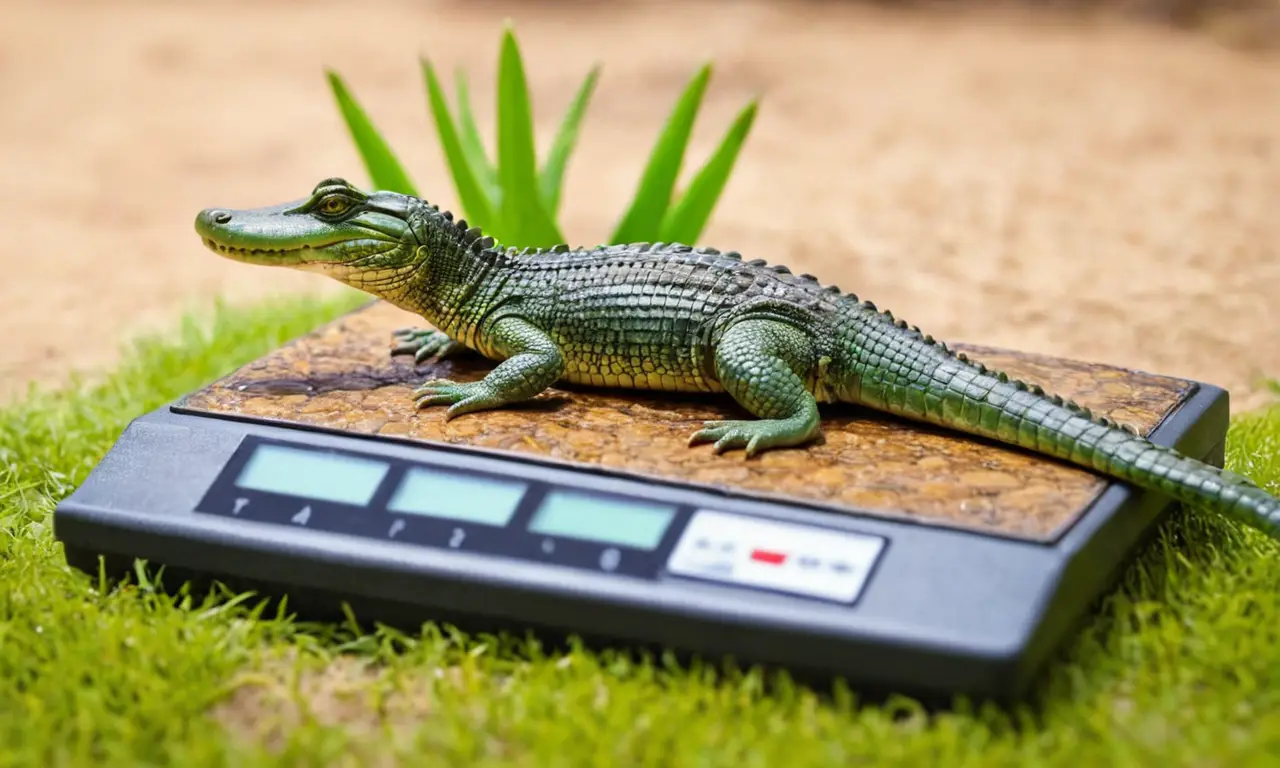
Mastering Crocodile Feeding: A Comprehensive Guide
Understanding the dietary needs and feeding habits of crocodiles is crucial for their health, well-being, and successful management, whether in captivity or in their natural habitat. This guide delves deep into the intricacies of crocodile feeding, exploring everything from their natural diets to the practicalities of providing appropriate nutrition for these formidable reptiles. We will cover their evolutionary adaptations for feeding, the types of prey they consume, the frequency of their meals, and the specific considerations for different life stages and environments.
𝙲𝚘𝚗𝚝𝚎𝚗𝚝
- The Evolutionary Journey of Crocodile Feeding
- Natural Diet: A Hunter's Palette
- Feeding Behavior: Ambush and Power
- Crocodile Feeding Frequency and Quantity
- Crocodile Feeding in Captivity: Essential Considerations
- Nutritional Requirements by Life Stage
- Health Monitoring Through Feeding
- Challenges in Crocodile Feeding Management
- The Future of Crocodile Feeding Research
The Evolutionary Journey of Crocodile Feeding
Crocodiles, as apex predators, have evolved over millions of years to become highly efficient hunters. Their powerful jaws, sharp teeth, and remarkable patience are all testaments to their specialized feeding strategies. Fossil records indicate that their dietary habits have remained relatively consistent, highlighting the success of their predatory adaptations. Their hunting techniques are diverse, ranging from ambush predation in water to stalking prey on land. The powerful muscles in their jaws allow them to exert incredible bite force, capable of crushing bone and tearing flesh. Their digestive systems are also remarkably robust, adapted to handle tough hides, bones, and even indigestible materials. This evolutionary success in crocodile feeding is a key reason for their continued presence as dominant reptiles.
Natural Diet: A Hunter's Palette
In the wild, crocodiles are opportunistic carnivores, meaning they will eat whatever prey is available and within their hunting capabilities. Their diet varies significantly depending on the species, age, size, and habitat.
Aquatic Prey
For many crocodile species, aquatic prey forms a substantial part of their diet. This includes:
- Fish: A primary food source for many crocodiles, especially younger individuals. Various fish species are consumed, from small schooling fish to larger, more solitary ones.
- Turtles: Their strong jaws are well-suited for cracking the shells of turtles.
- Crustaceans: Larger species may consume crabs and other hard-shelled invertebrates.
- Amphibians: Frogs and other amphibians are a common food item, particularly for smaller crocodiles.
Terrestrial Prey
As crocodiles grow larger, their hunting prowess expands to include terrestrial animals. This can include:
- Birds: Waterfowl and other birds that venture too close to the water's edge are vulnerable.
- Mammals: This is a significant component for larger species. Prey can range from small rodents, lizards, and snakes to larger animals like deer, wild boar, monkeys, and even livestock if they inhabit areas near human settlements.
- Insects: Smaller crocodiles and juveniles will also consume insects.
carrion
Crocodiles are also scavengers and will readily consume carrion. This plays an important role in their ecosystem by cleaning up carcasses and preventing the spread of disease. Their keen sense of smell can detect decaying flesh from a considerable distance.
Feeding Behavior: Ambush and Power
Crocodile feeding behavior is characterized by patience, stealth, and explosive power. They are masters of ambush, often lying motionless with only their eyes and nostrils above the water's surface, waiting for unsuspecting prey to approach.
Czechoslovakian Wolfdog: Breed Facts & Training TipsThe Water Ambush
When prey comes within striking distance, the crocodile lunges with incredible speed, using its powerful tail to propel itself forward. It seizes the prey in its jaws and often drags it underwater to drown and dismember it.
Land Hunting
On land, crocodiles are surprisingly agile for short bursts. They may stalk prey or wait in concealed positions before launching an attack.
Dismembering Prey
Large prey is often dismembered through a technique called the "death roll." The crocodile spins its body rapidly while holding onto a piece of the carcass, tearing off manageable chunks. This behavior is essential for consuming prey that is larger than its head.
Crocodile Feeding Frequency and Quantity
The frequency and amount of food a crocodile consumes are highly dependent on several factors:
- Age and Size: Younger, growing crocodiles require more frequent meals than adult crocodiles. Juveniles may feed several times a week, while adults can go for weeks or even months between substantial meals, especially after consuming a large prey item.
- Metabolic Rate: Crocodiles are ectothermic (cold-blooded), meaning their metabolism is directly influenced by ambient temperature. During warmer periods, their metabolism is higher, leading to increased food consumption. In cooler temperatures, their metabolism slows down, and they require less food.
- Activity Level: More active crocodiles will burn more calories and thus require more food.
- Environmental Conditions: Prey availability in the wild significantly impacts feeding frequency. During lean times, crocodiles may survive on minimal food intake.
A general guideline for adult crocodiles is that they might consume a significant portion of their body weight in a single feeding session, and then not eat again for several weeks. For captive crocodiles, this needs to be carefully managed to ensure optimal health.
Crocodile Feeding in Captivity: Essential Considerations
Managing crocodile feeding in captivity requires careful planning and adherence to specific guidelines to ensure the animals receive adequate nutrition and maintain good health.
Diet Composition
The captive diet should mimic the natural diet as closely as possible.
Dalmatian Dog: History, Traits & Fun Facts- Whole Prey: Offering whole prey animals is ideal, as it provides a balanced nutritional profile including bones, organs, and muscle tissue. This can include:
- Fish: Whole fish of various types.
- Rodents: Rats and mice are common.
- Birds: Quail or chickens can be offered.
- Rabbits: For larger species.
- Supplements: While whole prey is preferred, in some cases, supplements may be necessary. This should be done under the guidance of a reptile veterinarian or experienced keeper. Calcium and vitamin supplements might be recommended, especially for growing crocodiles or those on a less varied diet.
- Avoidance: Certain foods should be avoided in captivity, such as processed meats, fatty foods, or prey items that may be contaminated with pesticides or toxins.
Feeding Schedule
A consistent feeding schedule is important for captive crocodiles.
- Juveniles: Young crocodiles are typically fed more frequently, often 2-3 times per week.
- Adults: Adult crocodiles can be fed less often, perhaps once every 1-3 weeks, depending on the size of the meal and the individual animal's metabolism.
- Observation: It is crucial to observe individual crocodiles for signs of hunger or overfeeding.
Feeding Methods
The method of feeding can also be important for psychological and physical well-being.
- Enrichment: Scatter feeding or hiding food can provide mental stimulation and mimic natural foraging behaviors.
- Safety: When feeding larger or more aggressive crocodiles, safety precautions are paramount. This may involve using long tongs or allowing the animal to feed in a separate, secure enclosure.
- Water: Ensure fresh water is always available, especially after feeding, as crocodiles often drink after a meal.
Nutritional Requirements by Life Stage
The nutritional needs of crocodiles change significantly throughout their lives.
Hatchlings and Juveniles
- High Protein: Rapid growth requires a diet rich in protein.
- Frequent Feeding: As mentioned, they need to eat more often to support their development.
- Smaller Prey: Hatchlings will consume very small prey items, such as insects, small fish, and tiny rodents. Their jaws are not yet strong enough for larger food.
Subadults and Adults
- Maintenance Diet: Once growth slows, the focus shifts to maintaining body condition.
- Larger Prey: They can consume larger prey items, and feeding frequency decreases.
- Energy Reserves: Adults can store fat reserves to endure long periods without food.
Gestating Females
- Increased Calcium: Females preparing to lay eggs require an increased intake of calcium to support egg development.
- Adequate Nutrition: Overall nutritional status is crucial for successful reproduction.
Health Monitoring Through Feeding
Changes in a crocodile's feeding behavior can be early indicators of health issues.
- Loss of Appetite: A sudden or prolonged refusal to eat can signal illness, stress, or injury.
- Overeating: While less common in the wild, overfeeding in captivity can lead to obesity and related health problems.
- Regurgitation: If a crocodile regurgitates its food, it could indicate stress, improper diet, or digestive issues.
- Weight Changes: Unexplained weight loss or gain is a significant concern and should be investigated.
Regular monitoring of feeding habits, coupled with visual observation of the animal's body condition, is a vital part of responsible crocodile care.
Challenges in Crocodile Feeding Management
Managing crocodile feeding presents several challenges, both in the wild and in captivity.
Prey Availability in the Wild
- Habitat Degradation: Loss of habitat and pollution can reduce the availability of natural prey.
- Overhunting of Prey Species: In some areas, prey animals may be overhunted by humans, impacting crocodile food sources.
- Competition: Crocodiles may face competition for food resources from other predators.
Captive Feeding Challenges
- Cost: Sourcing appropriate food items for large crocodiles can be expensive.
- Logistics: Storing and handling large quantities of food, especially whole prey, requires specialized facilities and procedures.
- Disease Transmission: If the food source is contaminated, it can transmit diseases to the crocodiles.
- Behavioral Issues: Some crocodiles may develop picky eating habits or refuse food if stressed or if the feeding routine is inconsistent.
The Future of Crocodile Feeding Research
Ongoing research plays a vital role in refining our understanding of crocodile feeding. This includes:
Border Collie vs. Aussie: Key Differences for Dog Lovers- Nutritional Analysis: Further studies on the precise nutritional requirements of different crocodile species at various life stages.
- Dietary Adaptations: Investigating how environmental changes and human impact influence their natural diets.
- Sustainable Feeding Practices: Developing more sustainable and cost-effective feeding strategies for captive crocodiles, potentially utilizing alternative protein sources.
- Conservation Efforts: Understanding feeding ecology is crucial for effective conservation strategies, ensuring that crocodiles have adequate food resources to thrive in their natural habitats.
In conclusion, crocodile feeding is a complex and fascinating aspect of their biology. Whether observing them in the wild or managing their diet in captivity, a thorough understanding of their nutritional needs, feeding behaviors, and the environmental factors influencing them is essential for their health, survival, and the successful conservation of these incredible prehistoric creatures.
Dog Color Vision: How Do Dogs Recognize & Distinguish Colors?

Fila Brasileiro: The Majestic Mastiff of Brazil Explored
Basenji: The Enigmatic Barkless Dog – Congo Terrier Facts

Dog Language & Calm Signals: The Complete Guide

The Enduring Bond: Dogs & Humans, 14,000 Years

Dalmatian Dog: History, Traits & Fun Facts
Related posts