
Dog Urine Crystals: Types, Symptoms, and Treatment Guide
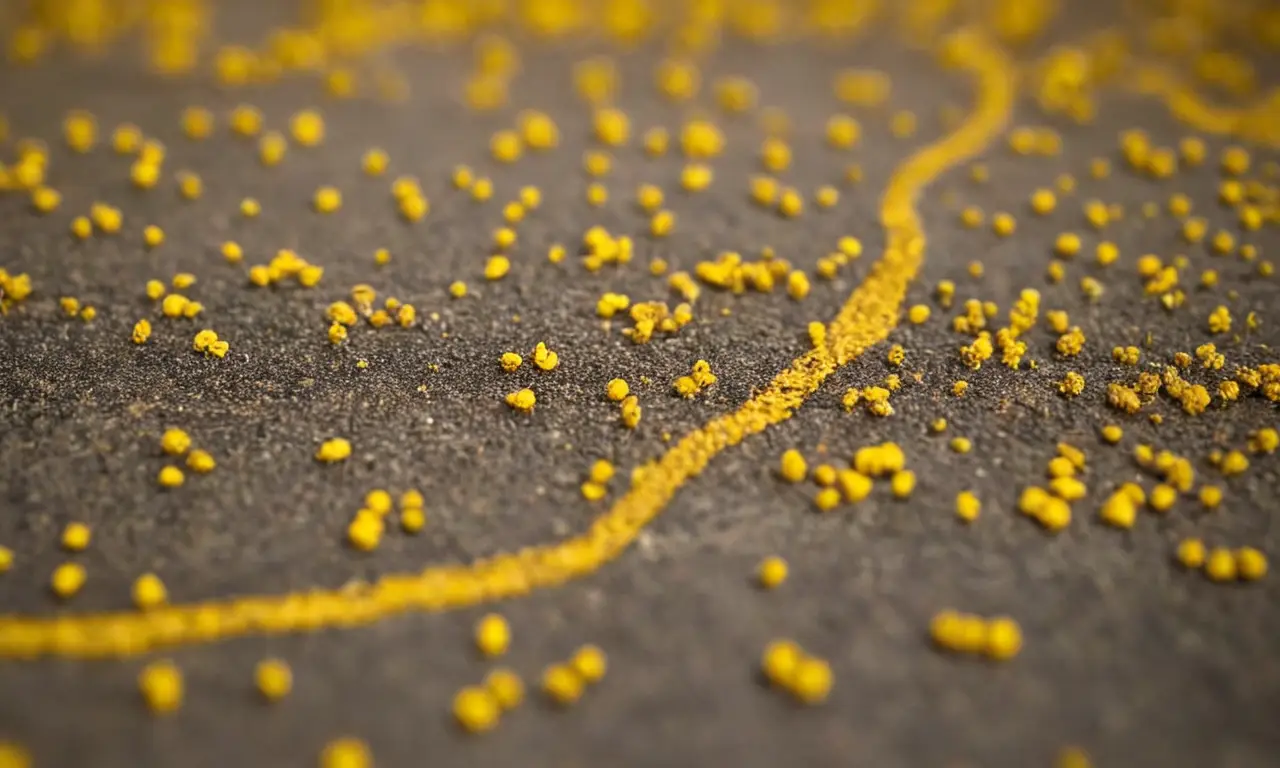
Crystals in Urine in Dogs: Types, Symptoms, and Treatment Explained
Detecting crystals in your dog's urine can be a concerning discovery for any pet owner. While the presence of small amounts of urine crystals is often normal, a significant or consistent presence can indicate underlying health issues that require attention. This comprehensive guide will delve into the various types of Crystals in urine in dogs - Types, symptoms and treatment, exploring their causes, recognizing the signs, and outlining the essential treatment approaches to ensure your canine companion's well-being. Understanding these microscopic formations is crucial for proactive pet care and maintaining your dog's urinary health.
𝙲𝚘𝚗𝚝𝚎𝚗𝚝
Understanding Urine Crystals in Dogs
Urine crystals, also known as urinary crystalluria, are microscopic mineral formations that can appear in a dog's urine. They are formed when urine becomes supersaturated with certain minerals, causing them to precipitate out of the solution and form crystals. The type and amount of crystals present depend on several factors, including the dog's diet, hydration levels, urine pH, and overall health.
While it's important to note that finding occasional crystals in a urine sample is not necessarily a cause for alarm, a veterinarian will typically evaluate the findings in conjunction with other diagnostic tests. Persistent or large numbers of crystals can be indicative of more serious conditions, such as urinary tract infections (UTIs), bladder stones (uroliths), or kidney disease.
Common Types of Crystals in Urine in Dogs
There are several types of crystals that can be found in a dog's urine, each with its own characteristics and potential implications. Understanding these different types is the first step in addressing the issue effectively.
Struvite Crystals
Struvite crystals, also known as magnesium ammonium phosphate crystals, are among the most common types found in dogs. They typically appear as colorless, triple-phosphate crystals that resemble coffin lids.
- Causes: Struvite crystals often form when urine becomes supersaturated with magnesium, ammonium, and phosphate. This can be exacerbated by an alkaline urine pH (above 7.0), which is favorable for struvite formation. Contributing factors include:
- Urinary Tract Infections (UTIs): Bacteria, particularly those that produce urease (an enzyme that breaks down urea into ammonia), can significantly increase urine pH, leading to struvite formation.
- Diet: High levels of magnesium and phosphate in the diet can contribute.
- Dehydration: Concentrated urine makes it easier for minerals to precipitate.
- Underlying metabolic diseases: Though less common, certain metabolic disorders can influence urine composition.
- Implications: Struvite crystals are often associated with the formation of struvite bladder stones, which can cause pain, straining to urinate, blood in the urine, and even life-threatening urinary blockage, especially in male dogs.
Calcium Oxalate Crystals
Calcium oxalate crystals are another frequently encountered type. They can appear in two forms:
- Monohydrate: These are colorless, dumbbell-shaped, or spindle-shaped crystals.
-
Dihydrate: These are colorless, octahedral (gemini) crystals, often described as looking like envelopes.
-
Causes: The formation of calcium oxalate crystals occurs when there is an excess of calcium and oxalate in the urine, or when urine pH is acidic (below 6.0), which favors their precipitation. Factors contributing to their presence include:
Healing Burns in Dogs: Your Comprehensive Guide- Diet: High intake of foods rich in oxalates (like spinach, sweet potatoes, and some fruits) can contribute.
- Dehydration: Concentrated urine increases the risk.
- Certain kidney diseases: Some kidney conditions can lead to increased calcium excretion.
- Hypercalcemia: Elevated calcium levels in the blood.
- Metabolic disorders: Certain inherited metabolic conditions.
- Medications: Some drugs can influence calcium or oxalate levels.
- Implications: Calcium oxalate crystals can also contribute to the formation of bladder stones. These stones can be sharp and abrasive, causing irritation to the urinary tract and potentially leading to UTIs and discomfort.
Uric Acid Crystals
Uric acid crystals are less common in most dog breeds but are more prevalent in Dalmatians due to a genetic predisposition that affects how they metabolize uric acid. These crystals are typically small, yellow to reddish-brown, and can appear as spheres with a spiky surface or as rhomboids.
- Causes: Uric acid crystals form when urine is acidic and contains high concentrations of uric acid. Contributing factors include:
- Genetics: As mentioned, Dalmatians have a unique metabolic pathway for uric acid.
- Liver disease: Certain liver conditions can impair the breakdown of purines, leading to increased uric acid levels.
- Diet: Diets high in purines (found in organ meats, some fish, and legumes) can contribute.
- Dehydration: Concentrated urine.
- Implications: Uric acid crystals can lead to the formation of uric acid bladder stones, which can cause symptoms similar to other types of stones, including straining, blood in urine, and pain.
Bilirubin Crystals
Bilirubin crystals are less common than struvite or calcium oxalate but can be significant. They appear as reddish-brown needles or granules.
- Causes: Bilirubin is a breakdown product of red blood cells. While small amounts of bilirubin can be present in normal dog urine, increased levels or the formation of crystals often indicate an underlying medical issue. These can include:
- Liver disease: Impaired liver function can lead to increased bilirubin levels in the blood and urine.
- Hemolytic anemia: Conditions where red blood cells are destroyed prematurely.
- Certain infections: Some infections can affect the liver or red blood cells.
- Fasting: Prolonged fasting can sometimes lead to temporary increases in bilirubin.
- Implications: The presence of bilirubin crystals often signifies a more serious systemic health problem that needs to be addressed.
Symptoms of Crystals in Urine in Dogs
The symptoms of crystals in a dog's urine can vary depending on the type of crystal, whether stones have formed, and the underlying cause. In many cases, especially with small numbers of crystals, there may be no outward symptoms at all. However, when crystals lead to inflammation, infection, or stone formation, you might observe the following:
- Straining to urinate (dysuria): This is a common sign that can be caused by bladder irritation or a blockage from stones.
- Frequent urination (pollakiuria): The dog may feel the urge to urinate more often, but produce only small amounts.
- Blood in the urine (hematuria): This can range from a pinkish tinge to frank red blood.
- Pain or vocalization during urination: Some dogs may cry out or seem uncomfortable when urinating.
- Licking of the genital area: Increased grooming of the private parts can indicate discomfort or irritation.
- Urinary tract infections (UTIs): While not a direct symptom of crystals, UTIs can be a consequence, leading to symptoms like cloudy urine, strong odor, and a frequent urge to urinate.
- Lethargy and loss of appetite: In severe cases, especially with blockages or significant pain, a dog may become generally unwell.
- Vomiting: This can occur in severe cases, particularly if there's a urinary blockage.
- Abdominal pain: Palpation of the abdomen may reveal discomfort.
It is crucial to consult your veterinarian immediately if you notice any of these symptoms in your dog.
Diagnosis of Crystals in Urine in Dogs
Diagnosing the presence and significance of crystals in your dog's urine involves a multi-faceted approach by your veterinarian.
-
Urinalysis: This is the primary diagnostic tool. A urine sample, typically collected via cystocentesis (needle aspiration directly from the bladder for a sterile sample), free catch, or at the veterinary clinic, is examined under a microscope. The veterinarian will look for:
- Presence and type of crystals: Identifying the specific mineral formation.
- Quantity of crystals: Assessing whether it's a few or a significant number.
- Urine pH: A critical factor in crystal formation.
- Urine specific gravity: Indicates urine concentration.
- Presence of blood, protein, or inflammatory cells: Suggesting infection or inflammation.
-
Bloodwork: Complete blood count (CBC) and biochemistry profiles can help assess overall health, kidney function, and identify any underlying metabolic issues that might contribute to crystalluria.
-
Imaging:
Cushing's in Dogs: Symptoms, Causes & Treatment Guide- X-rays (Radiographs): These are essential for detecting bladder stones (uroliths). Many types of stones (like struvite and calcium oxalate) are visible on X-rays.
- Ultrasound: This imaging technique can be very useful for visualizing the bladder, kidneys, and urethra, and can detect stones that may not be visible on X-rays, as well as any structural abnormalities or signs of inflammation.
-
Urine Culture and Sensitivity: If a UTI is suspected, a urine culture will be performed to identify the specific bacteria causing the infection and determine which antibiotics will be most effective.
Treatment of Crystals in Urine in Dogs
The treatment for crystals in a dog's urine is tailored to the specific type of crystal, the underlying cause, and whether bladder stones have formed.
1. Dietary Management
Diet plays a pivotal role in managing and preventing crystal formation. Your veterinarian will likely recommend a therapeutic prescription diet formulated to:
- Control urine pH: Some diets are designed to make the urine more acidic (for struvite prevention) or more alkaline (for calcium oxalate prevention).
- Reduce mineral content: Diets can be formulated with specific levels of magnesium, phosphorus, and calcium to limit the building blocks of crystals.
- Increase water intake: Encouraging your dog to drink more is crucial for diluting urine and flushing out crystals.
- Dissolve existing stones (in some cases): Specific diets can be prescribed to dissolve struvite stones.
2. Increased Water Intake
Ensuring your dog drinks plenty of water is a cornerstone of managing urinary issues. Strategies include:
- Providing multiple fresh water bowls: Place them in different locations around the house.
- Using a pet water fountain: The circulating water can encourage drinking.
- Adding low-sodium chicken broth or water to food: This can make the food more appealing and increase fluid intake.
- Feeding wet food: Canned or wet dog food has a higher moisture content than dry kibble.
3. Managing Underlying Conditions
If the crystals are a secondary symptom of another health problem, addressing that primary condition is essential. This might include:
- Antibiotics: For urinary tract infections.
- Medications for metabolic diseases: If an underlying metabolic disorder is identified.
- Treatments for liver disease or kidney issues.
4. Surgical Intervention
If bladder stones have formed, especially if they are large, causing significant pain, leading to blockages, or are of a type that cannot be dissolved medically, surgery (cystotomy) may be necessary to remove them.
5. Medical Dissolution of Stones
Certain types of stones, primarily struvite stones, can sometimes be dissolved with a specific prescription diet and appropriate medical management. This process can take several weeks to months and requires regular monitoring by your veterinarian. Calcium oxalate stones generally cannot be dissolved and typically require surgical removal.
6. Prevention and Long-Term Management
Once crystals or stones have been diagnosed, long-term management is often necessary to prevent recurrence. This typically involves:
Cushing's in Cats: Symptoms, Causes & Effective Treatment- Continuing a prescribed therapeutic diet.
- Ensuring adequate water intake.
- Regular veterinary check-ups and urinalysis: To monitor urine parameters and catch any early signs of recurrence.
- Avoiding treats or foods that can exacerbate the problem.
In summary
Crystals in urine in dogs - Types, symptoms and treatment is a complex but manageable health concern. While the presence of a few crystals might not signal an immediate crisis, it warrants a thorough investigation by your veterinarian. By understanding the different types of crystals, recognizing potential symptoms, and adhering to your veterinarian's diagnostic and treatment recommendations, you can significantly improve your dog's urinary health and quality of life. Proactive care, including appropriate diet and hydration, is key to preventing the formation of crystals and the development of painful bladder stones, ensuring your canine companion remains happy and healthy.
Cat Urinary Crystals: Types, Symptoms & Treatment Guide

Cat Weight: How Do I Know If My Cat Is Fat?
Encephalitis in Dogs: Symptoms, Causes & Treatment
Dog Cavities: Causes, Symptoms, and Treatment Options
Natural Flea Relief: Home Remedies for Fleas in Cats

Newborn Puppy Feeding Guide: From Birth to Weaning
Related posts