

Mexican Dog Breeds: Past & Present
Mexican Dog Breeds: A Rich Heritage of Canine Companions
Mexico boasts a fascinating and diverse history of canine companionship, with a lineage that stretches back to ancient civilizations. These breeds, both those that thrive today and those sadly lost to time, offer a unique window into the cultural and historical tapestry of Mexico. From the iconic Xoloitzcuintli, revered by the Aztecs, to the hardy and adaptable breeds that served various roles in rural communities, understanding current and extinct Mexican dog breeds reveals a deep connection between humans and dogs that has endured for millennia. This exploration delves into the origins, characteristics, and often poignant stories of these remarkable canines, highlighting their significance and the ongoing efforts to preserve their legacy.
The Ancient Roots: Dogs of Mesoamerica
The history of dogs in Mexico is inextricably linked to the development of Mesoamerican civilizations. Archaeological evidence and ancient codices suggest that dogs were not merely pets but held significant cultural, spiritual, and even economic value.
The Xoloitzcuintli: A Sacred Companion
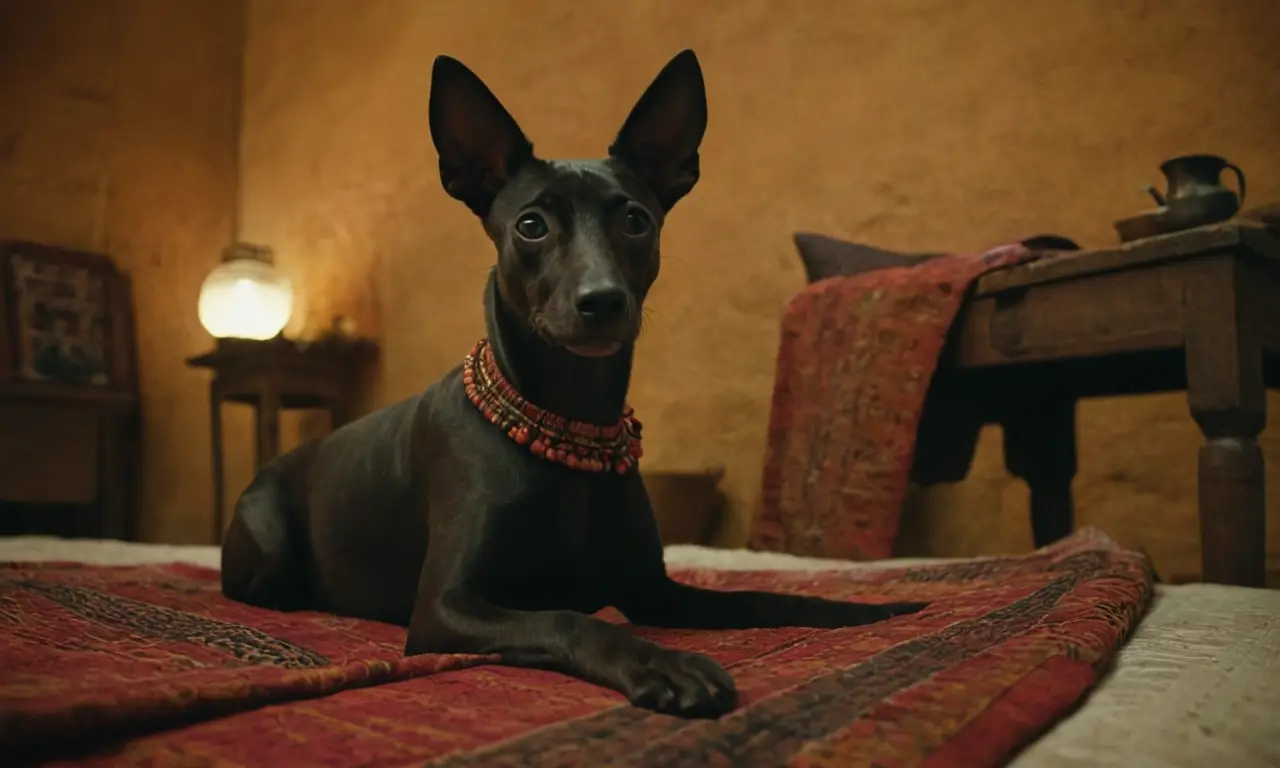
Undoubtedly the most famous and historically significant Mexican dog breed is the Xoloitzcuintli, often referred to as the Mexican Hairless Dog. This breed's lineage can be traced back over 3,000 years, making it one of the oldest dog breeds in the world. The Aztecs revered the Xoloitzcuintli, believing it to be a spiritual guide that helped the souls of the dead cross the underworld. They were often sacrificed to accompany their owners in the afterlife.
- Physical Characteristics: The Xoloitzcuintli is characterized by its lack of fur (though a coated variety exists), its lean, muscular build, and its elegant, often primitive appearance. They come in three sizes: toy, miniature, and standard. Their skin is tough and can be various shades of black, gray, or liver.
- Temperament: Known for being loyal, calm, and protective, Xoloitzcuintlis are deeply affectionate with their families but can be reserved with strangers. Their gentle nature makes them excellent companions.
- Historical Significance: Beyond their spiritual role, Xoloitzcuintlis were also used as warmers by the elderly and sick due to their body heat, and some were even consumed as a food source. Their importance in Aztec society is undeniable, and their survival through the centuries is a testament to their resilience.
The Techichi: The Precursor to Modern Breeds?
While the Xoloitzcuintli is the most prominent, other ancient breeds likely existed. The Techichi is believed to be a small, companionable dog that was prevalent in pre-Hispanic Mexico. It is often considered a possible ancestor or close relative to the modern Xoloitzcuintli, particularly the smaller varieties. Archaeological findings of small dog skeletons in burial sites suggest their presence and integration into daily life.
The Post-Columbian Era: Adaptation and Utility
Following the Spanish conquest, the canine landscape of Mexico began to evolve. While ancient breeds persisted, new influences arrived with the Spanish, and existing breeds adapted to new roles and environments.
Czechoslovakian Wolfdog: Breed Facts & Training TipsThe Chihuahua: A National Icon
The Chihuahua, named after the Mexican state of the same name, is another globally recognized Mexican dog breed. While its exact origins are debated, it is widely believed to have descended from the Techichi and possibly other ancient hairless dogs.
- Physical Characteristics: Chihuahuas are the smallest recognized dog breed in the world, known for their large, erect ears, expressive eyes, and a compact body. They come in both short-haired and long-haired varieties.
- Temperament: Despite their small size, Chihuahuas are known for their bold, spirited, and often feisty personalities. They are fiercely loyal to their owners and can be quite courageous, sometimes acting as if they are much larger dogs.
- Historical Context: While now a global phenomenon, the Chihuahua's roots are firmly planted in Mexico, where they were kept as companions and possibly even for medicinal purposes by ancient peoples.
The Calupoh (Mexican Wolf Dog): A Rescued Legacy
The Calupoh is a fascinating breed that represents a remarkable conservation story. This large, strikingly beautiful dog is thought to be a descendant of the ancient grey wolves of Mexico and was domesticated by indigenous peoples. Sadly, by the mid-20th century, the breed was on the brink of extinction.
- Physical Characteristics: Calupohs are characterized by their wolf-like appearance, with a strong build, erect ears, and a thick, black coat. They are intelligent, agile, and possess a calm, confident demeanor.
- Temperament: Known for their loyalty, protective instincts, and gentle nature with their families, Calupohs are also independent and can be wary of strangers. They require experienced owners who understand their needs.
- Revival Efforts: Dedicated breeders and enthusiasts in Mexico have worked tirelessly to revive the Calupoh breed, bringing it back from the edge of extinction. Their efforts have ensured that this unique breed continues to thrive.
Extinct and Nearly Extinct Breeds: A Loss to History
Tragically, Mexico has also lost some of its unique canine heritage. The pressures of modernization, changing lifestyles, and interbreeding have led to the disappearance of several distinct breeds.
The Mexican Village Dog (Various Landraces)
Throughout rural Mexico, various landraces of dogs, often referred to as "perro de rancho" or "perro de pueblo," have existed for centuries. These dogs were not standardized breeds in the modern sense but were dogs that developed through natural selection and selective breeding by local communities for specific purposes.
- Roles: These dogs served a multitude of roles, including guarding livestock, herding, hunting vermin, providing companionship, and even acting as natural warming devices.
- Physical Diversity: Their appearance was highly varied, reflecting the diverse environments and needs of the communities they served. They were typically hardy, adaptable, and intelligent.
- Decline: With urbanization and the increasing popularity of imported dog breeds, these traditional village dogs have seen a significant decline. Many have been lost to interbreeding or simply no longer fulfill their traditional roles. While pure landraces are rare, their genetic heritage can still be found in many of today's mixed-breed Mexican dogs.
The "Chihuaceño" (Hypothetical Precursor)
While speculative, some researchers believe that before the standardized Chihuahua breed, there might have been distinct local populations of small dogs in the Chihuahua region, perhaps with even more primitive features or a different coat type. These "pre-Chihuahuas" may have been absorbed into the general village dog population or contributed to the early development of the Chihuahua as we know it. Pinpointing their exact existence and characteristics is challenging due to a lack of definitive historical records.
Dalmatian Dog: History, Traits & Fun FactsThe Modern Landscape: Preservation and Popularity
Today, the story of current and extinct Mexican dog breeds is one of both celebration and concern. While some breeds have achieved global fame, others continue to fight for recognition and survival.
The Xoloitzcuintli's Renaissance
The Xoloitzcuintli has experienced a significant revival in recent decades. Recognized by major kennel clubs worldwide, it is no longer just a historical artifact but a cherished companion breed. Exhibitions, dedicated breed clubs, and a growing appreciation for its unique heritage have contributed to its resurgence.
The Chihuahua's Global Reign
The Chihuahua's small size and adaptable nature have made it a popular breed worldwide. Its presence in popular culture has cemented its status as an international icon. However, this popularity also brings challenges, including irresponsible breeding practices and concerns about the health of overly miniaturized specimens.
The Importance of Conservation
The ongoing efforts to preserve breeds like the Calupoh are crucial. They highlight the importance of safeguarding indigenous breeds and their genetic diversity. Supporting responsible breeders and rescue organizations dedicated to Mexican breeds is vital for their continued existence.
Challenges and Future Prospects
The future of current and extinct Mexican dog breeds is a complex interplay of cultural appreciation, scientific understanding, and dedicated conservation efforts.
Spanish vs Portuguese Water Dog: Key Differences Explained- Genetic Diversity: Maintaining genetic diversity within established breeds is essential to prevent inherited health problems.
- Ethical Breeding: Promoting responsible breeding practices that prioritize the health and well-being of the dogs is paramount.
- Awareness and Education: Educating the public about the unique heritage and needs of Mexican dog breeds can foster greater appreciation and support.
- Research: Continued research into the genetic history and characteristics of these breeds can provide invaluable insights for conservation and breeding programs.
The story of current and extinct Mexican dog breeds is a rich and ongoing narrative. From the sacred Xoloitzcuintli to the humble village dog, each breed represents a chapter in Mexico's fascinating human-animal history. By understanding and celebrating these canines, we not only honor their past but also ensure their place in the future.
Dog Color Vision: How Do Dogs Recognize & Distinguish Colors?

Fila Brasileiro: The Majestic Mastiff of Brazil Explored
Basenji: The Enigmatic Barkless Dog – Congo Terrier Facts

Dog Language & Calm Signals: The Complete Guide
The Enduring Bond: Dogs & Humans, 14,000 Years

Dalmatian Dog: History, Traits & Fun Facts
Related posts