
Czechoslovakian Wolfdog Training: A Comprehensive Guide
Czechoslovakian Wolfdog Training: A Comprehensive Guide
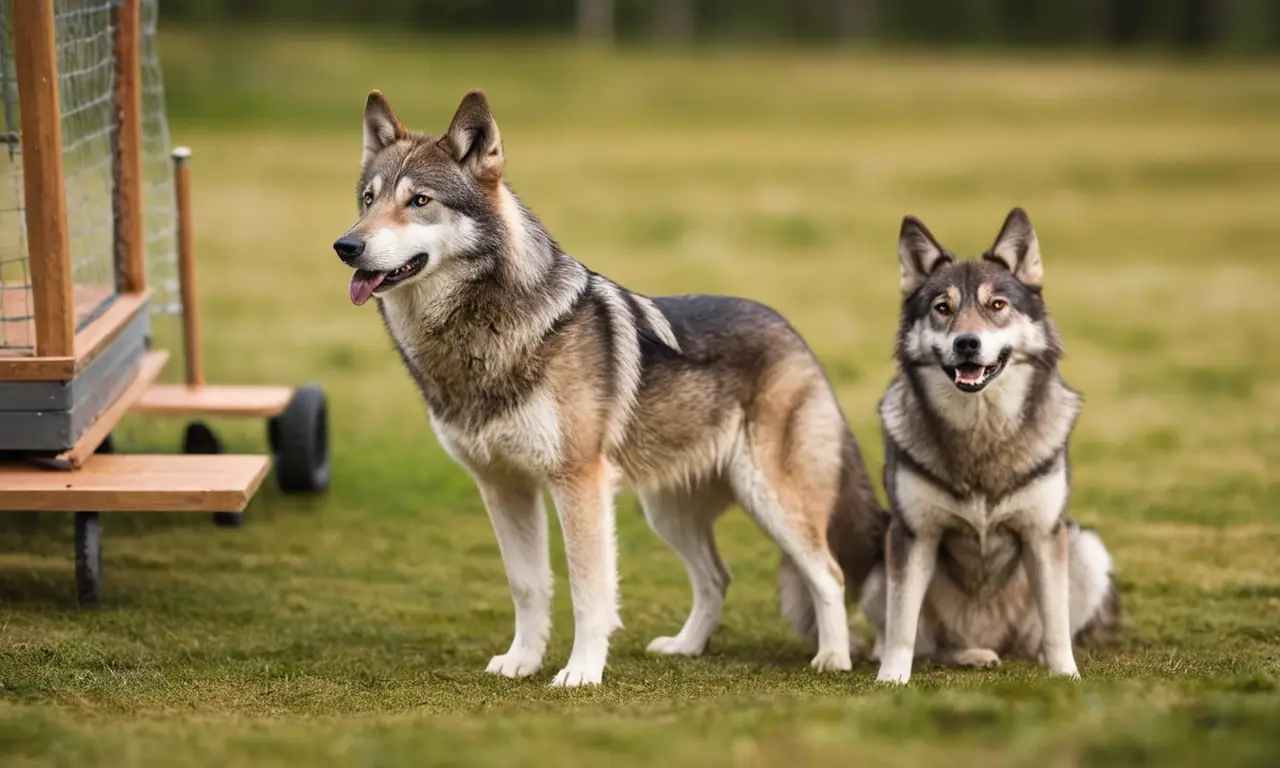
The Czechoslovakian Wolfdog, a striking breed with a unique lineage, demands a specialized approach to training. Blending the loyalty and trainability of a German Shepherd with the independent and wilder spirit of a wolf, these dogs present both immense rewards and significant challenges for their owners. This comprehensive guide delves deep into the intricacies of Czechoslovakian Wolfdog training, offering insights into their temperament, crucial early socialization, effective training techniques, and addressing common behavioral issues. Understanding their wolf-like instincts is paramount to fostering a well-adjusted, obedient, and harmonious companion.
𝙲𝚘𝚗𝚝𝚎𝚗𝚝
- Understanding the Czechoslovakian Wolfdog's Temperament
- The Cornerstone of Success: Early Socialization
- Foundational Training Principles for Czechoslovakian Wolfdogs
- Essential Commands and Skills to Teach
- Addressing Common Behavioral Challenges
- Advanced Training and Mental Stimulation
- The Role of a Professional Trainer
- In summary: A Rewarding Journey
Understanding the Czechoslovakian Wolfdog's Temperament
Before embarking on any training journey, it's crucial to understand the inherent characteristics of the Czechoslovakian Wolfdog. Developed from an experiment in the 1950s, this breed is a fascinating hybrid that retains many wolf-like traits. They are known for their intelligence, agility, resilience, and a strong pack mentality. However, they also possess a degree of independence and a keen sense of self-preservation, which can manifest as stubbornness or wariness towards strangers if not properly managed.
- Intelligence: Highly intelligent and quick learners, they can pick up commands rapidly. However, their intelligence also means they can get bored easily, requiring stimulating training sessions.
- Independence: Unlike some highly eager-to-please breeds, Czechoslovakian Wolfdogs can be more independent thinkers. This requires patience and understanding from the owner, focusing on building a strong bond rather than relying solely on strict command-following.
- Loyalty: Fiercely loyal to their family, they often form deep attachments. This loyalty can translate into protective instincts, which need to be channeled appropriately through training.
- Wariness of Strangers: Due to their wolf heritage, they can be naturally reserved or suspicious of unfamiliar people and situations. Early and consistent socialization is vital to prevent this from developing into fear-based aggression.
- High Energy Levels: They possess considerable stamina and require a significant amount of physical and mental exercise. Insufficient outlets for their energy can lead to destructive behavior.
- Pack Drive: They see their human family as their pack and thrive on clear leadership and structure. A confident and consistent owner is essential for their well-being and obedience.
The Cornerstone of Success: Early Socialization
For Czechoslovakian Wolfdog training, early and extensive socialization is not just recommended; it's absolutely non-negotiable. From the moment you bring your puppy home (ideally between 8-12 weeks of age), expose them to a wide variety of sights, sounds, people, and other well-behaved animals in a positive and controlled manner. The goal is to build their confidence and reduce any potential fear or aggression towards novel stimuli.
Creating a Socialization Checklist:
- People: Introduce them to people of all ages, genders, ethnicities, and appearances. Ensure these interactions are calm and positive.
- Environments: Gradually expose them to different locations – parks, quiet streets, busy sidewalks, car rides, different types of flooring, and varying weather conditions.
- Sounds: Acclimatize them to common household noises (vacuum cleaner, washing machine, TV) and external sounds (traffic, sirens, other dogs barking) at a low volume initially.
- Other Animals: Safely introduce them to vaccinated and well-tempered dogs of various breeds and sizes. Supervised interactions with other friendly pets can also be beneficial.
- Handling: Get them accustomed to being touched all over their body, including their ears, paws, tail, and mouth. This will make veterinary visits and grooming much easier.
Crucially, always ensure these experiences are positive. Avoid overwhelming your puppy. If they show signs of stress, retreat and try again later with less intensity. Short, frequent, and positive exposures are far more effective than long, frightening ones.
Poultry Diseases: Prevention, Symptoms, & TreatmentFoundational Training Principles for Czechoslovakian Wolfdogs
The Czechoslovakian Wolfdog training philosophy should be built on positive reinforcement, consistency, patience, and understanding of their unique nature. Harsh punishment or dominance-based methods can be counterproductive and damage the bond you are trying to build.
Positive Reinforcement:
This is the most effective method for this intelligent breed. Reward desired behaviors with high-value treats, enthusiastic praise, toys, or opportunities for play. The key is to make training sessions rewarding and enjoyable for your dog.
- Treats: Use small, tasty treats that your dog loves. Experiment to find what motivates them most.
- Praise: Genuine, upbeat verbal praise can be a powerful motivator.
- Toys: A favorite tug toy or ball can be a great reward, especially for more active training.
- Life Rewards: Allow them access to things they want (e.g., going outside, playing with you) after performing a desired action.
Consistency is Key:
All members of the household must be on the same page regarding commands, rules, and expectations. Inconsistency will confuse your dog and hinder their progress.
- Unified Commands: Use the same words for commands every time.
- Clear Rules: Establish clear house rules from the beginning and enforce them consistently.
- Routine: A predictable daily routine can help your dog feel secure and understand what to expect.
Patience and Understanding:
Your Czechoslovakian Wolfdog is not a German Shepherd; they have a different ancestral background. There will be moments of frustration, but remembering their unique temperament and not expecting them to be a "robot" is crucial.
Dog Muzzle: Gentle Training for a Stress-Free Experience- Short Training Sessions: Keep training sessions short and engaging, especially for puppies, to prevent them from becoming bored or overwhelmed.
- Recognize Their Limits: Understand that some days will be better than others. Don't push your dog if they are clearly tired or stressed.
- Focus on Building a Bond: Training is not just about obedience; it's about building trust and a strong relationship.
Essential Commands and Skills to Teach
When starting Czechoslovakian Wolfdog training, focus on a few core commands that will form the foundation of your communication.
1. Name Recognition:
- Method: Say your dog's name in a cheerful tone. When they look at you, offer praise and a small treat.
- Goal: For them to associate their name with positive attention and to respond when called.
2. "Sit":
- Method: Hold a treat near your dog's nose. Move it slowly up and back over their head. As their head follows the treat, their rear end will naturally lower. As they sit, say "Sit" and give the treat and praise.
- Goal: To teach them to sit on command, which is a fundamental calming behavior.
3. "Come" (Recall):
- Method: Start in a quiet, enclosed area. Get excited and call your dog's name followed by "Come!" When they run to you, reward them generously. Gradually increase the distance and introduce distractions. Never call your dog to you for something unpleasant (like a bath or nail trim).
- Goal: A reliable recall is a life-saving command and crucial for their safety.
4. "Stay":
- Method: Once your dog reliably sits or lies down, ask them to stay. Start with very short durations and distances, gradually increasing them. Use a hand signal (e.g., open palm facing them) and say "Stay." Reward them for remaining in place.
- Goal: To teach them to hold a position until released.
5. Leash Manners:
- Method: Introduce the leash and collar gradually. Once they are comfortable, start walking in a quiet area. Reward them for walking by your side without pulling. If they pull, stop moving until the leash slackens.
- Goal: To ensure comfortable and safe walks, preventing pulling and lunging.
Addressing Common Behavioral Challenges
The independent and sometimes cautious nature of the Czechoslovakian Wolfdog can lead to specific behavioral issues that require tailored training approaches.
1. Wariness/Suspicion of Strangers:
- Cause: Natural instinct.
- Solution: Continue consistent socialization. When guests arrive, ask them to ignore the dog initially. Once the dog is calm, they can offer a treat or a gentle pet. Avoid forcing interactions. Educate guests on how to approach your dog calmly.
2. Resource Guarding:
- Cause: Instinctual drive to protect valuable resources (food, toys, space).
- Solution: Trade-up exercises are effective. Offer your dog something less desirable (e.g., a lower-value treat) in exchange for a high-value item (e.g., a favorite toy). This teaches them that good things come when they relinquish items. Never try to take things away forcefully.
3. Destructive Behavior:
- Cause: Boredom, lack of exercise, or anxiety.
- Solution: Ensure your dog receives adequate physical and mental stimulation. Provide puzzle toys, engage in scent games, and take them for long walks or runs. Crate training can also be beneficial for preventing destruction when unsupervised.
4. Excessive Barking:
- Cause: Alert barking, boredom, or anxiety.
- Solution: Identify the trigger for the barking. For alert barking, teach a "quiet" command. For boredom, increase exercise and mental stimulation. For anxiety-related barking, seek professional guidance.
Advanced Training and Mental Stimulation
Once your Czechoslovakian Wolfdog has a solid foundation, you can explore advanced training and activities to keep their intelligent minds engaged.
- Agility: Their athleticism makes them excellent candidates for agility training.
- Scent Work: Their keen sense of smell can be honed through scent detection games.
- Trick Training: Learning new tricks provides mental stimulation and strengthens your bond.
- Canicross or Bikejoring: For very active owners, these activities can be a great way to exercise the dog while building teamwork.
The Role of a Professional Trainer
While you can achieve a great deal of success with Czechoslovakian Wolfdog training on your own, don't hesitate to seek professional guidance. A trainer experienced with the breed or similar working breeds can provide invaluable insights, troubleshoot specific issues, and ensure you are on the right track.
Essential Dog Socialization: A Happy, Well-Adjusted PupIn summary: A Rewarding Journey
Czechoslovakian Wolfdog training is a demanding yet incredibly rewarding endeavor. By understanding their unique temperament, prioritizing early and extensive socialization, employing positive reinforcement techniques, and maintaining consistency and patience, you can cultivate a well-behaved, confident, and devoted companion. This journey requires commitment, but the bond you will forge with your Czechoslovakian Wolfdog will be unlike any other. Embrace their wild spirit, channel their intelligence, and you will be rewarded with a truly exceptional canine partner.
Cat Leash Training: Your Step-by-Step Guide
Mastering Dog Training: Defense & Attack Techniques
Dog Behavior Expert: When Your Pet Needs Guidance
Stop Garden Holes: Effective Ways to Prevent Dog Digging
Overcoming Canine Insecurity & Fear: A Comprehensive Guide
Stop Male Dog Fights: Expert Tips for Harmony
Related posts