

Dalmatian Dog: History, Traits & Fun Facts
The Dalmatian Dog: Origin, Characteristics, and Curiosities
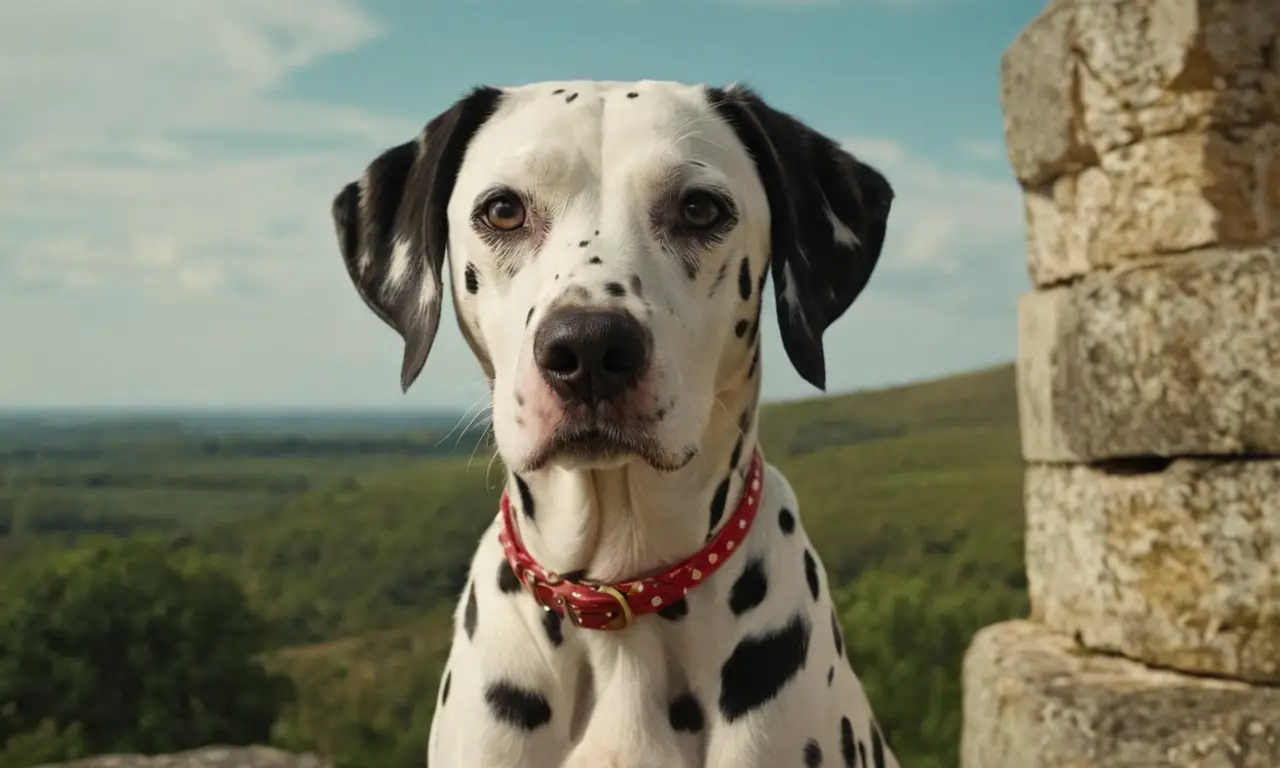
The Dalmatian, with its distinctive spotted coat, has captivated hearts for centuries. This breed, steeped in history and known for its unique appearance, boasts a fascinating origin story, a set of defining characteristics, and a collection of intriguing curiosities that make it a truly special companion. From its mysterious beginnings to its modern-day appeal, understanding the Dalmatian Dog: Origin, characteristics and curiosities offers a deep appreciation for this iconic canine.
𝙲𝚘𝚗𝚝𝚎𝚗𝚝
- Unraveling the Mysterious Origins of the Dalmatian Dog
- Distinctive Characteristics of the Dalmatian Dog
-
Fascinating Curiosities About the Dalmatian Dog
- The "Coach Dog" Legacy: A Symbol of Status
- The Spots: Unique as Fingerprints
- A Historical Connection to Firefighting
- Dalmatian's "Special" Metabolism
- The "Dalmatian Dance"
- From Screen to Popular Culture
- Challenges in Training: The Importance of Consistency
- Diet Considerations for Health
- A Breed of Endurance
- The Importance of Early Socialization
- In summary: A Loyal and Unique Companion
Unraveling the Mysterious Origins of the Dalmatian Dog
The precise birthplace of the Dalmatian remains somewhat shrouded in mystery, adding to its allure. While their name suggests a connection to the Dalmatia region of Croatia, historical evidence is scarce. Several theories attempt to pinpoint their origin, each with its own compelling narrative.
The Croatian Connection: A Theory Explored
The most prevalent theory links the breed to the historical region of Dalmatia, a coastal area in present-day Croatia. Archaeological findings and historical records from the region have been cited as potential evidence. Some suggest that a breed similar to the modern Dalmatian existed in this area as early as the 17th century. Depictions of spotted dogs in ancient frescoes and manuscripts from the Mediterranean basin further fuel this hypothesis. These early ancestors might have been used as guard dogs, draft dogs, or even as coursing hounds.
Alternative Origin Theories: A Global Perspective
Other theories propose origins that extend beyond Croatia. Some believe the Dalmatians might have originated in India, where spotted dogs have been documented for centuries. Another hypothesis suggests a North African or Egyptian connection, referencing ancient Egyptian art that depicts spotted canine figures. It's also possible that the breed developed independently in various locations, with later crossbreeding contributing to the distinct traits we recognize today. Regardless of their exact geographical genesis, the breed's lineage is undeniably ancient and likely involved a blend of influences.
Early Roles and Development
Regardless of their exact origins, Dalmatians were historically utilized for a variety of roles. Their endurance, speed, and striking appearance made them ideal for:
- Coach Dogs: Perhaps their most famous historical role is as coach dogs. Their distinctive markings made them easily recognizable and they were often trained to run alongside horse-drawn carriages, clearing the path, guarding the horses, and even acting as a deterrent to bandits. Their presence conveyed status and sophistication.
- Guard Dogs: Their alertness and protective instincts made them effective guardians of property and livestock.
- Hunting Hounds: In some regions, they were employed as hunting dogs, particularly for game birds.
- Circus Performers and Mascots: Their intelligence and trainability, coupled with their eye-catching appearance, led to their use in circuses and as mascots for various organizations.
The breed's consistent development throughout history, likely through selective breeding by enthusiasts, solidified the characteristics that define the Dalmatian today.
Distinctive Characteristics of the Dalmatian Dog
The Dalmatian is instantly recognizable by its unique coat, but their personality and physical traits extend far beyond their spots. Understanding these characteristics is crucial for anyone considering welcoming a Dalmatian into their home.
The Iconic Spotted Coat: A Genetic Marvel
The most defining feature of the Dalmatian is, of course, its coat.
Spanish vs Portuguese Water Dog: Key Differences Explained- Coloration: The coat is typically white, adorned with either black or liver (brown) spots. The spots are usually well-defined and evenly distributed.
- Genetics: The spotting pattern is a fascinating example of canine genetics. It is believed to be caused by a specific gene that affects pigment cells. The "ticking" gene is responsible for the small flecks of color on a white background, while larger spots are also a result of genetic expression.
- Spot Development: Puppies are born with solid white coats and the spots begin to appear within the first few weeks of life. The full pattern usually develops as they mature.
- Coat Type: The coat is short, dense, and fine, lying close to the body. It provides a good level of protection against the elements.
Temperament and Personality: More Than Just a Pretty Face
Beyond their visual appeal, Dalmatians possess a vibrant and engaging temperament.
- Energetic and Playful: Dalmatians are high-energy dogs. They require significant daily exercise to prevent boredom and potential behavioral issues. Playful by nature, they enjoy games and activities.
- Intelligent and Trainable: They are highly intelligent and eager to please, which makes them generally receptive to training. However, they can also be strong-willed, so consistent and positive reinforcement methods are essential.
- Loyal and Affectionate: Dalmatians form strong bonds with their families and are known to be very loyal and affectionate companions. They often crave human interaction and can suffer from separation anxiety if left alone for extended periods.
- Protective: While not typically aggressive, they possess a natural protective instinct towards their families and home. Early socialization is crucial to ensure they are well-adjusted around strangers and other animals.
- Socialization is Key: Due to their sometimes reserved nature with strangers, early and consistent socialization from puppyhood is paramount. Exposing them to various people, places, and other animals will help them grow into confident and well-mannered adults.
Physical Build and Health Considerations
Dalmatians are medium-sized dogs with a well-proportioned and athletic build.
- Athletic Physique: They have a strong, muscular body with a deep chest, straight back, and powerful legs. This build reflects their history as working and running dogs.
- Average Size: Males typically stand 22-24 inches at the shoulder and weigh 50-60 pounds, while females are usually 20-22 inches and weigh 45-55 pounds.
-
Health Concerns: Like all breeds, Dalmatians are prone to certain health issues.
- Deafness: This is a significant concern within the breed, with a higher incidence of congenital deafness than in many other breeds. Responsible breeders screen their dogs for hearing.
- Urinary Stones (Urolithiasis): Dalmatians have a unique uric acid metabolism that makes them predisposed to forming bladder and kidney stones. A specific diet is often recommended to help prevent this.
- Hip Dysplasia: Although less common than in some other breeds, hip dysplasia can occur.
- Allergies: Skin allergies can be an issue for some Dalmatians.
Regular veterinary check-ups and a responsible breeding program are vital for managing these potential health concerns.
Fascinating Curiosities About the Dalmatian Dog
The Dalmatian Dog: Origin, characteristics and curiosities are rich with intriguing facts that make this breed even more captivating.
The "Coach Dog" Legacy: A Symbol of Status
The Dalmatian's role as a "coach dog" cemented its association with status and prestige. In the days of horse-drawn carriages, Dalmatians running alongside were not just functional but also a statement. Their presence indicated wealth and sophistication. This historical role has left an indelible mark on their image, and they are still often depicted in historical settings with carriages.
The Spots: Unique as Fingerprints
Each Dalmatian's spot pattern is entirely unique, much like human fingerprints. No two Dalmatians will have the exact same arrangement or size of spots. This individuality adds to their charm and makes each dog truly one-of-a-kind.
A Historical Connection to Firefighting
In the 19th century, Dalmatians were also employed as firehouse dogs. Their role was to clear the path for horse-drawn fire engines and to guard the equipment. Their distinctive appearance and bravery made them well-suited for this heroic duty. Even today, some fire departments maintain a tradition of having a Dalmatian mascot.
Border Collie vs. Aussie: Key Differences for Dog LoversDalmatian's "Special" Metabolism
As mentioned in health considerations, Dalmatians have a unique uric acid metabolism. Unlike most mammals, they cannot break down uric acid effectively and excrete it as urea. This means they excrete uric acid directly, which can lead to the formation of urate stones. This metabolic peculiarity is a key aspect of their breed's physiology.
The "Dalmatian Dance"
Some Dalmatians exhibit a unique behavior often referred to as the "Dalmatian Dance." This involves them standing on their hind legs and pawing the air, often accompanied by playful vocalizations. It's a charming and energetic display of their playful spirit.
From Screen to Popular Culture
The Dalmatian's striking appearance has made them a favorite in literature and film. The most famous example is, of course, "One Hundred and One Dalmatians," which brought the breed into mainstream popularity and introduced its charming spotted coat to millions. This, however, led to a surge in demand that unfortunately resulted in irresponsible breeding practices and a decline in breed health for a period.
Challenges in Training: The Importance of Consistency
While intelligent, Dalmatians can also be a bit stubborn. They are not a breed for a novice owner who isn't committed to consistent, positive, and firm training. Their intelligence means they can learn bad habits just as easily as good ones. Early obedience training and ongoing mental stimulation are vital to channel their energy and intelligence constructively.
Diet Considerations for Health
Due to their predisposition to urinary stones, a specialized diet is often recommended for Dalmatians. This usually involves a low-purine diet and ensuring adequate hydration. Consulting with a veterinarian is crucial for determining the best dietary plan for an individual Dalmatian.
A Breed of Endurance
Historically, Dalmatians were bred for endurance. Their ability to run for long distances alongside carriages means they have a high stamina level. This translates to a need for owners who can provide them with ample opportunities for physical activity. Long walks, runs, or active play sessions are essential to keep them happy and healthy.
The Importance of Early Socialization
To reiterate, early and thorough socialization is non-negotiable for Dalmatians. Introducing them to a wide range of sights, sounds, people, and other animals from a young age will help them develop into well-adjusted, confident, and friendly dogs. Without it, they can become overly reserved or even fearful.
In summary: A Loyal and Unique Companion
The Dalmatian Dog: Origin, characteristics and curiosities reveal a breed that is far more than just its visually arresting coat. They are intelligent, energetic, loyal, and possess a rich history that has shaped them into the remarkable dogs they are today. While they require dedicated owners who can provide consistent training, ample exercise, and attention to their specific health needs, the rewards of owning a Dalmatian are immense. They offer a unique blend of playful spirit, unwavering loyalty, and an undeniably captivating presence that makes them truly special members of any family. Understanding their origins, appreciating their distinct characteristics, and cherishing their intriguing curiosities allows for a deeper connection with this iconic and beloved breed.
Donkey vs. Donkey: Unveiling Key Differences
Dog Color Vision: How Do Dogs Recognize & Distinguish Colors?

Fila Brasileiro: The Majestic Mastiff of Brazil Explored

Basenji: The Enigmatic Barkless Dog – Congo Terrier Facts

Dog Language & Calm Signals: The Complete Guide
The Enduring Bond: Dogs & Humans, 14,000 Years

Can You Have a Monkey as a Pet? The Truth About Primate Companions
Related posts