
Baby Kitten Diarrhea: Causes, Symptoms & Expert Treatments
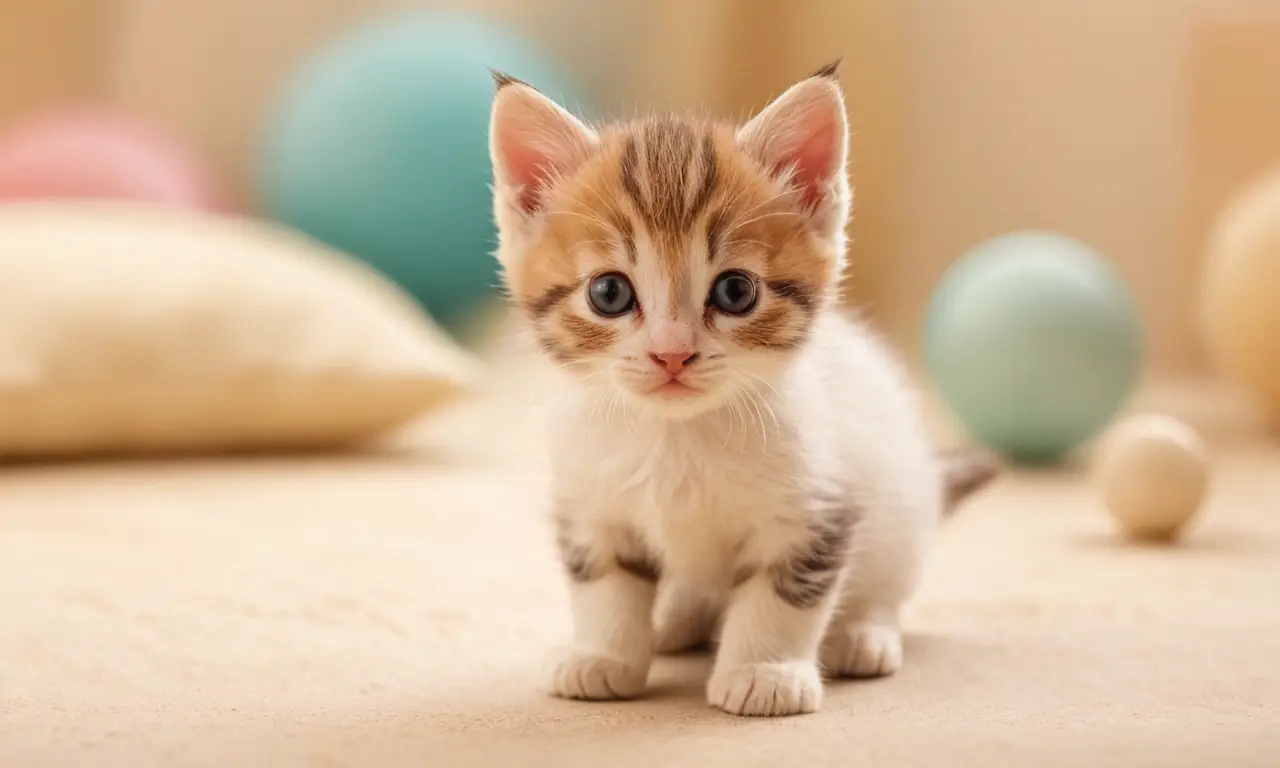
Diarrhea in Baby Kittens - Causes and Treatments
Diarrhea in baby kittens is a common and often worrying issue for new cat guardians. This symptom, characterized by loose or watery stools, can signal a variety of underlying problems, ranging from simple dietary indiscretions to more serious infections. Understanding the potential causes and knowing the appropriate treatments is crucial for ensuring the health and survival of these vulnerable young felines. This comprehensive guide will delve into the various reasons why baby kittens develop diarrhea, outline the key symptoms to watch for, and provide detailed treatment strategies recommended by veterinary professionals.
𝙲𝚘𝚗𝚝𝚎𝚗𝚝
- Understanding the Digestive System of a Kitten
- Common Causes of Diarrhea in Baby Kittens
- Recognizing the Symptoms of Diarrhea in Baby Kittens
- When to Seek Veterinary Attention Immediately
- Diagnosis and Veterinary Treatment for Diarrhea in Baby Kittens
- Home Care and Prevention of Diarrhea in Baby Kittens
- In summary
Understanding the Digestive System of a Kitten
Kitten digestive systems are still developing, making them particularly susceptible to disruptions. Unlike adult cats, their gut flora is not fully established, and their enzyme production may be less efficient. This means that even minor changes in diet or exposure to pathogens can lead to digestive upset. Their small body size also means that dehydration can set in much faster if they are experiencing diarrhea.
Common Causes of Diarrhea in Baby Kittens
There are several common culprits behind diarrhea in young cats. Identifying the specific cause is the first step towards effective treatment.
Dietary Indiscretions and Changes
- Sudden Diet Changes: Kittens are sensitive to rapid shifts in their food. If a kitten is switched from its mother's milk or a specific kitten formula to a new food too quickly, their digestive system may not be able to adapt, leading to diarrhea.
- Inappropriate Foods: Offering human food or incorrect types of milk (like cow's milk, which many cats are lactose intolerant to) can severely disrupt a kitten's gut.
- Overfeeding: While kittens need to eat frequently, overfeeding can overwhelm their digestive capacity, resulting in loose stools.
- Dietary Intolerances or Allergies: Some kittens may develop sensitivities to specific ingredients in their food, such as certain proteins or grains. This can manifest as chronic or intermittent diarrhea.
Parasitic Infections
Parasites are a very common cause of diarrhea in kittens, especially those that have been recently rescued or exposed to other animals.
- Intestinal Worms: Roundworms, hookworms, and tapeworms are prevalent in kittens. These parasites consume nutrients and irritate the intestinal lining, leading to diarrhea, often with blood or mucus.
- Protozoan Parasites:
- Coccidia: These microscopic parasites infect the intestinal cells, causing severe diarrhea, often bloody and watery. Kittens are particularly vulnerable to coccidiosis, especially in crowded or unsanitary conditions.
- Giardia: This parasite also causes watery diarrhea and can be challenging to diagnose and treat. It's spread through contaminated feces and water.
Bacterial Infections
While less common than parasitic causes in well-cared-for kittens, bacterial infections can also lead to diarrhea.
- Salmonella: This bacterium can be present in raw food or transmitted from other animals. It causes severe diarrhea, vomiting, and lethargy.
- E. coli: Certain strains of E. coli can cause intestinal upset and diarrhea in kittens.
- Campylobacter: This bacteria can also be a cause of gastrointestinal distress.
Viral Infections
Certain viruses can compromise a kitten's immune system and digestive tract, leading to diarrhea.
Older Cat Diarrhea: Causes, Symptoms & Effective Treatments- Feline Panleukopenia (FPL): Also known as feline distemper, this highly contagious and often fatal viral disease can cause severe vomiting and diarrhea, often with blood. Vaccination is crucial for prevention.
- Feline Viral Rhinotracheitis (FVR) and Feline Calicivirus (FCV): While primarily respiratory viruses, these can sometimes cause secondary gastrointestinal symptoms, including diarrhea, especially in young or immunocompromised kittens.
Stress and Environmental Factors
Kittens are sensitive creatures, and stress can manifest physically.
- Weaning Stress: The process of weaning can be stressful for kittens, sometimes leading to temporary digestive upset.
- New Environments: Moving to a new home or experiencing significant changes in their living situation can cause stress-induced diarrhea.
- Overcrowding: Living in unsanitary or overcrowded conditions can increase stress levels and the risk of infection.
Underlying Medical Conditions
In rare cases, diarrhea can be a symptom of more serious underlying health issues, such as congenital defects or organ problems.
Recognizing the Symptoms of Diarrhea in Baby Kittens
It's important to be able to identify not just diarrhea itself, but also other signs that might indicate a more serious problem.
Stool Characteristics
- Consistency: Loose, watery, or mushy stools are the primary indicator.
- Color: Stools can vary in color. Dark brown or black stools might indicate digested blood, while bright red blood suggests fresh bleeding in the lower digestive tract. Greenish stools can sometimes indicate rapid passage through the intestines.
- Presence of Blood or Mucus: Small amounts of mucus can sometimes be normal, but excessive mucus or visible blood (red streaks or clots) is a cause for concern.
- Undigested Food: You might see undigested food particles in the stool.
Other Signs and Symptoms
- Lethargy and Weakness: Kittens with diarrhea, especially if dehydrated, will often appear listless and lack energy.
- Poor Appetite: Diarrhea can lead to a loss of appetite or refusal to eat.
- Vomiting: Diarrhea is often accompanied by vomiting.
- Abdominal Pain: The kitten may cry out when their abdomen is touched or appear uncomfortable.
- Dehydration: This is a critical concern. Signs include sunken eyes, dry gums, loss of skin elasticity (when you gently pinch the skin on their back, it doesn't snap back quickly), and decreased urination.
- Weight Loss: Kittens experiencing chronic diarrhea or not eating will lose weight rapidly.
- Fever: Some infections can cause an elevated body temperature.
When to Seek Veterinary Attention Immediately
Diarrhea in baby kittens can be a medical emergency. You should contact a veterinarian immediately if you observe any of the following:
- Severe or bloody diarrhea.
- Signs of dehydration.
- Lethargy or extreme weakness.
- Vomiting accompanied by diarrhea.
- Fever.
- The kitten is very young (under 4-6 weeks old) and experiencing diarrhea.
- Diarrhea that persists for more than 24-48 hours despite home care.
- You suspect your kitten may have ingested something toxic.
Diagnosis and Veterinary Treatment for Diarrhea in Baby Kittens
A veterinarian will perform a thorough physical examination and ask about the kitten's history, diet, and environment. Diagnostic tests may include:
- Fecal Examination: This is crucial for identifying internal parasites (worms, coccidia, Giardia) and sometimes bacteria.
- Blood Work: To assess hydration levels, check for infection, and evaluate organ function.
- Radiographs (X-rays): To rule out obstructions or other structural issues.
- Viral Testing: If a viral cause is suspected.
Veterinary Treatment Strategies
Treatment will depend entirely on the diagnosed cause.
Puppy Diarrhea: Causes, Symptoms & Effective Treatments-
Fluid Therapy: This is paramount for dehydrated kittens. It can be administered subcutaneously (under the skin) or intravenously (into a vein) by your vet. Oral rehydration solutions may also be recommended for mild dehydration.
-
Deworming and Antiparasitic Medications:
- For intestinal worms: Your vet will prescribe appropriate deworming medications based on the type of worm identified.
- For Coccidia and Giardia: Specific antiprotozoal medications (e.g., sulfadimethoxine, ponazuril, metronidazole) will be prescribed. Treatment duration is critical for these parasites.
-
Antibiotics: If a bacterial infection is confirmed, a course of antibiotics will be prescribed. It's essential to complete the entire course as directed by your vet.
-
Dietary Management:
- Bland Diet: Your vet may recommend a temporary diet of easily digestible foods, such as boiled chicken or fish mixed with plain cooked rice, or a specialized veterinary therapeutic diet for sensitive stomachs.
- Probiotics: Supplementing with kitten-specific probiotics can help restore the balance of good bacteria in the gut.
- Avoidance of Triggers: Identifying and removing any dietary intolerances or allergens is key to long-term management.
-
Medications for Symptom Relief:
- Anti-emetics: To control vomiting.
- Antidiarrheals: While sometimes used, these are generally avoided in very young kittens or without a clear diagnosis, as diarrhea is a mechanism for expelling pathogens.
-
Supportive Care: This includes keeping the kitten warm, clean, and comfortable. Ensuring they are stimulated to eat is also vital.
Rabbit Diarrhea: Causes, Symptoms & Effective Treatment
Home Care and Prevention of Diarrhea in Baby Kittens
While veterinary care is essential for diagnosis and treatment, there are also steps you can take at home to manage and prevent diarrhea.
Supportive Home Care (Under Veterinary Guidance)
- Follow Veterinary Instructions Precisely: Administer all medications and follow dietary recommendations as prescribed.
- Maintain Hydration: Encourage drinking water or kitten milk replacer. If your vet has prescribed an oral rehydration solution, ensure the kitten consumes it.
- Provide a Warm and Safe Environment: Sick kittens need to stay warm. Use heating pads (on a low setting and with bedding to prevent burns) or a warm room.
- Keep Litter Boxes Clean: Frequent cleaning of litter boxes is crucial to prevent reinfection and the spread of disease.
- Monitor Closely: Keep a close eye on the kitten's stool, appetite, activity level, and hydration status. Report any changes to your veterinarian.
- Gentle Feeding: If on a bland diet, feed small, frequent meals.
Preventive Measures
- Proper Nutrition: Feed a high-quality kitten-specific formula or milk replacer if the mother is not nursing. Ensure a gradual transition to solid kitten food when appropriate.
- Hygiene: Maintain a clean living environment for the kitten. Wash your hands thoroughly before and after handling kittens, especially if you handle multiple litters or other animals.
- Parasite Control: Regular deworming and fecal testing as recommended by your veterinarian is crucial.
- Vaccination: Ensure kittens are up-to-date on vaccinations, particularly for Feline Panleukopenia.
- Minimize Stress: Provide a calm and stable environment. Avoid sudden changes or overwhelming interactions.
- Avoid Overcrowding: If you are fostering multiple kittens, ensure they are housed in clean, appropriately sized spaces.
- Source Kittens Responsibly: Obtain kittens from reputable breeders or shelters that have good health and vaccination protocols in place.
In summary
Diarrhea in baby kittens is a serious symptom that requires careful observation and prompt veterinary intervention. While common causes like parasites and dietary issues can often be treated effectively, the risk of dehydration and rapid decline in health means that delayed or inadequate care can have dire consequences. By understanding the potential causes, recognizing the signs, and working closely with your veterinarian, you can significantly improve the chances of a swift and full recovery for your young feline companions. Early detection and appropriate treatment are the cornerstones of managing Diarrhea in Baby Kittens - Causes and Treatments.
Cat Urinary Crystals: Types, Symptoms & Treatment Guide
Cat Weight: How Do I Know If My Cat Is Fat?

Encephalitis in Dogs: Symptoms, Causes & Treatment

Dog Cavities: Causes, Symptoms, and Treatment Options
Natural Flea Relief: Home Remedies for Fleas in Cats

Newborn Puppy Feeding Guide: From Birth to Weaning
Related posts